
2026 Best Backflow Valve Types for Global Buyers
Choosing a backflow device is not a catalog exercise. A valve that suits a low-risk irrigation line may be unsuitable for a food plant, hospital, or high-rise building. Buyers need to match the device to the hazard, pressure conditions, installation space, and maintenance capacity. Details matter.
Common options include reduced-pressure assemblies, double-check assemblies, pressure vacuum breakers, and dual-check valves. Their protections and testing needs differ. A compact assembly may fit a tight plant room, while a reduced-pressure device needs a suitable drain connection. A pressure vacuum breaker also has specific installation requirements. Dr. Steven A. Rinaldi’s work in cross-connection control offers a useful technical lens. A concise editorial paraphrase—not a verified verbatim quotation—is: “Choose protection for the hazard, then confirm the installation and test plan.” That distinction matters; buyers should not treat a paraphrase as a sourced quotation.
For global buyers, product selection also means checking local approval requirements, available service parts, material compatibility, and access for inspection. Standards and accepted device applications vary by market, so a product accepted in one region may not suit another. Ask suppliers for current test documentation and clear installation instructions. Compare lifecycle support, not just purchase price. Some procurement details are easy to overlook. Even careful buyers may miss them. This guide reviews the main Backflow Valve types, their practical strengths, and the questions worth resolving before purchase.
What Backflow Valves Are and How They Prevent Reverse Flow
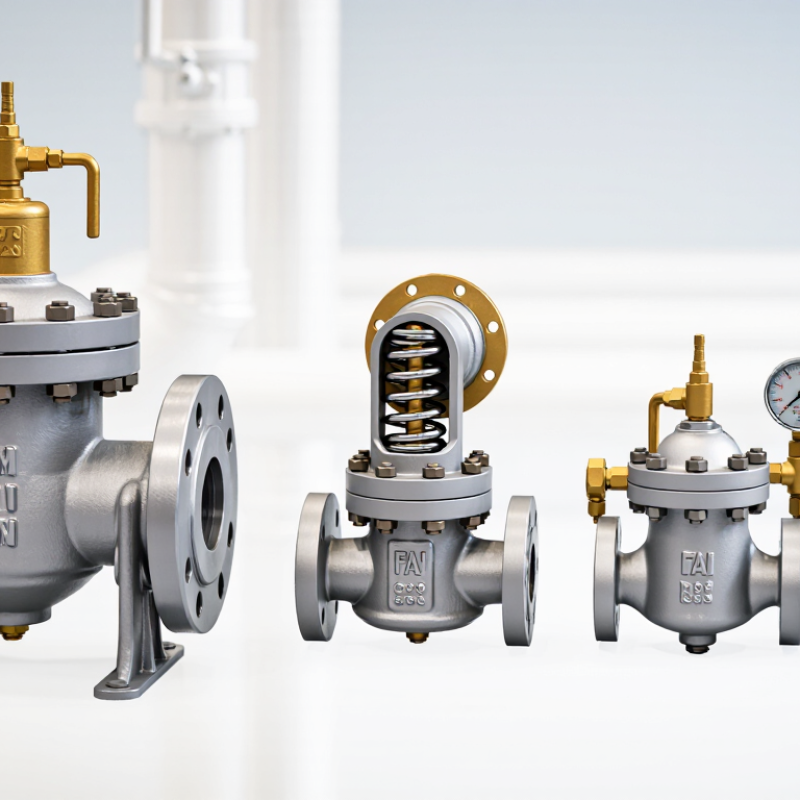
A backflow valve is a one-way device fitted into a water line. It allows water to move toward its intended destination, then helps stop it from moving backward. Inside, a spring-loaded disc, flap, or paired checks respond to changes in pressure. When supply pressure falls, the moving part closes against a seat. Direction matters. A small amount of debris can keep that seal from closing fully.
Reverse flow can occur when pressure changes unexpectedly. A nearby pump may create suction, or a break in the supply may lower pressure. Water from a connected hose, tank, or process line could then be drawn toward the clean supply. A backflow valve reduces that risk by interrupting the reverse path. It does not make every connection safe by itself. The right protection depends on the installation and the level of risk.
Some assemblies use more than one check, while others include a relief opening that can discharge water if pressure conditions change. These designs behave differently and need suitable installation and inspection. In practice, a valve may look sound while a worn seal or grit affects its operation. That part is easy to overlook. Checking flow direction, access for servicing, and the valve’s condition helps keep protection dependable. The explanation sounds tidy; real pipework is less tidy.
2026 Best Backflow Valve Types for Global Buyers - What Backflow Valves Are and How They Prevent Reverse Flow
| Device or Method | How It Prevents Reverse Flow | Backflow Conditions Addressed | Typical Applications | Key Selection Considerations | Inspection and Maintenance |
|---|---|---|---|---|---|
| Reduced Pressure Principle Assembly (RP) | Uses two independently acting check valves with a reduced-pressure zone and a relief valve that discharges if the zone pressure becomes unsafe. | Designed to protect against both backpressure and backsiphonage; commonly selected where the hazard may be high. | Commercial and industrial water services, irrigation systems, and other connections where contaminated water could present a health risk. | Requires a suitable drain and clearance for relief-valve discharge. Installation orientation, pressure range, and local approval requirements matter. | Testable assembly. Testing and servicing intervals are set by local regulations and the authority having jurisdiction. |
| Double Check Valve Assembly (DC) | Uses two independently acting check valves in series to resist reverse flow. | Can protect against backpressure and backsiphonage when permitted for the applicable hazard level. | Some fire-protection systems, irrigation connections, and other non-health-hazard applications, subject to local rules. | Does not include the relief-valve protection of an RP assembly. Confirm that the application and hazard classification allow its use. | Testable assembly in many jurisdictions; follow local testing and maintenance requirements. |
| Pressure Vacuum Breaker (PVB) | Uses a check valve and an air-inlet valve to admit air when supply pressure falls, interrupting a siphon. | Protects against backsiphonage; it is not designed to protect against backpressure. | Commonly used on irrigation systems where downstream pressure cannot be applied to the device. | Must be installed at the height and orientation required by the applicable code. Downstream shutoffs or elevated piping may affect suitability. | Typically testable. Keep the air inlet unobstructed and protect the assembly from freezing where applicable. |
| Atmospheric Vacuum Breaker (AVB) | Admits air into the piping when supply pressure is interrupted, breaking a backsiphonage condition. | Protects against backsiphonage only; it does not protect against backpressure. | Some individual fixtures and intermittent-use outlets, when allowed by local plumbing codes. | Generally unsuitable for continuous pressure and for installations with downstream shutoff valves. Check required mounting height and use limitations. | Inspect periodically for damage, leakage, and a clear air inlet; local codes determine inspection requirements. |
| Dual Check Valve | Uses two check elements in series to resist reverse flow through a service connection. | Often used for lower-hazard applications; the protection level and permitted uses depend on the device listing and local rules. | Some residential water-service connections and equipment connections where approved. | Do not assume it is suitable for every contamination risk. Confirm whether a testable assembly is required for the application. | Many models are not field-testable; inspection, replacement, and approval requirements vary by jurisdiction. |
| Hose Connection Vacuum Breaker | Admits air at a hose outlet to help prevent contaminated water from being siphoned back into the potable supply. | Addresses backsiphonage at the hose connection; it is not a general backpressure protection device. | Outdoor hose bibbs, washdown outlets, and similar hose connections where required. | Use a model approved for the connection and intended service. It may not be suitable where the hose end is submerged or downstream pressure is applied. | Check for damage, leakage, and correct operation; seasonal removal may be needed in freezing climates. |
| Air Gap (Physical Separation) | Creates an unobstructed vertical separation between a potable-water outlet and the receiving vessel, preventing a direct reverse-flow path. | Can provide strong protection against backsiphonage and backpressure when the required separation is maintained. | Tank filling, food-service equipment, and other installations designed with a visible air break. | Not a valve. Required air-gap dimensions depend on outlet size, configuration, and local plumbing rules; the gap must remain unobstructed. | Inspect routinely to ensure the separation is intact and the receiving vessel cannot flood or splash across the gap. |
Note: Backflow prevention requirements, device approvals, hazard classifications, installation details, and testing intervals vary by country and local authority. Confirm the applicable plumbing code and consult a qualified water-system professional before selection or installation.
FAQS
It lets water move toward its intended destination and helps stop reverse flow. A spring-loaded disc or flap closes when pressure changes. Direction matters.
A nearby pump may create suction, or a supply break may reduce pressure. Water from a hose, tank, or process line could then move toward the clean supply.
An RPZ assembly has two checks and a relief zone. It may discharge water, so it needs a suitable drain. A double-check assembly has two checks but no relief zone.
A pressure vacuum breaker can help prevent backsiphonage, such as from a submerged hose. An atmospheric vacuum breaker may suit some intermittent-use outlets, but not continuous pressure. Small details matter.
Consider the hazard, pressure conditions, fluid, expected flow, and water temperature. Pipe size alone is not enough. A qualified local specialist can help confirm the appropriate device.
Assemblies need room for inspection and testing. An RPZ assembly also needs a suitable drain location. A cramped cabinet can turn routine repairs into a difficult job.
Yes. Grit or a worn seal may prevent full closure, even when the valve looks sound. I would not trust appearance alone.
Check flow direction, valve condition, testing access, and the applicable local requirements. A bench test may not reflect fluctuating field pressure; that assumption deserves another look.
Conclusion
A Backflow Valve helps keep water moving in the intended direction by closing when pressure changes could cause reverse flow. Global buyers can choose from several designs, including check, dual-check, reduced-pressure, and air-gap systems. Each offers a different balance of protection, installation needs, purchase cost, and ongoing maintenance. Simpler designs may suit lower-risk applications, while more protective assemblies can be appropriate where stronger separation is needed.
Choosing the right valve starts with understanding the fluid, operating pressure, flow rate, installation environment, and potential consequences of backflow. Buyers should also consider access for inspection, routine testing, replacement parts, and the total cost over the valve’s service life. Before purchasing, verify that the selected design and materials meet the relevant standards and requirements for the destination market and application. These checks help ensure the valve is compatible, maintainable, and suited to its intended use.
