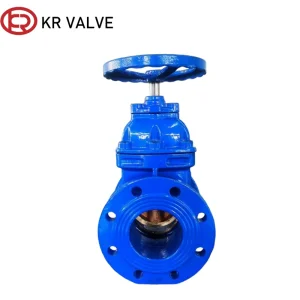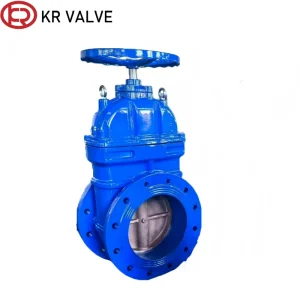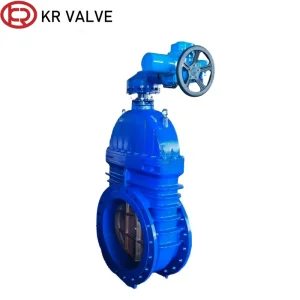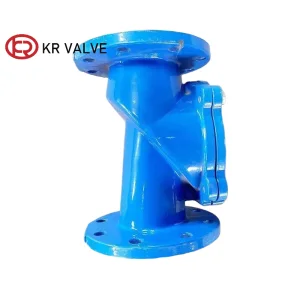
Featured High-Performance Metal Seat Gate Valves
Engineered for extreme thermal gradients, abrasive media, high pressures, and zero-leakage severe service applications.
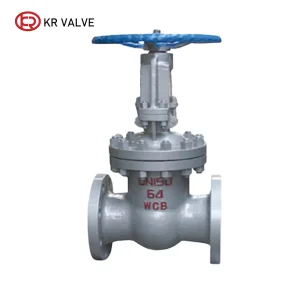
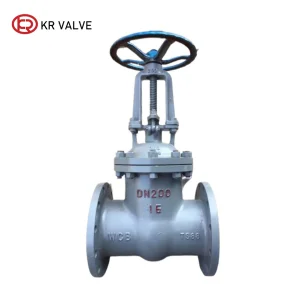
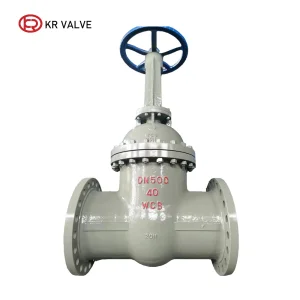
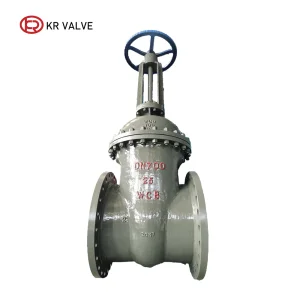
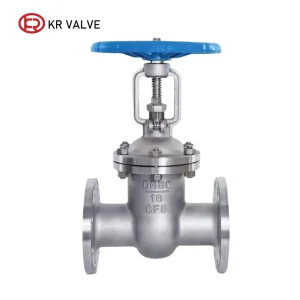
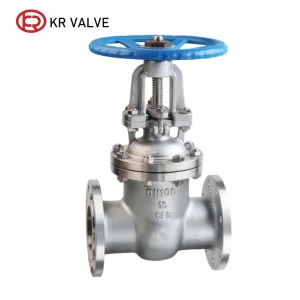
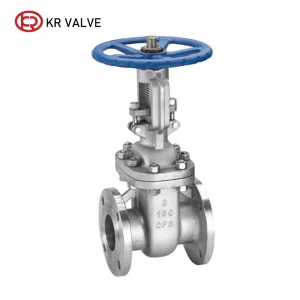
1. Comprehensive Technical Overview: Metal-to-Metal Seating vs. Resilient Seating
In modern process industries, fluid control valves must endure increasingly hostile operational envelopes. While soft-seated (resilient) gate valves utilizing EPDM, NBR, or PTFE components deliver excellent zero-leakage shutoff under mild operating conditions (typically restricted to temperatures below 180°C and non-abrasive fluids), they fail catastrophically when exposed to elevated temperatures, thermal shock, mechanical impact, or entrained particulates.
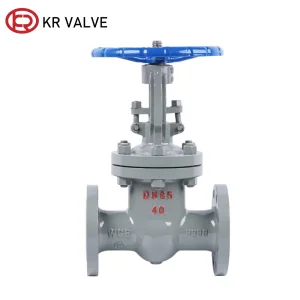
Metal seat gate valves (also known as hard-seal gate valves or metal-to-metal wedge sluice valves) represent the pinnacle of heavy industrial isolation technology. By replacing elastomeric or polymeric sealing rings with precision-machined, hardfaced metallic seating surfaces (such as cobalt-base Stellite alloys, nickel-base alloys, or chromium carbide coatings), these valves achieve exceptional structural integrity, erosion resistance, and fire-safe reliability under extreme working conditions.
High Thermal Limits
Sustained performance across broad temperature ranges (-196°C cryogenic to +650°C superheated steam) without thermal deformation or seat blowout.
Abrasive Resistance
Hardfaced seating surfaces (up to 60 HRC) withstand severe scouring, catalyst fines, sand, slurry, and scale entrained in fluid streams.
Fire-Safe Integrity
Inherent metallic fire safety fully compliant with API 607 / ISO 10497 without relying on secondary soft burn-away seals.
2. Metallurgical Formulations & Advanced Hardfacing Technologies
The operational longevity of a metal-seated gate valve is fundamentally governed by the tribological synergy between the wedge sealing face and the body seat rings. Modern manufacturing facilities employ precision cladding and thermal spraying processes to apply specialized wear-resistant alloys to base materials such as ASTM A216 WCB, ASTM A351 CF8/CF8M, or Ductile Iron GGG40.
Key Hardfacing Alloys and Application Methods:
- Cobalt-Base Stellite Overlay (Stellite No. 6): Applied via Plasma Transferred Arc (PTA) or automated Gas Tungsten Arc Welding (GTAW). Offers exceptional resistance to galling, cavitation, and thermal fatigue at temperatures above 500°C. Maintains high hardness (38-45 HRC) even under prolonged heat exposure.
- Tungsten Carbide (WC-Co/Cr) HVOF Coating: High-Velocity Oxygen-Fuel (HVOF) thermal spraying deposits dense micro-grained Tungsten Carbide layers (hardness 65-70 HRC, porosity < 0.5%). Ideal for slurry pipelines and high-velocity gas lines where particulate erosion is the primary degradation mode.
- Nickel-Base Alloys (Inconel 625 / Monel 400 Cladding): Used extensively in sour gas (H2S/CO2) service and marine/desalination environments. Provides superior corrosion resistance combined with high mechanical toughness.
- Cupric/Bronze Hard-Seal Rings (Aluminum Bronze / Brass): Commonly specified for municipal water works, low-pressure steam, and HVAC sluice gate applications (e.g., GGG40 / Cast Iron body with bronze seat rings). Provides cost-effective galling prevention and smooth torque operation.
3. Severe Service Technical Comparison Matrix
To assist plant engineers and EPC procurement directors in evaluating valve performance characteristics across severe service regimes, the following engineering matrix compares primary valve architectures:
| Performance Parameter | Metal Seat Gate Valve | Resilient Seat Gate Valve | Knife Gate Valve | Metal Seated Globe Valve |
|---|---|---|---|---|
| Temperature Envelope | -196°C to +650°C | -20°C to +120°C (EPDM/NBR) | -30°C to +400°C | -196°C to +550°C |
| Pressure Rating Class | PN10 to PN100 / Class 150 - 2500 | PN10 to PN25 / Class 125 - 150 | PN6 to PN16 / Class 150 | PN16 to PN160 / Class 150 - 1500 |
| Slurry & Solid Resistance | Excellent (with HVOF hardfacing) | Poor (Particulates damage seat) | Exceptional (Shearing edge) | Fair (Flow redirection causes erosion) |
| Pressure Drop (Delta P) | Minimal (Full-bore straight-through) | Minimal (Full-bore smooth waterway) | Low | High (Tortuous flow path) |
| Leakage Allowance Standards | API 598 / ISO 5208 Rate CC/DD/EE | API 598 Rate A (Bubble tight) | MSS SP-81 / ISO 5208 Rate D | API 598 / FCI 70-2 Class V/VI |
| Fugitive Emissions Rating | ISO 15848-1 Class AH/BH & API 622 | Standard gland packing limits | Low to Medium compliance | ISO 15848-1 Bellows seal options |
4. Global Sourcing & Total Cost of Ownership (TCO) Framework
When enterprise EPC contractors and plant operators source metal-seated gate valves, initial procurement capital expenditure (CAPEX) represents only 15% to 25% of total lifecycle cost. Operational expenditures (OPEX)—including un-scheduled plant shutdowns, seat re-lapping maintenance, packing replacement labor, and fugitive media loss—dominate total ownership metrics.
TCO = CAPEX + N_downtime × (C_production_loss + C_repair) + C_leakage_penalty + C_energy_actuationBy selecting precision CNC-ground Stellite metal-seated gate valves manufactured under ISO 9001 quality regimes, maintenance intervals (Mean Time Between Failures - MTBF) are extended by up to 300% in abrasive slurry and high-temperature steam services compared to standard commercial valves.
Key Evaluation Criteria for Enterprise Buyers:
- Seat Lapping & Surface Finish Precision: Industrial metal seat rings must undergo multi-stage automatic diamond-compound lapping to achieve optical flatness within 2-3 light bands (0.8 to 1.1 microns Ra finish), ensuring low operating torque and tight sealing under differential pressure.
- Stem Sealing & Packing Integrity: Look for live-loaded graphite packing systems incorporating Belleville spring washers and braided graphite anti-extrusion rings to maintain constant gland preload across severe thermal cycles.
- Wedge Flexibility (Solid vs. Flexible Wedge): Flexible wedge designs feature a narrow groove machined into the perimeter of the double-disc structure, providing mechanical elasticity to prevent "valve binding" or jamming caused by thermal expansion during hot start-ups.
The China Manufacturing Advantage for Global EPC Sourcing
Combining advanced metallurgy, automated foundry clusters, and stringent quality assurance protocols to deliver international-standard industrial valves on budget and on schedule.
Integrated Industrial Clusters
Located within China's major valve manufacturing hubs (Tianjin & Zhejiang), our facilities leverage fully integrated supply chains—from sand/investment casting foundries to precision CNC machining complexes—reducing lead times by 35%.
100% NDT & Quality Traceability
Every casting batch undergoes Positive Material Identification (PMI), Radiographic Testing (RT), Ultrasonic Testing (UT), and Magnetic Particle Inspection (MPI). Full EN 10204 3.1 material certificates provided standard.
Localized Global Compliance
Valves are fully engineered to comply with API 600, ASME B16.34, DIN F4/F5 (EN 558-1), BS 5163, and CE PED 2014/68/EU directives, accompanied by bilingual engineering datasheets and custom packing for sea freight.
5. Field-Proven Application Scenarios & Global Deployment
Metal seat gate valves engineered by Chinese OEM factories are deployed globally across diverse critical infrastructure sectors. Below are primary field application blueprints:
High-Pressure Power & Thermal Plants
Used for boiler feedwater isolation, main steam stop valves, and turbine bypass lines operating at 450°C - 600°C. Cast carbon steel (WCB/WCC) and alloy steel (WC6/WC9) bodies with Stellite 6 hardfacing prevent thermal binding and steam erosion under high differential pressures.
Petrochemical Refining & Coker Units
Installed in Fluid Catalytic Cracking (FCCU) catalyst lines, delayed coking bottom unheading, and heavy crude refining pipelines. High-hardness Tungsten Carbide HVOF thermal sprays protect internal sealing surfaces against micro-particle scouring and severe sulfur corrosion.
Mining Slurry & Tailings Disposal
Handles abrasive mineral slurries, copper concentrate transport, and gold cyanidation tailings. Heavy-duty ductile iron (GGG40) or stainless steel (CF8/CF8M) gate valves with bronze or hard alloy seats deliver reliable slurry isolation without clogging or seat washouts.
District Heating & Geothermal Infrastructure
Specified for municipal superheated water transmission networks and geothermal power generation lines. Flexible wedge metal seating absorbs pipe expansion forces, providing dependable shutoff year after year with minimal maintenance intervention.
6. Future Industry Trends: Smart Actuation & Low-Emission Technologies
As the global energy and process industries shift toward decarbonization and Digital Twin automation, metal seat gate valve design is undergoing rapid technological evolution:
- IoT-Enabled Smart Valve Diagnostics: Integration of wireless acoustic leakage sensors, stem position transmitters, and dynamic torque monitoring intelligent electric actuators (ISO 5211 direct mounting pad standard) allows predictive maintenance before seat leakage occurs.
- Fugitive Emissions Mitigation (ISO 15848-1 & API 622): Environmental regulations mandate ultra-low leakage rates from valve stem packing (< 100 ppm). Modern factories utilize live-loaded expanded graphite packing sets and diamond-like carbon (DLC) stem coatings to achieve Class AH emission tightness under 1,500 thermal cycles.
- Green Hydrogen & CO2 Capture (CCUS) Compatibility: Severe service metal seat gate valves are being optimized with specialized soft-iron octagonal gaskets and hydrogen embrittlement-resistant alloy stems (e.g., Inconel 718) to meet emerging clean energy transport requirements.
Frequently Asked Questions (FAQ)
Expert technical responses to common engineering, procurement, and field operation queries regarding metal seat gate valves.
A resilient seat gate valve utilizes an elastomer-coated wedge (typically EPDM or NBR vulcanized over ductile iron) sealing against a smooth cast body wall, delivering zero-leakage shutoff in clean water/HVAC applications under 120°C. A metal seat gate valve features precision-machined metallic seat rings welded or threaded into the body and wedge, utilizing hardfacing alloys (Stellite, Bronze, or Tungsten Carbide) to endure high temperatures (>500°C), abrasive fluids, and high differential pressures where rubber seals would degrade.
Unlike soft-seated valves (which achieve API 598 Rate A / zero bubble-tight leakage), metal-to-metal seating standards accept minor permissible liquid/gas testing rates according to API 598, ISO 5208 (Rate CC, DD, or EE), MSS SP-61, or ANSI/FCI 70-2 (Class IV or V). However, precision diamond-lapped Stellite metal seats can routinely achieve ISO 5208 Rate C or B upon request for severe isolation duties.
In high-temperature pipelines, rapid thermal expansion can cause a rigid solid wedge to become trapped between the body seats—a hazardous phenomenon known as "thermal binding" or "valve locking". A flexible wedge features a machined relief groove between the two seating faces, allowing independent mechanical flexing that compensates for thermal growth and piping stress while maintaining tight seat contact.
For sour oil and gas containing H2S and CO2, body casting materials such as ASTM A351 CF8M (SS316) or duplex stainless steel (A890 4A) combined with NACE MR0175/ISO 15156 compliant stems (Inconel 718 or Monel K500) and Stellite 6 overlay seating faces are specified to prevent sulfide stress cracking (SSC) and stress corrosion cracking (SCC).
Yes. Modern metal seat gate valves are designed with standardized ISO 5211 actuator mounting flanges. Due to higher mechanical friction between metallic seating faces compared to soft seals, actuator sizing must incorporate an appropriate torque safety factor (typically 1.3x to 1.5x run torque plus break-torque margins).
Leading Chinese valve manufacturers operate under ISO 9001, ISO 14001, and API 6D certified Quality Management Systems. Quality assurance involves 100% shell hydrostatic testing, high-pressure closure testing to API 598, chemical spectrum analysis (PMI), wall thickness verification, and third-party inspection services (TUV, SGS, BV) prior to export shipping.
Additional Metal Seated & Special Industrial Valve Series
Explore our broader industrial flow control portfolio, including bronze-seated, electric actuated, and specialized check & ball valves.