
Industrial Grade Butterfly & Control Valves
Rigorously tested flow control assemblies engineered for water utility, chemical processing, and heavy industrial automation.
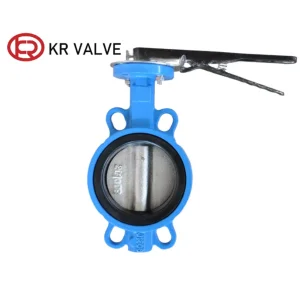
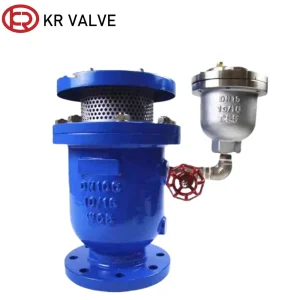
Wholesale China CARX High Speed Release Compound Exhaust Valve - Reliable Suppliers and Factory for Flange Type Solutions Supplier, Factory
View Details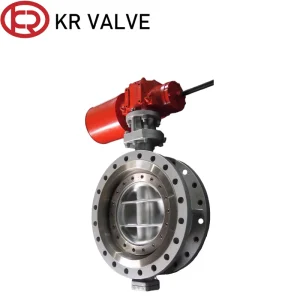
Wholesale Single acting pneumatic three eccentric butterfly valve hard seal 150LB Manufacturers, Factories
View Details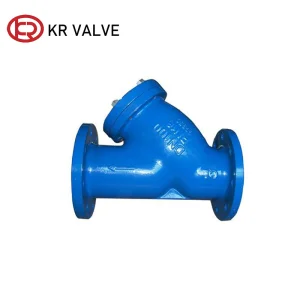
Custom China Suppliers Factory GGG40 Y-Type Strainer with SS304 Filter - Flange Type, DN50-DN300, PN16/PN25 Manufacturers, Manufacturer
View Details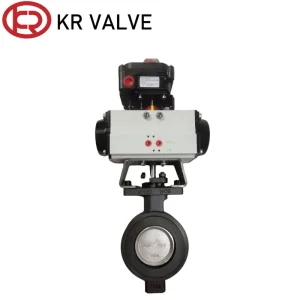
OEM Pneumatic Triple offset high performance Butterfly Valve With Positioner Manufacturer, Factory
View Details
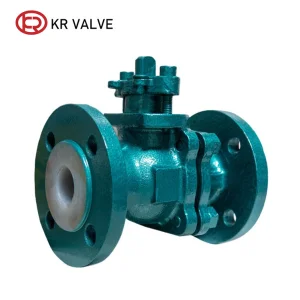
OEM Full PTFE Lined Ball Valve with Steel Body - China Suppliers & Factory | Q41F46-10/16, DN50-DN300 Supplier, Suppliers
View Details1. Paradigm Shift in Global Butterfly Valve Engineering & Supply Chains
In modern industrial fluid dynamics, the global market for butterfly valves has evolved from simple isolation devices into highly engineered, precision-throttling control systems. Modern infrastructure projects—ranging from municipal seawater desalination and mega HVAC installations to high-pressure chemical processing and district heating networks—demand valve architectures that combine low pressure drop, compact installation footprints, zero-leakage sealing, and extended lifecycle endurance.
Historically dominated by heavyweight gate valves and costly ball valves, modern piping design heavily favors concentric, double eccentric (high-performance), and triple eccentric (triple offset) butterfly valves due to their superior flow coefficient ($C_v$), reduced material mass, and adaptability to smart automated actuators (electric, pneumatic, and electro-hydraulic). Evaluating qualified butterfly valve suppliers and factory partners requires analyzing core metallurgy, advanced elastomer vulcanization, tribological stem friction management, and compliance with international standards such as API 609, ISO 5752, EN 593, and AWWA C504.
Information Gain Key Metric: Modern Triple Offset Butterfly Valves (TOBV) feature a geometry that eliminates sliding friction between the disc seat and body seat. This friction-free angular rotation extends seat lifecycle by up to 300% compared to traditional resilient-seated valves in high-frequency thermal cycling environments.
2. Kinematic Breakdown: Concentric vs. Double Offset vs. Triple Offset
Selecting the correct offset geometry prevents premature seat degradation, reduces operating torque, and guarantees total shutoff security.
Resilient Concentric Design
The stem axis and disc center align symmetrically with the valve body center. Utilizing vulcanized or cartridge EPDM/NBR/PTFE liners, concentric butterfly valves offer cost-effective, bi-directional bubble-tight shutoff (Class VI) ideal for low-pressure water systems, HVAC, and general industrial lines up to PN16/150LB.
Double Offset (High Performance)
Features two offsets: the shaft is offset behind the seat plane, and offset to one side of the pipe centerline. This camming action lifts the disc off the seat during the first few degrees of opening, dramatically reducing seal wear and enabling high-cycle modulation in steam, hydrocarbon, and chemical services up to PN25/300LB.
Triple Offset (TOBV Hard-Seal)
Adds a third offset: an inclined conical sealing axis that eliminates all rubbing action. Utilizing a metal-to-metal or laminated SS316/Graphite seal ring, TOBVs achieve zero-leakage performance under extreme thermal conditions (-196°C to +550°C), abrasive slurry media, and high-pressure ratings up to ANSI 600LB.
| Valve Type | Seat Type | Pressure Class | Temperature Range | Leakage Standard | Primary Industrial Application |
|---|---|---|---|---|---|
| Concentric Wafer/Lug | EPDM / NBR / Viton | PN6 - PN16 / 150LB | -20°C to +130°C | ISO 5208 Rate A (Bubble Tight) | Water Treatment, HVAC, Irrigation |
| PTFE Lined Concentric | PTFE / PFA over EPDM | PN10 - PN16 | -30°C to +180°C | API 598 / ISO 5208 Rate A | Corrosive Acids, Fine Chemicals, Pharma |
| Double Eccentric (D342X) | R-PTFE / SS304 Surface | PN10 - PN25 / 150LB | -40°C to +230°C | ANSI/FCI 70-2 Class VI | District Heating, Power Plants, Municipal Mains |
| Triple Offset Flange/Wafer | SS316 + Graphite / Stellite | PN16 - PN100 / 600LB | -196°C to +550°C | API 598 / ISO 5208 Rate A (Zero Leak) | Refineries, LNG Cryogenics, High Temp Steam |
3. China Factory 4.0: Supply Chain Resilience & Cost-Efficiency Advantages
Navigating global procurement requires a manufacturing partner capable of delivering consistent metallurgical precision, verified lead times, and competitive scaling. China’s primary valve manufacturing hubs—most notably the Tianjin precision valve industrial cluster—have undergone a massive transformation toward Industry 4.0 smart factory integration.
Automated Machining
Multi-axis CNC machining centers and automated horizontal boring mills ensure body face-to-face dimensions and disc sealing profiles adhere strictly to ISO 5752 and EN 558 tolerances within ±0.01mm.
Foundry Metallurgy
In-house optical emission spectrometers (OES) verify chemical compositions of Ductile Iron GGG40/GGG50, Cast Steel WCB, Stainless Steel CF8/CF8M, and Hastelloy before pouring, preventing blowholes and structural defects.
Epoxy Powder Coating
Electrostatic spray painting lines apply WRAS-approved fusion-bonded epoxy (FBE) coatings up to 300 microns thick, providing lifetime protection against aggressive soil and marine atmospheric corrosion.
100% Hydrostatic Inspection
Every single valve undergoes shell and double-seat hydrostatic pressure testing per API 598 or EN 12266-1 before packaging, ensuring complete compliance with zero-leakage requirements.
By leveraging an end-to-end supply chain—from raw sand casting to final pneumatic actuator assembly—tier-1 Chinese suppliers eliminate intermediary markups and reduce procurement lead times by up to 45% compared to European or North American valve fabricators.
4. Global Sourcing Dynamics: Matching Regional Engineering Standards
Procurement directors and project managers must navigate distinct regional compliance benchmarks when specifying butterfly valves across international borders:
North America (ANSI/AWWA Focus)
North American municipal buyers require AWWA C504 compliance for rubber-seated butterfly valves, demanding NSF/ANSI 61 and NSF 372 lead-free certifications for potable water infrastructure. Industrial projects favor ASME B16.34 wall thickness specs, ANSI 150/300 flanged dimensions, and API 607 fire-tested ratings for petrochemical valve blocks.
European Union (DIN/EN & PED Directives)
The EU market prioritizes strict compliance with the Pressure Equipment Directive (PED 2014/68/EU), CE marking, and DIN face-to-face dimensions (such as EN 558 Series 13/14/20). Potable water installations require WRAS (UK), DVGW (Germany), or ACS (France) rubber liner approvals for long-term health safety.
Middle East & GCC Region (Extreme Duty Scenarios)
Gulf Cooperation Council (GCC) desalination plants and oilfields demand heavy-duty corrosion resistance. Specifications mandate Duplex Stainless Steel (UNS S31803) or Nickel Aluminum Bronze (C95800) discs, combined with high-performance fluoropolymer liners designed to resist high salinity and ambient temperatures exceeding 50°C.
5. Material Science: Selecting Body, Disc & Seat Polymers
Correct material pairing prevents galvanic corrosion, chemical swelling, and mechanical erosion under turbulent flow conditions.
| Component | Material Options | Key Mechanical / Chemical Strengths | Recommended Fluid Media |
|---|---|---|---|
| Valve Body | Ductile Iron GGG40 / ASTM A536 Cast Steel WCB (A216) CF8M (SS316) |
High tensile strength, impact resistance, thermal stability, excellent pressure containment up to 40 bar. | Water, Raw Sewage, Natural Gas, Hydrocarbons, Corrosive Chemicals. |
| Valve Disc | Ductile Iron + Epoxy SS304 / SS316 / Duplex 2205 Al-Bronze (C95800) |
Hydrodynamic streamlined profiling reduces turbulence ($K_v$ optimization), high cavitation resistance, anti-galling properties. | Potable Water, Seawater Desalination, Brine, Demineralized Water, Slurry. |
| Elastomer Seat | EPDM (Food Grade) NBR (Nitrile) FKM (Viton) |
Superior memory resilience, ozone resistance, abrasion toughness, chemical stability against hydrocarbons and acids. | EPDM: Water/Steam (-20°C to 120°C) NBR: Oils/Gas (-10°C to 90°C) Viton: High-Temp Chemicals |
| Fluoropolymer Seat | PTFE / R-PTFE / PFA Lined | Near-zero friction coefficient, absolute chemical inertness to aggressive reagents, concentrated acids, and solvents. | Concentrated Sulfuric Acid, Solvents, Ultra-Pure Water, Pharmaceutical Fluids. |
6. Application Engineering: Sector-Specific Implementations
Custom engineering tailored to real-world industrial environments and piping mechanics.
Municipal Water & Sewage
Large-diameter double eccentric flanged butterfly valves (DN200-DN3000) equipped with electric actuators serve as main isolation valves in intake pumping stations and distribution headers. EPDM soft seating guarantees zero leakage over decades of continuous operation.
HVAC & Building Automation
Compact wafer butterfly valves integrated with modulating 4-20mA positioning actuators regulate chilled and condenser water flow in commercial chiller plants, offering linear throttling performance and minimal pressure loss.
Desalination & Marine Piping
Fully PTFE-lined or Nickel-Aluminum Bronze butterfly valves resist aggressive chloride pitting in seawater reverse osmosis (SWRO) systems, replacing costly high-alloy gate valves at a fraction of the weight and footprint.
7. Verification & Testing Standards for Critical Valve Procurement
Ensuring operational reliability requires factory acceptance testing (FAT) following established global testing frameworks. Tier-1 butterfly valve manufacturers adhere to the following quality verification procedures prior to dispatch:
API 598 / ISO 5208 Testing
Every valve undergoes shell hydrostatic testing at 1.5 times nominal pressure ($1.5 \times PN$) and high-pressure seat closure testing at $1.1 \times PN$. Gas seat testing (0.6 MPa air) verifies Class VI bubble-tight sealing integrity.
Actuator Torque Verification
Dynamic torque testing under maximum differential pressure ($\Delta P$) confirms stem safety factors (typically 1.3x to 1.5x margin) to prevent actuator stall during emergency shutdown (ESD) operation.
NDT & Coating Inspection
Critical castings undergo Radiographic (RT), Magnetic Particle (MT), and Ultrasonic (UT) non-destructive testing, alongside spark testing for epoxy coating continuity and thickness verification.
8. Frequently Asked Questions (Engineering FAQ)
Answers to common technical inquiries encountered by buyers, EPC contractors, and valve maintenance engineers.
What is the key structural difference between Wafer and Lug butterfly valves?
When should I specify a Triple Offset Butterfly Valve over a Resilient Seated valve?
How do I correctly size a butterfly valve to prevent cavitation?
What actuation options are compatible with China OEM butterfly valves?
What documentation and test certificates accompany export shipments?
Heavy Industrial & Specialty Valve Series
Complementary flow control products including check valves, Y-strainers, gate valves, and specialty ball valves manufactured to international project standards.
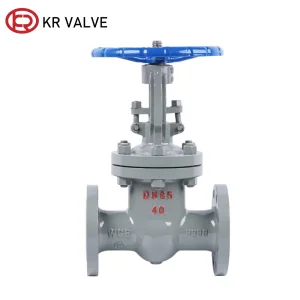
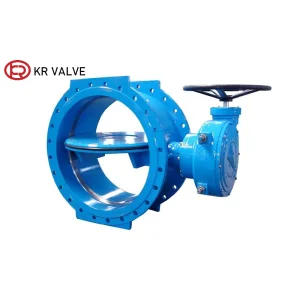
Custom Double Eccentric Butterfly Valves SS304 Sealing - China Suppliers and Factory for D342X Series Manufacturers, Factories
View Details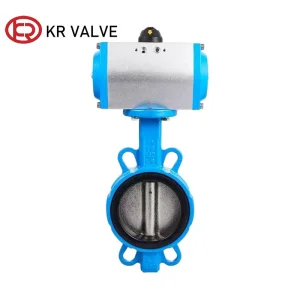
OEM Pneumatic Wafer Butterfly Valve - Double Acting, China Suppliers & Factory - DN40-DN600, PN6/PN10/PN16 Manufacturers, Factory
View Details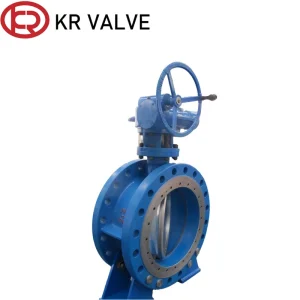
Custom Big size WCB triple offset high performance flange butterfly valve Supplier, Manufacturer
View Details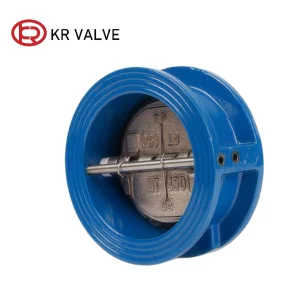
Custom Ductile Iron GGG40 Y-Type Strainer with SS304 Filter - China Suppliers Factory Direct Manufacturers, Manufacturer
View Details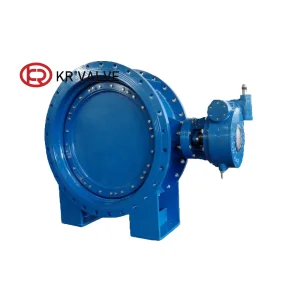
Custom China Suppliers Factory Double Eccentric Butterfly Valve PN16 Soft Sealing D342X DN200-DN3000 Manufacturers, Factories
View Details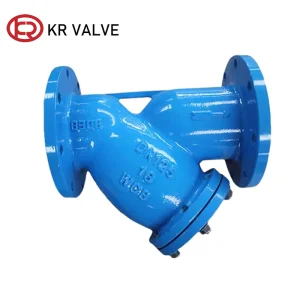
Partner with a Premier Butterfly Valve Factory
Whether you require standard wafer butterfly valves for municipal water projects or engineered triple offset valves for power plants, our engineering team provides complete technical drawings, CAD files, and competitive OEM quotations within 24 hours.
Request Technical Datasheet & Quotation