
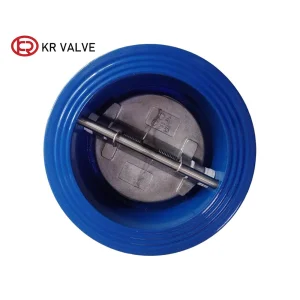
OEM Wafer Dual Disc Check Valve BS5153 Standard CI and DI Supplier
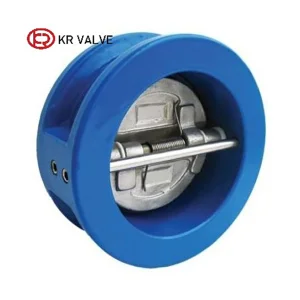
OEM One Way Valve Ductile/ Cast Iron Body CF8 Disc Factory
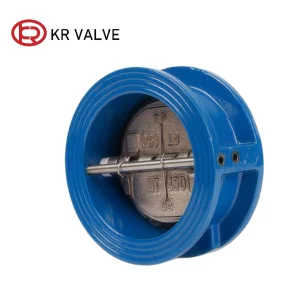
Wholesale Dual Plate Wafer Lug Check Valve 4 Inch Supplier
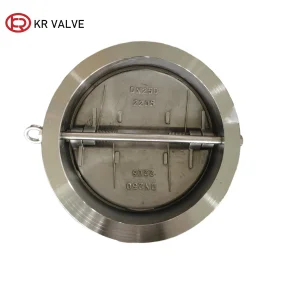
Wholesale Stainless Steel Wafer Dual Disc Check Valve AWWA C594
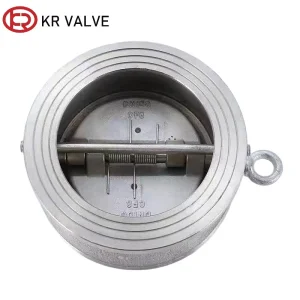
OEM Stainless Steel Dual Plate Wafer Spring Check Valve Manufacturer
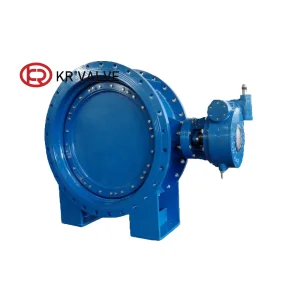
Custom Double Eccentric Butterfly Valve PN16 Soft Sealing D342X DN200-DN3000
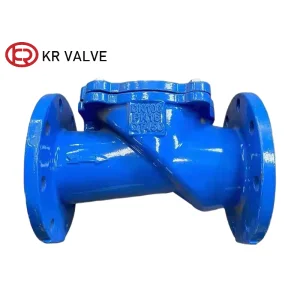
Wholesale EPDM Rubber Flap Flange Check Valve Ductile Iron Supplier
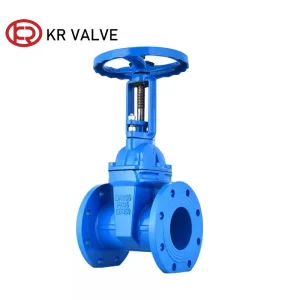
OEM DIN F5 Rising Shaft Resilient Sealing Gate Valve Supplier & Factory
Engineering Scale & Operational Precision
Providing verified E-E-A-T compliant quality, rigorous pressure testing, and direct factory supply chain optimization.
Comprehensive Engineering Guide: Wafer Type Valve Design, Metallurgy & Selection
In modern pipeline engineering, space optimization, structural weight reduction, and rapid installation efficiency have driven the widespread adoption of Wafer Type Valves. Unlike traditional double-flanged valves that rely on individual bolt circles for each matching pipe flange, wafer valves are engineered with a compact, flangeless body profile that nests directly between companion pipe flanges using standard stud bolts. As a premier China wafer type valve supplier and OEM factory, we synthesize high-grade metallurgy, finite element analysis (FEA), and precision elastomer vulcanization to deliver industry-leading flow efficiency and zero-leakage shutoff under demanding pressure differentials.
1. Mechanical Architecture & Hydrodynamic Advantages of Wafer Type Valves
The fundamental structural benefit of wafer configuration lies in its face-to-face dimensions, strictly dictated by international standards such as ISO 5752 Series 20 / EN 558 Series 20 and API 609 Category A. By eliminating bulky integrated flanges, wafer valves achieve a weight reduction of 40% to 70% compared to equivalent flanged gate or globe valves. This low mass significantly reduces line-loading stress on piping supports and expansion joints.
A. Wafer Butterfly Valve Dynamics (Concentric vs. Eccentric)
Our manufacturing matrix covers both concentric (zero-offset) resilient seated valves and double/triple eccentric metallic or soft-sealed configurations:
- Concentric Resilient Seated Wafer Valves: Engineered with the stem axis centered along both the disc centerline and body bore. The resilient seat (EPDM, NBR, or PTFE) features an integrated dual-lip perimeter seal that eliminates the requirement for separate flange gaskets during installation. The rubber sleeve is hot-vulcanized or mechanically bonded directly into the body channel, resisting high-velocity fluid displacement and vacuum conditions.
- Double Eccentric (High-Performance) Wafer Valves: Feature two distinct offsets: the stem is positioned behind the sealing plane and offset from the pipe center axis. Upon initial opening, the disc camming action immediately disengages the seal from the seat ring within 5 to 10 degrees of rotation. This dramatically minimizes seat wear, lowers running torque, and extends operating cycle life beyond 100,000 operations.
B. Wafer Check Valve Dynamics (Dual Disc Spring-Loaded & Single Plate)
In pumping stations and municipal distribution loops, hydraulic surges—commonly known as water hammer—pose catastrophic risks to turbine impellers and piping joints. Wafer dual-plate check valves mitigate fluid reversal via twin spring-loaded semicircular discs hinged on a central pivot pin. The low-inertia discs close rapidly under spring torque prior to zero fluid velocity flow reversal, suppressing reverse shock waves far more effectively than traditional swing check valves.
Engineering Insight: The Cv/Kv flow coefficient of dual plate wafer check valves is optimized using Computational Fluid Dynamics (CFD). By profiling the disc cross-section and spring tensioning, dynamic head loss across the valve is minimized, directly reducing lifecycle pumping energy expenditures.
2. Metallurgical Matrix & Elastomeric Tribology
Selecting the correct material pairing for body, disc, stem, and seat rings determines operational reliability across corrosive, high-temperature, or ultra-pure media. Below is our standard manufacturing material reference:
| Component | Standard Material Grade | International Specification Equivalent | Primary Application Environment |
|---|---|---|---|
| Valve Body | Ductile Iron GGG40 / EN-GJS-400-15 | ASTM A536 65-45-12 | Potable water, municipal sewage, HVAC chilled water, general fire lines. |
| Valve Body | Cast Carbon Steel WCB | ASTM A216 WCB / EN 10213 1.0619 | Petrochemicals, steam service, oil transmission, high-pressure industrial lines. |
| Valve Body / Disc | Stainless Steel CF8 / CF8M / CF3M | ASTM A351 / SS304, SS316, SS316L | Chemical processing, SWRO desalination, food & beverage, corrosive fluids. |
| Resilient Seat Ring | EPDM (Food Grade / High Temp) | WRAS / FDA / NSF-61 Certified EPDM | Potable water, HVAC glycol solutions, compressed air (-20°C to +120°C). |
| Resilient Seat Ring | Viton / FKM (Fluoroelastomer) | ASTM D2000 FKM | Hydrocarbons, acids, aromatic solvents, elevated temperatures (-15°C to +200°C). |
| Lined Seat Ring | Pure PTFE / RPTFE (Glass-Filled) | ASTM D4894 Polytetrafluoroethylene | Aggressive chemical slurries, high-purity pharmaceutical media, strong oxidizers. |
3. Localized Application Scenarios & Engineering Field Integration
Wafer valves function as critical flow isolation and non-return elements across diverse global industrial sectors:
A. Municipal Water Supply & Wastewater Management
In city water distribution grids, wafer resilient seated butterfly valves and dual disc check valves (PN10/PN16 rated) are installed within subterranean chambers and pumping galleries. Ductile iron bodies coated with high-build fusion-bonded epoxy (FBE) powder per EN 14901 prevent soil corrosion and tuberculation. The compact wafer footprint permits tight valve spacing inside compact vaults, reducing civil excavation expenditures.
B. Commercial HVAC & District Cooling Systems
High-rise HVAC plant rooms require thousands of control and isolation valves operating continuously. Our low-torque wafer butterfly valves feature ISO 5211 direct-mounting top flanges, allowing seamless integration with electric, pneumatic, or intelligent smart actuators. The resilient EPDM seat provides bubble-tight shutoff (Class A per ISO 5208), preventing energy loss across bypassed chiller units.
C. Seawater Reverse Osmosis (SWRO) Desalination
Desalination facilities operate in hypersaline marine environments where standard cast irons suffer rapid pitting and crevice corrosion. We manufacture specialized wafer valves utilizing Super Duplex Stainless Steel (2507 / CE3MN) or Nickel-Aluminum Bronze (ASTM B148 C95800) internal trim, engineered to withstand high chloride concentrations at working pressures up to 40 bar.
D. Chemical & Petrochemical Processing
For aggressive acid lines, caustic soda production, and refining processes, our split-body full-PTFE lined wafer butterfly valves isolate metallic components completely from media contact. The PFA/PTFE liner covers both the inner body bore and the disc shaft, offering total corrosion resistance and zero contamination risk.
China Factory Advantage & Industry 4.0 Technology Roadmap
Integrating advanced foundry capabilities, automated CNC machining, and digitized quality verification for direct global export.
Automated CNC Machining
Multi-axis CNC turning and boring centers ensure machining tolerances within ±0.01mm, ensuring exact stem concentricity, lower operating torque, and extended seat rubber lifespan.
Strict Quality Control (100% Inspection)
Every single valve undergoes shell hydrostatic testing at 1.5x working pressure and seat closure pressure testing at 1.1x PN per ISO 5208 and API 598 prior to export packaging.
Integrated Foundry Ecosystem
Located in China's prime industrial valve manufacturing cluster (Tianjin), our supply chain integrates raw material casting, rubber formulation, electrostatic FBE coating, and export shipping in one seamless stream.
Technical Roadmap: Smart Actuation & Decarbonization
As global infrastructure shifts toward automated digitalization and net-zero carbon targets, our product roadmap centers on three pivotal engineering innovations:
- IoT-Enabled Smart Positioners & Acoustic Sensor Integration: Developing wafer valves with embedded acoustic emission sensors capable of detecting micro-cavitation and seat leakage in real-time, transmitting predictive maintenance analytics directly to cloud SCADA platforms.
- Hydrodynamic Low-Drag Disc Geometries: Utilizing AI-assisted topology optimization to redesign butterfly valve disc thickness profiles, reducing flow resistance (K-factor) by 14% and minimizing hydraulic pressure drops across district heating networks.
- Fugitive Emissions Sealing Compliance: Upgrading stem packing systems to meet ISO 15848-1 Class AH leak tightness standards, catering to volatile chemical transport and hydrogen-blended gas infrastructure.
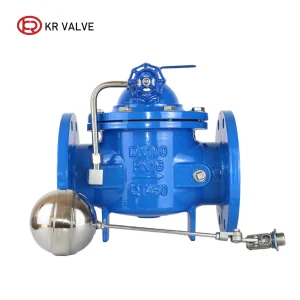
Custom China 100X Hydraulic Control Diaphragm Remote Float Valve PN16/PN25
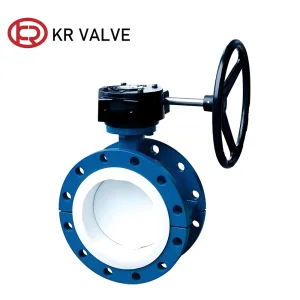
Custom Ductile Iron Split Body Full PTFE Butterfly Valve DN40-DN2000
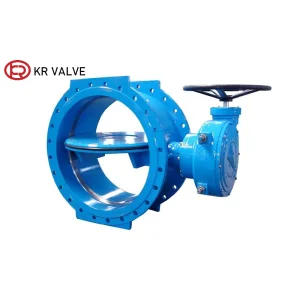
Custom Double Eccentric Butterfly Valve SS304 Sealing D342X Series
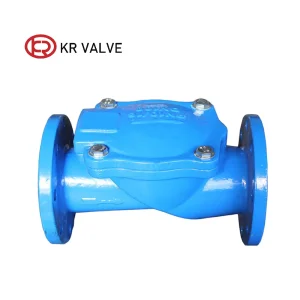
Wholesale Rubber Flap Check Valve NBR Disc 4 Inch Factory
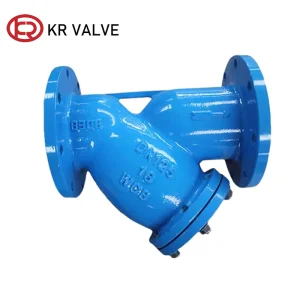
Wholesale Flanged Y Type Strainer Basket Filter WCB Material Supplier
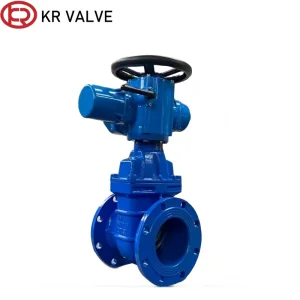
Custom Electric Gate Valve Ductile Iron EPDM Seal Manufacturer
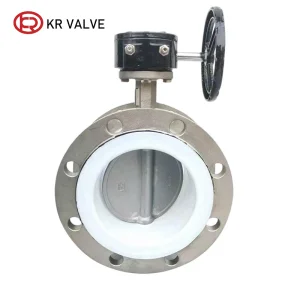
Stainless Steel PTFE Seat Flange Butterfly Valve DN40-DN2000
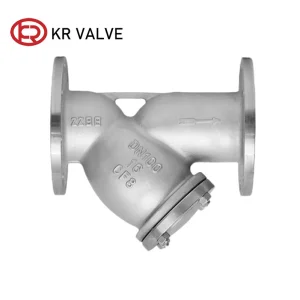
Wholesale CF8 Stainless Steel ANSI Flanged Y Type Strainer Manufacturer
Engineering & Procurement FAQ
Detailed technical responses to common questions raised by EPC contractors, procurement engineers, and global valve distributors.
What is the exact distinction between Wafer, Lug, and Flanged type valve connections?
Wafer Type: Designed to sandwich cleanly between companion pipe flanges using long all-thread studs. It has positioning holes (not threaded) matching flange bolt circles. It is the lightest, most economical option, but cannot be used for dead-end piping service unless supported downstream.
Lug Type: Features threaded metal lugs protruding around the exterior perimeter. Companion flange bolts thread into both sides of the lugs, allowing downstream piping to be disconnected for maintenance while maintaining upstream pressure isolation (dead-end service).
Double Flanged Type: Has integral, heavy cast flanges on both sides of the valve body, designed to bolt directly to matching pipe flanges with individual standard bolts. Ideal for large bores (DN300+) or high structural vibration lines.
How do I calculate breakaway operating torque for Wafer Butterfly Valves?
Breakaway torque ($T_{break}$) is governed by three primary variables: seat friction interference torque ($T_{seat}$), dynamic fluid hydrodynamic torque ($T_{hydro}$), and packing/bearing friction torque ($T_{bearing}$). The empirical formula used by our engineers is:
T_total = (T_seat + ΔP × A_disc × μ_bearing) × Safety Factor (1.2 to 1.5)
When selecting pneumatic or electric actuators for high-differential pressure ($\Delta P$), always apply a minimum 25-30% engineering safety margin above the manufacturer's wet torque rating to accommodate seating dwell times and particulate scaling.
What international manufacturing & pressure standards do your wafer valves comply with?
Our Tianjin factory manufactures wafer valves certified under a broad spectrum of international regulatory frameworks:
- Face-to-Face Dimensions: ISO 5752 Series 20, EN 558 Series 20, API 609 Category A, BS 5155.
- Flange Accommodation: Universal drilling matching EN 1092-2 (PN10/PN16/PN25), ASME B16.5 (Class 150/Class 300), and JIS B2220 (10K/16K).
- Pressure Testing & Inspection: ISO 5208 (Rate A zero-leakage), API 598, EN 12266-1.
- Drinking Water Approvals: WRAS (UK), DVGW (Germany), FDA-compliant elastomeric seat compounds.
Why choose a Dual Disc Wafer Check Valve over a traditional Swing Check Valve?
Wafer dual disc check valves provide superior hydraulic performance in three key areas: Weight: Up to 80% lighter than heavy flanged swing check valves. Water Hammer Mitigation: Torsion springs trigger disc closure immediately when flow decelerates, shutting the valve before reverse flow velocity accelerates. Installation Flexibility: Can be installed in both vertical (upward flow) and horizontal pipelines without gravity orientation constraints.
What documentation and third-party inspection reports are provided with OEM orders?
Every shipment is accompanied by a full Quality Assurance Dossier, including EN 10204 3.1 Material Test Reports (MTRs), Hydrostatic Pressure Test Certificates, FBE Coating Thickness Verification Reports, and Certificate of Origin. We regularly host third-party inspection teams such as SGS, TÜV, Bureau Veritas (BV), and DNV for project FAT (Factory Acceptance Testing).
Partner with a Certified Wafer Valve Manufacturer
Request comprehensive CAD drawings, 3D STEP models, technical datasheets, or factory direct price quotations for your upcoming pipeline projects.
Contact Our Valve Engineering Team