
Featured Hydraulic Water Control Valves & Accessories
Explore our core engineering product line manufactured to ISO, DIN, ANSI, and BS standards for global pipeline infrastructure.
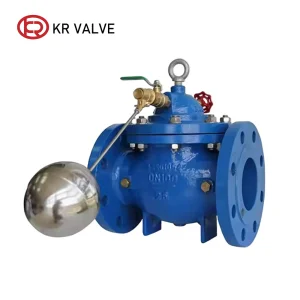
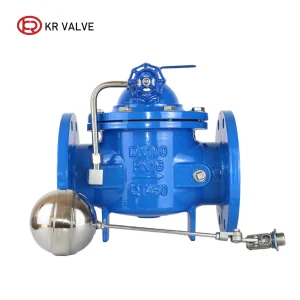
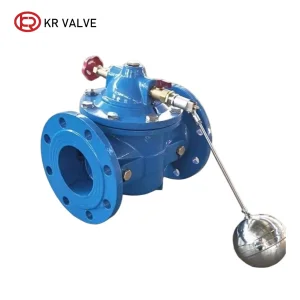
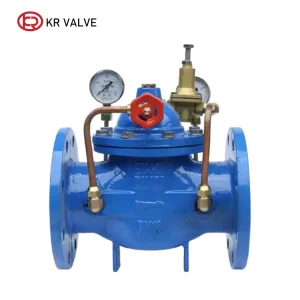
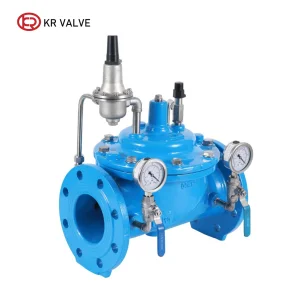
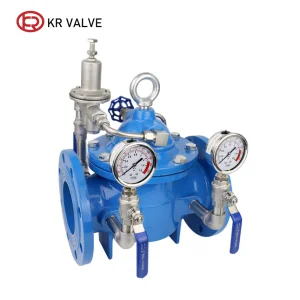
Diaphragm-Operated Hydraulic Water Control Valves
Understanding the Fluid Dynamic Physics, Pressure Regulation Hydrodynamics, and Cavitation Mitigation Mechanics
Hydraulic Pilot Architecture
Utilizes medium pressure within the line to actuate diaphragm chambers without external power sources. Precision needle valves and pilot controls balance upper control chamber pressure to modulate opening ratios down to millibar accuracy.
Cavitation Index & Trim Dynamics
Calculated against critical cavitation ratios (σ). Engineered with multi-stage slotted anti-cavitation cages to dissipate kinetic kinetic energy, eliminating sonic vibration and seat erosion in extreme delta-P applications.
Elastomer & Diaphragm Integrity
Constructed using high-tensile EPDM embedded with multi-ply nylon cord reinforcement. Engineered to endure over 100,000 continuous flexing cycles without hysteresis, tearing, or permanent deformation under PN25 operating stresses.
Technical Principle Note: Hydro-Kinetic Flow Balance
In pilot-operated water control valves (such as the 100X Remote Float Valve and 200X PRV), flow control relies on Pascal's Principle applied to differential surface areas. The top surface area of the diaphragm is larger than the valve seat area below. When water is trapped in the upper chamber via the pilot line, the downward force exceeds the line pressure below, sealing the valve bubble-tight. Bleeding the upper chamber allows pipeline pressure to lift the stem effortlessly.
Industrial & Infrastructure Flow Solutions
Tailored Valve Architectures Engineered for High-Stakes Municipal, Commercial, and Industrial Water Distribution Systems
Municipal Water Networks & District Metering (DMA)
Integrated with 200X Pressure Reducing Valves to eliminate non-revenue water (NRW) loss due to high night-time static pressures. Maintains stable downstream pressure regardless of fluctuating municipal demand, preventing main breaks and pipeline fatigue across urban distribution zones.
High-Rise HVAC & Commercial Plumbing Pressure Staging
High-rise vertical plumbing systems experience significant static head pressure at lower floors. 200X PRVs and 500X Pressure Relief Valves create precise pressure zones, protecting fixtures, reducing water hammer noise, and enabling smooth break-tank water replenishment via 100X Remote Float Controls.
Power Generation & Heavy Industrial Process Cooling
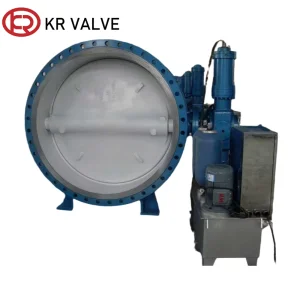
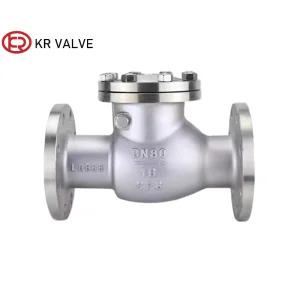
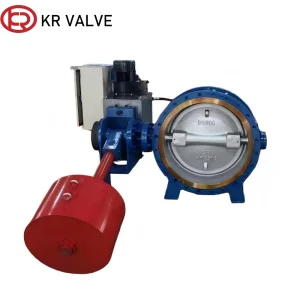
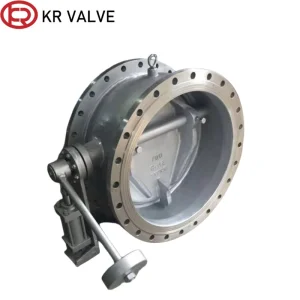
Demanding industrial plants require micro-resistance slow-closing check valves and heavy-hammer hydraulic butterfly valves to protect multi-megawatt cooling pumps. Rapid reverse flow shutoff eliminates surge waves and protects capital equipment from catastrophic hydraulic shock.
Wastewater Management & Slurry Transport
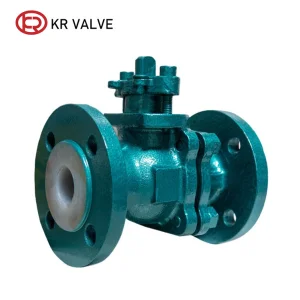
Engineered with full PTFE-lined ball valves and full-bore resilient seat gate valves designed to withstand aggressive chemicals, suspended solids, and bio-corrosive industrial effluents without jamming, scaling, or seat leakage.
China Factory 4.0: Supply Chain Resilience & Precision
How KR Valve (Tianjin) Leverages Integrated Metallurgical Foundry Control, Automated Machining, and 100% Hydrostatic Inspection
Ductile Iron GGG50 Casting
Utilizes lost-foam casting and electric induction furnaces to ensure high tensile strength (≥500 MPa) and elongation (≥7%). Eliminates blowholes and micro-porosity to maintain mechanical strength under PN25 hydro-shocks.
Fusion Bonded Epoxy (FBE) Coating
Electrostatic powder coating applied internally and externally to AWWA C550 and WRAS standards (minimum thickness 250-300 microns). Prevents tuberculation, internal scale buildup, and chemical oxidation.
100% Dual Testing Rig
Every valve undergoes shell hydrostatic testing at 1.5× PN rating and seat leakage testing at 1.1× PN rating to ISO 5208 Rate A. Zero-leakage compliance before packing and container loading.
Global Enterprise Selection Matrix
Comprehensive Material Specifications, Flange Dimensions, and Pressure Classes for B2B EPC Buyers
| Valve Type Series | Available Size Range | Nominal Pressure Rating | Body Material Options | Applicable Standards | Primary Industrial Duty |
|---|---|---|---|---|---|
| 100X Remote Float Valve | DN40 – DN800 (1.5" - 32") | PN10 / PN16 / PN25 | Ductile Iron GGG50 / Cast Steel WCB | BS EN 1092-2, DIN F4/F5, ANSI B16.5 | Tank level management, reservoir overflow protection |
| 200X Pressure Reducing Valve | DN50 – DN1000 (2" - 40") | PN16 / PN25 / Class 150 | Ductile Iron GGG50 / SS304 / SS316 | AWWA C530, EN 1092-2, ISO 7005-2 | District Metered Areas (DMA), zone pressure regulation |
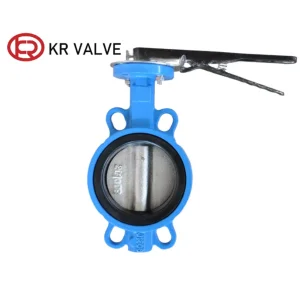
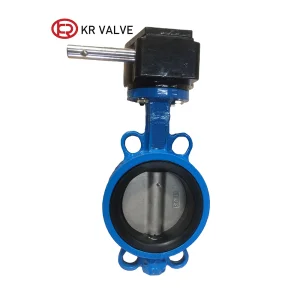
| Concentric Wafer Butterfly Valve | DN40 – DN600 (1.5" - 24") | PN10 / PN16 / Class 150 | Cast Iron GGG40 / Ductile Iron EPDM Seat | API 609, BS5155, ISO 5752 | HVAC chilled water, general isolation, municipal water |
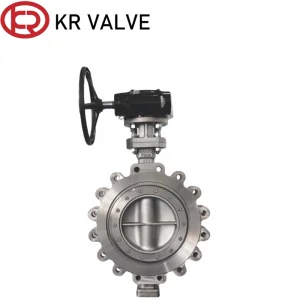
| Triple Eccentric Lug Butterfly Valve | DN80 – DN1200 (3" - 48") | PN16 / PN25 / PN40 | Metal-to-Metal SS316 Trim / WCB Body | API 609, EN 593, ASME B16.34 | High-temperature steam, oil & gas transmission, severe service |
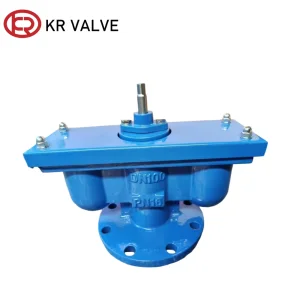
| Double Port Air Evacuation Valve | DN50 – DN300 (2" - 12") | PN10 / PN16 / PN25 | Ductile Iron Body / Stainless Steel Floats | EN 1074-4, ANSI/AWWA C512 | Pipeline air release, anti-vacuum air surge protection |
| Full PTFE Lined Ball Valve | DN15 – DN300 (0.5" - 12") | PN10 / PN16 / Class 150 | WCB / SS304 Body + FEP/PTFE Lining | HG/T 21562, ASME B16.10, DIN 3202 | Aggressive acids, chemical processing, ultra-pure water |
Smart Water Grids & Next-Gen Valve Intelligence
How Modern Fluid Automation Is Transitioning from Passive Hydraulics to IoT Digital-Twin Connected Valves
IoT SCADA Telemetry Pilots
Integrating 24V DC low-power solenoid pilots and smart sensors. Enables remote municipal operators to modulate downstream pressure schedules digitally based on real-time consumption algorithms via LoRaWAN/NB-IoT.
Self-Powered Energy Harvesting
Integrating micro hydro-turbines within the valve bonnet to convert differential pressure energy into continuous electrical power. Powers onboard sensors, data loggers, and wireless transceivers without external grid connections.
Advanced Composite Materials
Pioneering nanotechnology diaphragm elastomers and self-lubricating bronze-graphite bushings. Extends seal lifespan to over 20 years without replacement while withstanding aggressive chemical disinfectants like chlorine dioxide.
International Compliance & OEM Engineering Support
Ensuring Seamless Project Approval and Localized Regulatory Compliance for Global Pipeline Contractors
Global Certification Standard Compliance
KR Valve products adhere to international potable water and pressure vessel directives. Full compliance with WRAS (UK), NSF/ANSI 61 (USA), CE PED 2014/68/EU (Europe), ISO 9001:2015, and ISO 14001 certification standards.
Custom OEM & Mixed-Category Shipping
Custom branding, specialized paint coating systems (C4/C5 marine grade for desalination plants), tailored end flange drilling (JIS, ANSI, DIN), and consolidated container shipping for multi-valve procurement.
Complete Flow Control System Catalog
Explore our wide selection of heavy-duty check valves, PTFE-lined ball valves, and triple eccentric butterfly valves.
Engineering FAQ & Technical Procurement Knowledge
Expert Guidance for Pipeline Consulting Engineers, Water Utility Directors, and Procurement Officers
How does a 200X Pressure Reducing Valve (PRV) maintain constant downstream pressure despite inlet pressure fluctuations?
The 200X Pressure Reducing Valve utilizes a high-sensitivity needle pilot control circuit to sense downstream line pressure automatically. When downstream pressure drops below the pre-set spring tension on the pilot, the pilot opens, releasing water from the main valve's upper diaphragm chamber. This allows upstream pressure to lift the stem, increasing flow. Conversely, when downstream pressure rises above the setpoint, the pilot closes, trapping water in the upper chamber to gently throttle the main diaphragm downwards. This self-contained hydraulic feedback loop operates continuously without requiring electricity or external control signals.
What is the difference between a 100X Remote Control Float Valve and a standard mechanical float valve?
Standard mechanical float valves rely on long lever arms and large floats to shut off high-line pressure directly, making them bulky, prone to mechanical fatigue, and susceptible to severe water hammer. The 100X Remote Control Float Valve uses a small, remote-mounted ball float pilot connected to the main valve via a small copper or stainless steel tube. The main diaphragm valve does all the heavy mechanical closing hydraulically. This allows smooth, adjustable water level control in high-capacity tanks and reservoirs while preventing pressure surge waves in the supply mains.
Why is Ductile Iron GGG50 preferred over Grey Cast Iron GG25 for water control valves?
Ductile Iron (GGG50 / EN-GJS-500-7) contains nodular graphite microstructures that provide significantly higher tensile strength (≥500 MPa vs ≥250 MPa for GG25) and superior elongation properties (≥7%). This metallurgical advantage allows GGG50 valves to withstand severe pressure surges, water hammer shockwaves, and ground shifting without cracking. Additionally, GGG50 provides higher ductility, enabling lighter valve body castings with higher PN16/PN25 pressure safety factors.
How can engineers prevent cavitation damage when specifying water control valves for high differential pressure applications?
Cavitation occurs when fluid pressure drops below the vapor pressure of water ($P_v$) across the valve seat, forming micro-bubbles that implode violently downstream. To prevent cavitation damage:
1. Calculate the cavitation index $\sigma = (P_2 - P_v) / (P_1 - P_2)$. If $\sigma < 1.5$, single-stage valves will cavitate.
2. Install dual 200X PRVs in series to drop pressure incrementally in stages.
3. Specify an anti-cavitation trim package featuring slotted stainless steel cages that split the flow into multiple micro-jets, shifting implosion waves safely away from the valve body wall and seat seal.
What international testing standards and quality certificates are provided with KR Valve shipments?
Every valve manufactured at our Tianjin facility undergoes 100% factory inspection prior to packaging. We supply official EN 10204 3.1 Material Test Certificates, Hydrostatic & Pneumatic Seat Test Reports conforming to ISO 5208 Rate A / EN 12266-1, WRAS/NSF 61 compliance certificates for potable water contact, and CE PED declaration certificates for European pressure equipment compliance.