Featured Industrial Valve Configurations
Direct factory supply of certified flow control valves engineered to ISO, DIN, BS, and ANSI international standards for municipal water grids, chemical processing, and energy infrastructure.
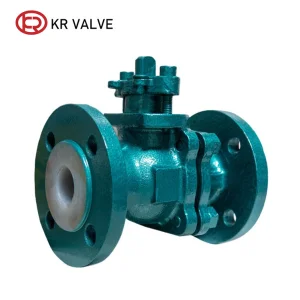
OEM Full PTFE Lined Ball Valve with Steel Body
View Product Specs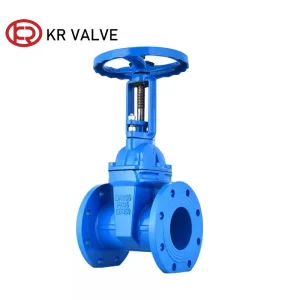
OEM DINF5 Rising Shaft Resilient Sealing Gate Valve - Z41X Series
View Product Specs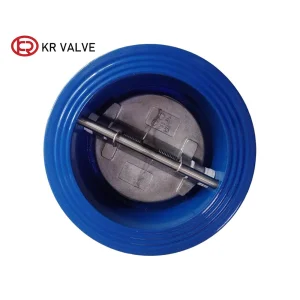
H71X-10/16 Wafer Dual Disc Check Valve BS5153 Standard
View Product Specs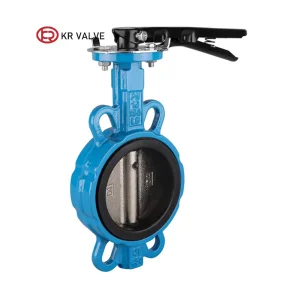
Wafer Butterfly Valve DN100 Concentric Resilient Seated
View Product Specs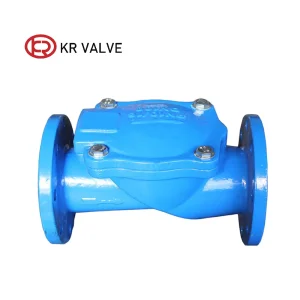
Rubber Flap Check Valve NBR Disc 4 Inch Ductile Iron
View Product Specs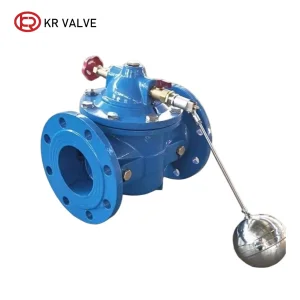
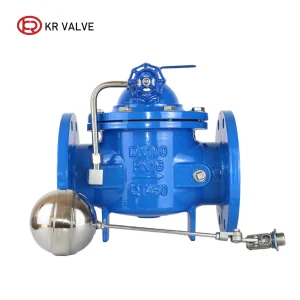
Ductile Iron Hydraulic Ball Remote Float Valve - 100X Series
View Product Specs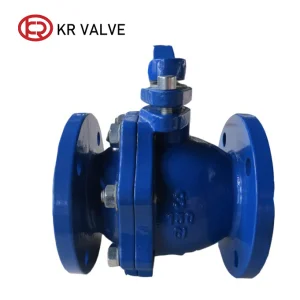
Custom Ductile Iron Flange Ball Valve with PTFE Seat
View Product Specs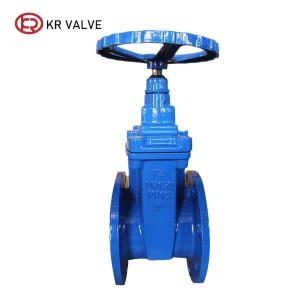
OEM DIN F4 Standard Gate Valve Resilient Seated Handwheel
View Product SpecsThe Global Industrial Landscape of Advanced Flow Control Systems
Analyzing international infrastructure modernization, process engineering demands, and the critical role of high-reliability manufacturing ecosystems.
In the contemporary global industrial ecosystem, liquid and gas conveyance networks form the foundational nervous system of modern civil infrastructure, municipal distribution, energy extraction, and chemical refining. As mega-infrastructure developments expand across Europe, North America, the Middle East, and Southeast Asia, the global industrial valve market is experiencing a profound paradigm shift. Modern engineering procurement programs no longer evaluate valves simply as passive mechanical hardware; today, they are categorized as mission-critical assets responsible for system efficiency, fugitive emission prevention, and process safety under extreme operational pressures.
Rapid urbanization, coupled with stringent environmental regulations such as ISO 15848-1 fugitive emission standards and WRAS/NSF drinking water hygienic compliance, has forced EPC (Engineering, Procurement, and Construction) contractors to seek out manufacturing partners capable of delivering verified metallurgical integrity. Key market drivers include the acceleration of seawater desalination plants, high-rise district HVAC efficiency optimization, municipal wastewater retrofitting, and cross-border oil and natural gas pipeline expansions.
SEO & Engineering Insight: Search intent among industrial valve buyers has evolved from generic product discovery to specification-driven technical queries (e.g., "DN500 PN64 metal-seated sluice valve torque parameters" or "PTFE lined ball valve chemical compatibility vs PFA"). Manufacturing transparency and precise specification match are now key to securing global supply contracts.
Furthermore, operational bottlenecks caused by pressure transients, cavitation damage, and rapid seat erosion cost process industries billions annually in unplanned downtime. Consequently, top-tier engineering organizations prioritize valve factories that combine automated foundry precision with sophisticated non-destructive testing (NDT), precise CNC machining tolerances, and full digital batch traceability.
Precision Engineering, Sealing Mechanics & Metallurgy
Comprehensive technical analysis of valve structural geometry, elastomeric vs metallic seating dynamics, and material performance under severe fluid service.
Resilient vs. Hard Metal Seating
Resilient seating utilizes vulcanized EPDM, NBR, or fully lined PTFE to guarantee zero-leakage (Bubble-Tight Class VI) in water, vacuum, and corrosive chemical handling. Hard metal-to-metal seating (Bronze, SS304/SS316, Stellite surfacing) offers superior thermal stability up to 425°C and resistance against abrasive slurry micro-scouring.
Ductile Iron GGG40 vs Cast Iron GG25
Ductile iron (Nodular Iron GGG40 / EN-GJS-400-15) delivers high tensile strength (400 MPa) and superior elongation properties compared to traditional gray cast iron GG25. This prevents body cracking caused by thermal shock, hydraulic water hammer, and external piping bending moments in underground distribution mains.
Hydraulic Flow Dynamics & Low Cv Loss
By optimizing interior valve body geometries—such as full-bore resilient gate valve passage and streamlined dual-disc check valve contours—head loss is minimized. Lower hydrodynamic drag directly translates into reduced pumping energy consumption across long-distance fluid transmission networks.
| Valve Category | Primary Standards | Body Materials | Sealing Options | Pressure Class | Core Application |
|---|---|---|---|---|---|
| Resilient Gate Valve | DIN F4/F5, BS5163, AWWA C509 | Ductile Iron GGG40 / GGG50 | EPDM / NBR Encapsulated Wedge | PN10 / PN16 / PN25 | Municipal Water Distribution, Fire Protection |
| Concentric Butterfly Valve | ISO 5752, EN 593, API 609 | CI GG25, DI GGG40, WCB | EPDM, NBR, Viton, PTFE Seat | PN6 / PN10 / PN16 | HVAC, Water Treatment, Compact Piping |
| Dual Disc Check Valve | BS5153, API 594 | Cast Iron, Ductile Iron, Stainless Steel | NBR, EPDM, SS304 / Metal Seat | PN10 / PN16 / Class 150 | Pumping Stations, Backflow Prevention |
| PTFE Lined Ball Valve | HG/T 3704, ASME B16.34 | WCB Cast Steel, Stainless Steel | Full PTFE / PFA Virgin Lining | PN10 / PN16 / Class 150 | Aggressive Acids, Alkalis, Chemical Lines |
| Hydraulic Control Valve | CJ/T 219, JB/T 10674 | Ductile Iron GGG40 | Stainless Steel Trim + EPDM Diaphragm | PN16 / PN25 | Pressure Reduction (200X), Float Control (100X) |
Localized Application Scenarios & Industrial Integration
Tailored flow control solutions engineered to overcome regional operating environments, extreme fluid temperatures, and harsh media compositions.
1. Municipal Water Grids & Desalination
In coastal seawater reverse osmosis (SWRO) facilities and urban potable water networks, corrosion resistance is paramount. Resilient seated DIN F5 gate valves and double eccentric butterfly valves with epoxy powder coating (250 microns min) ensure zero water contamination and multi-decade service without bio-fouling or seal degradation.
2. Commercial High-Rise HVAC & District Cooling
High-rise skyscrapers require precise pressure zone regulation. The 200X hydraulic control pressure reducing valve dynamically modulates downstream pressure regardless of inlet fluctuation, protecting terminal chillers and heat exchangers from over-pressurization while eliminating water hammer noises.
3. Chemical Refining & Aggressive Fluids
Handling concentrated acids, chlor-alkali solutions, and organic solvents demands absolute chemical inertness. OEM Full PTFE lined ball valves and PTFE seated D71X butterfly valves isolate corrosive media entirely from the metallic outer body, preventing structural pitting and fugitive stem leakage.
China Factory Supply Chain Resilience & Production Advantage
How vertical integration, advanced metallurgy clusters in Tianjin, and strict quality control deliver unmatched reliability and cost-efficiency to international buyers.
China's industrial valve manufacturing sector—centered around specialized precision engineering hubs like Tianjin—offers global buyers an unparalleled combination of scale, speed, and technical versatility. Over two decades of continuous infrastructure investment have fostered a fully integrated industrial supply ecosystem. Raw material sourcing, resin-sand casting foundries, high-precision multi-axis CNC machining, electrostatic epoxy powder coating lines, and automated pressure testing benches exist within tight geographical clusters.
Vertical Material Traceability
From raw pig iron and recycled stainless steel scrap to finished valve casting, spectrographic material analysis ensures exact elemental chemistry matching ASTM A536, WCB, CF8, and GGG40 standards. Mill Test Certificates (EN 10204 3.1) accompany every production lot.
Agile OEM Customization
Our engineering centers accommodate non-standard face-to-face dimensions, customized stem extensions for buried service, specialized actuator mounting pads (ISO 5211 direct mount), and specific paint thickness specifications for aggressive marine environments.
Rapid Lead-Time Management
By leveraging digitized ERP inventory control and standardized component modularity, production lead-times for large-diameter municipal gate and butterfly valves (up to DN1200) are reduced by 30-40% compared to Western manufacturing counterparts.
This vertical integration directly mitigates global supply chain disruptions. When international project schedules demand fast delivery without compromising quality, our facility executes 100% hydrostatic shell and seat testing in accordance with API 598 and EN 12266-1 standard protocols before export packing.
Valve Technology Roadmap & Future Industrial Outlook
Exploring smart valve actuation, IoT-driven predictive diagnostics, zero-emission stem packing, and sustainable manufacturing trends driving the next decade of fluid control.
1. IoT Smart Actuation & Remote Monitoring
The integration of smart positioners, acoustic leak detection sensors, and Modbus/PROFIBUS communication protocols into electric and hydraulic control valves empowers plant operators to perform real-time predictive maintenance, detecting seat wear prior to critical system failure.
2. Low-Fugitive Emission Stem Sealing
Environmental compliance mandates zero chemical leakage to atmosphere. Future valve architectures adopt live-loaded graphite stem packing rings and dual O-ring barrier configurations certified under ISO 15848-1 Class AH, protecting surrounding environments from VOCs.
3. Advanced Polymer Coatings & Additive Metallurgy
Innovations in thermal spray aluminum coatings, high-density PFA lining techniques, and selective 3D metal printing for internal valve trims enhance resistance to severe cavitation and high-concentration hydrochloric acid exposure.
Localization Support & International Quality Compliance
Rigorous international certification standards, localized engineering documentation, and end-to-end quality guarantees for seamless project execution.
Navigating localized regulatory landscapes across diverse international jurisdictions requires more than standardized product manufacturing. Global EPC engineering teams demand comprehensive documentation packages, bilingual technical submittals, and verified compliance with local water authority or industrial codes.
Compliance Standard Assurance: All manufactured valve products undergo stringent verification protocols including ISO 9001 Quality Management System auditing, CE PED 2014/68/EU Pressure Equipment Directive marking, WRAS approval for UK water contact, and API 6D / API 609 manufacturing compliance.
Our localized support service includes customized flange drilling alignment (ANSI B16.5 Class 150/300, EN 1092-2 PN10/PN16/PN25, JIS 10K/16K), specialized tropicalized export wood packaging, sea-freight anti-rust coating application, and on-site or digital commissioning guidance for overseas installation crews.
Frequently Asked Technical & Procurement Questions
Direct answers to key technical, material selection, and ordering queries encountered by industrial valve buyers.
How do I select between a Wafer, Lug, and Flanged Butterfly Valve?
Wafer butterfly valves are clamped between pipe flanges and offer the lightest weight and lowest cost, ideal for inline water service. Lug butterfly valves feature threaded bolt holes, permitting dead-end service and downstream pipe disconnection under full line pressure. Flanged butterfly valves feature double flanges for optimal structural rigidity, preferred for large diameter mains (DN300+).
What are the distinct advantages of a Resilient Seated Gate Valve over Metal Seated?
Resilient seated gate valves utilize an elastomeric EPDM/NBR encapsulated wedge that absorbs debris and flexes to form a 100% bubble-tight seal (Class VI). They feature a smooth, non-recessed full-bore bottom that prevents sediment trap buildup. Metal seated gate valves are selected for high-temperature service (>120°C) or abrasive media that would cut rubber seals.
Why choose a PTFE Lined Ball Valve for chemical processing?
Polytetrafluoroethylene (PTFE) and PFA linings provide near-universal chemical inertness against concentrated nitric acid, sulfuric acid, and strong organic solvents. Lining the interior cast steel body with virgin PTFE provides chemical resistance comparable to exotic alloys (Hastelloy or Titanium) at a fraction of the capital cost.
How does a Dual Disc Check Valve prevent water hammer?
Dual disc (double door) check valves incorporate torsional springs that force the two semi-circular discs shut prior to flow reversal. This spring-assisted fast closure closes the valve before fluid back-velocity builds up, dramatically reducing hydraulic pressure surges (water hammer) that damage upstream pumps.
What hydrostatic pressure tests are performed before shipment?
Every valve undergoes two primary tests per API 598 or EN 12266-1: Shell Hydrostatic Test at 1.5 times nominal cold working pressure (PN) to verify structural casting integrity, and Seat Leakage Test at 1.1 times PN to confirm zero leakage across the sealing face.
Can you provide custom OEM branding and specialized flange dimensions?
Yes. We offer complete OEM services including custom body casting logos, client-specific tag numbers, specialized epoxy colors (RAL shades), and custom face-to-face dimensions to match existing legacy piping replacement projects.
Heavy-Duty & Specialized Industrial Valve Solutions
High-pressure, large-diameter, and high-temperature specialty valves direct from our manufacturing facilities.
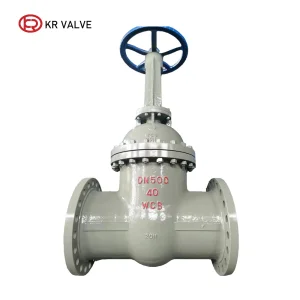
PN64 DN500 Big Size Gate Sluice Valve Metal Seated Z41H-64C
View Product Specs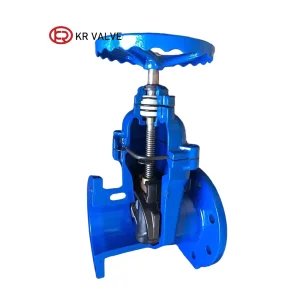
Resilient Seat Gate Valve BS5163 Standard 4 Inch
View Product Specs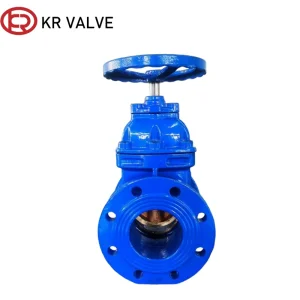
GGG40 Bronze Seat Hard Seal Flange Gate Valve
View Product Specs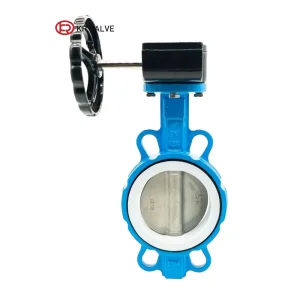
PTFE Seat Butterfly Valve D71X Series Concentric Resilient
View Product Specs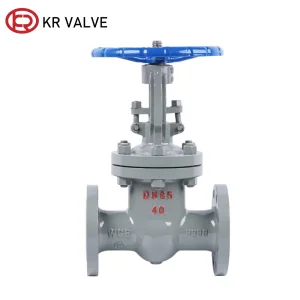
High-Temperature WCB Metal Seated Gate Valve ANSI 150LB
View Product Specs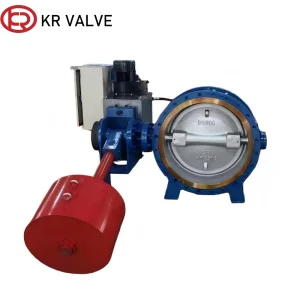
Double Eccentric Hydraulic Control Butterfly Valve PN16 EPDM
View Product Specs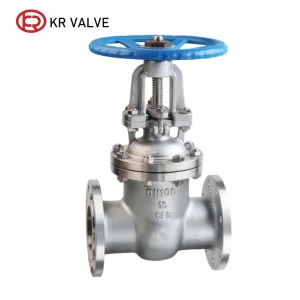
High Pressure CF8 Gate Valve DN100 Metal to Metal Seat
View Product Specs