Featured Resilient Seated Gate Valves (Part I)
Explore our core certified non-rising stem and rising stem soft-sealed gate valves built to BS5163, DIN F4, DIN F5, and international municipal pipeline standards.
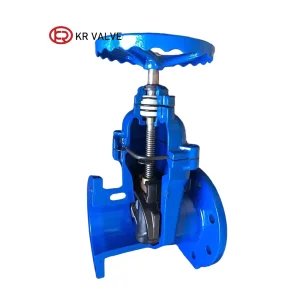
Custom Resilient Seat Gate Valve BS5163 Standard 4 Inch
View Product Specs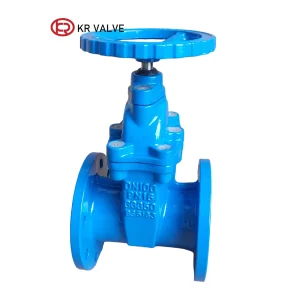
OEM Non Rising Stem EPDM Soft Seal Gate Valve DIN F5 Standard
View Product Specs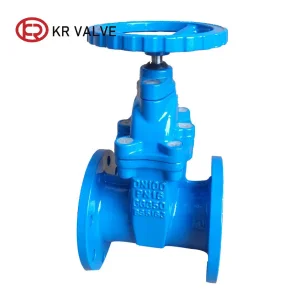
Wholesale BS5163 Gate Valve Soft Seal With Brass Stem Nut
View Product Specs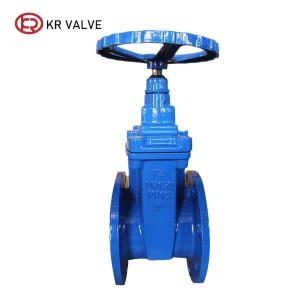
Wholesale DIN F4 Standard Gate Valve Handwheel Operation
View Product Specs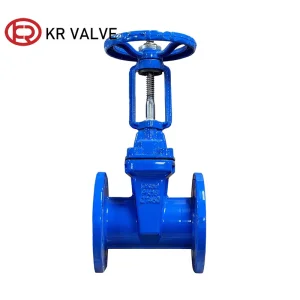
OEM Rising Stem Gate Valve Ductile Iron Body & EPDM Seat
View Product Specs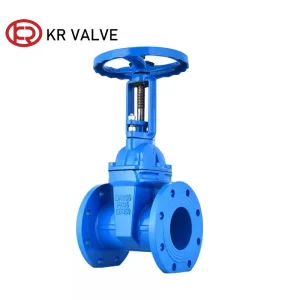
OEM DIN F5 Rising Shaft Resilient Sealing Gate Valve
View Product Specs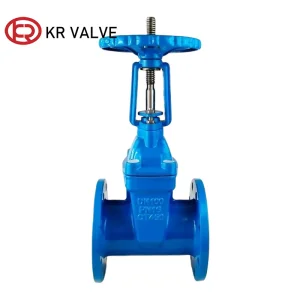
Wholesale Sluice Valve DIN F5 Rising Shaft Type EPDM Seal
View Product Specs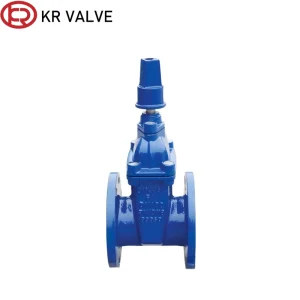
Wholesale Underground Gate Valve Ductile Iron & EPDM Seat
View Product SpecsResilient Seat Gate Valve Engineering & Design Evolution
Understanding the transition from traditional metal-seated gate valves to fully encapsulated resilient wedge valves in modern fluid conveyance systems.
Zero-Pocket Full-Bore Hydrodynamics
Unlike legacy metal-seated sluice valves that feature a recess or pocket at the bottom of the body (where sediment, sand, and tuberculation accumulate and prevent tight shut-off), modern Resilient Seated Gate Valves (RSGV) feature a completely smooth, flat-bottom flow passage.
- Eliminates sediment traps and solids build-up.
- Reduces head loss coefficient (Kv/Cv) to near straight-pipe friction.
- Enables inline pigging and high-velocity flushing operations.
Polymer Encapsulation Chemistry
The core of resilient seat gate valve technology lies in the high-pressure vulcanization of the ductile iron wedge with synthetic elastomers—primarily EPDM (Ethylene Propylene Diene Monomer) or NBR (Nitrile Rubber).
- EPDM compound approved for potable water (WRAS, NSF 61).
- High memory retention prevents permanent set deformation.
- Molecular bonding agent prevents rubber detachment under 25 bar APD.
Triple O-Ring Stem Sealing Architecture
KR VALVE (TIANJIN) CO., LTD. incorporates a maintenance-free stem sealing system utilizing primary lip seals combined with triple upper O-rings housed in corrosion-resistant brass or stainless steel glands.
- Replaceable stem O-rings under full working pressure (live packing).
- Upper wiper ring prevents external dirt and groundwater ingress.
- Friction-reducing thrust washers ensure ultra-low operating torque.
Engineering Information Gain: Metal Seat vs. Resilient Seat Operational Longevity
In standard municipal water lines operating at 1.6 MPa (PN16), traditional metal-seated gate valves suffer from scratch damage across metal faces caused by microscopic sand particles. This results in seat leakage after approximately 300 to 500 operational cycles. Conversely, a vulcanized EPDM resilient wedge deforms elastically over trapped particulate matter, maintaining ISO 5208 Rate A drop-tight zero leakage and self-cleaning upon full opening, extending operational life cycles up to 15,000+ opening/closing actions without seat replacement.
Manufacturing Capabilities & Technical Metrics
Verified operational parameters from KR Valve (Tianjin) Co., Ltd. manufacturing plants and international testing laboratories.
| Standard Criteria | BS 5163 (UK / Gulf Standard) | DIN 3202 F4 / F5 (European Standard) | AWWA C515 (American Standard) |
|---|---|---|---|
| Face-to-Face Dimension | BS 5163 / ISO 5752 Series 3 & 14 | F4 (Short Series 14) / F5 (Long Series 15) | ASME B16.10 / AWWA C515 |
| Body Material Grade | Ductile Iron EN-GJS-500-7 / EN-GJS-400-15 | Ductile Iron GGG40 / GGG50 | ASTM A536 65-45-12 / 80-55-06 |
| Stem Nut Material | High-Tensile Brass CuZn39Pb3 / Al-Bronze | CuZn40Pb2 / CW617N Brass | ASTM B584 C83600 Bronze / DZR Brass |
| Coating Specification | WRAS Approved Epoxy ≥ 250 microns | DVGW / GSK Certified Epoxy ≥ 250 µm | NSF 61 / NSF 372 FBE Coating |
| Stem Design Type | Non-Rising Stem (NRS) / OS&Y Rising | Non-Rising Stem (NRS) / Rising Shaft | NRS with 2" Square Operating Nut |
| Compliance Status | Fully Certified | Fully Certified | Fully Certified |
Global Resilient Seat Gate Valve Market Trends (2026-2035)
Strategic macro factors influencing procurement decisions, raw material shifts, smart city integrations, and environmental compliance standards globally.
1. Smart Infrastructure & Telemetry Integration
Global water utilities are rapidly transitioning toward IoT-enabled smart water networks. Resilient seat gate valves are increasingly specified with pre-machined mounting pads for optical stroke sensors, acoustic leak indicators, and smart positioners that broadcast valve open/close percentages to SCADA control centers via LoRaWAN or NB-IoT.
2. Stringent Lead-Free & Organic Elastomer Mandates
With regulations like the European Drinking Water Directive (DWD 2020/2184) and US EPA Lead-Free requirements becoming strictly enforced, buyers are demanding non-leaching vulcanized polymers free of Polycyclic Aromatic Hydrocarbons (PAHs) and phthalates, paired with DZR (Dezincification Resistant) lead-free brass stem nuts.
3. Transition to High-Grade Ductile Iron (EN-GJS-500-7)
Legacy Gray Cast Iron (GG25) is being aggressively phased out in municipal tender specifications worldwide due to its brittle nature and vulnerability to ground movement or water hammer shocks. High-tensile Ductile Iron (EN-GJS-500-7 / ASTM A536) provides superior impact strength and pressure resilience up to PN25.
4. Trenchless Direct Burial & Zero-Maintenance Expectations
Urban excavation costs have escalated dramatically. Civil engineering contractors now mandate maintenance-free NRS resilient seat gate valves fitted with extended stem extension kits and T-key operating systems suitable for direct soil burial without requiring concrete inspection chambers.
Global Enterprise Sourcing & Quality Audit Checklist
A technical guide for EPC buyers, municipal utility engineers, and valve distributors conducting factory audits and material verifications.
1. Metallurgical Verification
Ensure factory supplies EN 10204 3.1 Material Test Certificates (MTC). Spectrometric testing must verify key chemical constituents of Ductile Iron body castings (Carbon 3.5-3.8%, Silicon 2.2-2.8%, Magnesium 0.03-0.06% for nodular graphite formation >85%).
2. Coating Integrity Testing
Verify electrostatic epoxy powder coating application. Demands include cross-hatch adhesion testing (ISO 2409 Class 0), impact resistance testing (EN ISO 6272), and a 3,000V High-Voltage Spark Test (Holiday Detection) to guarantee zero pinholes or micro-porosity.
3. Hydrostatic Pressure Testing
100% of finished valves must undergo dual-stage testing according to ISO 5208 / EN 12266-1:
- Shell Test: 1.5 × PN (24 Bar for PN16) with zero structural weeping.
- Low-Pressure Seat Test: 0.2 Bar hydrostatic pressure.
- High-Pressure Seat Test: 1.1 × PN (17.6 Bar for PN16) Rate A shut-off.
Macro Industry Solutions & Application Scenarios
Tailored valve configurations engineered to solve severe operational challenges across diverse water treatment and industrial networks.
Municipal Potable Water Distribution
High-volume urban trunklines require minimum head loss and zero microbial growth inside the valve chamber. KR Valve supplies WRAS and NSF 61 approved BS5163 and DIN F4 resilient gate valves featuring non-toxic FBE epoxy coating and WRAS-certified EPDM rubber wedges, preventing biofilm attachment and water contamination.
Wastewater & Sludge Pumping Stations
Untreated sewage and industrial effluent contain fibrous suspended solids and harsh chemicals. Our NBR-encapsulated wedge gate valves resist hydrocarbons and grease, while the flat-bottom chamber allows heavy solids to pass smoothly without jamming the gate, drastically reducing pump station maintenance downtime.
Fire Protection Infrastructure (UL/FM Systems)
Fire main isolation valves demand instant visual indication of valve position and 100% reliability after years of static standing. KR Valve manufactures Rising Stem (OS&Y) Resilient Seat Gate Valves equipped with supervisory tamper switches, delivering immediate status monitoring for commercial and industrial fire mains.
Technical Roadmap & Future Engineering Outlook
How KR VALVE (TIANJIN) CO., LTD. is advancing next-generation flow control technologies through material science and intelligent automation.
Advanced Fluoropolymer Nanocomposites
Research is underway on hybrid EPDM-PTFE fluoro-elastomers capable of withstanding industrial water temperatures up to 130°C and aggressive chemical dosing (high-concentration chlorine/ozone treatment) without swelling or micro-cracking.
Digital Twin & Predictive Wear Modeling
Integrating finite element analysis (FEA) with fluid dynamics modeling (CFD) to optimize stem thread profiles and wedge guide ribs. This reduces torque spikes by up to 35% during high-differential pressure opening, prolonging actuator lifecycle.
Zero-Carbon Sustainable Foundry Production
Upgrading melting furnaces to 100% electric induction systems powered by renewable energy, combined with 98% sand recycling in green sand molding processes to minimize Scope 1 and Scope 2 carbon emissions during valve casting.
Localized Support & Compliance Assurance
KR VALVE (TIANJIN) CO., LTD. delivers complete project support—from design customization to rapid export clearance and international field engineering assistance.
Comprehensive OEM / ODM Customization
We provide full customization flexibility for global valve brands, EPC contractors, and municipal projects:
- Custom Face-to-Face Lengths (DIN 3202 F4/F5, BS5163, AWWA C515, ISO 5752).
- Custom Flange Drilling (EN 1092-2 PN10/PN16/PN25, ANSI B16.1 Class 125/250, AS 4087).
- Special Actuation Pads (ISO 5210 top flange for electric/pneumatic actuators).
- Private labeling, cast logos, and customized export plywood case packaging.
International Quality Certification Package
Every shipment is accompanied by complete documentation required for international tender compliance and port clearance:
- EN 10204 3.1 Chemical & Mechanical Test Certificates.
- Hydrostatic Shell & Seat Test Inspection Reports.
- WRAS, NSF/ANSI 61, CE PED 2014/68/EU compliance certificates.
- 3rd Party Inspection Support (SGS, BV, TUV, Intertek).
Frequently Asked Questions (Engineering Q&A)
Authoritative technical answers to common queries raised by pipeline design engineers and procurement officers.
Featured Resilient Seated & Control Valves (Part II)
Explore additional valve types from KR Valve including underground T-key gate valves, electric actuated gate valves, ball check valves, and butterfly valves.
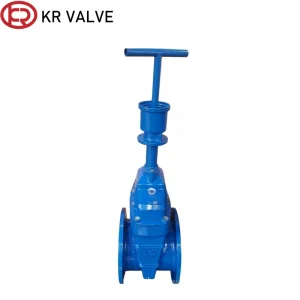
Custom T Key Operation Extended Stem Gate Valve Underground
View Product Specs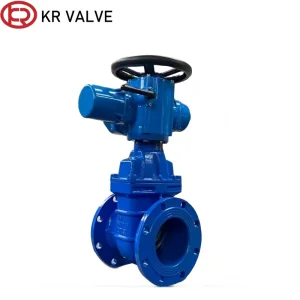
Custom Electric Gate Valve Ductile Iron EPDM Seal
View Product Specs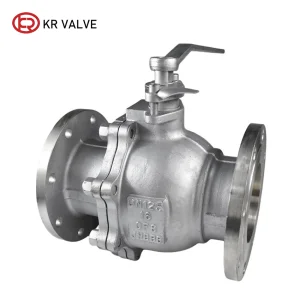
OEM CF8 SS304 Stainless Steel Floating Ball Valve
View Product Specs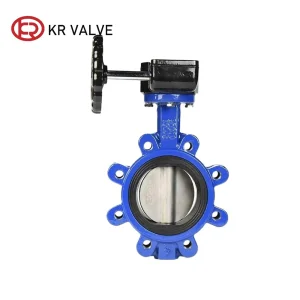
OEM Concentric Resilient Lug Butterfly Valve EPDM Seal
View Product Specs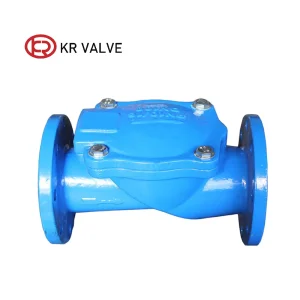
Wholesale Rubber Flap Check Valve NBR Disc 4 Inch
View Product Specs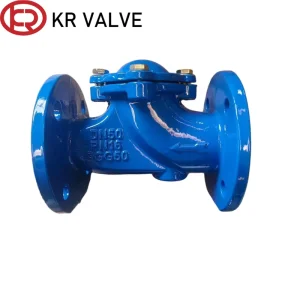
OEM Ball Check Valve Flange Connection EPDM Ball Non Return
View Product Specs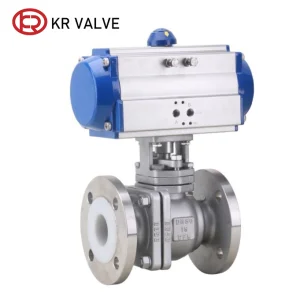
OEM Stainless Steel PTFE Lined Ball Valve Pneumatic Actuated
View Product Specs