
High-Performance Ball Valves & Flow Control Systems
Engineered to international standards (ANSI, DIN, BS, API) with 100% hydrostatic and pneumatic factory acceptance testing.
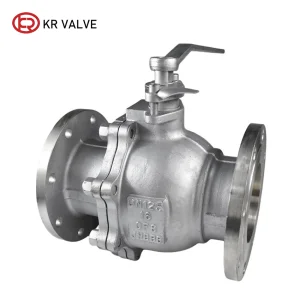
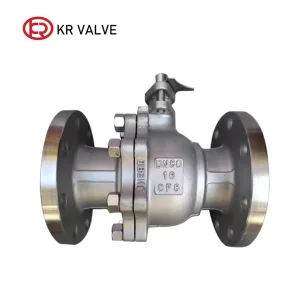
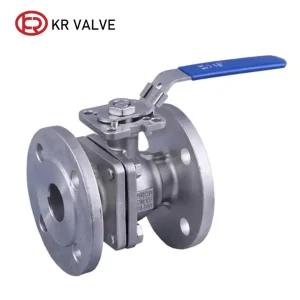
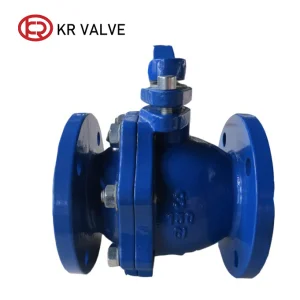
Global Ball Valve Industrial Landscape & Sourcing Trends
Examining global market demand, critical engineering specs, and why modern industrial buyers rely on specialized ball valve manufacturing hubs.
The global market for industrial valves has crossed $75 billion annually, with ball valves accounting for over 19% of total industrial flow control procurement worldwide. As essential mechanical components in oil refining, chemical processing, municipal water infrastructure, energy production, and pharmaceutical manufacturing, ball valves provide quarterly operational security through quarter-turn rapid shut-off and high-integrity sealing.
In modern industrial procurement, buyers no longer evaluate a Ball Valve Factory solely by output volume. Semantic search patterns and technical procurement inquiries reveal a fundamental shift toward total lifecycle cost mitigation, zero-leakage tightness standards (API 598 / ISO 5208), and verifiable metallurgical integrity. Buyers demand granular proof of material traceability (EN 10204 3.1 certificates), automated CNC machining precision, and non-destructive testing (NDT) capabilities from prospective OEM partners.
Ball Valve Structural Architecture & Material Metallurgy
Understanding floating vs. trunnion designs, body construction types, and seat sealing technologies for precise engineering selection.
Floating Ball Architecture
The spherical ball is supported by two resilient elastomeric or PTFE seats. Under upstream fluid pressure, the ball moves slightly downstream, pressing firmly against the downstream seat to establish a positive pressure-assisted seal.
- Pressure Ratings: Class 150 to Class 600 (PN10 to PN100).
- Ideal Sizes: DN15 to DN200 (1/2" to 8").
- Advantage: Lower initial weight, compact footprint, highly economical for utility lines.
Trunnion-Mounted System
The ball is fixed anchored by a top stem and bottom trunnion pivot pin. Line pressure pushes the spring-loaded seat rings against the stationary ball, drastically reducing operating torque on large diameter and high pressure lines.
- Pressure Ratings: Up to ASME Class 2500 / API 10,000 PSI.
- Ideal Sizes: DN50 to DN1400 (2" to 56").
- Advantage: Low operational torque, automatic double-block-and-bleed (DBB) capability.
PFA / PTFE Lined & Severe Service
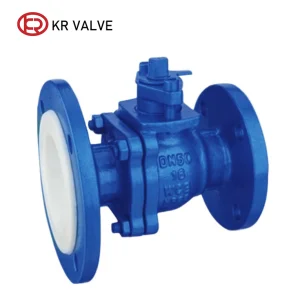
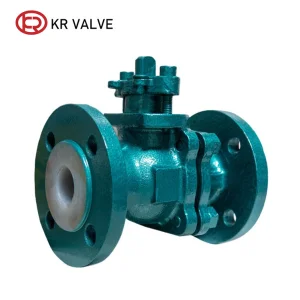
Engineered with heavy-duty fluoropolymer linings (PFA/PTFE) over ductile iron (GGG40) or carbon steel (WCB) bodies to handle concentrated acids, wet chlorine, and hostile chemical slurry without metallic fluid contact.
- Corrosion Barrier: Zero metal contact with liquid medium.
- Sealing Seats: Virgin PTFE, RPTFE, PEEK, or Stellite hardfacing.
- Advantage: Replaces exotic nickel alloys at a fraction of the cost.
The Factory Advantage: Sourcing Efficiency & OEM Scalability
How modern Chinese industrial valve manufacturers combine vertically integrated casting, precision CNC machining, and rigorous quality control.
In global industrial infrastructure projects, procurement teams face a dual challenge: maintaining strict engineering compliance while controlling capital budgets. Leading Chinese Ball Valve Factories—particularly specialized centers in Tianjin and Zhejiang—have evolved into automated manufacturing hubs capable of delivering world-class valve solutions at optimized lead times.
Vertical Supply Integration
Our integrated manufacturing network houses silica sol investment casting foundries, sand casting workshops, automated multi-axis CNC machining centers, and modern painting lines within a single operational ecosystem. This drastically reduces intermediate logistics delays and component procurement overheads.
Quality Control & Testing Protocols
Every valve leaving the factory undergoes 100% shell hydrostatic testing and seat leak testing according to API 598 or EN 12266-1 standards. Spectral chemical analysis, Positive Material Identification (PMI), magnetic particle examination (MPI), and wall thickness ultrasound checks are performed in-house.
Custom OEM / ODM Customization
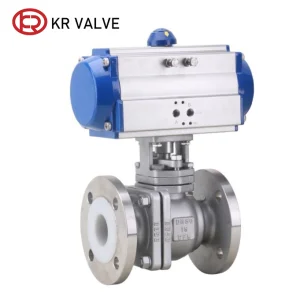
Global clients benefit from flexible private labeling, custom flange facing specifications (RF, RTJ, FF), specialized face-to-face dimensions (DIN F1, ANSI B16.10), high-temperature bonnet extensions, and customized ISO 5211 direct-mount actuator mounting pads.
Application Scenarios & Regional Engineering Requirements
Matching specific valve configurations, body materials, and seat options to harsh operational environments around the globe.
| Industry Sector | Primary Valve Configuration | Key Material Specifications | Operational Engineering Requirements |
|---|---|---|---|
| Petrochemical & Oil Refining | Trunnion Mounted & 2-PC Flanged Ball Valves | ASTM A216 WCB / ASTM A351 CF8M, Stellite Metal Seats | API 607 Fire-Safe NACE MR0175 Anti-static design, anti-blowout stem stem seals. |
| Chemical & Chlor-Alkali Processing | Fully PTFE / PFA Lined WCB/CF8 Ball Valves | Ductile Iron GGG40 Body, PFA/PTFE Pure Virgin Lining | ISO 15848-1 Fugitive Emission Zero metallic media contact, acid resistant. |
| Municipal Water & Desalination | Ductile Iron & Stainless Steel Floating Ball Valves | Ductile Iron GGG50, SS304 (CF8) Ball, EPDM / PTFE Seats | WRAS / NSF/ANSI 61 Low head loss, full-bore smooth flow channel. |
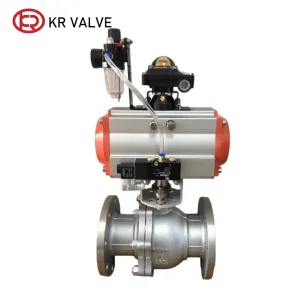
| HVAC & Automated Building Utilities | 2-PC & 3-PC Pneumatic / Electric Actuated Ball Valves | CF8 / CF8M Body, PTFE Seat, ISO 5211 Direct Pad | Automated Control Smart positioner, limit switch feedback, 24VDC/220VAC actuation. |
| Mining, Slurry & Heavy Wastewater | Metal-Seated & Knife Gate / Cone Control Valves | WCB / Hard Chrome Coated Stainless Ball, Tungsten Carbide | Abrasion Resistance Heavy duty seat scrapers, self-cleaning sealing mechanism. |
Engineering Decision Matrix: Floating vs. Trunnion vs. Lined
Use this evaluation matrix to select the right valve architecture for your pressure class, media compatibility, and operating envelope.
| Selection Criteria | Floating Ball Valve (1-PC / 2-PC) | Trunnion Mounted Ball Valve | PTFE / PFA Lined Ball Valve |
|---|---|---|---|
| Pressure Range | Class 150 - Class 600 (PN16 - PN100) | Class 150 - Class 2500 (PN16 - PN420) | Class 150 (PN10 - PN16) |
| Size Range Availability | DN15 to DN200 (1/2" to 8") | DN50 to DN1400 (2" to 56") | DN15 to DN300 (1/2" to 12") |
| Temperature Limits | -40°C to +200°C (Soft) / +450°C (Metal) | -196°C (Cryogenic) to +550°C | -20°C to +180°C (PTFE/PFA max limit) |
| Operating Torque | Increases significantly with pressure | Consistently low due to fixed bearings | Moderate, smooth low-friction rotation |
| Media Compatibility | Clean liquids, steam, air, general gas | Crude oil, high pressure gas, slurry | Highly corrosive acids, alkalis, pure water |
| Maintenance & Lifecycle Cost | Low initial purchase cost, simple seat repair | Higher upfront CapEx, extremely long service life | Prevents piping replacement in aggressive media |
Future Industry Trends & Strategic Procurement Protocols
Preparing pipeline networks for decarbonization, smart actuation, and global supply chain resilience.
1. Fugitive Emissions & Green Hydrogen
Environmental regulations (such as EU Green Deal and EPA directives) mandate strict stem packing seal tightness. Modern factories incorporate live-loaded Belleville spring packing systems meeting ISO 15848-1 Class AH/BH standards to eliminate volatile organic compound (VOC) leakage and support hydrogen transport lines.
2. Smart Actuation & IoT Monitoring
The integration of intelligent electro-pneumatic positioners, HART/Modbus digital feedback controllers, and wireless torque sensors allows real-time diagnostic tracking. Plant operators can predict valve seat degradation, detect line blockages early, and minimize unplanned refinery downtime.
3. Strategic Risk Mitigation for Buyers
Proactive EPC contractors mitigate lead time risks by establishing long-term frame agreements directly with Tier-1 valve factories. Requesting standard mill test reports (MTRs to EN 10204 3.1), third-party inspection (TPI) by SGS/TÜV, and consolidated container packing streamlines project execution.
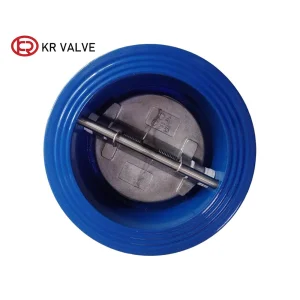
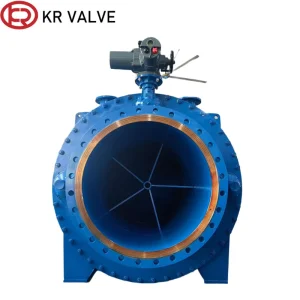
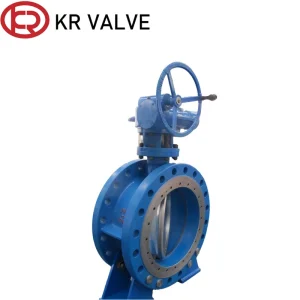
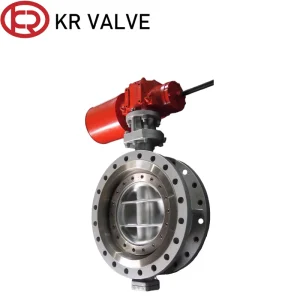
Comprehensive Industrial Valve & Check Valve Series
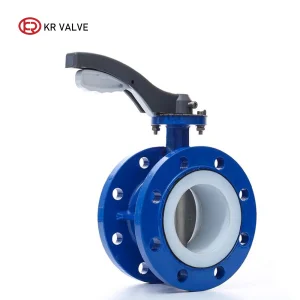
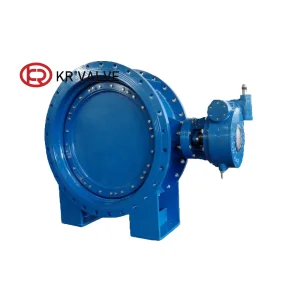
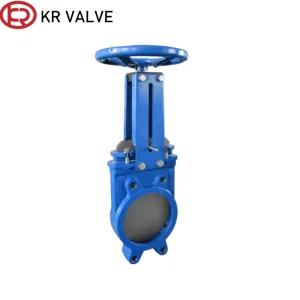
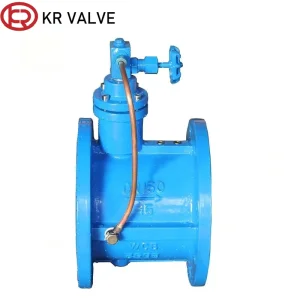
Explore our integrated manufacturing capabilities across butterfly, gate, check, cone, and specialized backflow preventer valves.
Frequently Asked Questions: Ball Valve Sourcing & Specifications
Direct technical answers to help procurement officers and project engineers make fully informed purchasing decisions.