
How to Choose the Right Actuator Valve for Your Application

Time:2026-11-10 Author:Oliver
0%

Choosing the right Actuator Valve begins with the process, not the product catalogue. What fluid will pass through it? What pressure, temperature, and flow range must it handle? A valve sized only from the pipe diameter may perform poorly when the actual flow conditions change. Small details matter. Note the required fail position, operating frequency, available power, and control signal. These details help narrow the choices between electric, pneumatic, and hydraulic actuators, while keeping the valve body and actuator compatible.

Theodore von Kármán, the aerospace engineer, is widely credited with saying, “Scientists study the world as it is; engineers create the world that has never been.” That idea fits valve selection: engineers must turn real operating data into a practical specification. Compare torque or thrust requirements with the actuator’s published output, and account for pressure differences, friction, and a sensible safety margin. Check material compatibility, environmental exposure, enclosure ratings, and maintenance access. A dusty plant floor or a hard-to-reach installation can change what counts as a suitable choice.

No checklist is perfect; field conditions often expose what the specification missed. A decision that looks sound on a datasheet may need another review against startup loads, cycling demands, or the consequences of losing power or air. This guide outlines the key questions, comparisons, and checks that help teams choose an Actuator Valve with greater confidence—and recognize when they need more application data before committing.
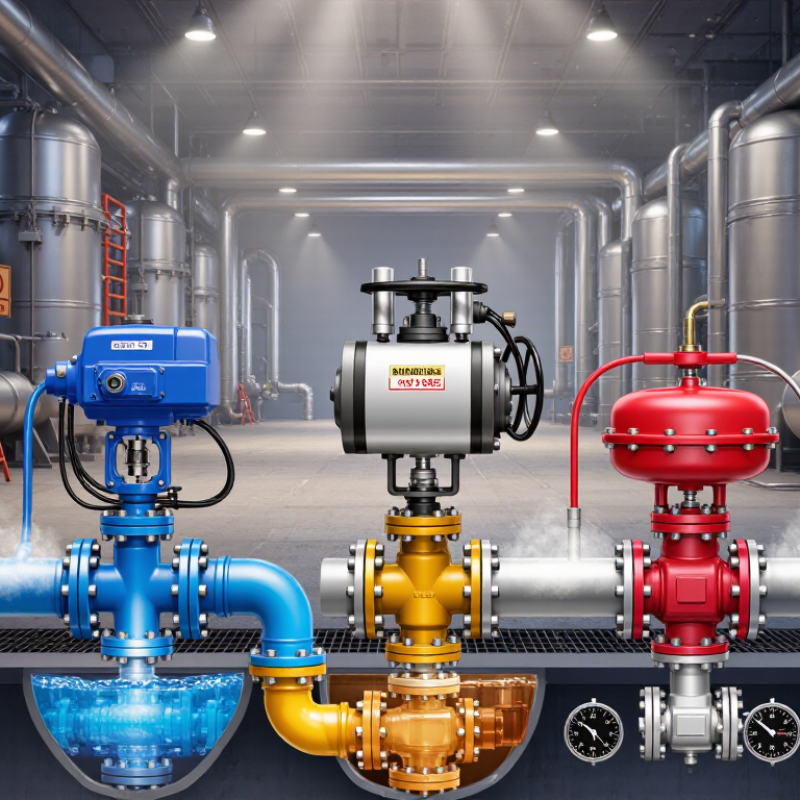
How to Choose the Right Actuator Valve for Your Application

Understanding Actuator Valves and Their Main Components

An actuator valve combines a valve body with a mechanism that moves its closure element. The body contains the fluid and directs its flow. A stem transfers motion from the actuator to a plug, ball, or disc. The actuator provides that motion using electric power, compressed air, or hydraulic pressure. Many systems include a positioner, which adjusts movement based on a control signal. Feedback devices can report the valve’s position, helping operators spot a mismatch between the command and actual movement. Each component matters. A powerful actuator cannot compensate for a poorly matched valve body.

Tips: Check the process fluid, pressure, temperature, and required flow range before selecting components. Confirm the available power source and signal type. Leave room for maintenance access, too. A cramped installation can turn a simple inspection into a difficult job.

Sizing deserves careful attention. An actuator that is too small may stall against pressure or friction; one that is oversized can cause abrupt movement and extra wear. The first sizing estimate is not always right, especially when operating conditions vary. Recheck it against real process data and the valve’s torque or thrust requirements. Also consider how the valve should behave if power fails. That detail is easy to overlook, and it can change the actuator type and control setup.

Defining the Application’s Flow and Control Requirements

Start with the process, not the actuator. Record minimum, normal, and peak flow, plus inlet and outlet pressures. Note whether the fluid is clean, viscous, corrosive, or carrying suspended solids. These details influence valve type, size, trim, and required actuator torque. A control valve sized only for peak flow may operate poorly at normal conditions. Too much pressure drop can cause noise, vibration, or unstable control.

Define how the valve must respond. Does it need precise modulation, rapid isolation, or a specific fail position during power loss? The U.S. Department of Energy’s 2006 report, Improving Pumping System Performance: A Sourcebook for Industry, estimates that pumping systems use nearly 20% of global electricity and 25–50% of energy in some industrial facilities. That makes flow and pressure decisions worth careful review; the figure describes pumping systems, not valve savings. Check the operating range against the valve’s flow coefficient, and confirm actuator sizing with actual differential-pressure conditions. Small details matter. A tidy specification can still miss startup surges or future process changes. Recheck assumptions with operations staff before final selection.

Comparing Valve Types and Actuator Technologies

Valve selection starts with the job, not the actuator. Ball and butterfly valves turn a quarter-turn, making them practical for quick isolation. Globe valves provide finer throttling, though their pressure drop can be higher. Gate valves are generally better for fully open or closed service than frequent flow adjustment.

Actuator choice changes response, control, and maintenance needs. Electric actuators offer precise positioning and straightforward integration with control systems. Pneumatic units can move quickly and suit plants with compressed-air supplies; confirm air quality and required fail-safe behavior. Hydraulic actuators deliver high force, but need fluid-system maintenance. The U.S. Department of Energy’s Improving Pumping System Performance sourcebook reports that pumping systems can use 25–50% of energy in some industrial facilities. That figure covers whole pumping systems, not valves alone, but it makes pressure loss worth checking during valve selection. A small mismatch can quietly raise operating costs.

Tips: For a throttling duty, compare the valve’s flow characteristic with the actuator’s positioning accuracy. Check torque or thrust at the actual differential pressure, not just nominal line size. Test failure position, cycle frequency, enclosure, and available utilities. A perfect choice is rarely obvious; verify assumptions against real operating data.

How to Choose the Right Actuator Valve for Your Application - Comparing Valve Types and Actuator Technologies

Valve type comparison
Valve type Motion and typical duty Flow and pressure characteristics Typical strengths Limitations and selection notes Common actuator match
Ball Quarter-turn; commonly used for on/off service. Characterized or segmented designs can support control duties. Typically offers a relatively direct flow path and low pressure loss when fully open. Fast operation, compact quarter-turn actuation, and tight shutoff are available in many designs. Standard full-port designs are generally better suited to isolation than precise throttling. Confirm seat and body materials for the fluid, temperature, and pressure. Electric, pneumatic, or hydraulic quarter-turn actuator; size for breakaway torque and operating conditions.
Butterfly Quarter-turn; used for isolation and, with a suitable design, flow regulation. Compact flow path; the disc remains in the flow when open, so pressure loss and flow characteristics vary by design and opening angle. Lightweight and space-efficient, especially for larger pipe sizes; quarter-turn operation can simplify actuation. Disc and seat design affect shutoff, pressure rating, and control performance. Check fluid compatibility and required sealing class. Electric or pneumatic quarter-turn actuator; hydraulic actuation is an option where higher torque is needed.
Globe Linear motion; commonly selected for throttling and modulating control. Flow changes through an internal restriction; pressure loss is often higher than for a straight-through ball or gate valve. Good controllability is available with appropriate trim, sizing, and actuator positioning. Higher pressure drop and a more complex flow path may be unsuitable where minimizing energy loss is a priority. Usually a linear electric, pneumatic, or hydraulic actuator; verify thrust, stroke, and positioning requirements.
Gate Linear motion; primarily intended for fully open or fully closed isolation. Can provide a relatively unobstructed passage when fully open; not generally intended for prolonged throttling. Useful for isolation in pipelines where a full-bore flow path is desirable. Operation can be slower than quarter-turn valves, and throttling can cause vibration, wear, or damage depending on service. Electric or hydraulic linear actuator; pneumatic options depend on required thrust and valve configuration.
Diaphragm Linear motion; used for isolation and some control duties. The diaphragm separates the operating mechanism from the process fluid; flow capacity and pressure limits depend on body and diaphragm design. Can suit certain corrosive, viscous, or solids-bearing services when wetted materials and geometry are appropriate. Diaphragm material, temperature, pressure, and cycle life must be checked against the process. It is not suitable for every fluid or pressure range. Commonly pneumatic or electric linear actuation; confirm stroke and the force needed to close against process pressure.
Actuator technology comparison
Actuator technology Power source and motion Advantages Trade-offs Often a good fit when
Electric Electric motor drives a quarter-turn or linear output. Does not require a compressed-air supply; can provide precise positioning and straightforward integration with electrical controls. Requires suitable electrical power and environmental protection. Speed, duty cycle, and fail-safe behavior depend on actuator design and accessories. Electrical infrastructure is available and controlled positioning, monitoring, or integration with an automation system is required.
Pneumatic Compressed air drives a quarter-turn or linear output; spring-return designs can provide a defined fail position. Fast operation is available, and pneumatic systems are widely used in process automation. Requires a reliable air supply and appropriate air preparation. Positioning accuracy depends on the actuator and control equipment. Instrument air is available and rapid operation or a spring-return fail action is important.
Hydraulic Pressurized hydraulic fluid produces rotary or linear movement. Can deliver high force or torque in a compact actuator package. Requires hydraulic power equipment and attention to fluid containment, maintenance, and system complexity. High force or torque is required, or a hydraulic power system is already available.

Selection note: These are general comparisons, not guaranteed performance ratings. Confirm pressure, temperature, fluid compatibility, required flow capacity, shutoff class, operating frequency, actuator torque or thrust, control signal, environmental conditions, and required fail position against the specific valve and actuator data sheets.

Checking Compatibility with Operating Conditions and Controls

An actuator valve must suit the actual process, not just the pipe size. Check the fluid, operating pressure, temperature range, and whether the medium contains particles or causes corrosion. A valve tested with clean water may behave differently in a hot, viscous process fluid. Small details matter.

Then match the actuator to the control system. Confirm the available power source, signal type, and required response time. For pneumatic models, check air pressure and supply quality; for electric models, verify voltage and duty cycle. A control signal that seems compatible on paper may still fail if the actuator cannot provide enough torque at the valve’s operating pressure. Check the full operating range, not only normal conditions.

Think through what should happen if power or air is lost. Some processes need the valve to close; others need it to remain open. Specify that position clearly, and confirm that the selected actuator can reach it under load. Feedback signals also deserve attention: a controller needs reliable confirmation of valve position, especially when the valve cycles often. I would recheck this point. It is easy to focus on the valve and overlook wiring, air lines, or mounting space. Review the equipment documents and verify assumptions with the process or controls engineer before ordering.

Evaluating Sizing, Safety, Maintenance, and Lifecycle Costs

Choosing an actuator valve begins with the operating conditions, not the pipe size alone. Check the required flow, pressure drop, fluid, and temperature range. A valve that is too small can restrict flow; one that is too large may control poorly near its seat. Match actuator torque or thrust to the valve’s worst-case demand, including pressure and friction. Leave an appropriate margin, but avoid oversizing without reason. It can increase cost and wear. Small details matter.

Safety depends on what the valve should do when power or instrument air fails. Specify a fail-open, fail-closed, or stay-put response based on the process risk, then confirm the actuator can achieve it under real conditions. Plan for failure. Consider access for inspection, the expected cycle rate, and whether technicians can test the assembly without removing nearby equipment. A cramped installation can turn simple maintenance into a long shutdown.

Compare lifecycle costs, not just purchase prices. Include energy or compressed-air use, routine servicing, replacement parts, and the cost of unplanned downtime. For example, a frequently cycling valve may justify position feedback or diagnostics, while a rarely operated isolation valve may not. Review actual maintenance records where available; assumptions can be wrong. Even a well-sized assembly needs periodic checks for leaks, loose connections, and changing process demands.

FAQS

What information should I gather before choosing an actuator valve?

Record minimum, normal, and peak flow, plus inlet and outlet pressures. Note fluid temperature, viscosity, corrosion, and suspended particles. Startup surges matter too.

Why shouldn’t I size a valve using peak flow alone?

A valve sized only for peak flow may control poorly during normal operation. Excessive pressure drop can also cause noise, vibration, or unstable control. Check the full operating range.

How do I match an actuator to the control system?

Confirm the power source, signal type, and response time. For pneumatic actuators, check air pressure and supply quality. For electric models, verify voltage and duty cycle.

How should I choose the valve’s position during power or air loss?

Decide whether the valve should fail open, fail closed, or stay put. Confirm the actuator can reach that position under actual pressure and load. Plan for failure.

What can happen if the actuator is undersized?

It may lack enough torque or thrust when pressure and friction rise. Check the worst-case demand, not just normal conditions. A margin helps, but unnecessary oversizing can add cost and wear.

Does pipe size determine the correct valve size?

No. Required flow, pressure drop, and control range matter too. An oversized valve may control poorly near its seat. Small details matter.

What should I check before installation?

Make sure there is room to mount, inspect, and service the assembly. Check wiring, air lines, and position feedback. A cramped space can make routine maintenance difficult.

How can I compare the long-term cost of valve options?

Include energy or compressed-air use, servicing, replacement parts, and possible downtime. A frequently cycling valve may benefit from diagnostics. I would recheck assumptions against maintenance records.

Conclusion

Choosing the right Actuator Valve begins with understanding how the valve and actuator work together to regulate flow. Define the application’s required flow rate, pressure, temperature, and level of control before comparing valve designs and actuator technologies. Each option should suit the medium being handled and the way the system needs to operate, whether control is gradual or on-off.

Next, check that the valve, actuator, and control signals are compatible with the operating environment and existing equipment. Correct sizing helps achieve dependable performance without unnecessary energy use or strain. Also consider safety features, inspection needs, maintenance access, expected service life, and total lifecycle costs. Evaluating these factors together makes it easier to select an Actuator Valve that meets current requirements while supporting reliable, efficient operation over time.

Oliver

Oliver

Oliver is a seasoned marketing professional with a wealth of expertise in driving brand awareness and engagement. With a deep understanding of our company's product offerings, he consistently delivers high-quality content that enriches our professional blog. His insights not only shed light on......