Choosing a Non Return Valve for global sourcing requires more than comparing prices and catalog photos. In 2026, buyers must connect valve design with media, pressure, temperature, installation position, and maintenance conditions. A valve used for clean water may fail quickly in abrasive slurry or chemical service. Small details matter. Disc movement, spring strength, seat material, and flow direction can affect performance.
Experienced sourcing teams begin with a clear technical specification. They confirm nominal size, pressure class, connection type, body material, sealing material, and operating temperature. They also ask whether the valve suits horizontal, vertical, or pulsating pipelines. Wafer, swing, lift, and dual-plate designs each solve different problems. The cheapest option may create higher costs through pressure loss, leakage, or repeated replacement.
Reliable global procurement also depends on supplier verification. Review drawings, material certificates, inspection plans, traceability records, and test reports. Where appropriate, discuss standards such as ISO 5208 or API 598, while confirming the correct edition and application. Independent inspection can verify dimensions, pressure testing, markings, and packaging before shipment. Do not rely on certificates alone.
Real projects rarely follow a perfect checklist. Specifications may change after installation feedback. A sample may pass testing but reveal handling weaknesses later. That uncertainty deserves attention. Buyers should document assumptions, approve pre-production samples, and define acceptance criteria in writing. Shipping conditions, spare parts, warranty terms, and local service support also influence the final decision. A thoughtful selection process makes the Non Return Valve safer, more economical, and easier to manage across international supply chains.
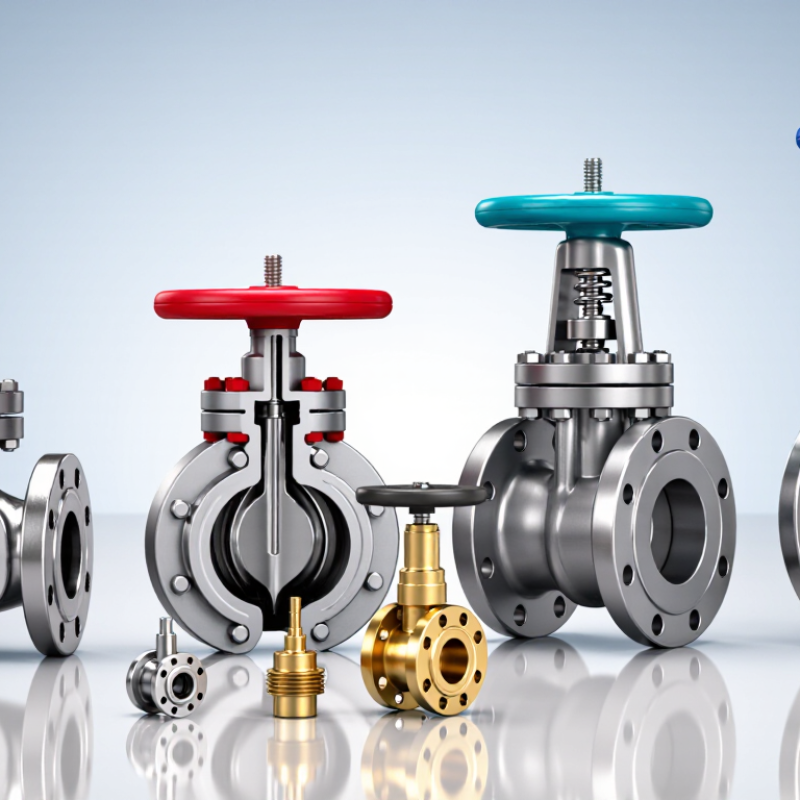
Understanding Non-Return Valve Functions and Global Sourcing Needs
In practical sourcing work, I treat a non-return valve as a flow-control safeguard, not a simple one-way fitting. It allows fluid to move in the intended direction and closes when pressure reverses. This protects pumps, filters, tanks, and connected pipelines from backflow and possible water hammer. The correct design depends on medium, flow rate, pressure, temperature, installation angle, and available space. Small details matter.
Global sourcing adds practical questions beyond the valve itself. Before requesting quotations, define the nominal size, connection type, body and seal materials, cracking pressure, and required test pressure. Material compatibility deserves careful attention. Drinking water, compressed air, oil, and mildly corrosive liquids may require different sealing choices. Ask for dimensional drawings, pressure-temperature ratings, inspection records, and material traceability. Requirements should match the destination market and equipment risk level. Do not rely on a product photo. Photos hide critical differences.
In my experience, the cheapest offer often becomes expensive when specifications remain vague. One overlooked issue is closing speed. A valve that shuts too slowly may permit reverse flow, while one that snaps shut may increase pressure shock. Request sample testing with the actual fluid, operating pressure, and pipe orientation. Verify leakage performance, cycle durability, cleanliness, packaging, and labeling before volume production. An independent pre-shipment inspection can compare random units with approved drawings and test criteria. I have missed this step before. That assumption can fail.
Defining Valve Types, Materials, and Application Requirements
How to Choose a Non Return Valve for Global Sourcing?
A non-return valve should match the application, not merely the pipeline size. Swing check valves suit steady, horizontal flow with limited pressure drop. Lift and piston designs offer tighter control but usually need cleaner media. Wafer and dual-plate valves reduce installation space. They can close quickly. However, fast closure may increase water hammer. Grand View Research valued the global valves market at approximately USD 78.46 billion in 2023, showing why specification quality matters across complex supply chains.
Material selection begins with the fluid. Ductile iron can suit treated water systems, while carbon steel handles many industrial services. Stainless steel improves resistance against corrosion and chemical attack. Duplex alloys may justify their cost in chloride-rich environments. Do not select from a material table alone. Temperature, pressure, particle content, flow velocity, and gasket compatibility can change the result. Elastomer choice also matters, especially where repeated cycling occurs.
Application requirements must be written clearly. Define the maximum pressure, operating temperature, installation direction, cracking pressure, and acceptable leakage rate. ISO 5208 and API 598 provide recognized testing frameworks for valve pressure and leakage verification. For water infrastructure, the UN World Water Development Report 2024 notes that agriculture represents about 70% of global freshwater withdrawals. That makes reliable backflow prevention especially important in pumping and irrigation networks. A neat sourcing matrix can still mislead. Request material certificates, test records, dimensional drawings, and traceability before approval.
Evaluating Pressure, Temperature, Flow, and Media Compatibility
2026 How to Choose a Non Return Valve for Global Sourcing?
A non-return valve should match actual pressure, temperature, flow, and media conditions. Start with the maximum operating pressure, not the normal reading. A line rated at 10 bar may face water hammer above that level. Check the valve’s pressure-temperature chart at the real service temperature. Metal strength changes with heat.
Flow behavior matters too. Compare pressure loss at minimum, normal, and peak flow. A valve that is too small may create unnecessary energy loss. The U.S. Department of Energy’s Improving Compressed Air System Performance guide reports that leaks can waste 20–30% of compressor output. Poor valve selection can add another hidden cost. Ask for Cv data, cracking pressure, and tested flow curves. Keep it practical.
Media compatibility is often underestimated. Water, glycol, steam, oil, oxygen, and corrosive gas require different body and sealing materials. For sour service, review ISO 15156 requirements and confirm material suitability with test records. ISO 5208:2015 also defines leakage-rate testing classes for industrial valves. Request pressure-test certificates, material certificates, and inspection records from suppliers. One uncomfortable lesson remains: catalog data may look complete, yet omit temperature limits or seal details. Challenge those gaps before approval. "Almost compatible" is still a failure risk.
Comparing Suppliers, Certifications, Quality Controls, and Total Costs
Choosing a non-return valve for global sourcing requires more than comparing unit prices. UNCTAD’s Review of Maritime Transport 2023 states that ships carry over 80% of world trade by volume. A delayed or rejected valve can therefore create expensive project disruption. Compare suppliers by manufacturing experience, export records, response time, and spare-part availability. Request material certificates, pressure-test reports, dimensional drawings, and a sample inspection plan.
Certifications need careful reading. ISO 9001 supports process control, but it does not prove that every valve will perform correctly. For relevant markets, check applicable pressure-equipment requirements and test standards, such as ISO 5208 or API 598. Confirm certificate scope, issuing body, expiry date, and factory address. Require heat-number traceability, 3.1 material documents, calibrated gauges, and documented leak testing. The ISO Survey reports more than one million ISO 9001 certificates worldwide, yet paperwork alone cannot replace witnessed testing.
Total cost includes freight, duties, inspection, installation, maintenance, and failure exposure. ASQ quality-cost studies commonly place poor-quality costs near 15–20% of sales, although the figure varies by industry and measurement method. That uncertainty matters. Build a landed-cost model for each supplier, then test delivery delays and rejection rates. A cheaper valve may have weaker coating or inconsistent spring force. Small details matter. I have seen attractive quotations become costly after one missing certificate. A spreadsheet can still lie. Review the assumptions before approval.
2026 How to Choose a Non-Return Valve for Global Sourcing?
Recommended evaluation weight for comparing suppliers, certifications, quality controls, and total sourcing costs.
This 100-point sourcing model gives the highest weight to verifiable quality controls and certification fit. Check applicable requirements such as ISO 9001, API 594, API 598, EN 12266-1, PED 2014/68/EU, and NSF/ANSI/CAN 61 according to the valve application and destination market. Total cost should include purchase price, testing, documentation, freight, duties, installation, maintenance, and failure risk.
Managing Sampling, Inspection, Shipping, and Compliance Risks
Choosing a non-return valve for global sourcing requires more than comparing price and size. Sampling, inspection, shipping, and compliance risks can affect the entire order. Request samples matching production materials, dimensions, spring force, and sealing method. Record the working media, pressure, temperature, and flow direction. Ask for drawings, material declarations, and a traceable batch number. Small details matter. A valve may pass water testing yet fail with corrosive fluid.
Before approval, inspect several samples, not only the best-looking unit. Measure cracking pressure, backflow leakage, thread accuracy, and surface damage. Use calibrated gauges and keep dated photographs. An independent inspection can compare packed goods with the approved sample. Define acceptance limits in writing, including leakage rates and cosmetic defects. I once treated packaging as minor. That was a mistake. Moisture-damaged cartons can deform seals before installation.
For shipping, use protective caps, dry packaging, and moisture indicators where needed. Confirm carton strength, pallet dimensions, labeling, and spare-unit quantities. Check export documents before dispatch, including the invoice, packing list, origin data, and test records. Compliance may involve destination rules, material restrictions, pressure equipment requirements, and local-language labels. Ask a qualified local professional to verify current requirements. Do not rely on an old certificate. Sampling reduces uncertainty, but it never removes the need for disciplined inspection.
FAQS
It allows fluid to move in one direction. It closes when pressure reverses. This helps protect pumps, filters, tanks, and pipelines from backflow. It may also reduce water hammer.
Consider the fluid, flow rate, pressure, temperature, pipe size, and installation angle. Available space also matters. A compact valve may not fit every connection. Small details matter.
Define the nominal size, connection type, body material, seal material, cracking pressure, and test pressure. Request dimensional drawings and pressure-temperature ratings. Do not rely on a product photo.
Different fluids need different sealing materials. Drinking water, compressed air, oil, and corrosive liquids can behave differently. A valve may pass water testing yet fail with another fluid. That risk is easy to miss.
Use samples with production materials, dimensions, spring force, and sealing methods. Test them with the actual fluid, pressure, temperature, and pipe orientation. Measure cracking pressure and backflow leakage. Test under real conditions.
Inspect several samples, not only the best-looking unit. Check thread accuracy, surface damage, leakage, and closing performance. Use calibrated gauges and dated photographs. Keep the records together.
A slow valve may allow reverse flow. A valve that closes too quickly may create pressure shock. Ask for performance data under actual operating conditions. The balance is not always obvious.
Use protective caps, dry packaging, and moisture indicators when needed. Check carton strength, pallet dimensions, labels, and spare quantities. Moisture-damaged cartons can deform seals. I once treated packaging as minor. That was a mistake.
Review the invoice, packing list, origin information, test records, and material declarations. Check destination rules, material restrictions, pressure requirements, and local-language labels. Do not rely on an old certificate. A qualified local professional should verify current requirements.
Conclusion
Choosing the right Non Return Valve for global sourcing requires a structured evaluation of both technical performance and supply chain reliability. Start by identifying the valve’s purpose, installation position, flow direction, and required protection against reverse flow. Then define the suitable valve type, construction materials, connection standards, and application conditions. Pressure rating, operating temperature, flow characteristics, and media compatibility must be carefully matched to prevent leakage, corrosion, excessive pressure loss, or premature failure.
A reliable sourcing process should also compare suppliers according to manufacturing capability, product consistency, certifications, inspection procedures, and total cost rather than unit price alone. Buyers should request samples, verify dimensions and materials, review test records, and establish clear acceptance criteria before placing a larger order. Planning for packaging, shipping, customs documentation, delivery schedules, and regulatory compliance can further reduce procurement risks. With thorough technical verification and supplier assessment, companies can select a Non Return Valve that offers dependable service, predictable costs, and smoother international delivery.