Choosing the right Check Valve begins with understanding the system, not browsing a product catalog. A valve that performs well in clean water may fail in abrasive slurry, hot oil, or compressed air. The fluid’s viscosity, temperature, pressure, and chemical behavior all influence the decision. So does the installation position. Horizontal and vertical piping can require different valve designs.
A reliable selection process examines flow direction, cracking pressure, backpressure, and potential water hammer. Swing, lift, diaphragm, ball, and wafer check valves each respond differently. Some close gently. Others react quickly but may create pressure loss or noise. Material compatibility matters too. Stainless steel, bronze, plastics, and elastomers must withstand the fluid and operating environment. Small details matter.
Field experience often reveals what specifications hide. A valve may meet its rated pressure yet perform poorly with pulsating flow. Maintenance access can also determine whether a good design remains practical. Engineers should review manufacturer data, test results, and recognized industry standards before approval. Independent technical verification adds confidence, especially in critical pipelines.
No selection is perfect.
A useful design review asks what could go wrong during startup, shutdown, and abnormal flow. It also considers debris, vibration, seal wear, and future capacity changes. I have seen apparently minor assumptions cause expensive rework. That is why the best choice balances performance, safety, service life, and total cost. The following guide explains how to compare Check Valve options and match them to real operating conditions.
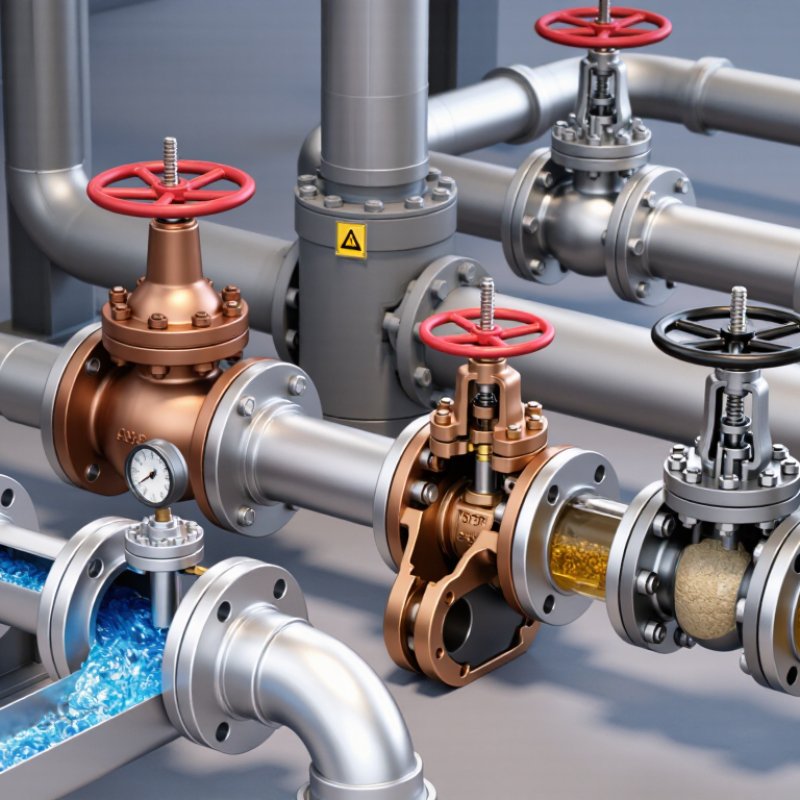
Check Valve Basics and Their Role in Fluid Systems
How to Choose the Right Check Valve for Your Application?
Check Valve Basics and Their Role in Fluid Systems
A check valve allows fluid to move in one direction. It closes when flow reverses. This simple action protects pumps, filters, pipes, and storage vessels from backflow. In practical systems, even a small reverse surge can damage equipment or contaminate clean fluid. The valve needs no manual handle. Flow pressure operates it.
Common designs include swing, lift, ball, and diaphragm check valves. Each responds differently to flow speed, pressure, installation space, and fluid condition. A swing valve suits steady flow with limited pressure loss. A lift valve can respond quickly, but it often needs cleaner fluid. Ball and diaphragm designs may handle compact piping or demanding sealing conditions. The right choice depends on real operating data, not appearance.
When selecting a check valve, confirm the fluid, temperature, pressure, pipe size, and expected flow rate. Check the cracking pressure too. Excessive resistance can reduce pump performance. Weak closing force may allow repeated flutter. That vibration is easy to overlook. I have seen systems fail because engineers considered only the connection size. Installation direction also matters, especially for vertical piping. Maintenance access should be practical, although it is often treated as an afterthought.
No selection method is perfect. Fluid behavior can change during startup, shutdown, or emergency conditions. Review pressure surges and possible water hammer. A qualified engineer should verify the final design against applicable standards and site conditions.
Define Application Requirements Before Selecting a Check Valve
Choosing the right check valve starts with defining the application, not browsing valve catalogs. Identify the fluid, operating pressure, temperature, flow rate, and pipe orientation. A clean water line may tolerate different materials than a system carrying corrosive chemicals or fine solids. Record normal and maximum conditions. Do not rely on average values alone. Pressure surges can damage a valve that appears suitable during routine operation.
Tips: Measure the available installation space. Confirm the required connection size and maintenance access. Check the valve’s cracking pressure against the pump’s available head. A high cracking pressure may restrict flow. Consider reverse-flow risk, water hammer, and vertical or horizontal installation. Ask for tested performance data, material compatibility information, and pressure ratings from a qualified supplier. Standards matter, but they do not replace application details.
The valve design should match the system’s real behavior. Swing, lift, diaphragm, and spring-loaded types respond differently to changing flow. Slow-closing designs may reduce impact, while compact spring models can suit tight layouts. Yet no choice is universal. A valve selected only by pipe diameter may fail early or create unwanted noise. This is an easy mistake to make. Review the process with an engineer when temperatures fluctuate, fluids are abrasive, or failure could interrupt critical service. Document the assumptions, because some may prove wrong after commissioning.
How to Choose the Right Check Valve for Your Application?
Define Application Requirements Before Selecting a Check Valve
Start by comparing the system design pressure with the valve’s pressure class. Common PN pressure classes are nominal ratings in bar; the actual allowable pressure depends on the valve material, temperature, applicable standard, and manufacturer rating table.
Before selecting the valve type, also define the fluid, flow direction, minimum and maximum flow rate, installation orientation, operating temperature, allowable pressure drop, and risk of water hammer. Confirm the final selection against the complete application requirements.
Compare Check Valve Types and Operating Principles
Choosing a check valve starts with comparing operating principles, not simply connection size. A swing check uses a hinged disc and suits steady, horizontal flow with low pressure loss. A lift check moves a piston or disc vertically, offering reliable sealing but needing cleaner fluid. A spring-loaded check closes when pressure falls, helping prevent reverse flow in vertical piping. It also creates a higher cracking-pressure requirement.
For pulsating flow, a dual-plate check valve often responds faster than a heavy swing disc. Its compact body can reduce installation space, yet unstable flow may cause chatter. Chatter damages seats and produces noise. A ball check handles dirty liquids well when its passage remains clear. For gas service, a diaphragm design can reduce leakage, but temperature limits require careful review. ASME B16.34 and API 594 provide useful requirements for pressure-containing and wafer-style valve designs.
Field conditions matter more than catalogue claims. The U.S. Department of Energy’s Improving Compressed Air System Performance guide reports that leakage can waste 20–30% of compressor output. A weak check valve may add reverse-flow losses to that problem. Measure flow direction, fluid viscosity, temperature, pressure, and expected cycling. Check the minimum stable flow, too. I once saw a correctly sized valve fail early because the pump operated far below its preferred range. The selection was technically correct, but operationally wrong. Seat material, installation orientation, water hammer risk, and maintenance access deserve equal attention.
Match Valve Materials and Specifications to the Medium
Choosing the right check valve begins with understanding the medium, not the pipe size.
Water, oil, steam, chemicals, and abrasive slurries behave differently inside the valve. A material that performs well with clean water may swell, corrode, or crack when exposed to solvents. Check the fluid’s temperature, pressure, viscosity, and chemical concentration before comparing valve designs.
Valve materials must match real operating conditions.
Stainless steel can resist many corrosive fluids, while reinforced plastics may suit lighter chemical service.
Seal materials also matter. They contact the medium continuously. Confirm compatibility using technical data and safety documentation, not assumptions.
A valve rated for high pressure may still fail if its seal becomes brittle at low temperatures.
Tips:
Review the maximum pressure, temperature, flow direction, and cracking pressure. Check whether the valve can operate in the planned orientation.
A spring-assisted design may prevent reverse flow, but it can restrict low-pressure flow.
For dirty media, inspect the internal passage carefully. Small particles can hold the disc open.
In field assessments, overlooked pulsation often causes noise and premature wear. That detail is easy to miss.
Compare the valve specification with actual start-up conditions, not only normal operation.
I would also leave room for uncertainty, because laboratory compatibility does not always mirror long-term plant exposure. Ask for documented test results when the medium is aggressive, hot, or unusually viscous.
Verify Installation Conditions, Maintenance Needs, and Safety Factors
Choosing the right check valve begins with the installation conditions, not the pipe size alone. Confirm the fluid, temperature, pressure, flow direction, and pipe orientation. A valve designed for clean water may perform poorly with thick liquids or suspended particles. Measure the expected flow range, including start-up and shutdown conditions. Water hammer can damage seats, fittings, and nearby instruments. I have seen small installation oversights create repeated leakage and noisy operation.
Tips: Inspect the pipe interior before installation. Remove welding beads, rust, and packing materials. Keep the flow arrow aligned with the actual direction. Support heavy piping independently, so the valve does not carry unnecessary stress. Leave enough clearance for inspection and removal. It sounds basic. It is often missed.
Maintenance needs should influence the valve style and location. Select a design that allows practical access to seals, springs, or discs. Install isolation points where servicing would otherwise require a full shutdown. Record pressure readings and unusual sounds during commissioning. A slow-closing valve can reduce shock, but its performance depends on the system’s real flow pattern. Do not rely only on catalogue data. Review field conditions after installation, because calculated assumptions can be wrong. Safety also requires pressure ratings above normal operating levels, suitable materials, secure connections, and a controlled method for relieving trapped pressure before maintenance. A perfect selection is rare; careful verification makes failures less likely.
FAQS
It allows fluid to move in one direction. When flow reverses, it closes automatically. No handle is required. This protects pumps, filters, pipes, and storage vessels from backflow.
Reverse flow can damage pumps and contaminate clean fluid. Even a small pressure surge may create serious problems. The risk is easy to underestimate.
Common designs include swing, lift, ball, diaphragm, spring-loaded, and dual-plate valves. Each design reacts differently to pressure, flow speed, and fluid condition. They are not interchangeable.
A swing valve suits steady flow and usually creates low pressure loss. It often works well in horizontal piping. Rapidly changing flow may cause the disc to move unstably.
A lift valve can close quickly and seal reliably. It usually needs cleaner fluid. A spring-loaded valve can work in vertical piping. However, its spring increases cracking pressure.
Check fluid type, temperature, pressure, pipe size, and expected flow rate. Do not select by connection size alone. Confirm the minimum stable flow. A technically correct size can still fail during low-flow operation.
Cracking pressure is the pressure needed to open the valve. Excessive pressure resistance can reduce pump performance. Insufficient closing force may cause repeated flutter. That vibration damages seats.
Follow the marked flow direction carefully. Review orientation, especially in vertical piping. Allow practical access for inspection and replacement. Consider pressure surges and water hammer. Maintenance is often planned too late.
Yes. A ball valve may handle dirty liquid when its passage stays clear. A dual-plate design can respond quickly to pulsating flow. Unstable flow may still cause chatter and noise. I might overlook this without checking real operating conditions.
Conclusion
Choosing the right Check Valve is essential for controlling fluid flow, preventing backflow, and protecting equipment within a piping system. The selection process should begin with a clear understanding of the application, including fluid type, pressure, temperature, flow rate, pipe size, and expected operating conditions. These factors help determine the valve’s required performance and ensure reliable operation.
Different check valve designs use different operating principles, such as gravity, spring force, or flow pressure, so each type should be compared according to response speed, pressure loss, installation position, and maintenance requirements. Material compatibility is also important, as the valve must withstand the properties of the medium and the surrounding environment. Before installation, verify space limitations, flow direction, connection standards, and access for inspection or replacement. Including suitable safety margins and planning regular maintenance can improve service life, reduce failure risks, and support safe, efficient fluid system performance.