
What Are the Top Water Valve Types in 2026?

Time:2026-11-05 Author:Aria
0%

Choosing a Water Valve is not a simple matter of picking the strongest-looking part. The right design depends on pressure, fluid, pipe size, operating frequency, and the job required. A gate valve can isolate a line; a globe valve can regulate flow; a check valve helps prevent reverse flow. Ball and butterfly valves offer compact options for shutoff, while control and pressure-reducing valves manage changing system conditions. Small differences matter: a valve that suits a pump room may be poorly matched to a buried distribution main.

The need for dependable infrastructure is substantial. The U.S. Environmental Protection Agency’s 2023 Drinking Water Infrastructure Needs Survey and Assessment estimated $625 billion in investment needs over 20 years. This estimate covers drinking-water infrastructure broadly, not valves alone. Still, valve selection affects maintenance access, leakage control, and the ability to isolate sections during repairs. AWWA guidance and manufacturer data can help engineers compare materials, pressure ratings, and service requirements. Specs matter. Yet no list can identify one universal “top” valve: water quality, installation conditions, and local operating practices change the answer. That point is easy to overlook. This guide compares the leading valve types by function, strengths, and practical limitations, while treating rankings as a starting point—not a substitute for project-specific engineering review.
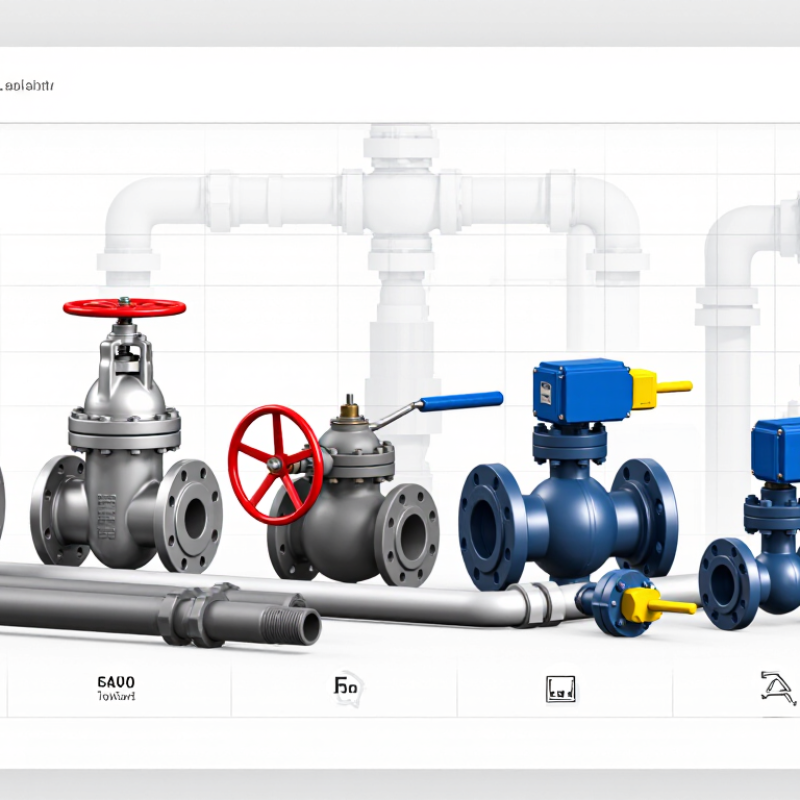
What Are the Top Water Valve Types in 2026?

Identify Water Valve Functions Using AWWA and ASME Standards

Water valve selection starts with function, not appearance. AWWA standards address valves used in waterworks systems, including design, materials, testing, and application requirements. For example, AWWA C509 and C515 cover resilient-seated gate valves, while C504 covers rubber-seated butterfly valves. ASME standards serve a different role. ASME B16.34, for instance, specifies pressure-temperature ratings and design requirements for certain valves. It does not replace an application-specific waterworks standard.

A gate valve provides shutoff and is generally intended to be fully open or closed. A butterfly valve uses a rotating disc, making it useful where space is limited and flow control is needed. Check valves help prevent reverse flow; pressure-reducing valves help control downstream pressure. The right choice depends on operating pressure, flow, water quality, installation space, and maintenance access. A standard’s scope matters. Two valves can look similar but have different ratings or test requirements. That distinction is easy to miss.

Tips: Check the exact standard edition and valve class in the project documents. Confirm pressure ratings against actual service conditions, not just pipe size. Keep installation and inspection records. When requirements conflict, pause and ask a qualified engineer; the standards alone may not settle every site-specific question.

AWWA C504 Butterfly Valves: 3–72-Inch Sizes and Isolation Service

AWWA C504 butterfly valves are used in waterworks systems for isolation service, with nominal sizes from 3 to 72 inches. Their quarter-turn operation can close a line quickly, which is useful during repairs or planned maintenance. A rotating disc controls flow inside the pipe. When fully open, it remains in the flow path, so engineers should consider pressure loss and operating conditions rather than assuming the valve behaves like a full-bore gate valve.

Choosing the right size is only part of the job. Confirm the required pressure class, end connection, material compatibility, and actuator arrangement for the installation. A small valve in a pump room may use a hand-operated mechanism; a large buried valve may need an extension stem and accessible operating nut. Check clearances, too. The disc needs room to turn, and nearby fittings can complicate installation. That detail is easy to overlook. C504 provides a useful specification framework, but project conditions still matter. Verify the current standard and manufacturer’s certified data before procurement, especially where pressure surges, frequent cycling, or unusual water chemistry are expected.

AWWA C509 Gate Valves: Resilient Seats, Size Ratings, and Shutoff Use

AWWA C509 covers resilient-seated gate valves in nominal sizes from 3 to 12 inches for water-supply service. Its resilient seat helps create tight shutoff by pressing an elastomeric surface against the gate. In a valve chamber, that means less visible leakage around the closure when the valve is fully shut. C509 defines design and testing requirements, but the project specification should still identify the required pressure class and operating conditions. Do not assume every C509 valve suits every line.

These valves are commonly used for isolation, not frequent throttling. Partially open service can increase wear and vibration; a gate valve is not a flow-control substitute.

The U.S. Environmental Protection Agency’s 2023 Drinking Water Infrastructure Needs Survey and Assessment estimated $625 billion in drinking-water investment needs over 20 years. That figure is not a valve-performance measure, but it underscores why maintainable isolation points matter.

A detail that is easy to miss: buried-valve access and stem extension affect whether crews can operate the valve during an outage.

Tips: Confirm the nominal size, pressure class, end connection, and stem arrangement against the drawings. Check the applicable C509 edition and test requirements. Operate and inspect the valve periodically. Field conditions can still surprise you.

Compare Ball and Globe Valves by ASME B16.34 Pressure-Temperature Ratings

In 2026, compare ball and globe valves by their pressure-temperature rating, not by valve name alone. ASME B16.34 tables assign allowable working pressure according to pressure class, material group, and temperature. For example, the standard lists 285 psi at 100°F and 200 psi at 400°F for Class 150 Group 1.1 carbon-steel valves. These figures are not universal: confirm the material, temperature, and applicable standard edition for the exact valve. Check the nameplate and technical documentation, too.

A ball valve typically gives fast, quarter-turn shutoff with little flow resistance when fully open. A globe valve is often selected for regulating flow, though its shaped passage can create greater pressure loss. Neither shape automatically has the higher B16.34 rating. The rating depends on compliant design, materials, and class. Small details matter. A hot line can reduce the permitted pressure even when the class stays unchanged. ASME B16.34 is the primary source for the rating tables; actual service conditions and manufacturer test records should be checked before selection. One practical wrinkle: a valve may meet the pressure-temperature rating yet still be a poor fit for frequent throttling or tight isolation. That distinction is easy to miss.

What Are the Top Water Valve Types in 2026? — Compare Ball and Globe Valves by ASME B16.34 Pressure-Temperature Ratings
Comparison Ball Valve Globe Valve
Function and Selection
Typical role Fast quarter-turn on/off isolation; suitable where low flow resistance in the fully open position is desired. Flow regulation and throttling, as well as shutoff; the disc-and-seat arrangement supports controlled flow adjustment.
Operation Usually a 90-degree turn between open and closed positions. Typically a multi-turn stem moves the disc toward or away from the seat.
Flow-control suitability Standard full-port designs are generally intended for isolation. Control performance depends on the specific design and trim. Generally better suited to throttling; pressure loss is typically higher than through a comparable full-port ball valve.
Pressure-temperature rating principle ASME B16.34 pressure-temperature ratings are determined by the applicable material group, pressure class, and temperature—not by the generic valve type alone. A compliant ball valve and globe valve of the same material group and class use the same tabulated rating basis.
Illustrative ASME B16.34 Ratings at 100°F (38°C)
Example basis Carbon steel ASTM A216 Grade WCB, Material Group 1.1; standard Class ratings. Values below are pressure ratings in psig at 100°F (38°C).
ASME Class Ball valve rating (psig) Globe valve rating (psig)
Class 150 285 285
Class 300 740 740
Class 600 1,480 1,480
Class 900 2,220 2,220
Class 1500 3,705 3,705
Class 2500 6,170 6,170
How to apply the figures These are reference-temperature ratings, not pressure limits at every operating temperature. Use the applicable ASME B16.34 material-group table to determine the allowable rating at the actual design temperature; ratings can decrease as temperature rises. Confirm the governing standard edition, valve construction, end connections, materials, and manufacturer’s documented rating before selection.

Note: ASME Class is a pressure-class designation, not a universal pressure value. The figures shown are an illustrative WCB / Material Group 1.1 comparison at 100°F (38°C); other materials and temperatures have different pressure-temperature ratings.

Check and Control Valves: AWWA C508 and C530 Design Requirements

AWWA C508 and C530 address different jobs in water systems. C508 covers swing-check valves, which help prevent reverse flow after a pump stops or pressure changes. C530 covers pilot-operated control valves, which regulate pressure or flow through hydraulic pilot components. Their design requirements support consistent construction, materials, testing, and identification. They do not make every valve suitable for every pipeline.

For a C508 valve, engineers should consider flow direction, potential water hammer, and access for inspection. A swinging disc needs room to move, and poor placement can increase turbulence or wear. With a C530 valve, the pilot circuit, pressure range, and operating conditions deserve close attention. A blocked sensing line can affect control, even when the main valve appears sound. Small details matter. Verify the applicable edition and confirm that rated pressure and end connections match the project documents. Field conditions are rarely as tidy as drawings suggest. A compliant valve can still perform poorly if sizing, installation, or maintenance is overlooked. That limitation is easy to underestimate.

FAQS

What does AWWA C509 cover?

It covers resilient-seated gate valves from 3 to 12 inches for water-supply service. It defines design and testing requirements. Check the specified edition.

What is a gate valve mainly used for?

It is generally used for isolation and full shutoff, not frequent throttling. Partial opening can increase wear and vibration. Looks can mislead.

How does a butterfly valve work?

Its rotating disc controls flow and suits installations with limited space. Confirm its ratings and suitability for actual operating conditions.

What do check and pressure-reducing valves do?

Check valves help prevent reverse flow. Pressure-reducing valves help control downstream pressure. Their roles are different.

What does ASME B16.34 specify?

It includes design requirements and pressure-temperature ratings for certain valves. It does not replace an application-specific waterworks standard.

What should be checked when selecting a valve?

Compare pressure, flow, water quality, space, and maintenance access with project documents. Pipe size alone is not enough.

Why does a resilient seat matter?

An elastomeric surface presses against the gate to help create tight shutoff. The valve must be fully closed for that function.

What details matter for buried gate valves?

Check access to the valve and the stem extension. Crews need to reach and operate the valve during an outage. I may be overlooking a site-specific constraint.

Conclusion

Choosing the right Water Valve in 2026 starts with understanding its function and the standards that guide its design. AWWA and ASME references help compare valves by application, size, pressure, temperature, and expected shutoff performance. AWWA C504 butterfly valves cover 3- to 72-inch sizes and are commonly considered for isolation service, while AWWA C509 gate valves use resilient seats and are suited to dependable shutoff when selected for the required size and service conditions.

Ball and globe valves can be compared using the pressure-temperature ratings in ASME B16.34, with the choice depending on whether the priority is isolation or flow regulation. Check valves help prevent reverse flow, and AWWA C508 and C530 provide design requirements for check and control valve applications. Matching the valve type and applicable standard to system needs supports safe, reliable operation.

Aria

Aria

Aria is a dedicated marketing professional with a deep passion for innovative strategies and a keen understanding of our company's product offerings. With a wealth of experience in the industry, Aria excels at crafting engaging content that highlights the unique features and benefits of our......