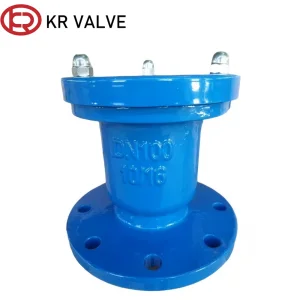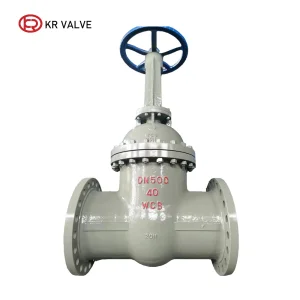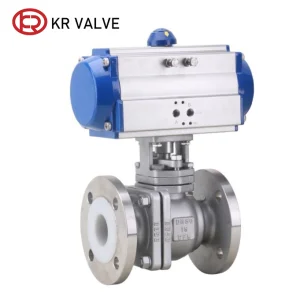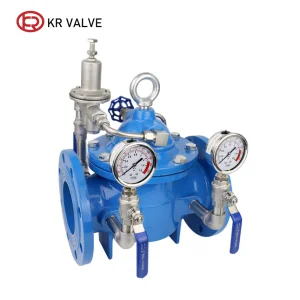
Featured OEM Pipeline & Valves Catalog (Part I)
Explore high-performance industrial valves engineered for rigorous pressure isolation, check control, and air venting application standards.
1. Executive Engineering Overview: Fluid Transients & Air Dynamics
In pressurized liquid pipeline networks—spanning municipal water transmission, high-rise HVAC circulation, agricultural irrigation, and industrial process loops—the presence of trapped air represents one of the most destructive yet frequently underestimated operational hazards. Entrained air pocket formation causes severe head losses, flow instability, accelerated internal corrosion, erratic meter readings, and catastrophic water hammer pressure surges during pump start-up or power failures.
Selecting specialized OEM air vent valve manufacturers & factories capable of precise fluid transient modeling, custom metallurgical casting, and rigorous acoustic vent testing is vital for civil engineering contractors, EPCs, and global valve distributors. Air vent valves (also categorized into automatic air release valves, air/vacuum release valves, and kinetic combination air valves) act as dynamic hydromechanical safeguards designed to automatically exhaust entrapped air bubbles during pressurized operation and intake mass volumes of atmospheric air during rapid line drainage to prevent destructive vacuum collapse.
2. Structural Classification & Technical Dynamics of Air Release Valves
Understanding the mechanical nuances of small orifice, large orifice, and kinetic anti-slam combination air valves.
Automatic Air Release Valves (Small Orifice)
Designed to continuously discharge small accumulations of dissolved air while the pipeline is operating under full hydraulic pressure. Featuring small orifices (typically 1.5mm to 3.0mm), these valves leverage internal float mechanisms and compound leverage arms to unseat the seal pin even when high internal line pressure exerts upward force against the orifice.
Air / Vacuum Valves (Large Orifice)
Engineered to discharge massive volumes of air during initial pipeline filling operations and admit equivalent atmospheric air volumes during pipeline draining or sudden column separation events. The large orifice matching the full valve inlet diameter ensures pipe protection against negative vacuum pressure conditions without premature blow-shut closure.
Combination Air Valves (Triple Function)
Integrating both small and large orifice assemblies within a single compact body casing. Combination air valves provide seamless automated air management across all three pipeline lifecycle stages: rapid air exhaust during filling, rapid air intake during draining, and continuous micro-air discharge under full operating pressure. Modern OEM designs feature built-in Anti-Slam (Surge Check) discs.
Air Vent Valve Engineering Performance Comparison Matrix
| Valve Type | Primary Orifice Size Range | Operating Pressure Differential | Discharge Capacity Range | Key Structural Materials | Compliance Standards |
|---|---|---|---|---|---|
| Single Port Automatic Vent | 1.5 mm – 4.0 mm | 0.2 bar – 16 bar / 25 bar | 10 – 150 $m^3/h$ air | Ductile Iron / SS304 Float / EPDM | EN 1074-4, ISO 5208 |
| Kinetic Air/Vacuum Valve | DN50 – DN300 (Full Port) | 0.1 bar – 16 bar | 500 – 12,000 $m^3/h$ air | GGG40/50, SS316 Trim, NBR Seat | AWWA C512, BS EN 12266 |
| Combination Double Orifice | Dual Orifice (Small & Large) | 0.2 bar – 40 bar / PN40 | 1,000 – 18,000 $m^3/h$ air | Ductile Iron, SS316 Float, FBE Coating | DIN 3546, EN 1074-4 |
| Anti-Slam Combination Valve | Dual Orifice + Regulated Port | 0.1 bar – 64 bar / PN64 | Controlled Throttle Exhaust | Cast Steel WCB / Duplex SS 2205 | API 598, CE PED 2014/68/EU |
3. Strategic Engineering & Manufacturing Advantages of China OEM Factories
Over the past three decades, Chinese valve manufacturing hubs—particularly concentrated in the Tianjin, Zhejiang, and Jiangsu industrial corridors—have evolved from high-volume foundries into world-class high-precision engineering hubs. Partnering with a specialized Chinese OEM air vent valve manufacturer yields distinct competitive advantages for global brands, engineering procurement companies (EPCs), and municipal infrastructure suppliers:
Advanced Metallurgical Precision & Casting Standards
Leading OEM factories utilize automated resin-sand molding lines and electric induction furnaces to produce high-density Ductile Iron (EN-GJS-400-15 / EN-GJS-500-7) and Stainless Steel (CF8, CF8M, Duplex 2205) castings. Chemical composition is verified via real-time optical emission spectrometry to prevent micro-porosity and guarantee burst pressures up to 4x nominal rating.
Precision CNC Machining & Automated Coating Lines
Valve body flange faces, seat cavities, and float guide rails are machined using multi-axis CNC centers ensuring dimensional tolerances within ±0.02mm. Fusion-Bonded Epoxy (FBE) coating systems apply non-toxic, drinking-water approved epoxy powders (WRAS, NSF/ANSI 61 compliant) electrostatically at 250 to 350 microns, achieving high corrosion resistance (1000hr+ salt spray test).
End-to-End Cost Optimization & Vertical Integration
By integrating pattern design, foundry casting, rubber vulcanization (EPDM/NBR seals), stainless steel float spinning, assembly, and testing within one factory ecosystem, Chinese OEM suppliers eliminate intermediary markup fees. This enables competitive unit pricing without sacrificing material density or structural wall thickness.
Custom Mechanical Engineering & White-Labeling
Chinese OEMs provide extensive private-label customization options: custom flange standards (ANSI Class 120/150/300, EN 1092-2 PN10/16/25/40, JIS 10K/20K), specialized float materials (polypropylene, 316SS, titanium), customized branding laser engraving, specialized body colors, and proprietary anti-slam throttling mechanisms tailored to customer CAD/STEP drawings.
4. Global Market Trends & Next-Generation Valve Technologies
The international air vent valve manufacturing market is undergoing significant technological shifts driven by municipal digitalization, smart water management (AMI), rigorous energy conservation mandates, and aggressive HVAC decarbonization initiatives:
Smart Water Networks & IoT-Enabled Air Management Sensors
Modern municipal smart water systems are increasingly embedding wireless acoustic monitoring sensors, pressure transducers, and micro-flow sensors directly into combination air release valve caps. These smart valves transmit real-time telemetry regarding venting frequency, sudden pressure transient spikes, internal leakage events, or float jamming caused by biological fouling, allowing water utilities to shift from reactive maintenance to predictive asset health monitoring.
Surge-Suppression & Transient Modeling
Engineers no longer treat air valves as passive accessories. Advanced transient software (such as HAMMER or KYPIPE) models line column separation during power outages. OEM manufacturers now produce specialized dynamic anti-slam air valves equipped with dual-stage spring mechanisms or secondary slow-closing throttling discs that limit air exhaust velocity during column re-joining, preventing extreme destructive pressure surges.
HVAC Micro-Bubble De-aeration & Decarbonization
In commercial district cooling and high-temperature hydronic heating networks, micro-bubbles of oxygen and nitrogen impair heat exchanger transfer efficiency. Next-generation OEM air vent valves incorporate specialized internal stainless-steel coalescence mesh cartridges that capture microscopic gas bubbles down to 15 microns, enhancing HVAC thermal efficiency by up to 8% and protecting boiler pumps.
5. Macro Technical Solutions & Localized Application Scenarios
Tailoring OEM air release valve configurations to specific fluid conditions, pipe geometries, and regional operating environments.
Municipal Potable Water Mains & Transmission Trunks
The Solution: Installing high-capacity combination double-orifice air valves at all pipeline high points, long horizontal runs (every 500-1000m), and immediately downstream of pump discharge check valves.
Material Spec: Ductile Iron GGG50 body, WRAS-approved FBE coating, SS316 spherical float, EPDM bubble-tight seat, PN16/PN25 flange.
High-Rise HVAC Chilled & Hot Water Loops
The Solution: Compact automatic brass or stainless-steel single-port air vent valves positioned on top of riser manifolds, thermal expansion tanks, and mechanical room heat exchangers to prevent vapor locks and noise.
Material Spec: Nickel-plated Forged Brass (CW617N) or SS304 body, high-temperature Viton/EPDM seat seal, operating temperatures up to 120°C.
Agricultural Drip & Micro-Irrigation Infrastructure
The Solution: Kinetic plastic (Polyamide/PP) and low-pressure ductile iron air valves placed at zone manifolds. Prevents soil suction and vacuum collapse of thin-walled polyethylene drip tape lines when sub-main valves shut off.
Material Spec: UV-Stabilized Reinforced Nylon / Ductile Iron body, sealing at ultra-low operating pressures (as low as 0.1 bar / 1.5 psi).
Sewage, Wastewater & Industrial Slurry Pipelines
The Solution: Conical body air release valves with elongated lower liquid bodies that isolate the upper venting mechanism and float from solid sludge, preventing clogging, fat buildup, and corrosive gas leakage.
Material Spec: Stainless Steel CF8M / Ductile Iron with internal Rilsan/Epoxy lining, 316SS float, lower drain valve for flushing maintenance.
6. Global Enterprise Procurement & OEM Supplier Audit Standard (SOP)
Procurement managers, quality assurance auditors, and engineering directors must evaluate OEM factories against precise technical criteria to mitigate project risks, guarantee field performance, and ensure compliance with international codes:
1. Quality System Certifications
Verify that the manufacturer holds active ISO 9001:2015 Quality Management, ISO 14001 Environmental, and ISO 45001 Occupational Health certifications. Product line certifications must include CE PED (Pressure Equipment Directive 2014/68/EU), WRAS (UK), NSF/ANSI 61 (USA), or ACS (France) for potable water projects.
2. Hydrostatic & Aerodynamic Testing
Demand 100% factory hydrostatic seat and shell testing certificates compliant with ISO 5208 or EN 12266-1. The supplier must feature an in-house aerodynamic testing bench capable of plotting differential pressure vs. air flow discharge curves ($m^3/h$) according to EN 1074-4.
3. Material Traceability & EN 10204 3.1
Ensure full raw material traceability from foundry heat numbers to finished components. Require EN 10204 Type 3.1 chemical analysis and mechanical property test certificates for valve bodies, floats, and sealing elastomers (verifying tensile strength, elongation, and shore hardness).
7. Deep-Dive Engineering Questions & Technical FAQ
Frequently asked technical questions answered by our chief valve application engineers.
Where should air vent valves be positioned along a liquid pipeline network?
Air vent valves should be strategically installed at the following critical locations:
- High Points: Peaks in pipeline profile where air naturally collects due to buoyancy.
- Horizontal Run Increments: Every 500 meters to 1000 meters along flat continuous pipeline sections.
- Slope Changes: Points where pipeline slope decreases or increases sharply.
- Pump Stations: Immediately downstream of pump discharge check valves and deep-well turbine pumps to purge trapped air prior to line entry.
- Control Valves: Adjacent to pressure reducing valves (PRVs) and isolation gate valves.
What is the mechanical cause of air valve "blow-shut" and how do OEM factories prevent it?
"Blow-shut" occurs during high-velocity filling when high-velocity air flowing past a spherical float creates a low-pressure area above the float (Bernoulli principle), causing the float to suddenly lift and seal the large orifice before all air has been exhausted. Chinese OEM factories prevent blow-shut by designing aerodynamic float guides, utilizing kinetic float geometry, or incorporating internal baffle plates that decouple high air velocity from direct float lift forces.
How does an Anti-Slam (Surge Suppression) air release valve function?
An Anti-Slam combination air valve contains a spring-loaded or disc-controlled secondary mechanism over the main air exhaust orifice. During initial filling or low-velocity air discharge, air exhausts freely through the large port. However, if the exhausting air velocity exceeds a critical threshold (indicating water is rapidly approaching the valve body), the anti-slam disc automatically snaps into a throttled position. This restricts the air exhaust rate, creating a temporary air cushion that decelerates the advancing water column and prevents destructive water hammer when the water reaches the float.
What are the primary differences between EPDM and NBR elastomeric seals in air release valves?
EPDM (Ethylene Propylene Diene Monomer): Superior resistance to ozone, UV exposure, high temperatures (up to 120°C/250°F), and drinking water treatment chemicals (chlorine/chloramines). Standard choice for municipal water networks and HVAC water systems.
NBR (Nitrile Rubber): Excellent resistance to petroleum oils, diesel, hydrocarbons, and mechanical abrasion. Standard choice for industrial oil lines, gas systems, and raw sewage containing greasy contaminants.
What standard OEM documentation is supplied with custom air vent valve export orders?
Standard export quality documentation packages provided by premier Chinese OEM manufacturers include:
- EN 10204 3.1 Material Test Certificates (MTR) for Body & Trim.
- 100% Pressure Test Reports (Shell Hydrostatic & Seat Tightness).
- Fusion Bonded Epoxy (FBE) Coating Thickness & Adhesion Test Certificates.
- Certificate of Origin (Form E, CO, Form F).
- Comprehensive Operation & Maintenance (O&M) Manuals.
Featured OEM Pipeline & Valves Catalog (Part II)
Browse additional factory-direct fluid control solutions, specialized air release valves, pressure relief systems, and strainers.