
Explore our flagship heavy-duty industrial valves manufactured under rigorous ISO 9001 and API standards. Available for custom OEM configuration, dead-end service, and corrosive liquid isolation.
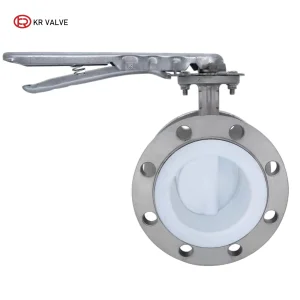
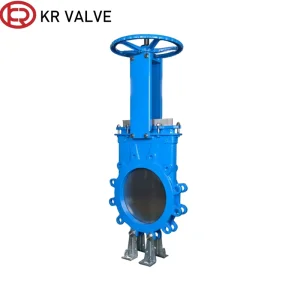
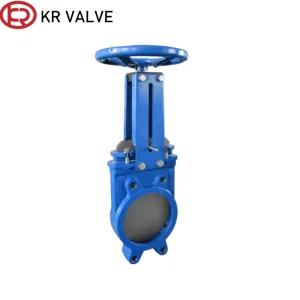
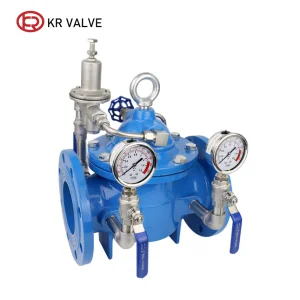
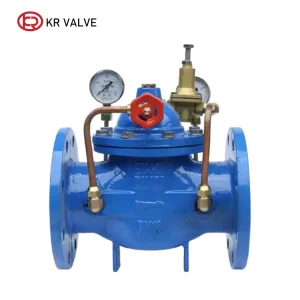
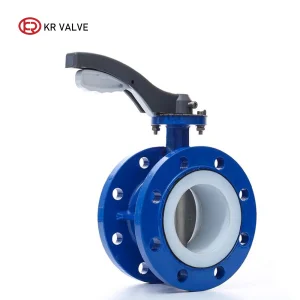
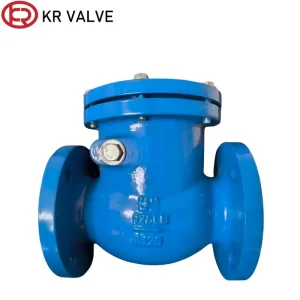
In modern fluid infrastructure, cast iron butterfly valves represent the backbone of low-to-medium pressure pipeline modulation. The global industrial marketplace is experiencing a profound transition driven by urbanization, municipal water modernization, HVAC automation, and stringent environmental containment standards. According to market intelligence, the global market for quarter-turn industrial valves is expanding at a steady CAGR of 5.4%, with cast iron and ductile iron variants capturing over 42% of total volume demand in municipal and commercial building sectors.
The commercial dominance of cast iron—specifically Gray Cast Iron (ASTM A126 Class B / EN-GJL-250) and Spherical Graphite Ductile Iron (ASTM A536 65-45-12 / EN-GJS-400-15)—stems from an unbeatable strength-to-cost ratio, superior mechanical damping capability, and ease of high-precision foundry casting. However, global procurement teams face increasing complexity due to varying international standards (DIN EN 593, BS EN 593, API 609, and AWWA C504). Sourcing high-integrity OEM valves requires navigating subtle structural tradeoffs between body designs (Wafer, Lug, and Double Flanged) and resilient lining chemistry (EPDM, NBR, Viton, and PTFE).
Information Gain Insight: Sourcing managers frequently conflate Gray Iron (GG25) with Ductile Iron (GGG40). While GG25 offers excellent acoustic damping and cost efficiency for static HVAC setups, GGG40 exhibits a minimum tensile strength of 400 MPa and 15% elongation, rendering it imperative for systems exposed to hydraulic water hammer, thermal transients, or seismic activity.
An optimal OEM valve specification balances mechanical design against medium composition, flow velocity, and line pressure. Modern OEM manufacturing utilizes advanced 3D finite element analysis (FEA) to minimize disc thickness and profile drag, maximizing flow coefficients (Cv/Kv values) while retaining hydrodynamic structural rigidity.
Concentric (Zero-Offset) Design: The stem axis aligns perfectly with the center of the valve body and disc. The elastomeric seat (vulcanized or replaceable boot style) forms a continuous 360° interference seal. This is the standard architecture for PN10/PN16 water and HVAC lines.
Double Offset (High-Performance) Design: The stem is offset from the shaft center line and the disc center line. This double eccentricity lifts the disc off the seat within degrees of rotation, drastically reducing seat friction, operational torque, and seat degradation over extended cycle frequencies.
| Material / Parameter | Gray Cast Iron (GG25 / A126) | Ductile Cast Iron (GGG40 / A536) | Stainless Steel Disc (CF8/CF8M) |
|---|---|---|---|
| Tensile Strength | 250 MPa min. | 400 MPa min. | 485 MPa min. |
| Yield Strength | N/A (Brittle behavior) | 250 MPa min. | 205 MPa min. |
| Elongation Rate | < 0.8% | ≥ 15% | ≥ 35% |
| Impact Resistance | Low (Static loads) | High (Dynamic/Hammer loads) | Exceptional |
| Best Applications | Building HVAC, Low-pressure water | Municipal mains, Fire lines, Slurry | Corrosive chemicals, Desalination |
The longevity of a butterfly valve depends heavily on rubber vulcanization quality and material selection:
- EPDM (Ethylene Propylene Diene Monomer): Operational from -20°C to +120°C. Outstanding resistance to potable water, ozone, alcohols, and low-concentration acids. Certified to WRAS, NSF 61, and FDA standards.
- NBR (Nitrile Rubber): Operational from -10°C to +82°C. Essential for hydrocarbon service, oily water, gas lines, and compressed air systems.
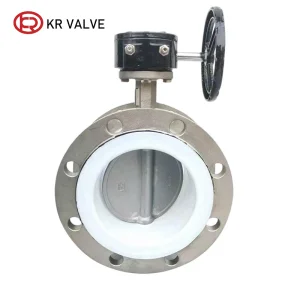
- PTFE / PFA Lining: Mechanically bonded or molded over CF8/CF8M disc cores. Provides complete chemical inertness against concentrated nitric, sulfuric, and hydrochloric acids up to 180°C.
Deploying cast iron butterfly valves requires analyzing site-specific environmental conditions and regulatory mandates. Below are detailed field integration scenarios where our OEM engineered solutions excel:
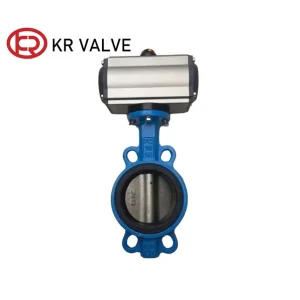
High-rise commercial towers and district chilled water loops require reliable quarter-turn isolation. Wafer-type GGG40 butterfly valves equipped with ISO 5211 direct-mount top flanges allow smooth integration with electric or pneumatic actuators for automated BACnet control.
Potable water distribution lines demand zero-lead components and low head-loss coefficients. Double-flanged resilient seated butterfly valves (DN300 to DN2000) built to BS EN 593 ensure bubble-tight bi-directional sealing and long service life under buried or pit installation conditions.
Effluent lines carrying suspended solids and chemical residues cause severe abrasion. Full PTFE-lined CF8/GGG40 butterfly valves and specialized ball check/knife gate combinations prevent media accumulation, stem binding, and premature seal wash-out.
Tianjin, China, has established itself as the world's premier industrial hub for valve manufacturing, combining dense metallurgical raw material access with advanced CNC precision machining clusters. Our OEM manufacturing facility leverages this geographic and supply chain synergy to deliver unparalleled cost competitiveness without sacrificing technical precision.
Our automated foundry lines use high-density resin sand molds and lost-foam casting systems. This guarantees uniform wall thickness, eliminates internal porosity, and ensures smooth internal flow passages that reduce fluid turbulence.
Stem journals, disc seating faces, and flange faces are machined on multi-axis CNC centers in a single setup. This guarantees strict concentricity tolerances (within ±0.02mm), lowering operating torque and extending rubber seat operational life.
Every single valve manufactured undergoes hydrostatic shell testing (1.5x PN) and pressure seat testing (1.1x PN) in accordance with API 598 or EN 12266-1 prior to painting and export packaging. Zero-leakage compliance is verified and logged for complete quality traceability.
Global EPC contractors and regional valve distributors require absolute regulatory compliance. Our OEM engineering services provide end-to-end documentation packages, ensuring frictionless customs clearance and site acceptance audits across Europe, North America, the Middle East, and Southeast Asia.
- CE-PED Certification: Full compliance with the European Pressure Equipment Directive 2014/68/EU Module H for international safety compliance.
- Potable Water Approvals: Elastomeric components (EPDM) available with WRAS (UK), NSF/ANSI 61 (USA), and DVGW (Germany) certifications for drinking water safety.
- Standard Face-to-Face Compliance: Strictly manufactured to ISO 5752, EN 558 Series 20 (Wafer/Lug), and API 609 Table 1 specifications, allowing direct drop-in replacement for legacy installations.
- Custom OEM Branding: Private label casting tags, customized epoxy powder coating colors (RAL 5005 / RAL 5015 / RAL 3000), branded nameplates, and export-grade reinforced wooden crates.
The next decade will transform traditional mechanical valves into smart, data-emitting assets embedded within Industrial Internet of Things (IIoT) ecosystems. Our R&D division is continuously pioneering advancements in material science and smart actuation:
Integration of low-power Bluetooth/LoRaWAN vibration, pressure-drop, and stem rotation sensors directly inside the gearbox housing to enable real-time predictive maintenance and early cavitation detection.
Transitioning electric arc furnaces toward 100% clean solar energy power and incorporating recycled scrap sorting techniques to produce zero-carbon footprint cast iron valves aligned with global ESG directives.
Formulating nano-reinforced EPDM and fluoroelastomer seals with micro-lubrication additives to reduce dry breakaway torque by up to 35%, lowering required actuator sizing and system power consumption.
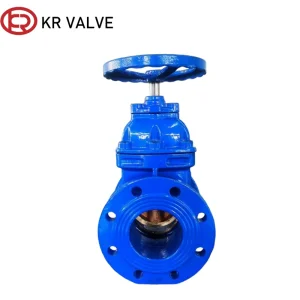
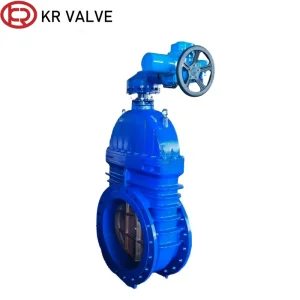
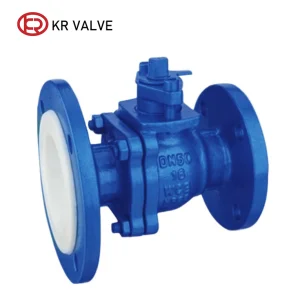
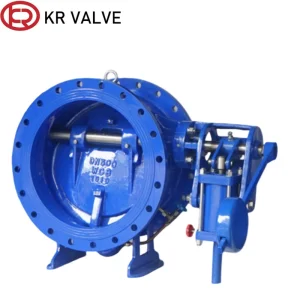
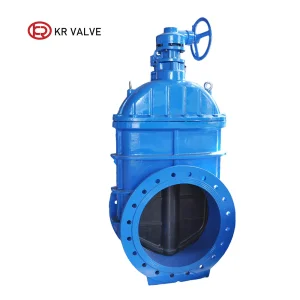
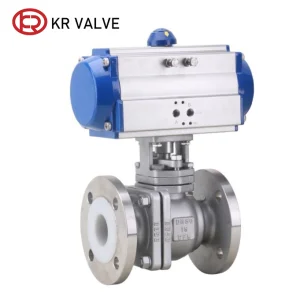
Complete your pipeline package with our auxiliary check valves, gate valves, ball valves, and pressure control components engineered under identical quality assurance protocols.
In-depth answers to technical questions frequently encountered by piping system designers, plant engineers, and industrial buyers.