
Featured Gear Box & Flow Control Valves (Part I)
Precision-engineered industrial valves built to DIN, BS, AWWA, and ANSI standards. Select a specialized design below to examine specific technical characteristics.
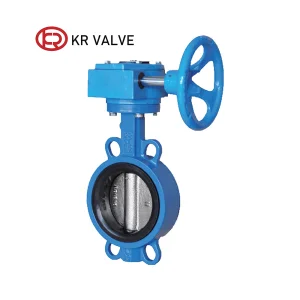
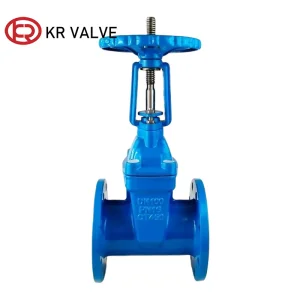
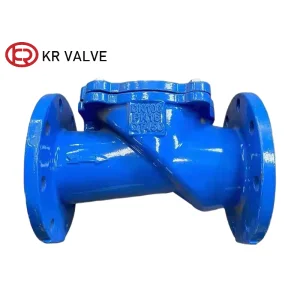
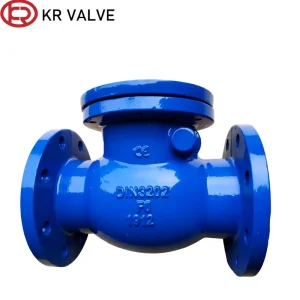
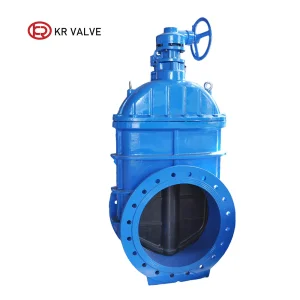
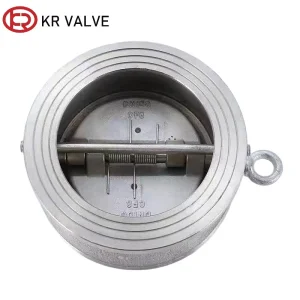
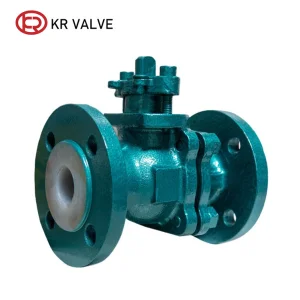
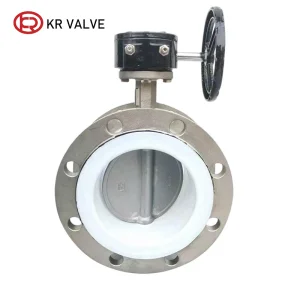
1. Executive Summary: The Evolution of Industrial Gear Box Butterfly Valves
In modern fluid dynamics and mega-scale industrial infrastructure, isolating and modulating flow media under elevated operating pressures require unprecedented torque precision, mechanical reliability, and sealing integrity. Gear box operated butterfly valves—spanning concentric resilient-seated, double eccentric (double offset), and triple eccentric (triple offset) configurations—represent the pinnacle of quarter-turn mechanical valve design.
As global industries shift toward automated smart municipal networks, high-pressure desalination facilities, and zero-emission chemical processing plants, the global demand for custom Original Equipment Manufacturer (OEM) butterfly valve solutions has intensified. Manual lever actuation becomes physically unviable for pipe sizes exceeding DN150 (6 inches) due to excessive hydrodynamic resistance and breakaway torque requirements. Gear box actuators utilize self-locking worm gear mechanisms with mechanical advantages upwards of 40:1 to 300:1, turning high-stem torque inputs into smooth, controlled rotational movement that eliminates destructive water hammer transients.
Core Engineering Gain: Integrating custom-engineered worm gear gearboxes onto quarter-turn butterfly valves reduces required input torque by up to 92%, enabling manual operation of large-bore valves up to DN2400 (96 inches) while offering ISO 5211 direct-mount interfaces for seamless motorized or pneumatic actuator retrofitting.
Key Mechanical Dynamics: Why Gearbox Actuation Surpasses Direct Lever Operation
When calculating the total hydrodynamic resistance of a quarter-turn butterfly valve disc operating within high-velocity liquid or gas streams, three discrete torque components must be overcome:
- Breakaway & Seam Sealing Torque ($T_{seal}$): The friction generated between the elastomeric (EPDM/NBR), fluoroplastic (PTFE), or metallic sealing ring and the stainless steel disc edge during initial unseating.
- Dynamic Hydrodynamic Torque ($T_{hydro}$): The unbalanced fluid force acting across the asymmetrical profile of the rotated disc at intermediate open angles (typically peak resistance occurs between 60° and 70° open).
- Bearing & Packing Friction Torque ($T_{bearing}$): The mechanical friction present at the upper and lower drive shaft journal bearings under line-pressure thrust loads.
Worm Gear Transmission
Heavy-duty ductile iron gearbox housings equipped with hardened carbon steel worm shafts and bronze worm gears deliver smooth torque transfer, self-locking positioning, and visual mechanical position indicator windows.
ISO 5211 Standard Top Flange
Standardized top-flange dimensions allow direct mounting of manual handwheel gearboxes, electric multi-turn/quarter-turn actuators, or pneumatic rack-and-pinion control packages without extra brackets.
Anti-Water-Hammer Throttling
Slow gear reduction ratios eliminate sudden fluid velocity changes, preventing destructively high pressure surges (slam shutoff) in critical municipal drinking pipelines and cooling loops.
Global OEM Manufacturing Capability Matrix
Quantifiable quality benchmark data representing our integrated casting, precision machining, and pressure testing capabilities in Tianjin Valve Industrial Zone.
2. Metallurgical Selection & Sealing Mechanics Architecture
Selecting the proper combination of body casting material, disc chemistry, and seating compound is critical to extending service life in corrosive, abrasive, or high-temperature operating environments. As an elite OEM gearbox butterfly valve manufacturer, our technical foundry protocols comply with rigorous international material specifications.
Body & Disc Metallurgical Engineering
Ductile Iron GGG40 / GGG50 (QT450-10): Offers superior tensile strength (400–500 MPa) and high elongation (10–15%) compared to traditional grey cast iron (GG25). Ductile iron body castings prevent catastrophic fracture caused by line expansion strain, water hammer shocks, or ground movement in buried municipal lines.
Cast Steel WCB (ASTM A216): Ideal for high-pressure industrial power plants, steam distribution, and petroleum piping where thermal cycling and mechanical stresses exceed ductile iron capabilities.
Austenitic Stainless Steel CF8 / CF8M (SS304 / SS316): Used extensively for food processing, seawater desalination, and aggressive chemical handling. The inclusion of 2-3% Molybdenum in CF8M provides high resistance to pitting corrosion caused by chloride ion exposure.
Advanced Sealing Compounds & Seat Design Standards
| Seat Material Specification | Operational Temp Range | Suitable Media Applications | Leakage Rate Rating | Chemical Resistance Index |
|---|---|---|---|---|
| Resilient EPDM (Vulcanized) | -20°C to +120°C | Drinking Water, HVAC, Sewage, Mild Acids | ISO 5208 Rate A (Zero Leak) | High (Polar Solvents) |
| NBR (Nitrile Rubber) | -10°C to +85°C | Oils, Petroleum, Compressed Air, Gas | ISO 5208 Rate A (Zero Leak) | High (Hydrocarbons) |
| PTFE / PFA Lined | -30°C to +180°C | Ultra-Pure Chemicals, Strong Acids, Solvents | ISO 5208 Rate A (Zero Leak) | Extreme (Universal inert) |
| Metal-to-Metal (SS316 / Stellite) | -50°C to +450°C+ | Superheated Steam, High-Temp Oil, Slurry | ANSI Class IV / V | High (Wear Resistant) |
3. Global Market Trends & Technological Roadmap (2025–2035)
The global industrial valve market is undergoing a seismic digital and environmental transformation. The convergence of IoT smart monitoring, decarbonization initiatives, and global water scarcity is redefining expectations for gearbox butterfly valve manufacturers.
Integration of wireless torque sensors and micro-position indicators into worm gearbox housings to transmit real-time valve health, seat wear, and cycle count data to SCADA control systems.
Transition of raw casting operations toward electric induction furnaces and reclaimed resin sand molding, reducing the carbon footprint per valve body by up to 45% to meet EU CBAM export criteria.
Widespread adoption of nano-composite ceramic and HVOF (High-Velocity Oxygen Fuel) metal coatings on double offset disc edges to achieve 100,000+ cycle durability under abrasive slurry conditions.
Development of smart memory elastomer seats capable of micro-swelling to seal around mechanical scratches or debris inclusions, preventing continuous low-grade leakage.
4. Regional & Localized Application Scenarios
As an experienced OEM manufacturing partner exporting to over 50 countries, we adapt valve designs to accommodate unique regional engineering codes, environmental extremes, and operational paradigms.
Middle East (MENA Region)
Challenge: High ambient temperatures (50°C+), sandstorm dust ingress, and hyper-saline seawater in SWRO desalination plants.
OEM Solution: IP68 fully sealed weatherproof gearboxes, Super Duplex SS2507 disc surfacing, and UV-resistant fusion-bonded epoxy powder coating (FBE) applied to 300 microns thickness.
North America & Europe
Challenge: Strict potable water standards (NSF/ANSI 61, WRAS, DVGW) and demanding dead-end service pressure tests.
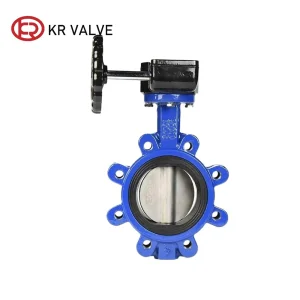
OEM Solution: Full-lug body configurations with threaded bolt holes for downstream pipe removal, equipped with WRAS-certified EPDM vulcanized seats and AWWA C504 face-to-face dimensions.
Southeast Asia & LatAm
Challenge: Rapid municipal infrastructure growth, heavy monsoon flooding, and variable pipeline pressure surges.
OEM Solution: Ductile iron double flange butterfly valves with self-locking manual gearboxes, offering high flow coefficients ($K_v / C_v$) and budget-optimized bulk project manufacturing.
Macro Industry Systems Engineering Solutions
Comprehensive turnkey valve assemblies tailored for specialized industrial infrastructure projects.
Municipal Water Trunk Mains
Large-diameter double eccentric flanged butterfly valves (DN800–DN2000) equipped with dual-stage reduction gearboxes. Delivers low operating torque and precise throttling during main line filling and drain-down cycles.
HVAC Chilled Water Plants
Wafer and lug type resilient-seated gear box butterfly valves providing bi-directional bubble-tight isolation in high-rise district cooling systems. Designed for low pressure-drop energy efficiency.
Corrosive Chemical Processing
Full PTFE/PFA lined concentric butterfly valves featuring split stainless steel body designs and encapsulated disc shafts, providing total fluid isolation from metallic body parts.
Featured Gear Box & Flow Control Valves (Part II)
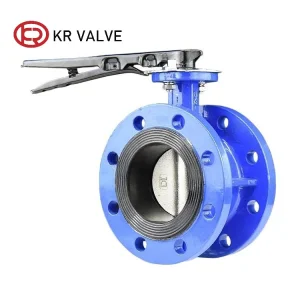
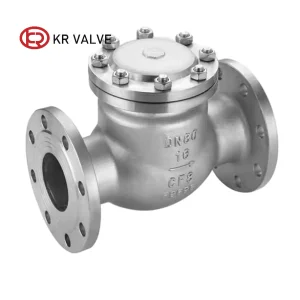
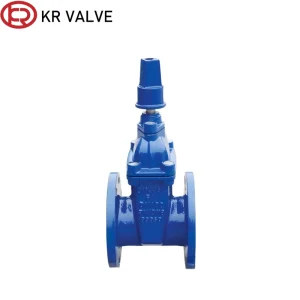
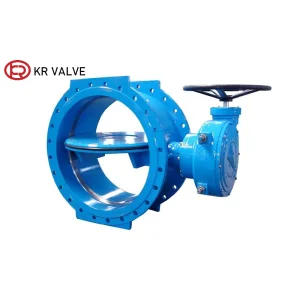
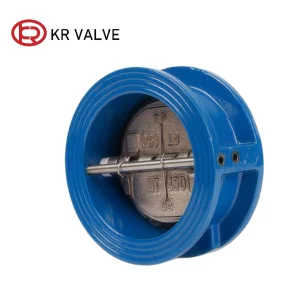
Explore our complete complementary catalog including eccentric butterfly valves, check valves, and resilient gate valves engineered for seamless global pipeline integration.
Frequently Asked Questions (OEM Engineering & Procurement)
Expert answers provided by our senior metallurgical and mechanical engineering team regarding gearbox butterfly valve specification and OEM manufacturing processes.