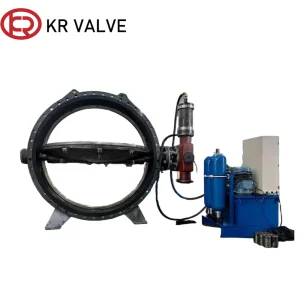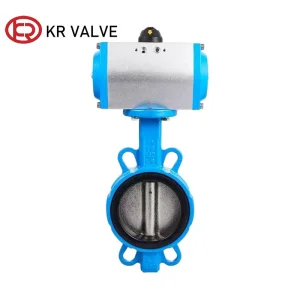
Featured Factory Valve & Sealing Assemblies
Direct OEM/ODM production lines for municipal, chemical, power, and marine flow systems.
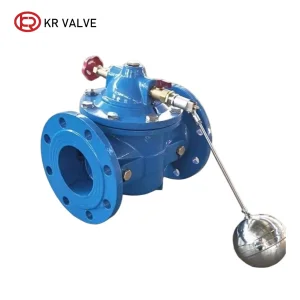
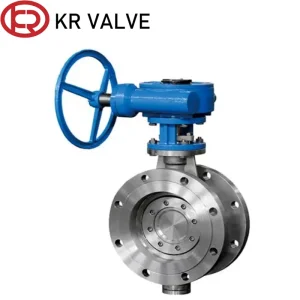
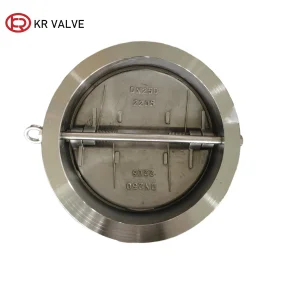
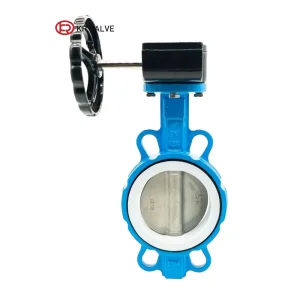
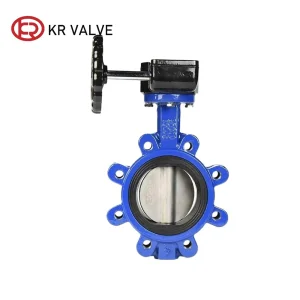
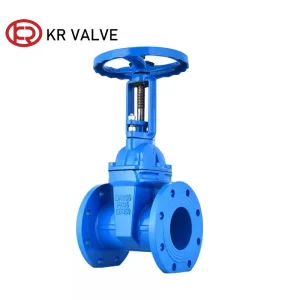
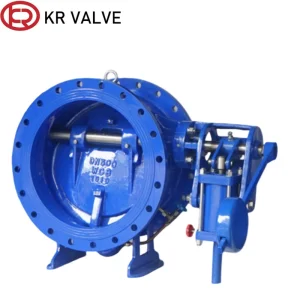
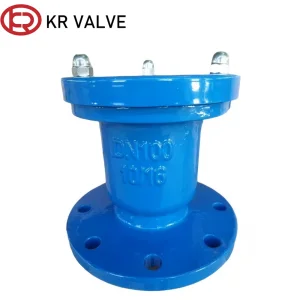
Industrial Benchmarks & Precision Engineering Data
Empirical metrics reflecting high-capacity rubber vulcanization, metal-to-metal seating tolerances, and zero-leakage test pass rates.
1. Executive Summary & Fundamentals of Butterfly Valve Sealing Architecture
In modern industrial process engineering, the butterfly valve has evolved from a lightweight isolation device into a critical control element capable of managing volatile liquids, corrosive gases, slurries, and high-pressure steam. At the core of every butterfly valve performance matrix lies the valve seal element. Whether resilient elastomer, reinforced fluoroplastic (PTFE), or laminated metal-to-metal matrix, the integrity of the seating interface dictates system reliability, fugitive emission control, operational torque requirements, and total cost of ownership (TCO).
When sourcing through a wholesale butterfly valve seal factory or establishing OEM supplier partnerships in major industrial clusters (such as Tianjin, Zhejiang, and Jiangsu, China), procurement directors, engineering lead consultants, and EPC project managers must evaluate sealing performance beyond nominal pressure ratings. The seal architecture must balance interference stress, resilience retention under thermal cycling, wear resistance against abrasive particulates, and dynamic torque transmission.
Engineering Insight: Interference Sealing vs. Torque Amplification
Concentric butterfly valves rely on interference seating where the disc outer diameter is slightly larger than the resilient seat inner diameter. Excess interference increases seated torque dramatically and accelerates tear degradation, while insufficient interference yields low-pressure micro-leakage. High-tier wholesale factories utilize FEA dynamic stress modeling to optimize interference contours, cutting operational torque by up to 22% while guaranteeing ISO 5208 Rate A bubble-tight sealing.
1.1 Structural Classification of Butterfly Valve Sealing Interfaces
Butterfly valve sealing designs are categorized into four major structural typologies based on shaft eccentricity and seat material mechanics:
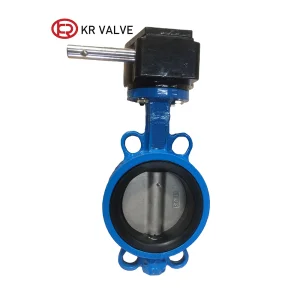
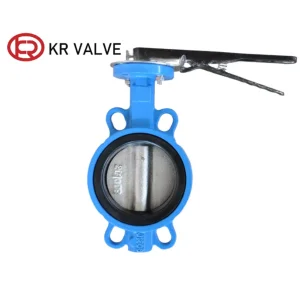
- Concentric (Zero-Offset) Resilient Seating: The valve stem center, disc center, and body bore center align on a common axis. The elastomeric liner (EPDM, NBR, FKM) or PTFE-backed elastomeric cushion is vulcanized or bonded into the valve body or liner sleeve. Ideal for water treatment, low-pressure HVAC, and general utility service up to Class 150 / PN16.
- Single-Offset Seating: The stem axis is offset behind the seat centerline to create a continuous 360-degree sealing circle without stem penetration through the sealing ring, reducing local stress concentrations.
- Double-Offset (High-Performance) Seating: Features two distinct offsets: stem located behind seat centerline (Offset 1) and stem offset laterally from body center (Offset 2). During rotation, the disc lifts off the seat within 5 to 10 degrees of opening, virtually eliminating friction-induced seat wear across the stroke. Utilizes resilient PTFE, R-PTFE, or flexible metal seat rings for medium-pressure processes up to Class 300 / PN40.
- Triple-Offset Metal-to-Metal (TOBV) Seating: Introduces a third angular offset where the seating cone axis is tilted away from the pipe center axis. This geometry eliminates friction completely throughout the 90-degree movement, achieving a camming action. Sealing occurs purely via mechanical compression against a laminated stainless steel/graphite matrix or solid Stellite alloy seat, suitable for cryogenic service, superheated steam, and hydrocarbon refining up to Class 900 / PN100.
2. Global Industrial Market Landscape & Procurement Dynamics
The global industrial valve and actuator market is expanding rapidly, driven by municipal wastewater upgrades in North America and Western Europe, mega-scale desalination construction across the Middle East, and industrial decarbonization initiatives globally. According to recent market analysis, butterfly valves represent over 34% of the global quarter-turn valve segment due to their space-saving footprint, lower weight compared to gate valves, and adaptability to automatic actuation.
2.1 Shift Toward Integrated Supply Chains and Direct Factory Wholesale
Global engineering buyers are increasingly bypassing intermediary traders to forge direct relationships with wholesale butterfly valve seal factories. This structural shift is propelled by three imperative factors:
- Material Traceability & Batch Consistency: High-pressure chemical plants require EN 10204 3.1 material certificates for body castings, alongside spectroscopic compound verification (FTIR) for elastomeric seals to guarantee no recycled scrap rubber was mixed into raw batches.
- Customization of Mold Profiles: Unique face-to-face dimensions, non-standard flange drillings (AWWA C207, JIS 10K, EN 1092-2), and tailored seat durometers require direct engineering coordination with factory molding technicians.
- Cost Reduction & Lead Time Security: Eliminating distributor markups yields a 15% to 30% reduction in capital expenditure (CAPEX) for large-diameter municipal water projects (DN1200-DN3000).
| Seal Material Class | Common Polymers / Alloys | Temp Range (°C) | Max Pressure | Chemical Compatibility Profile | Primary Application Areas |
|---|---|---|---|---|---|
| Standard Elastomer | EPDM (Peroxide Cured) | -30 to +130 | PN25 / Class 150 | Water, Steam, Glycol, Mild Acid/Alkali | HVAC, Potable Water, Municipal Sewage |
| Oil-Resistant Elastomer | NBR (Buna-N High Acrylonitrile) | -20 to +90 | PN16 / Class 150 | Petroleum Oils, Hydraulic Fluids, Compressed Air | Oil Terminals, Diesel Lines, Industrial Gas |
| Fluoroelastomer | FKM (Viton A / B / GF) | -15 to +200 | PN25 / Class 150 | Concentrated Acids, Hydrocarbon Solvents, Fuels | Refining, Petrochemical, Chemical Processing |
| Fluoroplastic | PTFE / R-PTFE / PFA | -40 to +180 | PN40 / Class 300 | Universal Chemical Inertness, High Purity Acids | Semiconductor Ultrapure Water, Fine Chemical |
| Laminated Metal | SS316L + Flexible Graphite | -196 to +450 | PN100 / Class 600 | Extreme Heat, Hydrocarbon Fires, Thermal Shock | Power Generation, Refineries, Steam Mains |
| Hard-Faced Alloy | Stellite No. 6 / SS316 Surfacing | -29 to +550+ | Class 900+ | Slurry, Abrasive Catalysts, Extreme Pressure | Mining Tailings, Fluid Catalytic Cracking (FCC) |
3. Deep-Dive Material Science & Elastomer Vulcanization Engineering
The operational longevity of a resilient butterfly valve seat depends on polymer physics and compound formulation. A premier wholesale butterfly valve seal factory operates sophisticated compounding laboratories where synthetic raw rubbers are alloyed with carbon black, vulcanizing agents, anti-degradants, and plasticizers to achieve target Shore A durometers (typically 65 to 75 Shore A).
3.1 EPDM Compounding: Peroxide vs. Sulfur Cure Systems
Ethylene Propylene Diene Monomer (EPDM) is the most widely specified seat material for water, HVAC, and moderate steam duty. However, engineering specifications frequently fail to distinguish between sulfur-cured and peroxide-cured EPDM, leading to unexpected field failures:
- Sulfur-Cured EPDM: Offers higher initial tensile strength and tear resistance at lower raw material cost. However, sulfur cross-links break down under continuous exposure to elevated temperatures (>100°C) and oxidants (such as free chlorine or chloramines in municipal water), resulting in seat hardening, compression set, and micro-cracking.
- Peroxide-Cured EPDM: Forms carbon-carbon cross-links within the polymer backbone. This yields superior heat resistance (up to 135°C-150°C), exceptional resistance to compression set (ASTM D395 Method B < 15% after 70 hrs at 100°C), and extended immunity to chloramine oxidation. High-tier Chinese factories standardly mandate peroxide-cured EPDM for all potable water (WRAS / NSF 61) lines.
3.2 PTFE Cavity-Free Molded Seats & Elastomeric Cushioning
For highly aggressive chemical services (such as sulfuric acid, sodium hydroxide, or organic solvents), bare elastomers swell or degrade rapidly. PTFE-lined butterfly valves utilize a thick (3mm to 5mm) molded PTFE or PFA liner envelope backed by a high-resilience silicone or EPDM cushion ring. The elastomer cushion supplies continuous outward radial force to maintain seat contact stress, while the virgin PTFE skin protects against chemical attack. Advanced factories utilize machine-grooved dovetail locking channels in the ductile iron body casting to prevent PTFE liner cold-flow and displacement under vacuum conditions.
4. China Supply Chain Resilience & Manufacturing Efficiency Advantages
China has established an unassailable global position in industrial valve manufacturing, centered in industrial clusters such as Tianjin (specializing in resilient seated concentric wafer/lug butterfly valves and water control valves) and Zhejiang (specializing in high-performance triple eccentric and stainless steel valves). This ecosystem delivers unprecedented supply chain resilience, cost efficiency, and technical responsiveness.
Vertical Integration
From in-house resin compounding and rubber vulcanization presses to precision CNC machining centers and epoxy powder coating lines, Chinese valve hubs maintain 100% control over component production steps.
Rapid Tooling & Prototyping
Custom rubber mold production for non-standard face-to-face standards or unique neck extensions can be completed in as little as 10 to 15 business days, compared to 8-12 weeks in Western manufacturing centers.
Extensive QA/QC Infrastructure
Modern Chinese factories integrate automated coordinate measuring machines (CMM), spectrographic material analyzers, hydrostatic test benches, and rubber Mooney viscosity meters right on the shop floor.
4.1 Quality Assurance Protocol in Wholesale Valve Manufacturing
A reputable factory enforces a multi-tiered inspection protocol prior to dispatching valves and seal assemblies:
- Receiving Chemical Verification: Spectrographic melt analysis for ductile iron castings (GGG40 / GGG50 / WCB / CF8M) ensuring compliance with tensile strength and elongation metrics.
- Rubber Rheometer & Hardness Testing: Every rubber batch undergoes Mooney viscosity verification and Shore A durometer testing to ensure consistent vulcanization density.
- Hydrostatic Shell & Seat Closure Testing: 100% of assembled valves undergo shell pressure testing at 1.5× PN rating and seat closure testing at 1.1× PN rating according to ISO 5208 and API 598 standards. No zero-pressure drops are tolerated for resilient seats.
- Fusion Bonded Epoxy Coating Inspection: Electrostatic powder coating thickness is verified with magnetic gauges (minimum 250 microns thickness) alongside holiday spark testing to prevent pinhole corrosion in seawater or sewage service.
5. Localized Application Scenarios & Engineering Case Studies
Butterfly valve sealing choices vary dramatically across diverse industrial environments. Below are localized engineering applications detailing common failure modes and optimal sealing configurations:
5.1 High-Rise Commercial HVAC & District Chilled Water Plants
In mega-structure HVAC systems, valves undergo constant throttling to modulate chilled water flow. Concentric wafer butterfly valves equipped with molded EPDM seats are standard. However, fluid cavitation caused by high differential pressure across a partially open disc can erode standard soft seats. Leading factories supply custom EPDM seats with streamlined, contoured seating ribs and stainless steel disc edges polished to Ra < 0.4 µm, extending seat cycle life to over 100,000 operations.
5.2 Municipal Seawater Desalination Plants (RO Process)
Reverse Osmosis (RO) plants handle high-salinity brine at pressures exceeding 68 bar. Standard ductile iron or 316SS valve disc components suffer rapid pitting and crevice corrosion. Modern factory solutions pair Super Duplex Stainless Steel (2507 / 1.4410) or Aluminum Bronze discs with vulcanized EPDM or fluoroelastomer liners featuring integrally molded O-ring faces. This eliminates the need for separate flange gaskets and isolates the metallic valve body completely from corrosive fluid contact.
5.3 Petrochemical Refining & Hydrocarbon Off-Gas Storage
Hydrocarbon gas lines demand fire-safe zero-emission sealing under volatile thermal swings. Triple-offset butterfly valves featuring laminated SS316L + Flexible Graphite sealing rings are mandatory. In the event of a plant fire that consumes soft packing, the secondary metal-to-metal contact prevents catastrophic fluid escape, satisfying API 607 and ISO 10497 fire test standards.
6. Technical Roadmap & Future Outlook (2025–2035)
The next decade will see a transformation in industrial sealing technology, driven by smart digitalization, material advancements, and stringent global environmental regulations:
6.1 Smart Seals with Embedded Fiber-Optic & Piezoelectric Sensors
Next-generation butterfly valve seals are integrating micro-piezoelectric dynamic stress sensors and fiber-optic strain gauges directly within the elastomeric matrix. These "Smart Seals" continuously transmit real-time contact pressure, local temperature, and wear telemetry to plant SCADA systems via wireless protocol, allowing predictive maintenance long before seat blow-out or leakage occurs.
6.2 Self-Healing Fluoropolymers & Nano-Filled Elastomers
Advanced material research is introducing micro-encapsulating self-healing agents into PTFE and FKM matrices. Upon microscopic tearing or abrasive scratching from pipeline debris, released monomers polymerize within the tear cavity to seal micro-channels. Concurrently, nano-graphene loading in EPDM compound formulations increases thermal conductivity, reducing internal heat buildup during high-frequency cycling.
6.3 Regulatory Compliance & Global Certification Standards
Global procurement requires strict compliance with regional health and safety mandates. Wholesale valve factories must maintain certified quality management systems and product compliance portfolios:
- Potable Water Approvals: WRAS (UK), NSF/ANSI 61 & NSF 372 (USA), ACS (France), DVGW (Germany) for non-toxic elastomeric seat formulations.
- Pressure Vessel Directive: CE / PED 2014/68/EU certification for European Union industrial market access.
- Fugitive Emissions Seals: Compliance with ISO 15848-1 Class AH/BH and EPA Method 21 / TA-Luft standards for stem packing and body liner seal integrity.
- Manufacturing Operations: ISO 9001:2015 Quality Management, ISO 14001:2015 Environmental Management, and ISO 45001:2018 Occupational Health and Safety.
Frequently Asked Engineering & Procurement Questions (FAQ)
Expert technical answers regarding seal selection, factory customization, torque calculations, and international logistics.
A vulcanized bonded seat is chemically heat-bonded directly to the valve body casting during molding. This creates a rigid liner that cannot collapse or pinch under full vacuum or high fluid velocities, making it ideal for high-velocity water lines and vacuum service. A replaceable boot liner seat stretches loosely over the body bore and relies on mechanical tension. While cheaper and field-replaceable, boot liners can distort or slip under vacuum or severe throttling conditions.
Polymers exhibit significantly higher coefficients of thermal expansion (CTE) than metallic valve bodies and discs. As process temperatures rise, elastomeric and PTFE seats expand inward, increasing interference against the disc. This can increase breakaway torque by 20% to 40% at maximum rated temperature. Valve actuators must be sized with an adequate safety factor (typically 1.3 to 1.5) accounting for thermal torque amplification.
Sulfur-cured EPDM contains residual reactive sulfur bonds that degrade rapidly under exposure to chloramines and free chlorine disinfectants used in municipal water networks, leading to rubber embrittlement, cracking, and black water contamination. Peroxide-cured EPDM features stable carbon-carbon cross-links, providing extended chemical immunity to chloramines, lower compression set, and compliance with WRAS and NSF 61 health criteria.
For European markets, valves require CE marking under the Pressure Equipment Directive (PED 2014/68/EU) and EN 10204 3.1 material traceability, plus WRAS/ACS for drinking water. For North American markets, compliance with API 609 (butterfly valve design standard), AWWA C504 / C519 (for waterworks), NSF/ANSI 61 & 372 (drinking water health effects), and MSS SP-67 is required.
Yes. Factories with dedicated rubber compounding labs can modify elastomer formulations to lower Shore A durometer (e.g., 55 to 60 Shore A) for increased elasticity, or blend Natural Rubber / Polyurethane additives to maximize tear resistance against mining tailings, micro-sand, and slurry abrasion. Custom tooling allows tailored seat profiles to fit specific valve body dimensions.
In accordance with ISO 2230 rubber storage guidelines (stored sealed away from direct sunlight, ozone, electrical motors, and temperatures below 25°C): EPDM has a shelf life of up to 10 years; NBR (Buna-N) has a shelf life of 5 to 7 years; FKM (Viton) and PTFE have shelf lives exceeding 20 years without significant degradation of physical properties.
The triple offset geometry tilts the disc sealing cone away from the body seat cone. As the stem rotates to the 90-degree closed position, the disc contacts the seat simultaneously around its entire periphery like a cork into a bottle. Elastic deformation of the flexible laminated stainless steel/graphite seal ring generates uniform mechanical sealing pressure without rubbing friction, enabling bi-directional zero-leakage performance under high differential pressure.
Full OEM capabilities include: custom casting logo/branding on body patterns, tailored RAL epoxy powder coating colors, custom stem square/keyway machining for specific actuator mounting (ISO 5211), custom face-to-face dimensions, specialized seat polymer compounding, and private-label wooden case packaging with barcoded project tagging.
Full Range Valve Supply Portfolio
Explore high-performance gate, check, strainers, and control valves manufactured under stringent quality standards.