
Explore our engineered portfolio of flow isolation products, strainers, and severe-service valves manufactured for international project compliance.
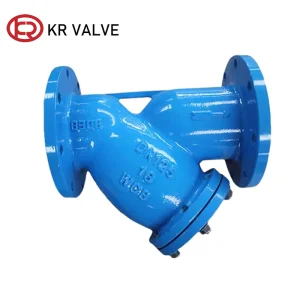
Wholesale Flanged Y type strainer basket filter WCB material Suppliers, Manufacturers
Inquire Specification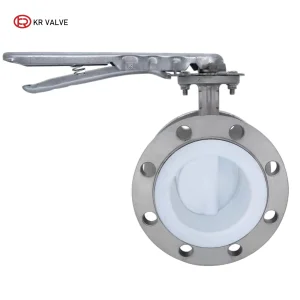
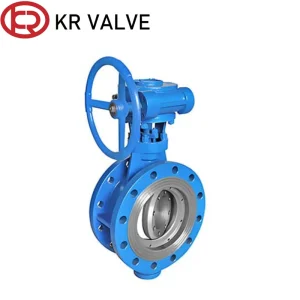
Custom Triple eccentric flanged butterfly valve hard seal WCB material Manufacturers, Factory
Inquire Specification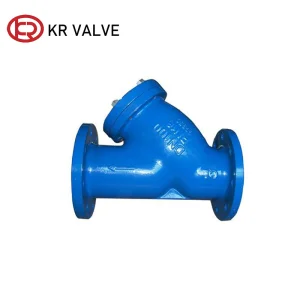
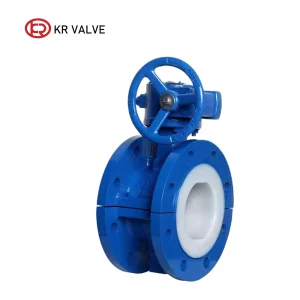
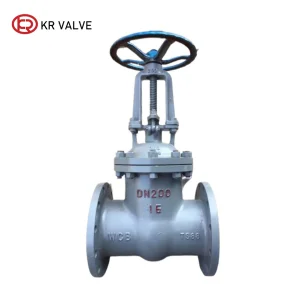
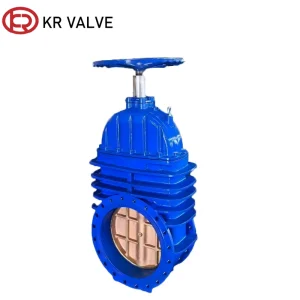
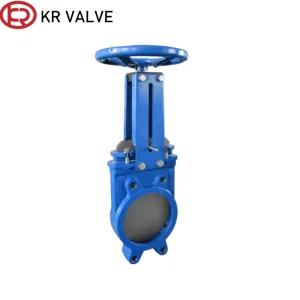
An authoritative analysis on material selection, mechanical shear capabilities, and fluid isolation integrity under aggressive industrial slurry conditions.
Modern process industries—ranging from mineral processing plants and coal washeries to pulp digestors and municipal wastewater plants—demand robust flow-control equipment capable of shearing through solid-laden media without compromising seal integrity. As an established global Wholesale Carbon Steel Knife Gate Valve Supplier & Factory hub, engineering excellence requires strict adherence to physical metallurgy, precise casting standards, and advanced bonnetless/bonneted structural configurations.
Carbon steel, specifically under ASTM specifications such as ASTM A216 WCB, WCC, and low-temperature LCB, forms the structural foundation of heavy-duty knife gate valves. Compared to traditional grey cast iron or ductile iron, cast carbon steel delivers superior yield strength, higher fracture toughness under thermal shock, and exceptional weldability for custom industrial pipe integrations.
ASTM A216 WCB Metallurgy
ASTM A216 WCB is the primary material choice for industrial pressure-containing castings. Composed of balanced Carbon (≤0.30%), Manganese (≤1.00%), and Silicon (≤0.60%), WCB provides high tensile strength (≥485 MPa) and yield strength (≥250 MPa). This structural rigidity eliminates valve body flexing when subjected to heavy pipeline stresses and high differential pressures.
Precision Blade Beveling
The gate blade is precision-machined from SS304, SS316, or SS316L stainless steel, ground on both sides to achieve a surface finish of Ra 0.4–0.8 μm. The bottom edge features a hand-finished 45-degree knife bevel engineered to shear through thick sludge, fibrous wood pulp, scale deposits, and abrasive mining slurry prior to seating.
Severe-Service Sealing Systems
Engineered with dual sealing arrangements: flexible elastomeric seats (EPDM, NBR, Viton/FKM) mechanically locked into body grooves for zero-leakage soft isolation, or hard-faced metal seats (Stellite overlay / Hard Chromium plating) for high-temperature and highly abrasive particulate media up to 400°C.
Information Gain Data: Compare structural integrity, temperature thresholds, abrasive tolerance, and cost efficiency across material options.
| Material Specification | Tensile Strength | Yield Strength | Thermal Range | Primary Industrial Medium | Cost Efficiency Ratio |
|---|---|---|---|---|---|
| Carbon Steel (ASTM A216 WCB) | 485 - 655 MPa | ≥ 250 MPa | -29°C to +425°C | Mining Slurry, Coal Ash, Cement, Wastewater | Optimal High-Strength Benchmark |
| Ductile Iron (ASTM A536 65-45-12) | ≥ 450 MPa | ≥ 310 MPa | -10°C to +180°C | Municipal Water, Low-Pressure Sludge | Economical / Low Thermal Limit |
| Stainless Steel (ASTM A351 CF8M) | ≥ 485 MPa | ≥ 205 MPa | -196°C to +600°C | Corrosive Chemicals, Acidic Liquors | High Initial Capital Expenditure |
| Cast Steel Low Temp (ASTM A352 LCB) | 450 - 620 MPa | ≥ 240 MPa | -46°C to +340°C | Cryogenic Slurries, Cold Climate Mining | Specialized Low-Temp Application |
Leveraging integrated industrial manufacturing clusters in Tianjin and Wenzhou for cost optimization, metallurgical quality control, and scalable OEM production.
Integrated Foundry & CNC Machining Ecosystem
China's industrial valve manufacturing ecosystem combines centralized resin-sand casting foundries with high-precision multi-axis CNC horizontal machining centers. This consolidation eliminates supply chain latency between raw metal pouring, body stress relief annealing, and final seat pocket machining, ensuring tight dimensional tolerances to MSS SP-81 specs.
100% Hydrostatic & Shell Pressure Testing
Every carbon steel knife gate valve manufactured within certified Chinese supplier networks undergoes rigorous non-destructive testing (NDT). Valve bodies undergo shell pressure testing at 1.5x PN rating and seat leakage testing at 1.1x PN rating according to API 598 standards, ensuring zero porosity or casting defects reach export shipping containers.
Global EPC Project Customization
Engineering procurement managers benefit from direct OEM/ODM customization capability. Valve suppliers offer specialized drilling flange dimensions matching ANSI B16.5 Class 150, PN10/PN16 EN 1092-1, AS 2129 Table E, and JIS 10K specifications, complemented by custom epoxy paint coatings (min. 250 microns) for subsea or highly humid tropical plants.
Where Carbon Steel Knife Gate Valves deliver maximum lifespan, low operating torque, and uncompromised line isolation.
Mining Tailings & Mineral Processing
In copper, iron ore, and gold extraction plants, slurries contain high concentrations of abrasive rock solids. Carbon steel knife gate valves equipped with replaceable polyurethane or Ni-Hard deflectors absorb high-velocity slurry impact, extending body operational life by over 300% relative to standard gate valves.
Pulp & Paper Processing Digestors
High-consistency paper stock (4% to 15% wood fiber pulp) jams conventional globe or butterfly valves. The razor-sharp stainless steel blade of a carbon steel knife gate cuts cleanly through interlocked wood cellulose fibers, ensuring complete isolation before bleached stock enters storage tanks.
Coal Fired Power Generation (Ash Sluice)
Fly ash and bottom ash handling pipelines present a dual challenge of high temperature and severe erosion. Hard-faced WCB knife gate valves with pneumatic double-acting actuators allow rapid cycling (closing times < 3 seconds), isolating high-temperature dry ash silos effectively.
Municipal Sludge & Wastewater Treatment
Aerated grit chambers, raw sewage inlet channels, and primary digestor sludge lines require bi-directional sealing. Resilience-seated carbon steel knife gate valves prevent backflow while remaining immune to ragging, plastic debris, and municipal waste accumulation.
Ensuring international pipeline safety compliance through verifiable testing documentation, third-party audits, and local technical assistance.
International engineering contractors (EPCs) working under strict risk management frameworks require full material traceability and international compliance verification prior to factory gate acceptance. Our manufacturing and wholesale operations strictly maintain ISO 9001:2015 Quality Assurance Certification alongside key regulatory credentials:
Pressure Equipment Directive (CE-PED 2014/68/EU)
All carbon steel knife gate valves shipped to European Union destinations carry CE marking under Category III Module H certification, verifying shell stress compliance under fluid groups 1 and 2 high-pressure conditions.
EN 10204 3.1 Inspection Certificates
Every shipment is accompanied by chemical analysis and mechanical testing reports certified to EN 10204 3.1. Heat numbers are permanently stamped on every cast WCB body to guarantee 100% melt-source traceability.
Fugitive Emission & SIL Safety Integration
Equipped with live-loaded PTFE or graphite packing glands, our knife gate valves pass ISO 15848-1 Class BH fugitive emission testing. Automated electric/pneumatic packages meet SIL2 and SIL3 safety integrity levels for Emergency Shutdown (ESD) duties.
The technological evolution of knife gate valves toward automated digital plants, zero-emission packing, and predictive maintenance.
As modern process infrastructure migrates toward Industry 4.0 automation, the humble manual handwheel knife gate valve is evolving into an intelligent field instrument. Key industry macro-trends reshaping carbon steel valve procurement include:
1. Smart Actuation & HART / Modbus Integration
Electric and pneumatic actuators integrated with digital positioners provide real-time blade stroke telemetry, partial stroke testing (PST), and torque limit alarm metrics directly to Distributed Control Systems (DCS) via HART, Profibus, or Modbus protocols.
2. Zero-Emissions Self-Adjusting Packing
Environmental regulations regarding fugitive volatile organic compound (VOC) emissions are driving the adoption of Belleville spring-energized packing systems. Live-loading maintains constant seal pressure against the knife gate blade despite thermal expansion swings.
3. Advanced Nanocomposite Seat Liners
Next-generation elastomeric seats incorporate carbon nanotubes and PTFE fluoropolymer blends, boosting abrasion resistance by 250% while lowering the coefficient of friction to decrease required actuator motor sizing.
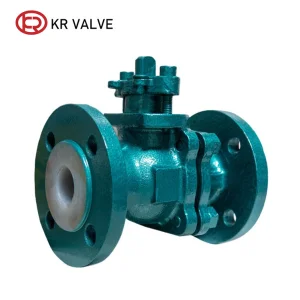
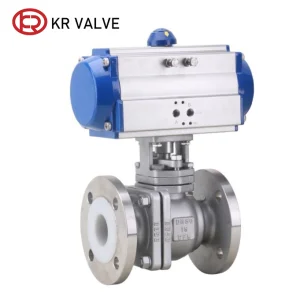
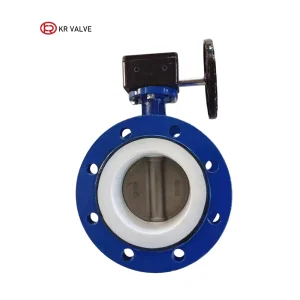
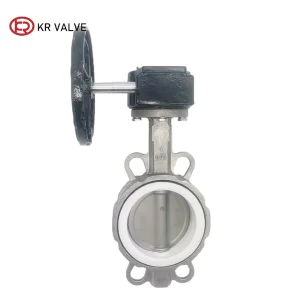
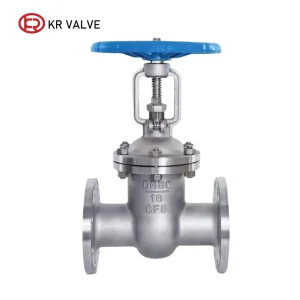
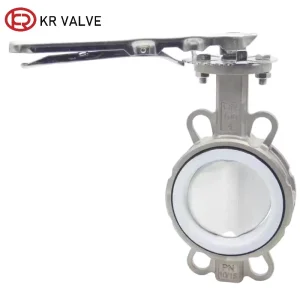
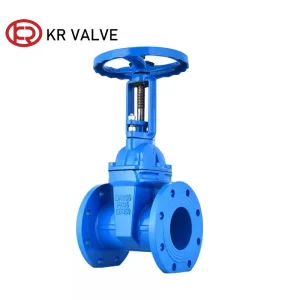
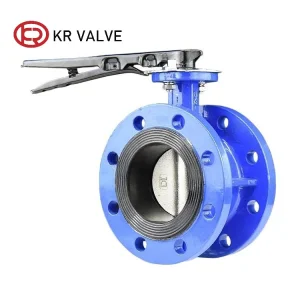
Complete your pipeline package with our auxiliary ball valves, PTFE lined butterfly valves, gate valves, and strainers.
Expert technical insights addressing common queries from global procurement officers, plant engineers, and valve distributors.
ASTM A216 WCB carbon steel provides higher tensile strength (≥485 MPa) and yield strength (≥250 MPa) compared to ductile iron. It tolerates higher mechanical pipeline stress, higher pressure differentials (up to PN25/Class 300), and wider thermal ranges (-29°C to +425°C). Additionally, cast carbon steel bodies allow superior field repairability via arc welding, whereas iron bodies are susceptible to cracking under thermal or mechanical shock.
Seat selection depends on medium temperature, chemical compatibility, and solids percentage: EPDM is recommended for water, neutral slurries, and dilute chemicals up to 120°C; Viton (FKM) suits aggressive hydrocarbons, oils, and acids up to 200°C; PTFE/RPTFE provides universal chemical resistance up to 230°C with low seating friction; Hard Metal Seats (Stellite or hard chromium overlay) are mandatory for dry abrasive powders, fly ash, and extreme temperatures up to 400°C where soft elastomers would tear or decompose.
Unidirectional knife gate valves seal fluid pressure in one specific flow direction, utilizing fluid pressure to assist pushing the gate blade against the downstream seat ring. Bidirectional knife gate valves feature dual perimeter elastomeric sleeves or symmetrical seats that guarantee zero-leakage shut-off regardless of pressure direction, rendering them ideal for bi-directional ring mains, digestors, and isolation pumps subject to backpressure.
Knife gate valves are manufactured to MSS SP-81 (face-to-face dimensions and structural testing standards), ASME B16.34 (pressure-temperature ratings), and ASME B16.5 (flange dimensions). European project standards utilize EN 1092-1 PN10/PN16 flange drilling with EN 558 face-to-face series dimensions.
Factories supply four primary actuation configurations: Manual Handwheel / Bevel Gearbox for mechanical advantage on large bore valves (>DN300); Pneumatic Double-Acting / Single-Acting Spring Return Cylinders for fast emergency isolation; Electric Multi-Turn Actuators (rotork/AUMA interface) with 4-20mA positioning control; and Electro-Hydraulic Power Units for high-thrust mining applications where pneumatic air supply is unavailable.
Quality control involves incoming spectrographic raw material analysis, dimensional CNC verification, NDT shell pressure testing at 1.5x working pressure, seat leakage testing to API 598 standards, surface finish roughness testing on stainless steel blades, and 100% final visual inspection before custom seaworthy plywood crate packing.