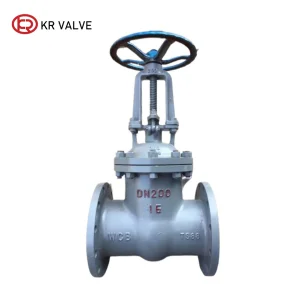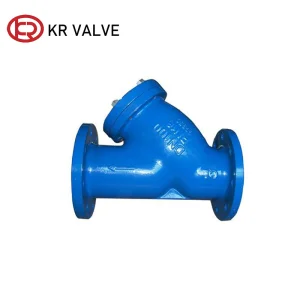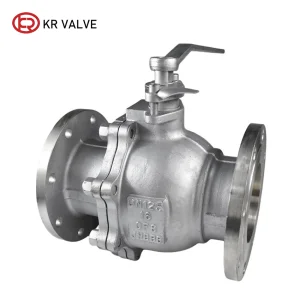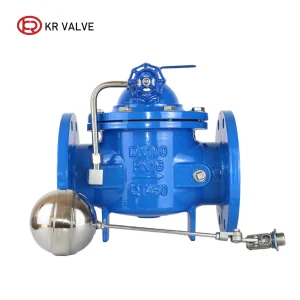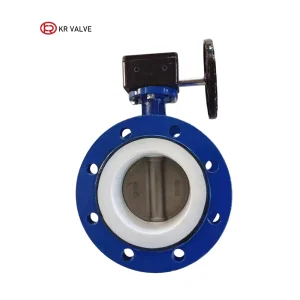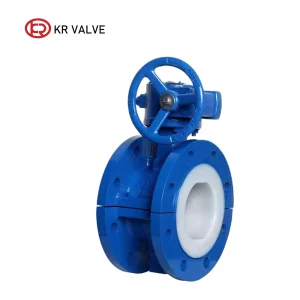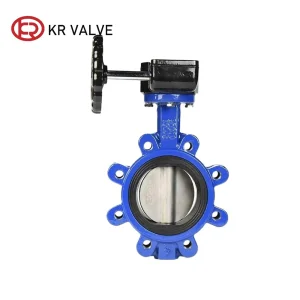
Featured Industrial Valve Series (Part I)
Precision-engineered flow isolation components manufactured for severe municipal, chemical, and energy applications.
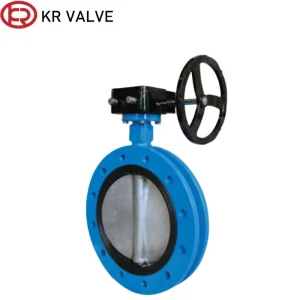
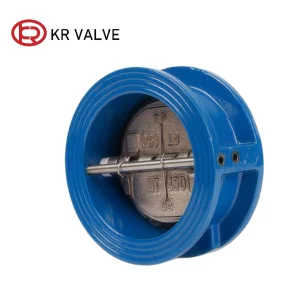
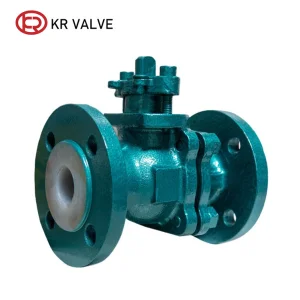
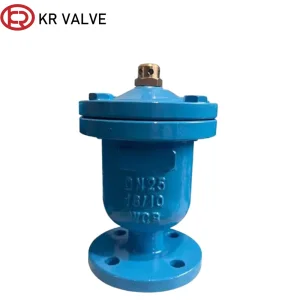
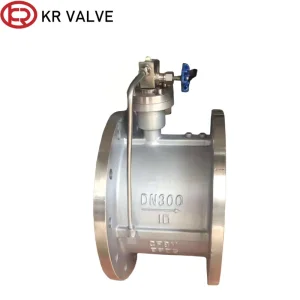
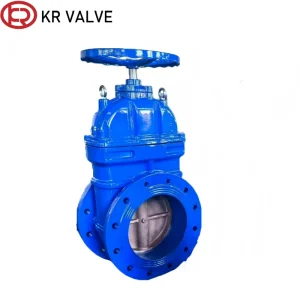
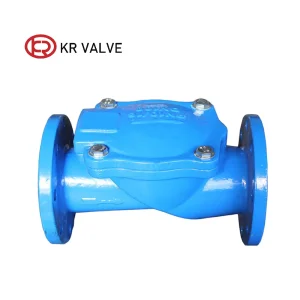
Global Commercial & Industrial Landscape of High Performance Butterfly Valves
An authoritative analysis of evolving fluid dynamic requirements, decarbonization trends, and high-pressure isolation technologies.
The global industrial valve market is experiencing a profound structural shift. Driven by expanding global LNG supply chains, green hydrogen transportation, municipal water infrastructure modernizations, and high-pressure desalination facilities, the demand for High Performance Butterfly Valves (HPBV) has surpassed traditional concentric valves and heavy gate valves. Modern process engineers require flow control equipment capable of handling higher differential pressures, extreme cryogenic or elevated thermal environments, and aggressive chemical media without sacrificing mechanical footprint or operational budget.
Unlike standard resilient-seated concentric butterfly valves—which rely on continuous rubber deformation and are limited to low-pressure, low-temperature services—High Performance Butterfly Valves incorporate sophisticated double eccentric (double offset) or triple eccentric (triple offset) shaft geometries. This design shifts the valve stem away from the center line of the disc seal and the body centerline. During rotation, the disc detaches instantly from the seat within the first few degrees of opening, eliminating friction, reducing seat wear, minimizing torque demand, and ensuring long-term bubble-tight bidirectionality (API 598 zero leakage standard).
Technical Benchmark: Standard vs. High Performance Offset Kinematics
To assist procurement managers, EPC engineering leads, and technical auditors in evaluating flow control equipment, the matrix below details the mechanical distinctions across core butterfly valve topologies:
| Performance Parameter | Concentric Resilient Seated | High Performance Double Offset (HPBV) | Triple Offset Metal Seated (TOV) |
|---|---|---|---|
| Seating Kinematics | Continuous rubbing contact (360°) | Cam-action release within 5° rotation | Frictionless angular cone sealing |
| Pressure Rating Scope | PN6 to PN16 (ANSI Class 125/150) | PN10 to PN50 (ANSI Class 150/300) | PN10 to PN110 (ANSI Class 150/300/600) |
| Temperature Range | -20°C to +120°C (EPDM/NBR) | -50°C to +260°C (RPTFE / PEEK) | -196°C (Cryogenic) to +650°C (Stellite) |
| Primary Application Fields | HVAC, Potable Water, Low Pressure | Power Plants, Petrochemical, Desalination | LNG Cryogenics, High Temp Steam, Refining |
| Actuator Torque Demand | Moderate to High (Seat Drag) | Optimized Low Torque (Cost Efficient) | Torque-Seated Precision Control |
Information Gain Insight: The Physics of Double Eccentricity
In a double offset high performance butterfly valve, Offset 1 moves the axis of the stem behind the plane of the seat sealing surface, allowing a continuous 360-degree sealing curve. Offset 2 shifts the stem centerline to one side of the pipe centerline. This dual displacement creates a camming effect as the disc rotates open, pulling the disc off the seat ring immediately. Wear on the PTFE/RPTFE seat ring is practically eliminated, dramatically increasing cycle life in automated throttling loops.
China Factory Efficiency & Supply Chain Superiority
Why leading global EPCs and valve distributors partner with premier Chinese industrial valve manufacturers like KR Valve (Tianjin).
Integrated Metallurgical Control
Premier Chinese factories house fully automated resin-sand casting foundries equipped with real-time German SPECTRO optical emission spectrometers. Every heat melt undergoes strict chemical composition analysis and mechanical tensile testing, ensuring ductilities, nodular counts (for GGG40/GGG50), and low carbon thresholds (for WCB, CF8, CF8M) comply fully with ASTM, EN, and DIN mandates.
5-Axis CNC & Robotic Machining
By leveraging multi-axis CNC machining centers, high performance butterfly valve disc sealing profiles, stem keyways, and top flange pads (ISO 5211 direct-mount) are machined in a single clamping setup. Micron-level geometric tolerances eliminate stem flutter, minimize dynamic seal friction, and guarantee perfect alignment during high-cycle pneumatic or electric actuator operations.
100% Pressure & Emission Testing
Prior to shipment, 100% of manufactured valves are hydrostatically and pneumatically tested according to API 598, EN 12266-1, and ISO 5208 standards. For high-grade chemical and fugitive emission contracts, low-leakage packing arrangements are tested using Helium mass spectrometer leak detectors to meet ISO 15848-1 Class AH specifications.
Localized Application Scenarios & Industry Use Cases
Tailored flow control solutions optimized for distinct operating conditions across global industrial hubs.
1. Seawater Desalination & Reverse Osmosis (RO)
Operating Challenge: Extreme salinity, high-pressure chloride corrosion (pinhole pitting), and continuous cavitation during high-velocity seawater intake.
Engineered Solution: High performance butterfly valves utilizing Duplex 2205 (UNS S31803) or Super Duplex 2507 discs combined with vulcanized EPDM or RPTFE seats. Dual-plate check valves and rubber flap check valves are deployed downstream of high-pressure pumps to eliminate hydraulic shock and water hammer.
Duplex 2205PN25/PN40API 598 Sealing2. Petrochemical Refining & Hydrocarbon Isolation
Operating Challenge: Volatile organic compounds (VOCs), high-temperature steam lines, and strict fire-safety requirements (API 607 / ISO 10497).
Engineered Solution: Double offset carbon steel (WCB/WCC) or CF8M stainless steel high performance butterfly valves equipped with dual-layer metal-to-metal seats backed by flexible graphite or RPTFE rings. In case of plant fire, the soft seat burns away, allowing the primary metal lip to form a fire-safe tight seal.
WCB BodyFire-Safe API 607Class 150/3003. District Heating & Municipal HVAC Distribution
Operating Challenge: Seasonal thermal cycling, continuous regulation throttling, energy conservation mandates, and confined valve pit footprints.
Engineered Solution: Wafer and Lug style high performance butterfly valves operated by automated electric or pneumatic gear actuators. Coupled with 200X pressure reducing valves and Y-type strainers, municipal heating networks maintain balanced flow profiles without pressure spikes.
Lug / WaferISO 5211 DirectPN16/PN254. Severe Corrosive Chemical Processing
Operating Challenge: Strong acids (Concentrated H2SO4, HCl), caustic solutions, and ultra-pure chemical slurries that erode metal bodies.
Engineered Solution: Full PTFE/PFA Lined Ball Valves and Split Body PTFE Concentric/Double Offset Butterfly Valves. The thick fluoropolymer lining (3mm+ uniform injection) isolates all wetted metallic components, offering zero chemical reactivity and long service life.
Full PTFE LinedCF8/WCBZero LeakageGlobal EPC Procurement Guide & Technical Compliance Requirements
Essential specification criteria for procurement leads, project engineers, and international sourcing specialists.
When issuing Requests for Quotation (RFQs) for large-scale industrial projects, technical procurement teams must specify critical mechanical parameters to ensure seamless pipeline integration. Below is the step-by-step evaluation protocol recommended by senior valve specialists:
1. International Standard Alignment
Ensure the manufacturer designs and tests valves according to recognized global codes:
- Design & Construction: API 609 (Category B for High Performance), ASME B16.34, EN 593.
- Face-to-Face Dimensions: API 609, ISO 5752, EN 558 series 20/16, ASME B16.10.
- Flange Drilling Compliance: ASME B16.5 (Class 150/300), EN 1092-1 (PN10/16/25/40), JIS B2220.
- Pressure Testing: API 598, ISO 5208, EN 12266-1.
2. Material Metallurgy & Trim Selection
Matching body, disc, stem, and seat materials to the exact pipeline medium prevents premature failure:
- Body Shells: Ductile Iron (GGG40/GGG50), Carbon Steel (WCB/WCC), Low Temperature Carbon Steel (LCC), Stainless Steel (CF8/CF8M), Duplex Stainless (2205/2507).
- Stem Materials: 17-4PH (UNS S17400) high-strength stainless steel, 316SS, Monel K500.
- Seat Rings: Virgin PTFE, Reinforced PTFE (RPTFE with 15% glass fiber or carbon), PEEK, Metal Stellite hardfacing.
3. Actuation & Automation Interfaces
Modern plant automation requires standardized mounting interfaces. Modern HPBVs feature an ISO 5211 direct-mount top flange with dual-keyway or double-D stem connections. This design permits direct mounting of quarter-turn manual worm gearboxes, pneumatic single/double acting actuators, or intelligent electric actuators without expensive external brackets or couplings, eliminating hysteresis and mechanical backlash.
Future Trends in High Performance Flow Control Technology
Technological innovations shaping the next generation of industrial valve manufacturing.
Digital Twin & Smart Valve Sensing
Integration of IoT-enabled wireless diagnostic sensors embedded within the valve bonnet. Real-time telemetry measures stem vibration, thermal gradients, cycle counts, and acoustic leakage signatures, enabling predictive maintenance schedules before catastrophic seal failures occur in remote pipelines.
Ultra-Low Emission Fugitive Packing
With aggressive global net-zero targets and strict EPA LDAR rules, valve stem seal designs are transitioning to multi-stage live-loaded cup-and-cone PTFE or flexible graphite packing sets, certified to ISO 15848-1 and API 641 fugitive emission standards.
Advanced HVOF Hard-Facing Coatings
For abrasive slurries, mining tailings, and high-temperature catalytic cracking service, discs and metal seats receive High-Velocity Oxygen-Fuel (HVOF) applied Tungsten Carbide or Chrome Carbide coatings, yielding surface hardness levels exceeding 68-70 HRC.
Frequently Asked Technical Questions (Engineering FAQ)
Expert guidance addressing common selection, installation, and procurement queries.
Featured Industrial Valve Series (Part II)
Explore additional certified valve models, strainers, and control components available for bulk factory-direct sourcing.