Industrial Air Management Engineering & Manufacturing

Wholesale Vent Valve Suppliers & Factory

High-performance air release, vacuum breaker, and combination CARX vent valves. Engineered for municipal water distribution, industrial process piping, and severe-duty fluid networks globally.

Direct Factory Product Portfolio

Engineered Air Management & Pipeline Control Solutions

Explore our core OEM/ODM vent valve assemblies and precision fluid isolation components manufactured to strict international standards.
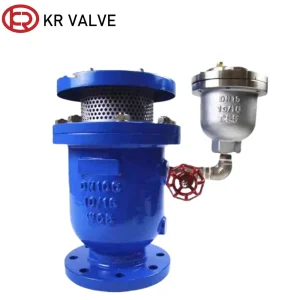
CARX High Speed Release Compound Exhaust Valve
View Specifications
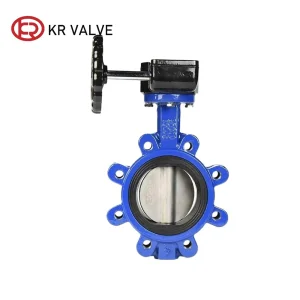
Lug Butterfly Valve with EPDM Seal
Custom Lug Butterfly Valve with EPDM Seal (DN40-DN600)
View Specifications
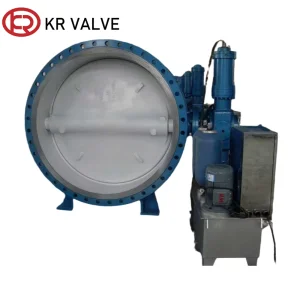
Heavy Hammer Hydraulic Butterfly Valve
Heavy Hammer Hydraulic Triple Eccentric Butterfly Valve
View Specifications
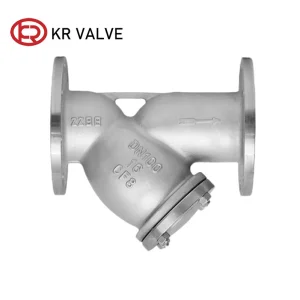
CF8 Stainless Steel Y Type Strainer
CF8 Stainless Steel Flanged Y-Type Strainer
View Specifications
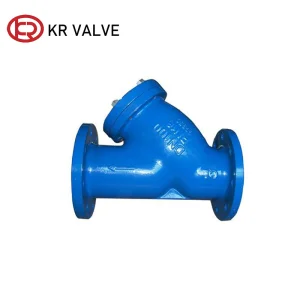
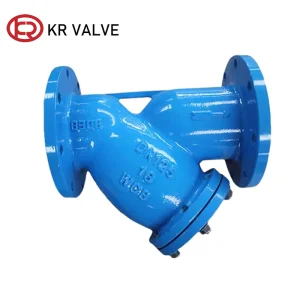
Ductile Iron GGG40 Y-Type Strainer
Ductile Iron GGG40 Y-Type Strainer with SS304 Filter
View Specifications
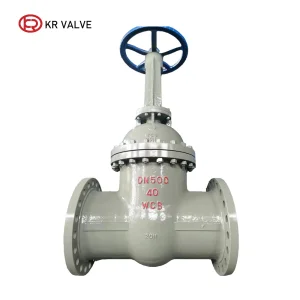
PN64 DN500 Big Size Gate Sluice Valve
PN64 DN500 Metal Seated Gate Sluice Valve (Z41H-64C)
View Specifications
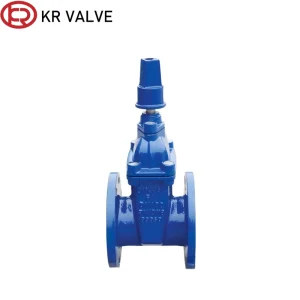
Underground Gate Valve Ductile Iron
Underground Gate Valve Ductile Iron Body & EPDM Seat
View Specifications
Flanged Y Type Strainer Basket Filter WCB
Flanged Y-Type Strainer Basket Filter (WCB Material)
View Specifications
Engineering Whitepaper & Technical Synthesis

The Dynamics of Entrapped Air in Pressurized Pipeline Infrastructure

An authoritative guide to air intake, vacuum prevention, and continuous air release mechanisms for global EPC contractors, municipal engineers, and industrial valve buyers.

Hydraulic Physics & Economic Impact of Air Pockets

In pressurized liquid conveyance systems, entrained air is an unavoidable reality. Dissolved atmospheric gases separate from water during pump acceleration, temperature changes, and slope fluctuations. Trapped air pockets aggregate at high pipeline summits, effectively reducing the internal cross-sectional area. According to fluid dynamics studies, an unmanaged air pocket can increase system head loss by up to 35%, drastically increasing pump electrical energy consumption and inducing severe flow throttling.

  • Head Loss Throttling: Unvented air pockets act as static restrictions, creating artificial friction loss.
  • Surge & Transient Amplification: Compressed air pockets act as unstable springs, magnifying water hammer pressures.
  • Internal Pipe Corrosion: Oxygen concentration pockets accelerate localized pinhole oxidation on ductile iron walls.

KR Valve Tianjin: Enterprise E-E-A-T Capabilities

As a leading Chinese valve manufacturing hub with over 20 years of technical expertise, KR VALVE (TIANJIN) CO., LTD. operates advanced foundries, precision CNC machining shops, and pressure testing labs. We specialize in producing 500+ standard and non-standard valve configurations exported to over 50 countries across Europe, the Middle East, Southeast Asia, and the Americas.

  • Complete QA Traceability: 100% hydrostatic body and seat seal testing prior to export packing.
  • Global Compliance: Full alignment with AWWA C512, EN 1074-4, DIN 3202, and WRAS hygiene standards.
  • Full OEM/ODM Flexibility: Custom face-to-face dimensions, high-nickel alloys, and anti-shock mechanisms.
Valve Engineering Principles

Classification & Functional Mechanics of Industrial Vent Valves

Understanding the operational distinctions between small-orifice air release, large-orifice vacuum breaker, and double/triple-acting combination valves.

1. Automatic Micro Air Release Valves

Designed with a small orifice (1.5mm to 5mm diameter), these valves continuously vent small volumes of accumulated air while the pipeline is operating under full hydraulic working pressure (up to PN40 / ANSI 300).

Mechanism: As air builds up in the upper valve chamber, the internal fluid level drops. The precision float buoy descends, pulling open the small orifice leverage arm to vent the air bubble without fluid leakage.

2. Air & Vacuum Release Valves

Equipped with a large orifice equivalent to the nominal pipe inlet diameter. Used primarily during initial pipeline filling and rapid system evacuation or column separation events.

Mechanism: During pipe filling, high-velocity air escapes through the large orifice. During pipe draining or sudden power loss at pumping stations, the float drops completely to admit vast volumes of atmospheric air, preventing pipe collapse.

3. Combination CARX Vent Valves

The CARX Series combines both small and large orifice functions within a single dual-chamber or single-chamber housing. Recognized worldwide as the ultimate pipeline defense mechanism.

Mechanism: Integrates dual floating elements or a compound kinetic disc. It executes rapid air evacuation during initial line filling, admits massive air volumes during negative pressure surges, and continuously vents micro bubbles during normal pressurized operation.

Engineering Specifications

Comprehensive Vent Valve Material & Specification Matrix

Benchmark engineering specifications across ductile iron, carbon steel, and stainless steel air release valve configurations.

Valve Type / Series Nominal Size (DN) Pressure Rating Body Material Options Float & Internal Trim Sealing Compound Compliance Standards
CARX High-Speed Compound Vent DN50 - DN300 (2" - 12") PN10 / PN16 / PN25 Ductile Iron GGG40 / GGG50 SS304 / SS316 Hollow Float EPDM (WRAS) / NBR EN 1074-4 / BS5163
Micro Automatic Air Release DN15 - DN50 (1/2" - 2") PN16 - PN40 / Class 300 Ductile Iron / WCB / CF8M SS304 Lever Assembly Viton / EPDM / Silicone AWWA C512
Kinetic Air & Vacuum Breaker DN50 - DN400 (2" - 16") PN10 / PN16 / ANSI 150LB Cast Iron GG25 / GGG40 ABS Polycarbonate / SS304 High-Grade NBR / EPDM DIN 3202 / ISO 7005
Anti-Shock Surge Vent Valve DN80 - DN300 (3" - 12") PN16 / PN25 / PN40 Ductile Iron GGG50 / WCB SS316 Kinetic Disc & Float EPDM / Fluororubber EN 12266 / CE-PED
High-Temp Industrial Process Vent DN25 - DN150 (1" - 6") Class 150LB - 300LB Cast Steel WCB / CF8 / CF8M SS316 Solid Float PTFE / Metallic Hard Seal API 6D / ASME B16.34
Application Architecture

Macro Industry Solutions & Infrastructure Deployment

Custom-engineered air management valves integrated into mission-critical global fluid control applications.

1. Municipal Potable Water Trunk Mains

High-capacity CARX compound air release valves installed at elevated pipeline summits and long-distance transmission lines to eliminate flow blockage and protect against water hammer caused by pump trip events.

  • WRAS / NSF 61 Certified Non-Toxic EPDM Seats
  • 250 Micron Fusion Bonded Epoxy (FBE) Coating

2. Agricultural Irrigation & Raw Water Networks

Durable ductile iron air/vacuum valves engineered to handle untreated canal and well water containing suspended solids, preventing line vacuum collapse during rapid system shutdown.

  • Anti-Clogging Large Orifice Geometry
  • Economical GGG40 Construction for Large Projects

3. High-Rise Commercial HVAC & District Cooling

Compact brass and stainless steel automatic micro air release valves installed at hydronic cooling loops, boilers, and vertical riser peaks to preserve heat transfer efficiency and quiet acoustic operation.

  • Continuous High-Pressure Purging (PN16-PN25)
  • Compact NPT / BSP Screwed Connections

4. Seawater Desalination & Marine Piping

Super Austenitic CF8M/CF3M Stainless Steel and Ni-Al Bronze body vent valves providing ultimate protection against pit corrosion, marine bio-fouling, and high-chloride saline fluid attack.

  • Duplex SS32750 & Titanium Trim Components
  • Full Compliance with NORSOK M-630 Standards

5. Sewage Treatment & Slurry Transport

Specially modified air release valves featuring elongated cylindrical bodies that keep the floating sealing mechanism isolated from raw sewage, sludge solids, and particulate buildup.

  • Extended Isolation Chamber Prevents Clogging
  • Stainless Steel Flush Valve Port for Easy Cleaning

6. Petrochemical & Refined Fuel Terminals

Explosion-proof carbon steel WCB and SS316 vent valves fitted with flame arrestor screens, ensuring safe off-gassing and vapor relief in volatile liquid hydrocarbon loading bays.

  • ATEX & API 2000 Venting Compliance
  • Conductive Static Grounding Assemblies
Smart Foundry & Supply Chain Resilience

China Factory 4.0: Manufacturing Advantage & Lead-Time Control

Combining automated resin sand casting, ultra-precision CNC machining, and rigorous quality control protocols at Tianjin KR Valve ecosystem.

Vertical Integration from Raw Metal to Finished Valve

At our Tianjin production headquarters, KR Valve operates integrated foundries and modern CNC machining workshops. By controlling the entire manufacturing chain—from metallurgy chemistry testing (Spectrometer analysis) to final hydraulic pressure testing—we offer global buyers superior cost competitiveness, uncompromised structural integrity, and predictable lead times.

  • Automatic Coating Line: Electrostatic FBE powder coating applied to 250 µm min thickness for zero holiday defects and 50+ year buried service life.
  • Precision Hydrostatic Test Benches: 100% of manufactured vent valves undergo low-pressure bubble tightness (0.2 bar) and high-pressure body shell testing (1.5x PN).
  • Rapid OEM Prototype Turnaround: Customized flange drilling (ANSI, DIN, BS, JIS) and custom trim materials produced in under 15 working days.
500+
Valve Models & Accessories
30+
Advanced Manufacturing Units
50+
Global Export Markets
100%
Factory Hydro Pressure Testing
Next-Gen Flow Control

Technical Roadmap: The Future of Smart Air Management

Exploring state-of-the-art developments in IoT condition monitoring, surge mitigation CFD design, and zero-emission green sealing polymers.

Smart IoT Telemetry Integration

Next-generation KR air release valves feature built-in acoustic sensors and wireless pressure transducers. These smart nodes detect internal air accumulation rates and seat leakages in real-time, transmitting operational health metrics directly to municipal SCADA systems via NB-IoT or LoRaWAN protocols.

CFD Anti-Slam Kinetic Discs

Utilizing 3D Computational Fluid Dynamics (CFD) simulation software, our engineering team has developed aerodynamically balanced kinetic floats. This prevents premature valve closure ("blow-off") under high-velocity air discharge, maintaining maximum venting capacity until water reaches the seating zone.

PFAS-Free Green Elastomers

In response to global environmental regulations, KR Valve is transitioning to ultra-durable, PFAS-free resilient polymer seat seals. These advanced formulations offer superior ozone, UV, and chloramine resistance while guaranteeing zero chemical leaching into drinking water supplies.

Global Procurement Guide

Engineering Specifications & Project Tender Compliance

A structured checklist for EPC procurement teams, project consultants, and international valve distributors.

Tender Specification Checklist

When issuing RFQs or preparing tender documentation for industrial vent valves, ensure the following critical parameters are defined to avoid site installation delays:

  • Working Fluid & Temperature Range: Potable water, raw sewage, seawater, or corrosive gases.
  • Maximum Operating Pressure (PN / Class): PN10, PN16, PN25, PN40 or ANSI 150/300.
  • Air Evacuation Velocity Requirements: Matching air discharge CFM/LPM to maximum pump filling capacity.
  • Flange Connection Standard: EN 1092-2 (PN10/16/25), ANSI B16.5, BS 4504, or JIS B2220.

Export Logistics & Documentation

We provide comprehensive export support services to streamline customs clearance and project site delivery worldwide:

  • Quality Certificates: EN 10204 3.1 Material Test Reports, Hydrostatic Test Certificates, Coating Thickness Reports.
  • Sea-Worthy Packaging: Heavy-duty fumigated wooden cases with internal moisture-proof VCI plastic wrapping.
  • Container Consolidation: Combined shipments of Vent Valves, Gate Valves, Butterfly Valves, and Strainers in single container lots.
Complete Pipeline Valves Showcase

Complementary Industrial Valves & Strainer Solutions

Expand your procurement scope with KR Valve's full catalog of resilient seated gate valves, lined ball valves, and hydraulic control solutions.

High-Temperature WCB Metal Seated Gate Valve
High-Temperature WCB Metal Seated Gate Valve ANSI 150LB
View Specifications
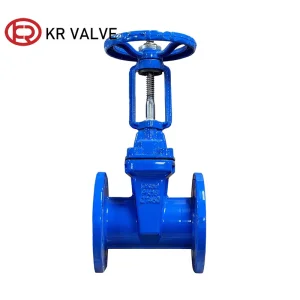
OEM Rising Stem Gate Valve Ductile Iron
OEM Rising Stem Gate Valve Ductile Iron Body & EPDM Seat
View Specifications
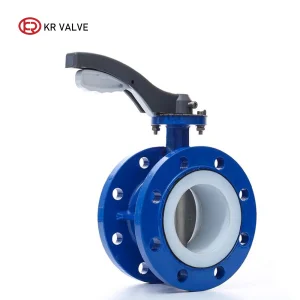
Double Flange Butterfly Valve PTFE Seal
Custom Double Flange Butterfly Valve with PTFE Seal
View Specifications
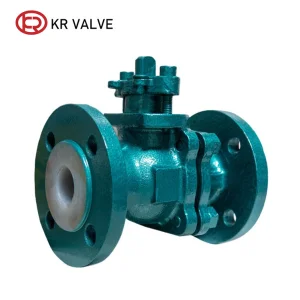
Full PTFE Lined Ball Valve
OEM Full PTFE Lined Ball Valve Steel Body (Q41F46)
View Specifications
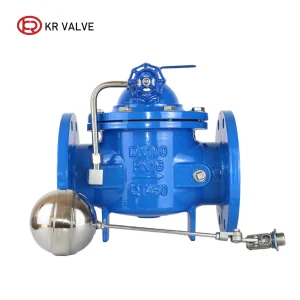
100X Hydraulic Control Diaphragm Remote Float Valve
View Specifications
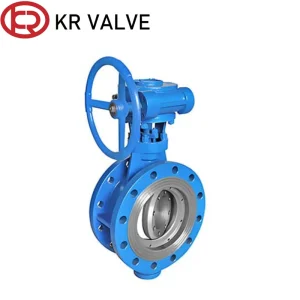
Triple Eccentric Flanged Butterfly Valve Hard Seal
Triple Eccentric Flanged Butterfly Valve Hard Seal WCB
View Specifications
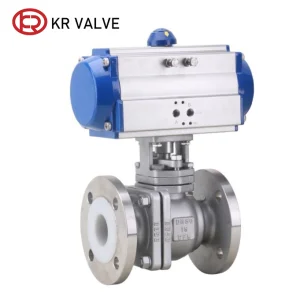
Stainless Steel PTFE Lined Ball Valve Pneumatic Actuator
View Specifications
CF8 SS304 Stainless Steel Ball Valve Floating Ball Type
OEM CF8 SS304 Stainless Steel Floating Ball Valve
View Specifications
Frequently Asked Questions

Engineering FAQ & Technical Selection Insights

Expert answers to critical technical questions regarding vent valve sizing, installation positioning, surge prevention, and factory customization.

Where should combination vent valves be located along a water transmission pipeline?
Combination vent valves must be positioned strategically at critical points where air naturally accumulates or vacuum risks occur. Primary installation locations include:
1. High points or summits of the pipeline profile where slope changes from positive to negative.
2. Long horizontal pipeline runs at intervals of 500 to 1000 meters.
3. Directly downstream of major booster pump discharge stations and inline control valves.
4. At road, river, or railway crossings where elevation changes sharply.
5. Adjacent to system drain valves to permit rapid air intake during maintenance emptying.
What is the difference between a single-orifice micro air valve and a CARX compound vent valve?
A single-orifice micro air valve features a small opening (typically 1.5mm to 3mm) designed strictly to vent small, continuous air bubbles while the system is under working pressure. It cannot evacuate large volumes of air during initial pipe filling. Conversely, a CARX compound vent valve features a dual-orifice mechanism: a large orifice for rapid intake/exhaust during pipe filling and draining, and a small orifice for pressurized micro-purging during ongoing operations.
How do anti-shock surge mechanisms prevent water hammer during valve closure?
Anti-shock (or anti-slam) air valves incorporate a secondary internal surge disc suspended above the main float. When air escapes at extremely high velocities during rapid line filling, the dynamic pressure difference lifts the surge disc, throttling the air discharge orifice. This throttled discharge creates a soft air cushion that decelerates the advancing water column before it reaches the main sealing seat, neutralizing transient pressure spikes.
What body and seat materials are recommended for vent valves handling aggressive raw sewage?
For raw sewage and wastewater applications, body construction should utilize Ductile Iron GGG50 or Stainless Steel CF8M with an extended, vertical cylindrical lower body. This design maintains a physical air column between the liquid sewage and the upper sealing mechanism. Floating components should be constructed from SS316 or solid polyethylene, paired with acid-resistant Viton or EPDM seat seals. An integrated bottom flush port is essential for periodic washing of residual solids.
How do I correctly size a combination vent valve for a main distribution line?
Vent valve sizing is determined by two main factors:
1. Air Inflow Sizing (Vacuum Protection): Sized based on the maximum possible liquid gravity flow rate during a pipe burst or full drain valve opening, ensuring atmospheric air enters fast enough to prevent negative pressure implosion.
2. Air Outflow Sizing (Filling Phase): Sized based on maximum pump discharge rate (m³/h or GPM) under a differential filling pressure of 0.1 to 0.3 bar, avoiding premature float slam.
As a general rule, combination air valve nominal diameter is typically 1/8th to 1/10th of the main pipeline diameter.
Does Tianjin KR Valve offer custom OEM branding and flange drilling for international distributors?
Yes, KR Valve provides comprehensive OEM and private label manufacturing services. We can cast customer brand logos directly onto valve bodies, supply customized nameplates, adjust Epoxy coating colors (e.g., RAL 5005, RAL 5015, RAL 3000), and drill connection flanges to any standard including EN 1092-2 PN10/16/25/40, ANSI B16.5 Class 150/300, BS10, and AS 4087.

Partner with China's Premier Vent Valve Supplier

Need custom technical drawings, WRAS/CE compliance documentation, or bulk wholesale quotations for upcoming municipal tender projects? Contact our engineering team today.