
High-demand industrial valve products engineered to withstand East African operating conditions, certified under international standards (DIN, BS, ANSI) for immediate deployment in public works and processing facilities.
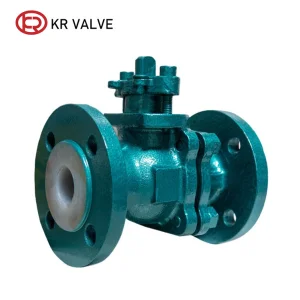
OEM Full PTFE Lined Ball Valve with Steel Body - Q41F46-10/16, DN50-DN300 for Ethiopia Industrial Chemical Pipelines
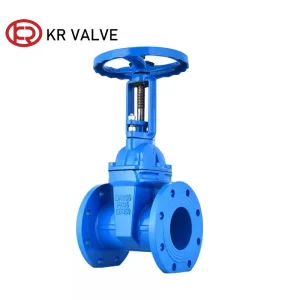
OEM DINF5 Rising Shaft Resilient Sealing Gate Valve - Z41X Series, DN40-DN600, PN6-PN25 for Municipal Water Mains
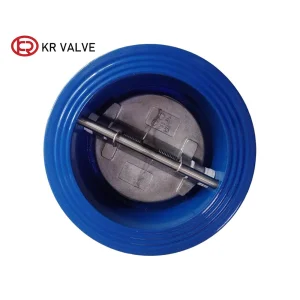
Wholesale H71X-10/16 Wafer Dual Disc Check Valve BS5153 Standard DN40-DN700 for High-Efficiency Pumping Stations
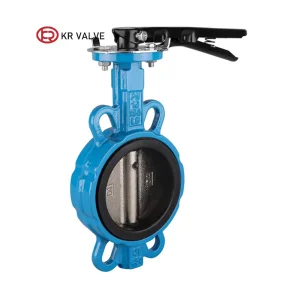
OEM Wafer Butterfly Valve DN100 - Concentric Resilient Seated, PN6/PN10/PN16 for HVAC & Process Piping
1. Macroeconomic Infrastructure Context: Ethiopia’s Industrial Transformation
The Federal Democratic Republic of Ethiopia stands at a critical historical nexus of industrialization and infrastructure modernization. Under the framework of the Homegrown Economic Reform Agenda (HERA 2.0) and the Ten-Year Development Plan (2021–2030), Ethiopia is actively expanding its manufacturing base, urban water distribution systems, agricultural irrigation schemes, and energy sector assets. As one of Africa’s fastest-growing economies, the nation requires vast quantities of high-durability, standardized industrial equipment—most notably fluid control systems, pipeline isolation devices, and automated backflow preventers.
Strategic projects such as the Grand Ethiopian Renaissance Dam (GERD), large-scale irrigation initiatives along the Awash and Oromia water basins, and the rapid urban expansion of Addis Ababa (managed by the Addis Ababa Water and Sewerage Authority - AAWSA) demand industrial-grade flow control solutions. Furthermore, specialized manufacturing zones such as the Hawassa Industrial Park, Bole Lemi Industrial Park, and Kilinto Special Economic Zone require robust piping components capable of handling everything from treated potable water to corrosive chemical effluents.
Strategic Market Insight: Importers, engineering procurement contractors (EPCs), and public utility agencies in Ethiopia face distinct environmental and operational challenges: high ambient temperature variations, soil alkalinity, elevation-induced pressure differentials, and heavy particulate loads in raw river water. Sourcing OEM valves from qualified Chinese manufacturing facilities provides the optimal balance of international standard compliance (DIN/BS/ANSI), structural longevity, and cost efficiency.
2. Global Valve Tech Trends vs. East African Field Realities
On a global scale, valve manufacturing is shifting toward advanced material compounding, zero-leakage elastomer science, low-torque mechanical geometries, and smart IoT actuation integration. However, deploying these technologies in East Africa—specifically within Ethiopia's diverse topography—requires careful adaptation to field realities.
The primary technical failure modes in Ethiopian pipeline installations stem from three factors: cavitation caused by steep elevation head drops, corrosive soil conditions degrading buried piping, and elastometric degradation caused by intense UV rays and thermal swings prior to installation. To mitigate these risks, modern OEM manufacturers supply valves featuring full-body Fusion Bonded Epoxy (FBE) coatings exceeding 250 microns in thickness, vulcanized EPDM seats with high memory retention, and ductile iron bodies (EN-GJS-400-15 / GGG40) that exhibit exceptional tensile strength under hydraulic surge events.
Standardized parameters for engineering consultants, EPC contractors, and procurement professionals operating across Ethiopia and East Africa.
| Valve Type Series | Body Metallurgy | Sealing Material | Nominal Pressure | Applicable Ethiopian Sector |
|---|---|---|---|---|
| Q41F46 Full PTFE Lined | WCB / Carbon Steel / DI | Virgin PTFE / F46 | PN10 / PN16 / Class 150 | Textile, Chemical & Effluent Plants (Kilinto/Hawassa) |
| Z41X Resilient Gate Valve | Ductile Iron GGG40 / GGG50 | EPDM / NBR Encapsulated Wedge | PN10 / PN16 / PN25 | AAWSA Municipal Water Supply & Transmission Mains |
| H71X Dual Disc Check Valve | Ductile Iron / Cast Iron | NBR / EPDM / Stainless Disc | PN10 / PN16 | Booster Pumping Stations & Hydroelectric Auxiliaries |
| D71X Concentric Butterfly | Ductile Iron / CI | EPDM / PTFE / Viton | PN6 / PN10 / PN16 | HVAC, Agricultural Irrigation & Industrial Utilities |
| 100X Remote Float Control | Ductile Iron GGG40 | Reinforced Diaphragm / NBR | PN16 / PN25 | Reservoir Water Level Regulation & Storage Tanks |
| Z41H Metal-to-Metal Sluice | Cast Steel WCB / DI | Stainless Steel / Bronze Seat | PN16 to PN64 | High-Pressure Penstocks & Mining Slurry Dewatering |
3. Deep Dive into Key OEM Valve Engineering & Applications
A. Resilient Seated Gate Valves (Z41X & BS5163 Series)
For municipal water networks across Addis Ababa, Dire Dawa, and Mekelle, the Z41X Resilient Seated Gate Valve is the gold standard for full-bore flow isolation. Unlike legacy metal-seated valves where sediment accumulates in the bottom seat pocket, the resilient seated gate valve features a completely smooth passage. The wedge is fully encapsulated in vulcanized EPDM rubber, ensuring zero-leakage tight shutoff (ISO 5208 Rate A) even when sand and silty particles are present in raw water pipelines. The non-rising stem (NRS) design reduces vertical space requirements, making it ideal for buried underground installations equipped with extension spindles and surface boxes.
B. Full PTFE Lined Corrosion-Resistant Ball Valves (Q41F46)
Ethiopia's burgeoning industrial parks—particularly textile dyeing plants, tannery operations, and fertilizer distribution facilities—handle highly aggressive chemical media, concentrated acids, and alkaline wash solutions. Standard stainless steel valves often succumb to pitting corrosion over extended operational cycles. The Q41F46 PTFE Lined Ball Valve solves this challenge by lining the entire interior fluid-contact surface of the carbon steel body with dense, fluorinated ethylene propylene (FEP/PTFE). This creates a chemically inert barrier that completely isolates the metallic housing from corrosive attack, ensuring maintenance-free performance up to 180°C.
C. Hydraulic Water Control & Remote Float Valves (100X & 200X Series)
In high-altitude regions such as the Ethiopian Highlands, water storage tanks and elevated reservoirs require automatic water level management to prevent overflows and wastage. The 100X Hydraulic Remote Float Valve uses line pressure to control opening and closing without requiring external electrical power. This is a crucial advantage for remote rural water supply schemes where power grid access is intermittent. The pilot valve senses water levels and smoothly modulates the main diaphragm valve, mitigating destructive water hammer waves across long transmission mains.
4. Quality Assurance & Djibouti Corridor Supply Chain Logistics
Procuring heavy industrial valves from Chinese OEM factories for delivery into landlocked Ethiopia requires a robust quality assurance framework and structured logistics coordination. The standard supply chain route involves sea freight shipment from major Chinese ports (Tianjin, Ningbo, Shanghai) to the Port of Djibouti, followed by heavy truck haulage along the 910 km multi-modal corridor to the Mojo Dry Port or Addis Ababa customs terminals.
To ensure seamless clearance by the Ethiopian Conformity Assessment Enterprise (ECAE) and Ethiopian Customs Commission, all OEM shipments must undergo rigorous pre-shipment inspection (PSI) protocols:
- Hydrostatic Body Testing: Shell testing at 1.5 times the nominal working pressure (e.g., 24 bar test pressure for PN16 rated valves) to verify casting integrity.
- Seat Tightness Testing: Bi-directional pressure testing at 1.1 times nominal working pressure to ensure zero bubble leakage.
- Epoxy Thickness Verification: Magnetic gauge measurement confirming a minimum 250 µm thickness of non-toxic, drinking-water certified electrostatic epoxy powder coating.
- Packaging for Sea & Tropical Transit: Wooden crates compliant with ISPM 15 heat treatment regulations, internal desiccants, and flange end-cap protection to prevent dust, sea spray, and mechanical impact damage.
Explore our full line of specialized flow control products manufactured for heavy-duty isolation, automated level control, backflow prevention, and extreme pressure applications.
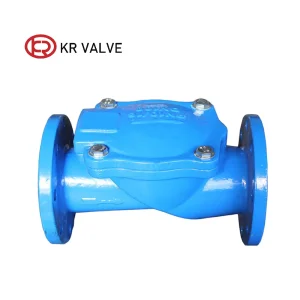
OEM Rubber Flap Check Valve NBR Disc 4 Inch - Ductile Iron Automatic Backflow Device for Sewage Lines
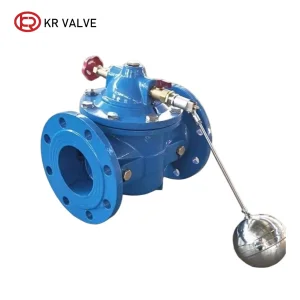
Custom Ductile Iron Hydraulic Ball Remote Float Valve - 100X Series, DN50-DN300, PN16/PN25 for Reservoir Management
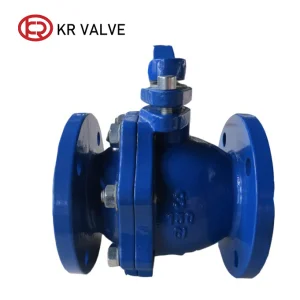
Custom Ductile Iron Flange Ball Valve with PTFE Seat - PN16/PN25, Sizes DN50-DN300 for Process Industries
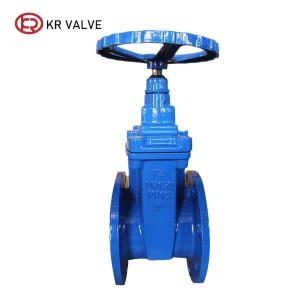
OEM DIN F4 Standard Gate Valve - Resilient Seated Handwheel Operation for Underground Water Distribution
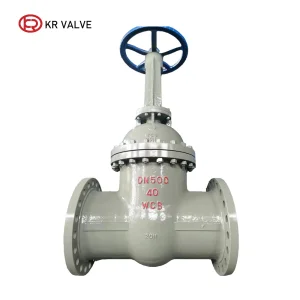
Custom PN64 DN500 Big Size Gate Sluice Valve Metal to Metal Seated Z41H-64C for Hydroelectric Penstocks
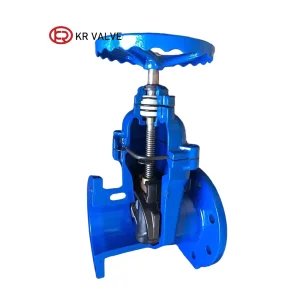
OEM Resilient Seat Gate Valve BS5163 Standard 4 Inch - Ductile Iron Body for Potable Water Piping
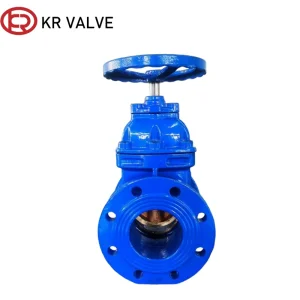
Custom GGG40 Bronze Seat Hard Seal Flange Gate Valve for High-Temperature Industrial Duty
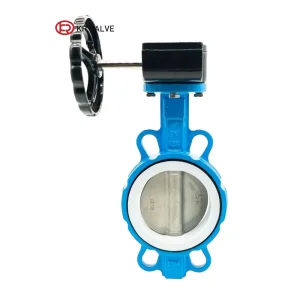
Wholesale PTFE Seat Butterfly Valve - D71X Series, Concentric Resilient Seated Corrosion-Resistant Valve
5. Technological Roadmap & Future Outlook (2026–2035)
As Ethiopia accelerates its digital transformation under the "Digital Ethiopia 2025" strategy, utility networks will increasingly adopt smart flow control technologies. The roadmap for valve manufacturing catering to East Africa focuses on three core pillars:
- Smart Actuation & SCADA Integration: Equipping standard butterfly and gate valves with low-power solar-assisted electric actuators capable of communicating via LoRaWAN and cellular networks to transmit real-time valve position and pressure data to central monitoring hubs.
- Advanced Anti-Cavitation Trim Design: Developing specialized multi-stage pressure reducing valves (200X series customization) engineered specifically to manage extreme head drops across mountain pipelines without inducing destructive vibration and noise.
- Sustainable Elastomer Formulations: Shifting toward non-leaching, WRAS-approved EPDM and food-grade PTFE materials that prevent water contamination and comply with stringent global environmental standards.
Detailed answers to technical, commercial, and logistical queries regarding OEM valve procurement for East African infrastructure projects.
Partner with a Trusted OEM Valve Manufacturer for Ethiopia
Direct factory supply, full international standard compliance (DIN/BS/ANSI), complete hydrostatic testing certification, and experienced logistics handling for the Djibouti-Addis Ababa freight corridor.
Send Inquiry Now