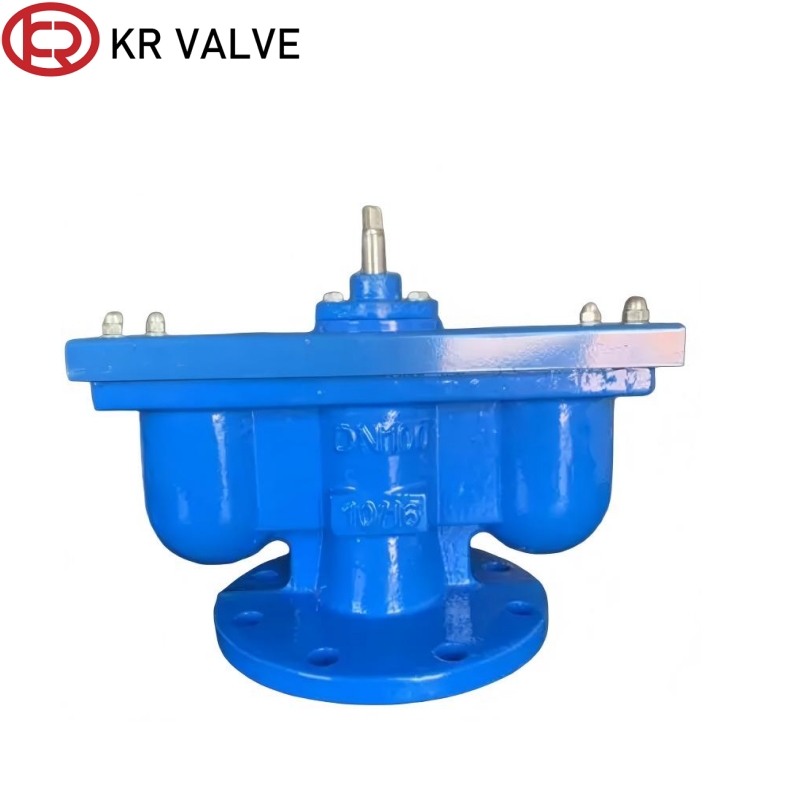
Custom Double Port Air Evacuation Valve - Automatic Release Air | China Suppliers and Factory Direct Products Suppliers, Factory
Product Description
Technical Specifications
| Valve Type: | Exhaust valve | Structure: | Double port |
| Standard: | BS / API / DIN / JIS | Workmanship: | Investment casting |
| Sealing Direction: | Single-directional | Sealing Grade: | Zero leakage |
| Temperature: | -20°C < T < 120°C | Operation: | Self-starting |
Characteristics
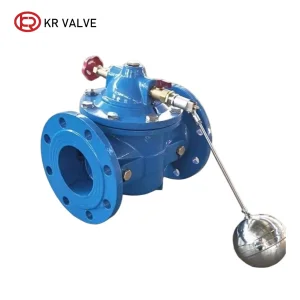
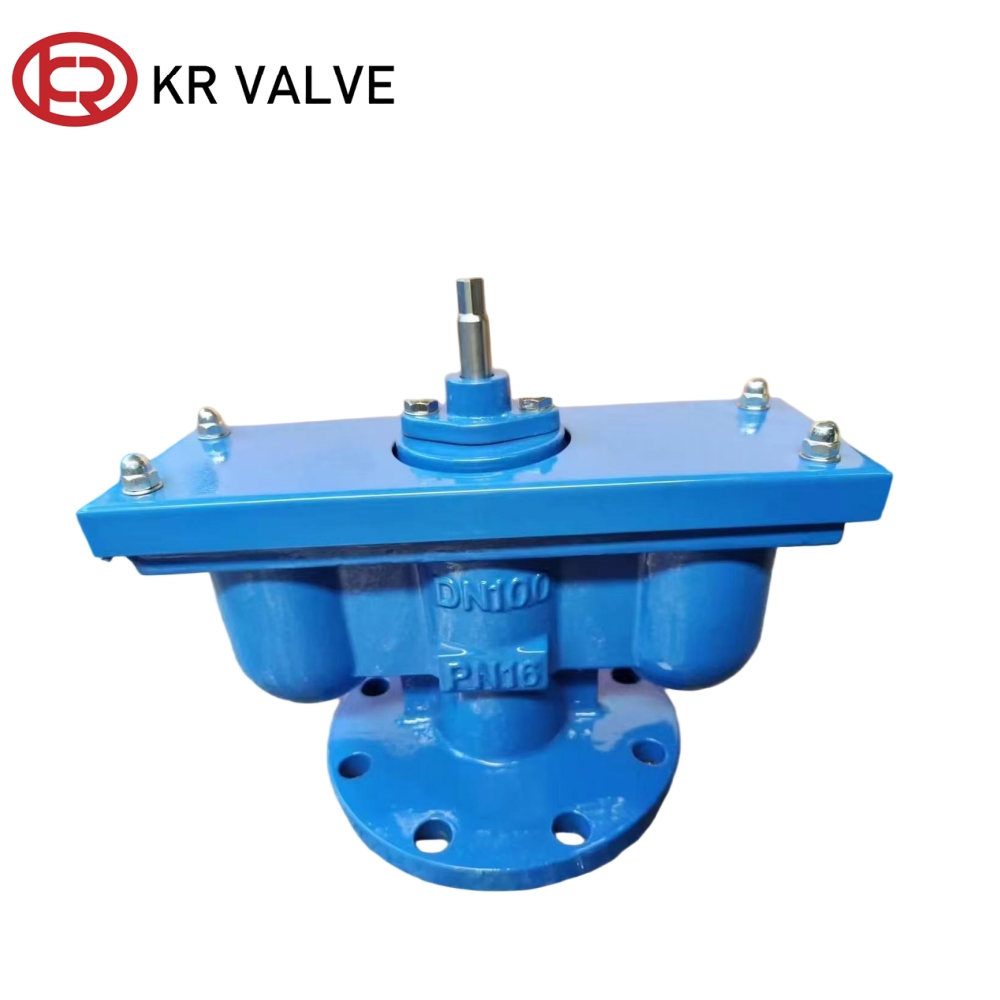
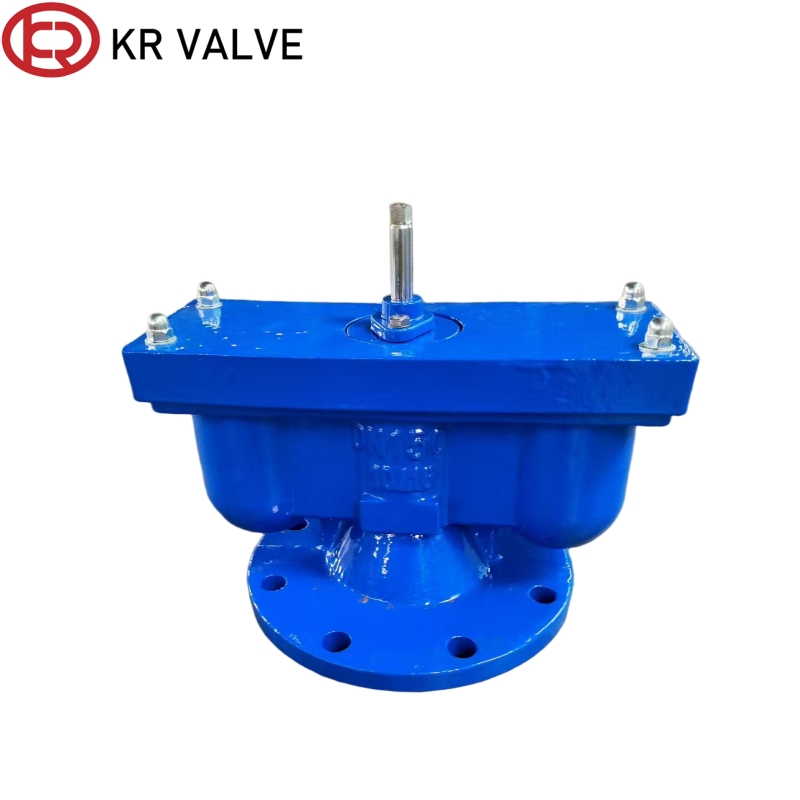
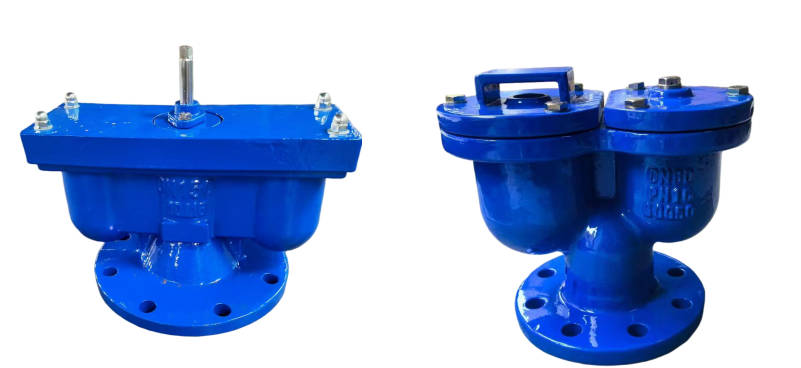
The structure of double port exhaust valve is usually composed of valve body, floating ball, exhaust nozzle, etc. The floating ball is mostly stainless steel, with long service life, safety and reliability.
Advantages
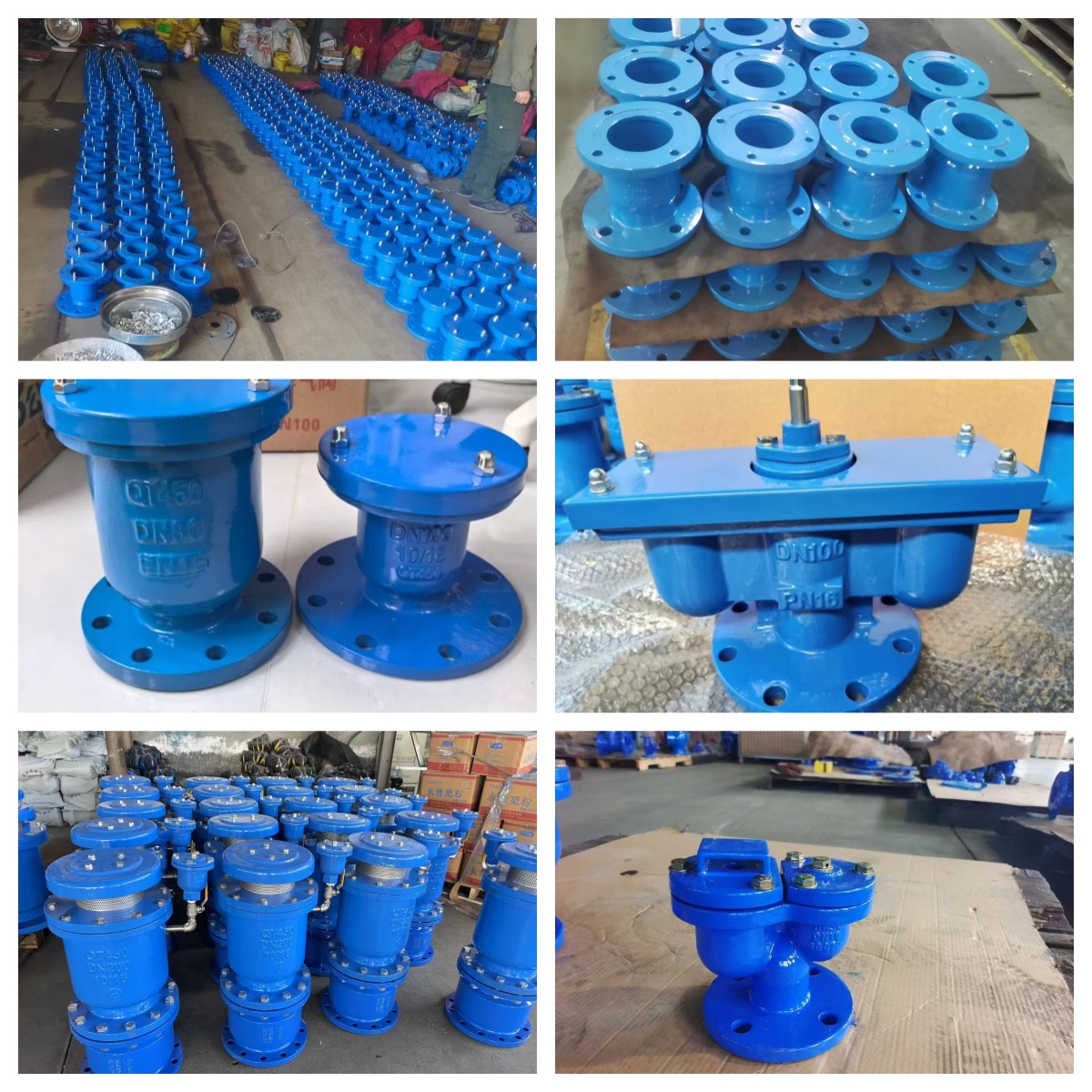
When the pipeline is filled with water and started, the main exhaust port is fully opened to instantly discharge the accumulated gas in the pipeline (up to 150 l/min for DN 100), completely eliminate the air resistance, quickly improve the efficiency of water delivery/heating, and avoid flow attenuation and pressure instability.
When the system is running normally, the auxiliary port (micropore) works for a long time to automatically discharge the dissolved gas (oxygen, carbon dioxide) continuously precipitated from the water, eliminate the formation of gas plug and cavitations after long-term operation, and maintain the "zero gas resistance" and efficient operation of the pipeline.
It integrates "rapid exhaust, micro exhaust and negative pressure air replenishment", replaces the two sets of devices of single port exhaust valve + air replenishment valve, and reduces installation points and fault points.
No electrical components, adaptive action by floating ball and pressure, corrosion resistance, water hammer resistance, outdoor/humid/high temperature environment, very low failure rate.
Packing & Delivery
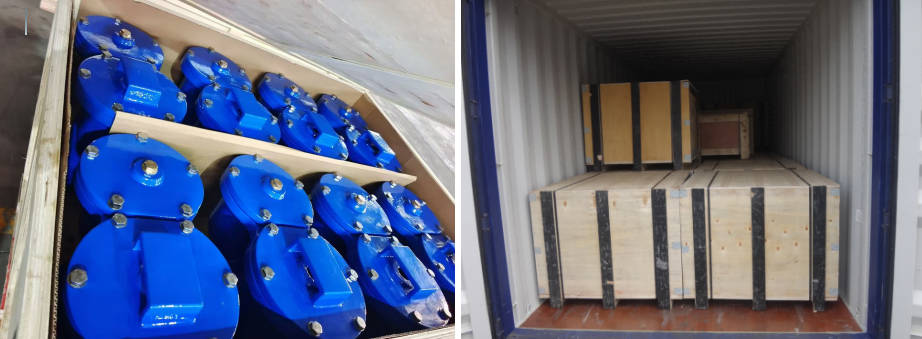
Standard export wooden case packaging to ensure secure international shipping and moisture protection during transit.
Frequently Asked Questions (FAQ)
It provides rapid large-flow exhaust during initial pipeline water filling, micro-exhaust for continuous gas release during normal operation, and vacuum air replenishment to protect against water hammer.
The valve conforms to BS, API, DIN, and JIS manufacturing and testing standards, ensuring high compatibility with worldwide industrial pipeline systems.
The valve operates reliably within a temperature range of -20°C < T < 120°C and provides zero-leakage single-directional sealing performance.
No, it utilizes a pure mechanical self-starting structure powered by internal system pressure and the buoyancy of the stainless steel floating ball, requiring no electrical components.
The auxiliary port continuously vents trace dissolved gases (oxygen, carbon dioxide) that precipitate over time, preventing air pockets and pipeline cavitation while maintaining zero gas resistance.
All products are packed in reinforced, standard export wooden cases to prevent mechanical damage, corrosion, and moisture during maritime or air transportation.