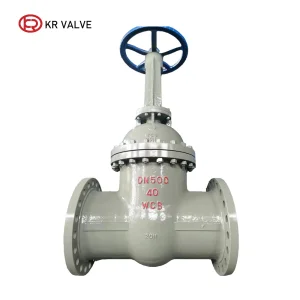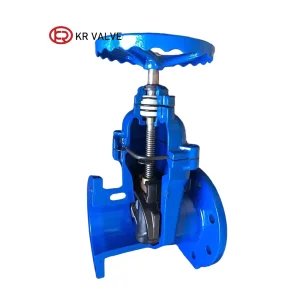
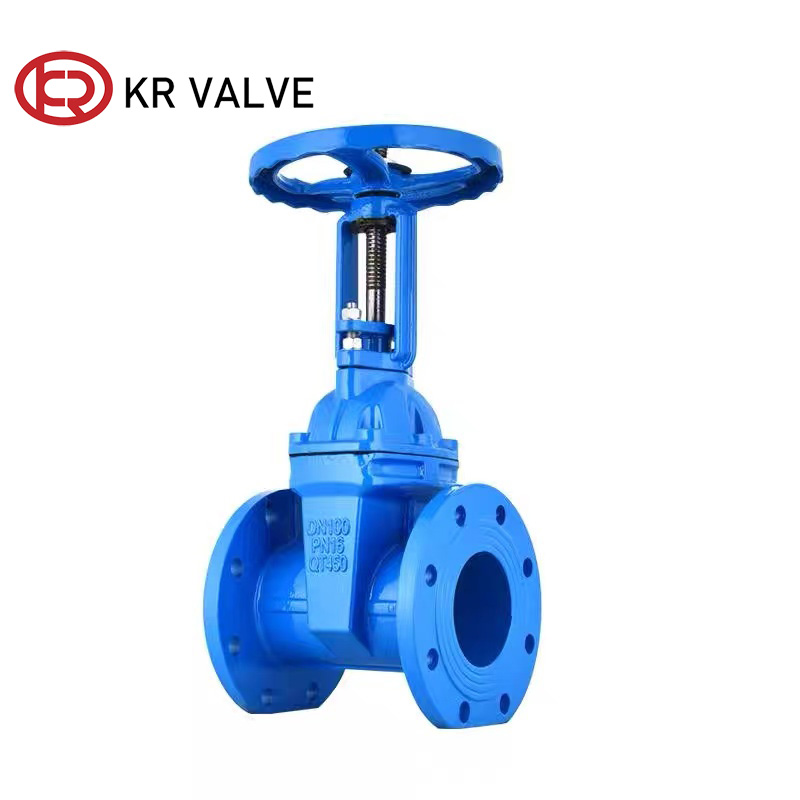
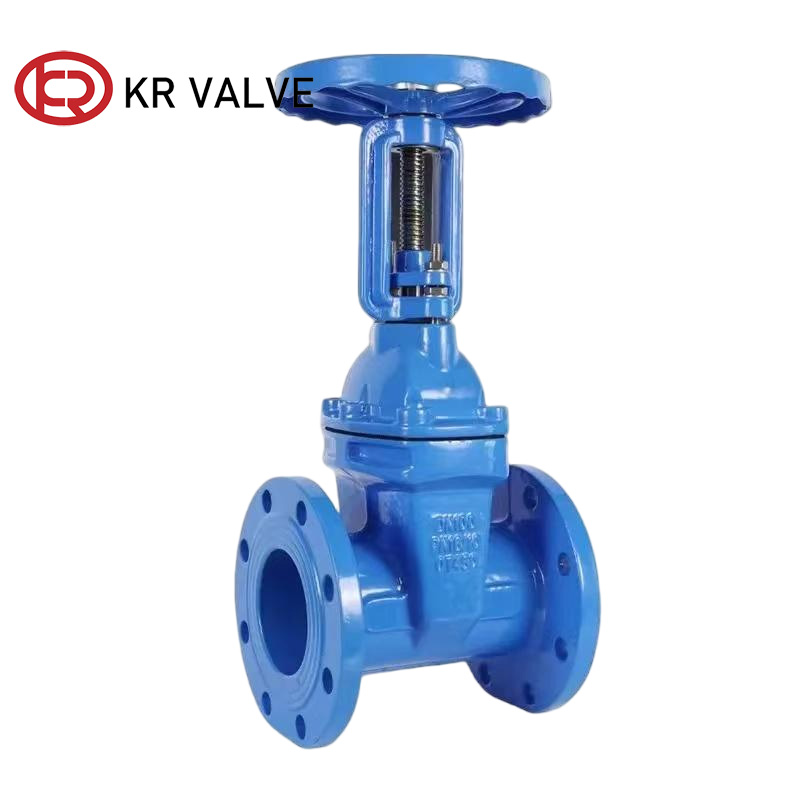
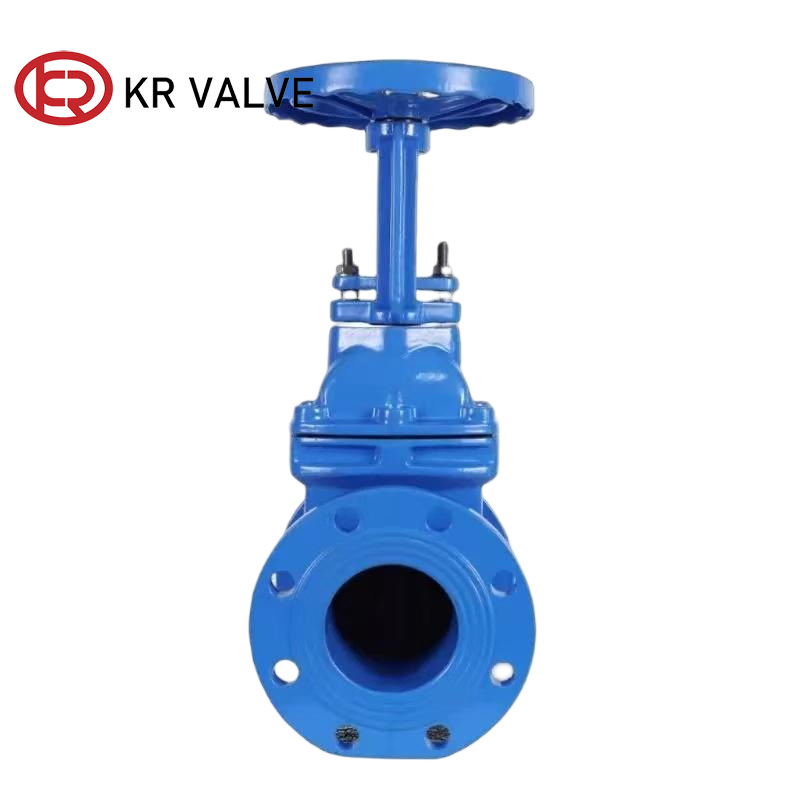
Wholesale China Resilient Seated Rising Shaft Gate Valve Suppliers - DINF5 Series Factory Direct PN6/PN10/PN16/PN25 Manufacturer, Factory
Product Description
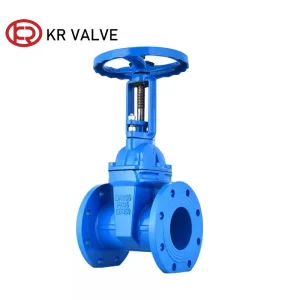
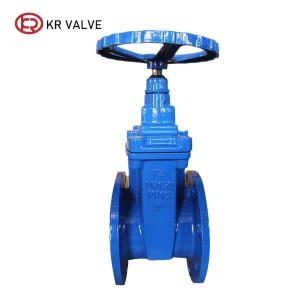
| Valve Type: | Resilient seat gate valve | Structure: | Non-rising type |
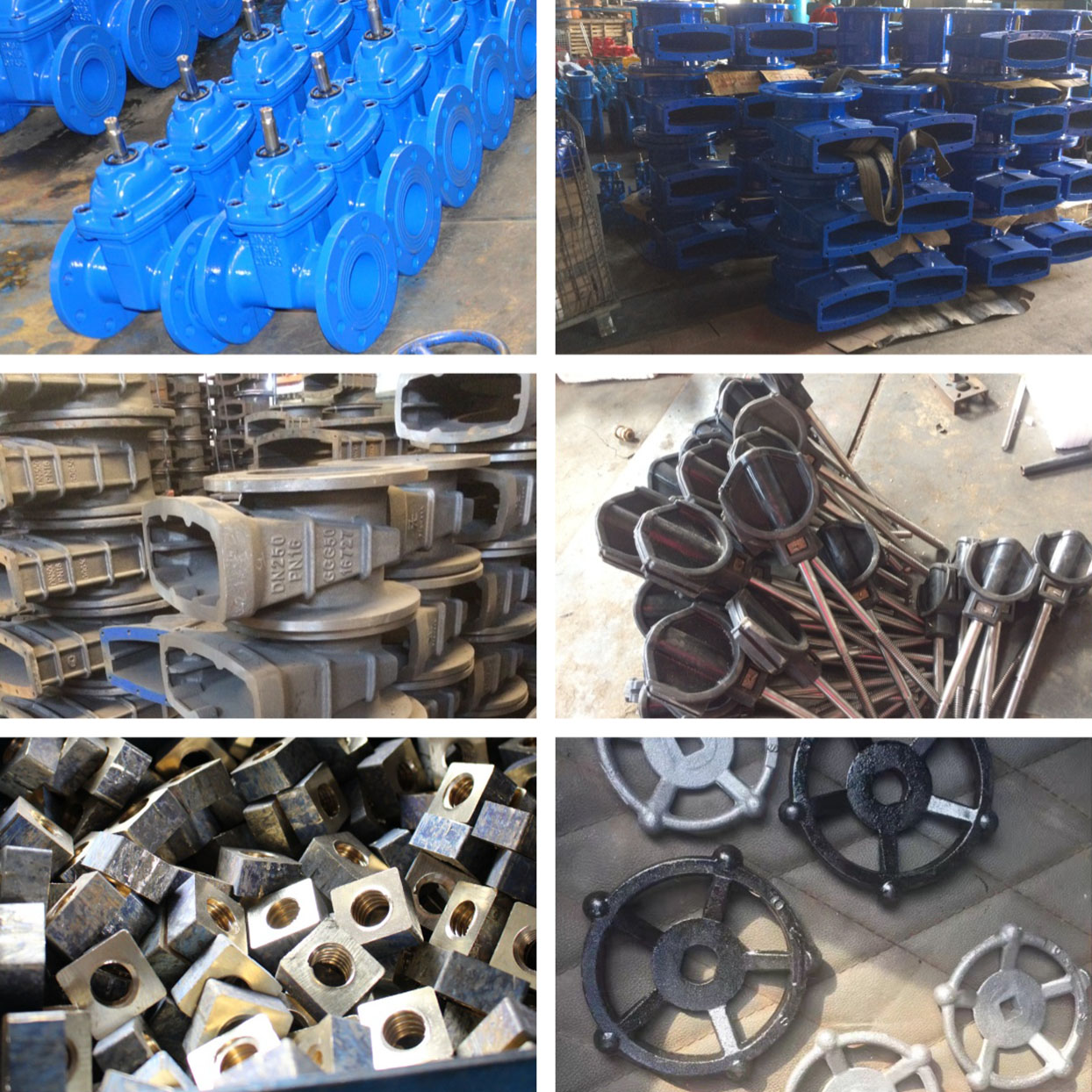
| Standard: | DIN F5 | Workmanship: | Investment casting |
| Sealing direction: | Bidirectional | Sealing grade: | Zero leakage |
| Temperature: | -20°C < T < 120°C | Operation: | Handwheel |
Characteristics
This valve has a bidirectional sealing structure, which can be installed horizontally or vertically, and the flow direction of the medium is not restricted; When installed vertically, it is recommended to have the handwheel facing upwards for easy operation.
Advantages
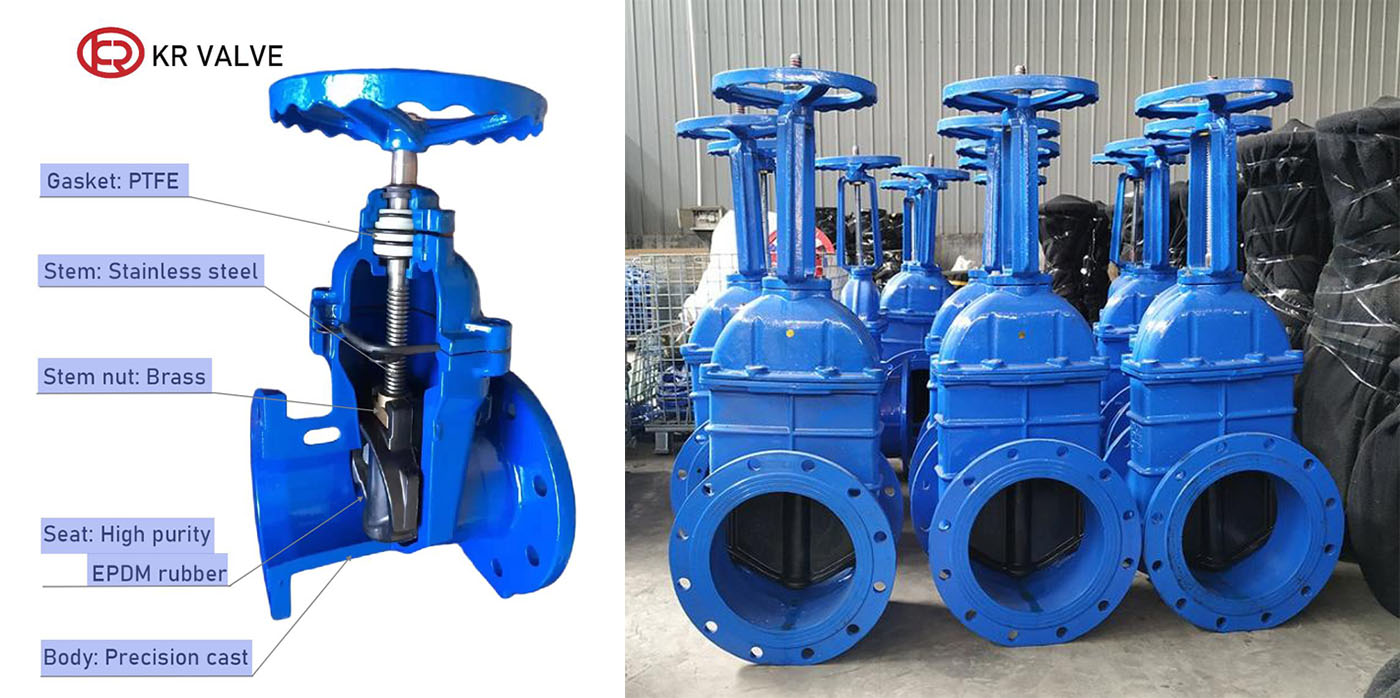
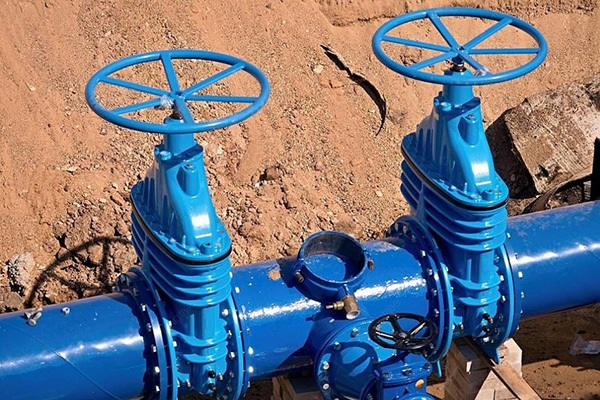
The valve stem is exposed and rises and falls synchronously with the gate. The operator can directly determine the valve opening degree by the length of the exposed valve stem (the valve stem extends the longest when fully open and the shortest when fully closed), without the need for additional opening indicators or instrument detection. This visualization feature greatly improves the efficiency of on-site inspections, especially suitable for working conditions that require frequent debugging and emergency operations. It can effectively avoid insufficient flow or abnormal system pressure caused by misjudging the opening degree.
The key components such as the valve stem and packing box are exposed, and during daily maintenance, there is no need to disassemble the valve body to directly inspect the wear and corrosion of the valve stem, as well as the sealing performance of the packing. If there is medium leakage, simply tighten the packing gland bolts or replace the packing; When the valve stem becomes stuck, it can be directly lubricated, calibrated, or replaced. Compared to the disassembly repair of the valve body of the concealed stem gate valve, the process is simpler, the downtime is shorter, and the maintenance cost is lower.
Packing
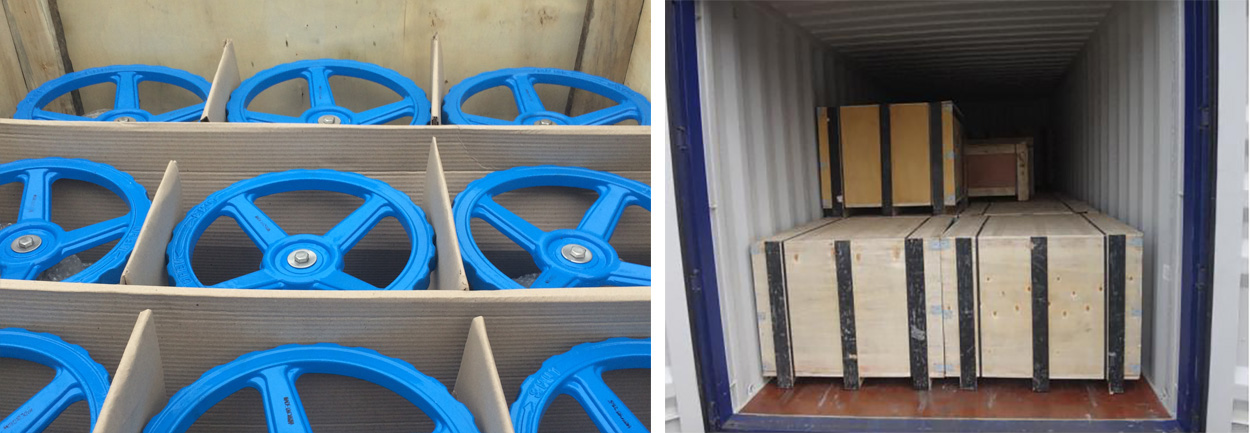
Standard export wooden case packaging
Application Scenarios
The rising stem gate valve are used in HVAC cold/hot water circulation exposed pipes and fire water system exposed main pipelines in industrial plants and commercial buildings.


Frequently Asked Questions
A rising stem gate valve has an exposed stem that moves up and down visibly as the valve opens and closes, allowing the operator to visually confirm the valve position at a glance. A non-rising stem gate valve has the stem threaded internally, so it does not extend outside the valve body, making it more suitable for installations with limited vertical space.
Yes. Thanks to its bidirectional sealing structure, the valve can be installed either horizontally or vertically, and the flow direction of the medium is not restricted. When installed vertically, it is recommended to position the handwheel facing upwards for easier and safer operation.
This valve is designed to operate within a temperature range of -20°C to 120°C, making it suitable for a wide range of HVAC, water supply, and fire protection applications in both industrial and commercial environments.
This valve achieves zero leakage sealing grade with a bidirectional sealing structure. The resilient EPDM seat provides a tight seal in both flow directions, ensuring no medium leakage under normal operating pressures and temperatures.
The valve body is manufactured using investment casting, which ensures high dimensional accuracy, a smooth surface finish, and consistent mechanical properties. The valve complies with the DIN F5 standard, widely recognized in European and international markets for industrial valve applications.
This valve is widely used in HVAC cold and hot water circulation systems with exposed pipelines, as well as fire water system main pipelines in industrial plants and commercial buildings. Its visual stem position indicator makes it especially suitable for systems requiring frequent inspection or emergency shut-off operations.