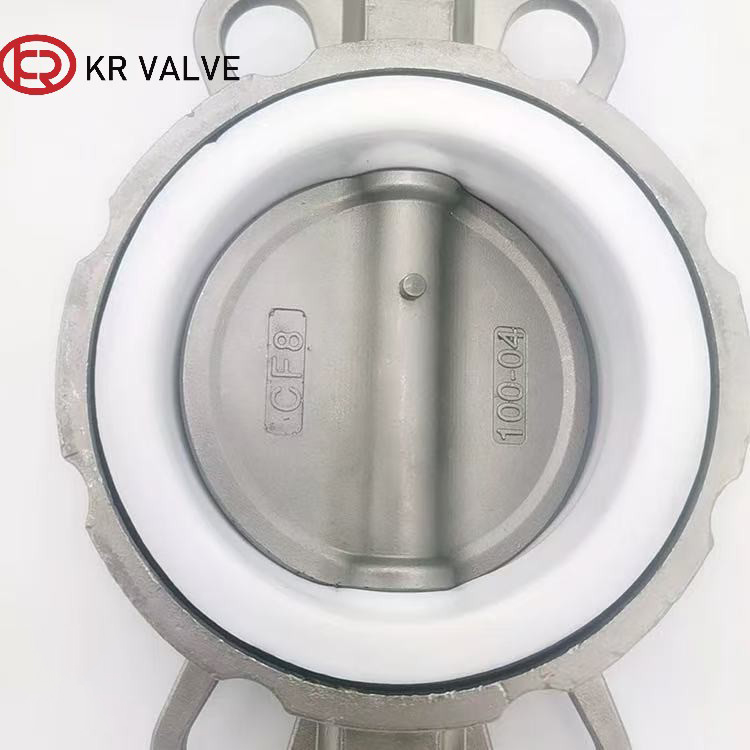
Wholesale China Stainless Steel Body PTFE Seat Wafer Butterfly Valve Suppliers - D71X Series Factory Direct Supplier, Factories
Product Description
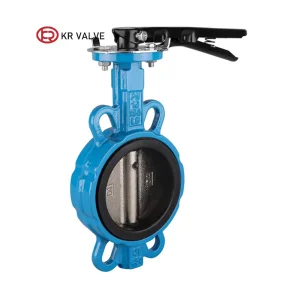
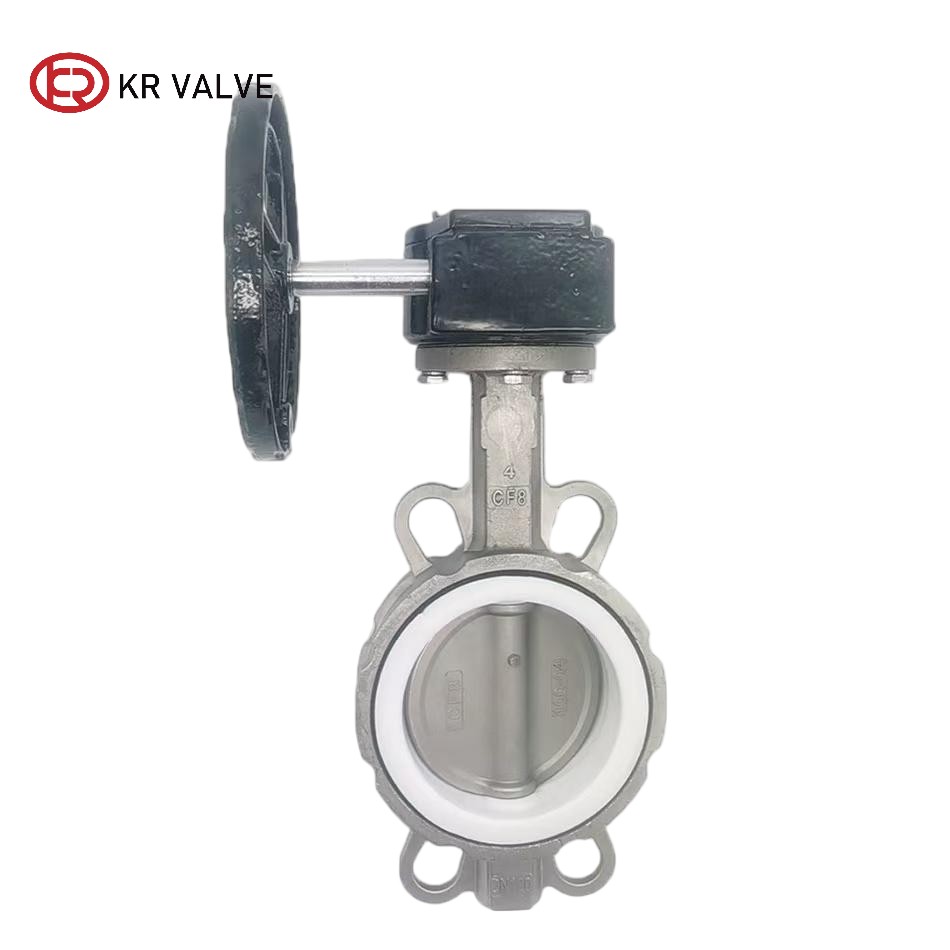
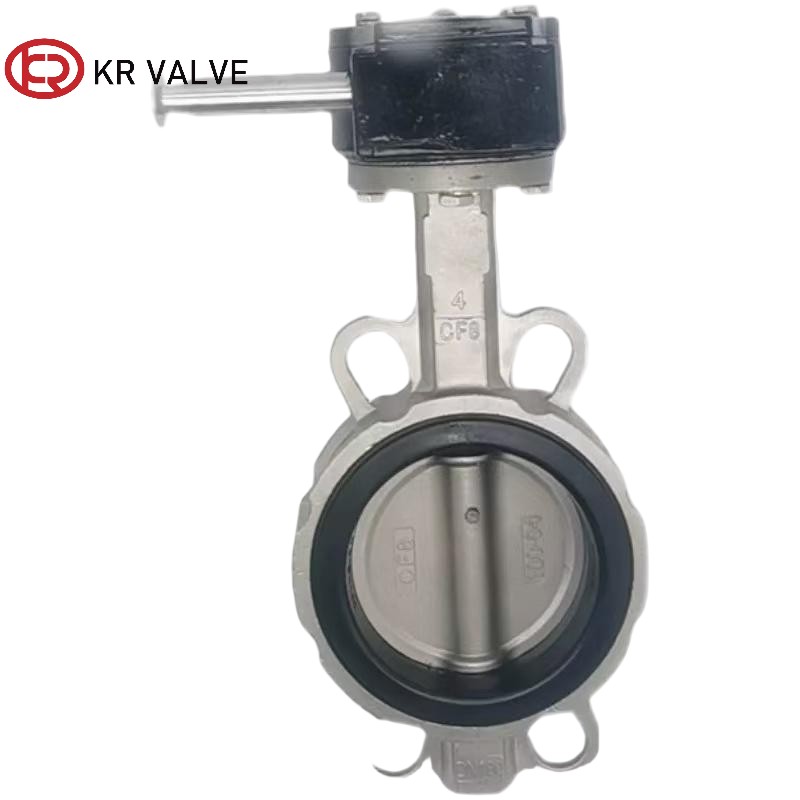
| Valve Type: | Wafer butterfly valve | Structure: | Concentric |
| Standard: | EN593 | Workmanship: | Investment casting |
| Sealing direction: | Bidirectional | Sealing grade: | Zero leakage |
| Temperature: | -20°C<T<120°C | Operation: | Handle/Lever |
Characteristics
Four stage sealing structure is adopted, and the sealing surface is equipped with temperature resistant and anti-aging silicone rubber elastic gasket valve seat, which can completely achieve zero leakage of media. For example, the special transition curve at the connection between the shaft head and the butterfly plate circumference and the reasonable interference fit of the valve seat, as well as the use of elastic O-rings and rigid gaskets and elastic rubber pads at the shaft shoulder end face of the shaft head, all contribute to improving the sealing performance.
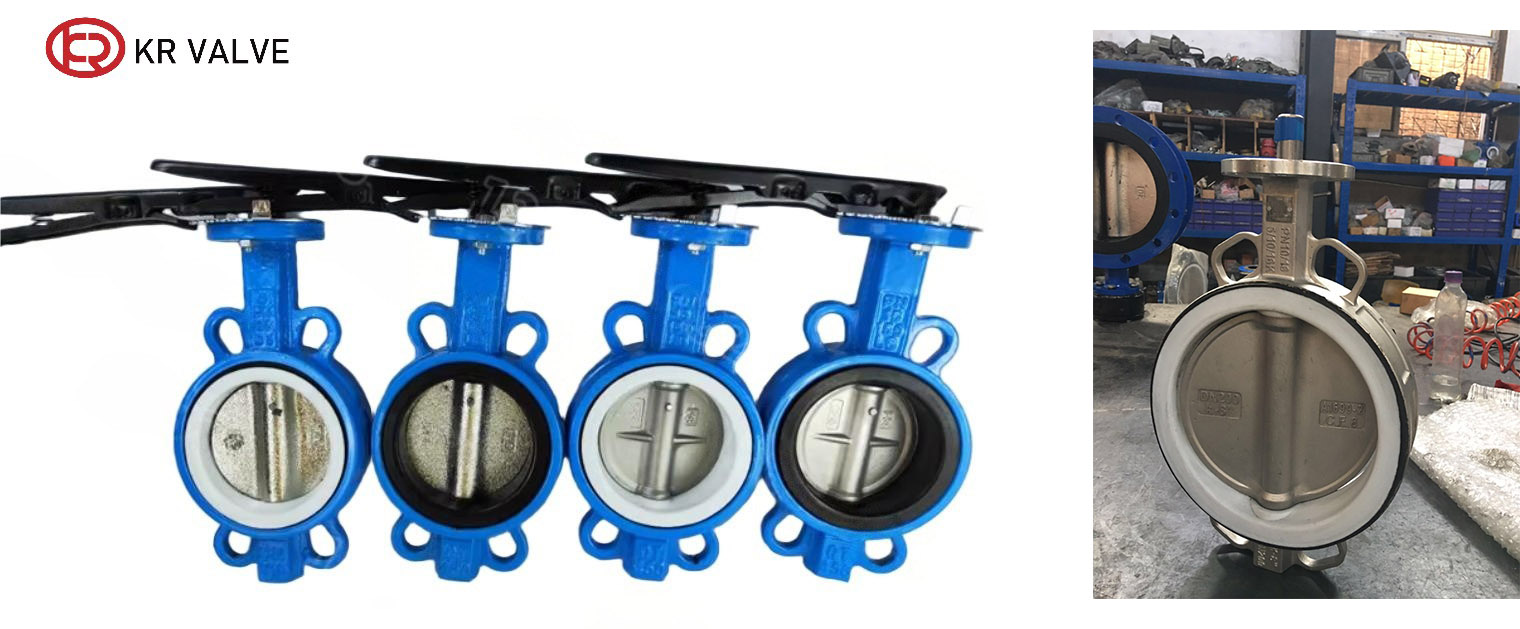
Advantages
1. Chemical resistance
PTFE hardly reacts with most chemicals and can resist corrosion from strong acids, bases, and organic solvents. Only molten alkali metals and certain fluorides can degrade it at high temperatures.
2. Temperature range
It can operate continuously at temperatures ranging from -10 ° C to 180 ° C, with a maximum short-term tolerance temperature of approximately 290 ° C-320 ° C.
3. Low friction
The friction coefficient is as low as 0.02-0.10, which can reduce the wear of moving parts and prevent the medium from adhering to the valve.
4. Non reactive
PTFE does not absorb water or gas, and can remain stable and uncontaminated in humid environments.
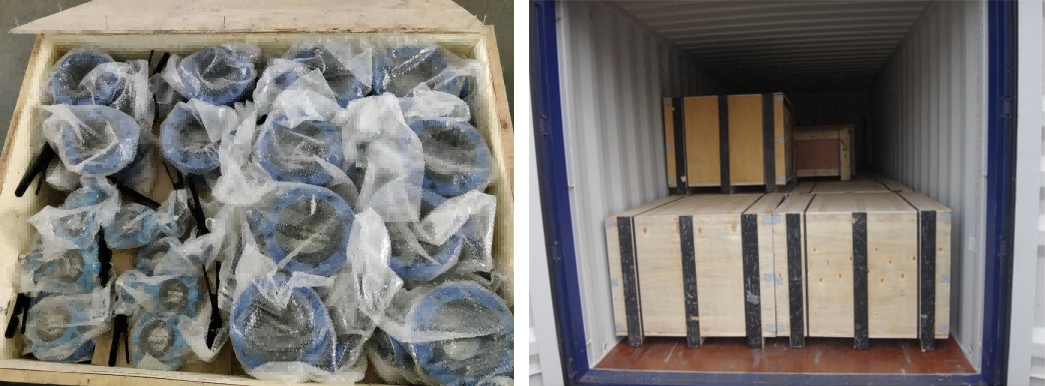
Packing
Standard export wooden case packaging
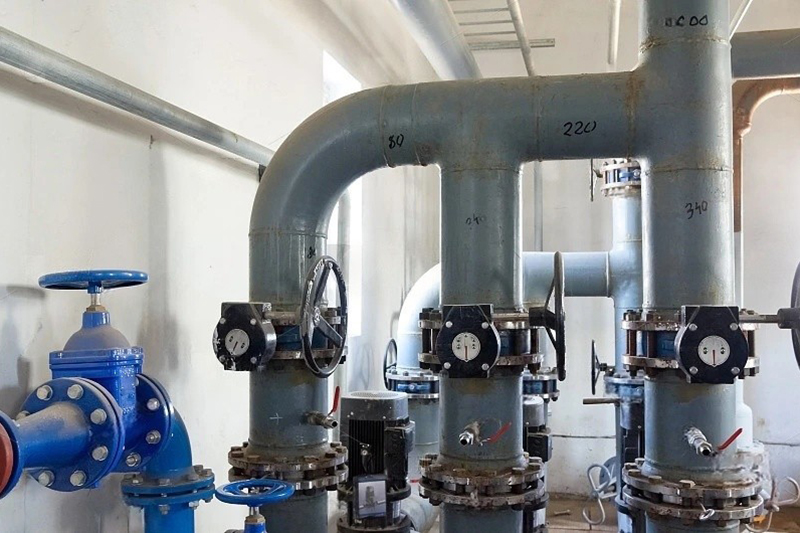
Application Scenarios
Within the chemical industry, it serves as a standard component for production lines processing aggressive media such as sulfuric acid and chlor-alkali products. In the pharmaceutical sector, its GMP-compliant hygienic design renders it ideal for sterile medium transfer systems. For power plant flue gas desulfurization (FGD) systems, it also provides an effective solution to mitigate valve erosion and wear caused by limestone slurry.
Frequently Asked Questions
Q What is the sealing performance and structure of this butterfly valve?
The valve utilizes a four-stage sealing structure combined with a temperature-resistant and anti-aging silicone rubber elastic gasket seat, successfully achieving zero leakage of the media.
Q What temperature range can the valve withstand?
The standard operating temperature ranges from -20°C < T < 120°C. For PTFE components, it can operate continuously from -10°C to 180°C, with short-term resistance up to 290°C-320°C.
Q What chemical resistance properties does the PTFE material offer?
PTFE is highly resistant to corrosion from strong acids, bases, and organic solvents. It does not react with most chemicals except for molten alkali metals and certain fluorides at high temperatures.
Q Where is this wafer butterfly valve typically applied?
It is widely used in the chemical industry for aggressive media, the pharmaceutical sector for sterile transfer systems, and power plant flue gas desulfurization (FGD) systems to prevent erosion from limestone slurry.
Q How is the product packaged for delivery?
All products are packaged in standard export wooden cases to ensure maximum protection during transit.
Q What standards and operation methods apply to this valve?
The valve is manufactured according to the EN593 standard via investment casting, features a concentric structure, and can be operated using a handle or lever.