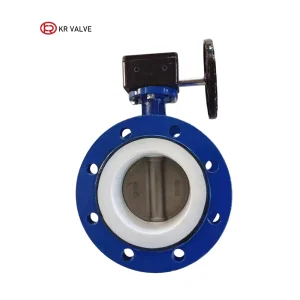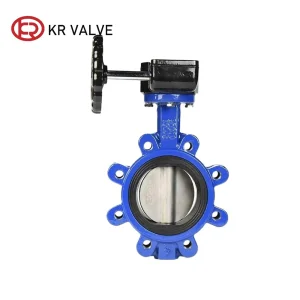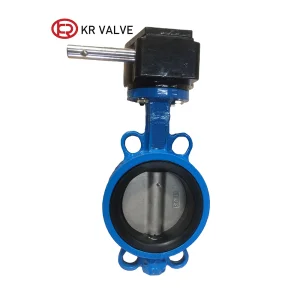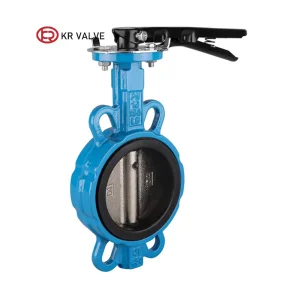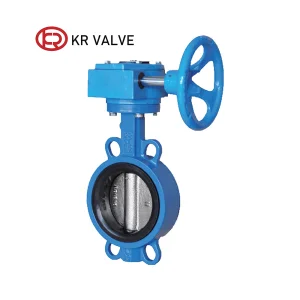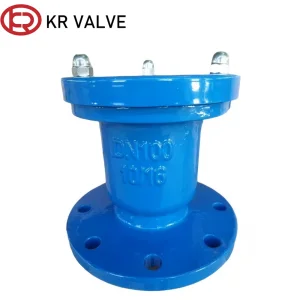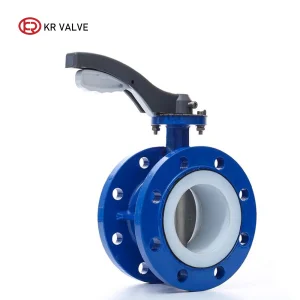
High-Performance Isolation & Flow Control Valves
Explore our custom-engineered non-rising stem gate valves, resilient seated sluice valves, and advanced butterfly valves tailored for municipal and industrial pipelines.
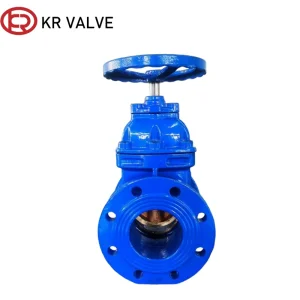
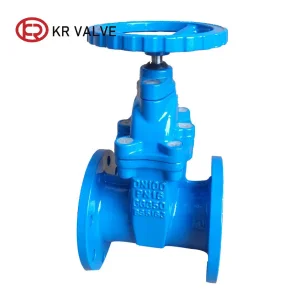
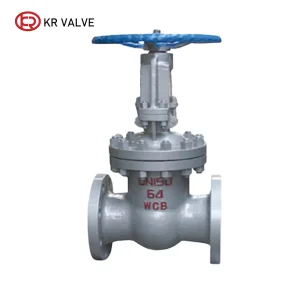
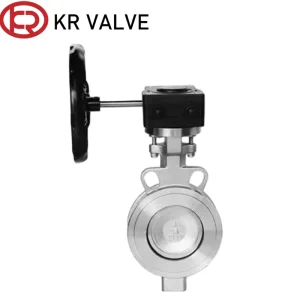
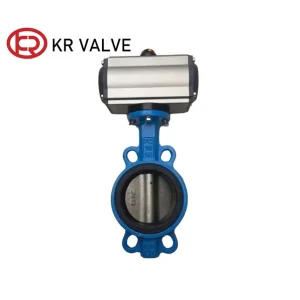
Global Commercial & Industrial Status of NRS Resilient Gate Valves
Strategic analysis of global fluid distribution markets, urban infrastructure upgrades, and the transition from legacy metal-seated valves to resilient-seated technologies.
The global industrial valve sector is experiencing a monumental paradigm shift. As municipal water authorities, desalination mega-projects, and heavy industrial complexes seek to minimize Non-Revenue Water (NRW) losses, the demand for Non-Rising Stem (NRS) Resilient Seat Gate Valves has surged worldwide. Historically, traditional metal-to-metal seated gate valves dominated water distribution. However, metal seats are inherently vulnerable to particulate trapped in the flow passage, leading to seat scoring, debris buildup, line friction, and persistent drip leakage over prolonged operation.
Modern fluid engineering mandates absolute containment and zero-drop shutoff. NRS Resilient Seat Gate Valves address legacy operational failures by encapsulating a high-grade Ductile Iron (GGG40/GGG50) wedge core completely within an elastomer matrix—typically drinking-water certified EPDM or NBR. When closed, the elastomeric wedge compresses perfectly against the smooth, fusion-bonded epoxy (FBE) coated valve body cavity, achieving absolute bubble-tight closure (ISO 5208 Rate A / EN 12266-1 Leakage Rate A) regardless of microscopic pipe rust or sand particles.
Why Non-Rising Stem (NRS) Kinematics Matter in Buried Infrastructure
In municipal underground distribution networks, space restriction is a paramount engineering constraint. Unlike Outside Screw & Yoke (OS&Y) gate valves—where the threaded stem rises vertically out of the bonnet as the valve opens—the stem of an NRS gate valve rotates strictly within the internal valve cavity. The stem nut is threaded directly inside the vulcanized wedge. As the handwheel or cap key rotates the stem, the wedge travels up or down along the internal stem threads without extending the overall height of the valve frame.
This compact vertical envelope makes NRS valves the gold standard for subterranean direct-buried applications, shallow trench piping, valve vaults, utility chambers, and tight mechanical plant rooms. By eliminating external stem exposure, NRS valves also protect sensitive thread pitch geometry from aggressive atmospheric corrosion, soil moisture, sand ingress, and accidental physical impacts.
Materials Science & Mechanical Architecture
An inside look at core component selection, vulcanization dynamics, anti-friction stem thrust systems, and protective coating standards.
Full EPDM Wedge Vulcanization
Ductile Iron (EN-GJS-400-15 / GGG40) core encapsulated in 100% EPDM synthetic rubber. Features engineered guide shoes to prevent rubber wear during continuous cycling under differential pressure.
Cold-Rolled Stainless Stems
Forged SS420/SS316 stems produced via precision cold-rolling. Rolled threads eliminate micro-tears, reducing operating torque by up to 35% and dramatically extending stem nut longevity.
Triple O-Ring Gland Sealing
Maintenance-free stem seal configuration featuring primary back-sealing, secondary nitrile NBR O-rings, and an external dust cap to prevent external contaminants from contacting internal media.
Technical Comparison Matrix: Valve Architecture Selection
Selecting the optimal gate valve design requires evaluating pressure drop, fluid cleanliness, installation envelope, and total cost of ownership. The table below compares primary gate valve engineering models:
| Engineering Parameter | NRS Resilient Seated Gate Valve | OS&Y Resilient Seated Gate Valve | Traditional Metal Seated Gate Valve |
|---|---|---|---|
| Sealing Mechanism | Elastomeric Compression (EPDM/NBR) | Elastomeric Compression (EPDM/NBR) | Metal-to-Metal (Bronze/Stainless Face) |
| ISO 5208 Leakage Rate | Rate A (Bubble-Tight, 0 Leakage) | Rate A (Bubble-Tight, 0 Leakage) | Rate CC to Rate D (Drip Leakage Allowed) |
| Vertical Operating Envelope | Compact / Constant Height | Extends Vertically when Open | Compact / Constant Height |
| Flow Path Integrity | Smooth Straight-Through Bore (No Recess) | Smooth Straight-Through Bore (No Recess) | Bottom Pocket / Recess (Sediment Trap) |
| Buried Service Suitability | Ideal for Direct Burial & Stem Extension | Not Recommended (Exposed Threads) | Requires Frequent Flushing Vaults |
| Protective Coating | FBE Epoxy Resin (≥250 µm Thickness) | FBE Epoxy Resin (≥250 µm Thickness) | Bituminous / Standard Alkyd Paint |
Industry Trends & Technology Roadmap
How digital transformation, IoT-enabled position tracking, decarbonization, and advanced polymers are reshaping gate valve manufacturing.
As global municipal water utilities transition toward Smart Water Networks (SWN) and Industry 4.0 automation, gate valve suppliers must evolve beyond basic mechanical casting. The integration of non-intrusive position indicators, wireless acoustic leak detectors, and motorized linear actuators is fundamentally changing valve procurement strategies worldwide.
Lead-Free & High-Ductility Castings
Replacing traditional grey iron (GG25) with GGG40/GGG50 ductile iron to withstand water hammer surges up to PN25/PN40 without structural fracture.
Zero-Pin-Hole FBE Epoxies
Electrostatic application of non-toxic, drinking water approved (WRAS, NSF/ANSI 61, DVGW) fusion bonded epoxy coatings evaluated at 3000V spark testing.
Integrated Valve Positioners
Deployment of low-power NB-IoT and LoRaWAN stem rotation sensors into subterranean extension spindles to relay real-time open/closed status to SCADA centers.
Low Carbon & EPD Certification
Implementing Environmental Product Declarations (EPD) across valve manufacturing foundries to verify embodied carbon footprints for green building projects.
Localized Application Scenarios & Infrastructure Solutions
Tailored valve configurations engineered for extreme climates, corrosive coastal environments, municipal waterworks, and industrial plants.
Potable Water Distribution & Main Rings
Challenge: Maintaining strict hygenic standards while preventing bio-film accumulation and line leakage in high-pressure distribution trunks.
Solution: BS5163 / DIN3352 F4 NRS resilient seat valves with WRAS-approved EPDM wedges, full-bore smooth channels, and extension spindles for direct burial under paved roads.
Wastewater & Sewage Pumping Stations
Challenge: Heavy solid concentration, stringy debris, and hydrogen sulfide ($H_2S$) biogenic corrosion.
Solution: NBR-encapsulated wedge gate valves paired with SS316 stems and high-thickness FBE coating. Smooth internal body floor eliminates ragging and solids accumulation.
Desalination & Marine Coastal Facilities
Challenge: Highly saline raw seawater environment causing rapid pitting and bimetallic galvanic corrosion.
Solution: Custom NRS valves engineered with Duplex Stainless Steel (UNS S31803 / 2205) stems, Aluminium-Bronze stem nuts, and heavy-duty external polyurethane topcoats.
Frequently Asked Questions & Technical Insights
Clear, authoritative answers to critical engineering, selection, and installation questions regarding NRS resilient seat gate valves.
What is the primary operational difference between NRS and OS&Y gate valves?
Why choose EPDM rubber encapsulation over NBR for drinking water systems?
What manufacturing standards govern NRS Resilient Seat Gate Valves?
Why is Fusion Bonded Epoxy (FBE) coating essential for resilient seated gate valves?
Can NRS gate valves be installed horizontally in a pipeline?
Industrial Grade Valve Solutions & Custom OEM Products
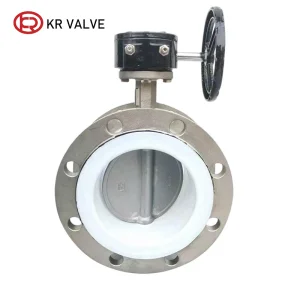
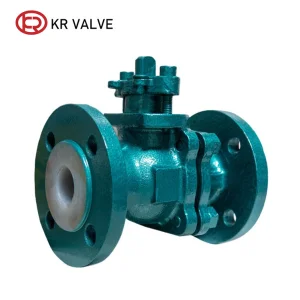
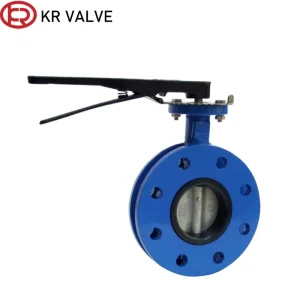
Complete your pipeline package with our factory-direct butterfly valves, full PTFE lined ball valves, and air release accessories.