Industrial Valve Engineering Showcase
Explore our precision-engineered fluid control components, manufactured under rigorous ISO standards for municipal, industrial, and infrastructure applications.
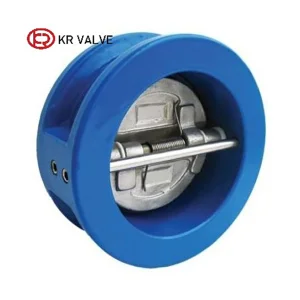
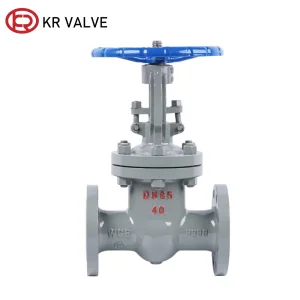
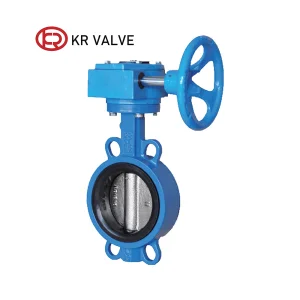
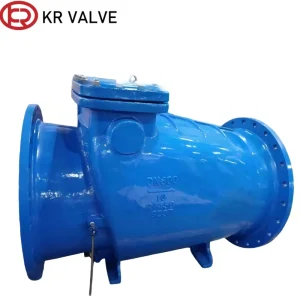
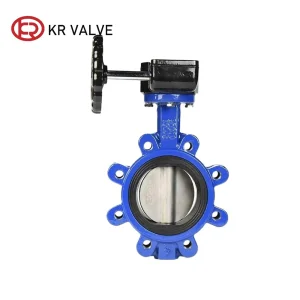
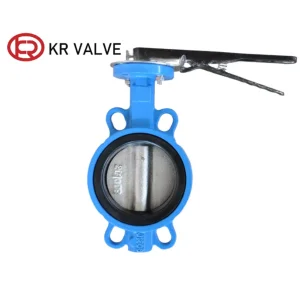
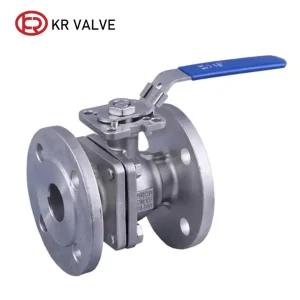
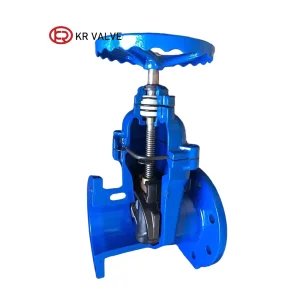
Mechanical Anatomy & Engineering Innovations of Custom NRS Resilient Seat Gate Valves
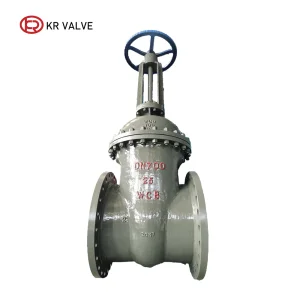
Non-Rising Stem (NRS) Resilient Seated Gate Valves represent the pinnacle of subterranean fluid isolation technology. Unlike conventional Outside Screw and Yoke (OS&Y) valves where the stem lifts vertically during operation, an NRS gate valve features an internal stem threading mechanism. As the stem turns, the internal wedge travels up or down along the threads within the fluid stream, keeping the stem’s overall vertical height static. This spatial efficiency makes custom NRS gate valves the preferred standard for underground buried pipelines, municipal distribution grids, and space-constrained plant vaults.
EPDM Encapsulated Wedge Technology
The core sealing capability relies on a ductile iron wedge fully vulcanized with high-grade EPDM or NBR rubber. This vulcanization ensures total isolation of the iron core from water contact, preventing internal corrosion. The resilient elastomer deforms elastomeric compression against the precision-cast epoxy-coated valve body seat, yielding a bi-directionally tight zero-leakage seal conforming to ISO 5208 Rate A and EN 12266-1 standards.
Straight-Through Smooth Full Bore
Traditional metal-seated gate valves contain bottom seating recesses or grooves where sediment, sand, and tuberculation accumulate, leading to seat damage and shut-off failure. Modern NRS resilient seat gate valves incorporate a completely flat, unobstructed bottom passage. Particles pass smoothly through the full bore, ensuring low head loss (high Cv values) and minimal operating torque throughout decades of service.
Triple O-Ring Stem Sealing
To eliminate maintenance intensive gland packing, advanced NRS gate valves feature a replaceable stem sealing box equipped with triple O-ring seals. The upper O-rings prevent dirt, ground moisture, and dust penetration into the stem housing, while the lower O-rings maintain hydraulic integrity. The stem can be serviced or O-rings replaced under full working pressure while the valve is fully open.
Engineering Information Gain: When sourcing custom NRS resilient seat gate valves, specifying cold-rolled stainless steel stems (AISI 420, 304, or 316) paired with brass or bronze stem nuts prevents galvanic corrosion and thread galling under high-frequency operation in harsh subterranean moisture conditions.
Extension Gate Valves: Deep-Buried Underground Installation Architecture
Direct-buried installations eliminate the massive capital expenditures associated with constructing heavy concrete valve chambers or access manholes. Extension stem gate valve assemblies allow civil engineers to position the gate valve directly in the soil trench, extending operational control up to the road surface via an extension spindle (fixed or telescopic) and surface box.
Telescopic Extension Spindles
Telescopic extension stems provide complete flexibility during road paving and ground leveling. Composed of an inner steel drive shaft housed inside a heavy-duty HDPE protective outer pipe, telescopic spindles adjust seamlessly to variable trench depths (e.g., 1.2m to 2.0m, or 2.0m to 3.5m). Dirt scraper rings at friction joints seal out groundwater and mud, guaranteeing smooth torque transmission from the surface T-key down to the NRS valve stem cap.
- Continuous height adjustment without field cutting or welding
- HDPE outer housing protects stem against backfill compaction loads
- Self-positioning surface cap matches cast iron surface box covers
Fixed Extension Spindles & Accessories
For precise, pre-measured pipeline trenches, fixed-length extension stems manufactured from hot-dip galvanized steel or stainless steel offer maximal torsional rigidity. Paired with universal extension joints, center alignment bearings, and square stem adapters (14mm to 30mm), these systems convert standard NRS resilient seat gate valves into zero-maintenance direct-buried assets.
- Custom lengths engineered up to 4.5 meters upon request
- High-torque resistance exceeding 300 Nm without shaft twisting
- Integrated surface box alignment adapter plate included
Strategic Manufacturing Advantages of Sourcing NRS Gate Valves from China Factories
China has evolved into the world's primary manufacturing cluster for industrial valves, combining complete vertical supply chain integration with world-class metallurgic science and robotic automation. Global procurement directors and engineering contractors choose Chinese valve suppliers to leverage high technical quality alongside unmatched cost efficiency.
Vertically Integrated Foundry Clusters
From pig iron smelting and resin sand casting to CNC machining and rubber vulcanization, Chinese manufacturing hubs (such as Tianjin and Hebei industrial clusters) control every stage of production. Advanced automatic molding lines (e.g., DISA casting lines) guarantee high dimensional precision, uniform wall thickness, and defect-free ductile iron bodies (EN-GJS-400-15 / ASTM A536).
Advanced Epoxy Coating Lines
China's industrial valve plants utilize automated electrostatic fluidized-bed coating lines. Valves undergo shot blasting to Sa 2.5 cleanliness before non-toxic Fusion Bonded Epoxy (FBE) powder is electrostatically applied inside and outside. Coating thickness consistently meets or exceeds 250 microns (µm), providing 50+ years of underground galvanic and chemical protection.
Custom OEM & ODM Adaptability
Chinese suppliers excel in engineering custom extensions, non-standard face-to-face dimensions (DIN 3352 F4/F5, BS 5163, AWWA C515, EN 1074-2), multi-standard flange drilling (PN10, PN16, PN25, ANSI Class 150), gearbox operator integration, and customized top flanges matching ISO 5211 electric or pneumatic actuators.
Scale Economies & Cost Optimization
Mass production capacity combined with optimized supply chain management allows Chinese factories to offer highly competitive pricing without compromising quality. International buyers receive premium-grade valves with WRAS/NSF certified raw materials at significantly lower unit costs compared to European or North American domestic foundries.
Macro Industry Solutions & Field Application Scenarios
Custom NRS resilient seat gate valves and extension stem assemblies provide vital isolation capabilities across diverse macro-infrastructure applications, serving municipal utilities, industrial installations, and heavy civil engineering projects globally.
Municipal Water Transmission & DMAs
In urban drinking water distribution networks and District Metered Areas (DMAs), pipeline isolation must be fast, dependable, and completely non-contaminating. NRS resilient seat gate valves certified to WRAS, NSF 61, or DVGW standards safeguard water purity. Deep-buried extension stem variants allow water authorities to isolate distribution mains beneath roads without breaking pavement or interfering with surface traffic.
Underground Fire Protection Mains (UL/FM Standards)
Dedicated fire ring mains surrounding industrial parks, logistics hubs, and commercial complexes mandate dependable isolation valves. NRS resilient seat gate valves equipped with post indicator adapters (PIV) or extension spindles allow emergency personnel to quickly verify valve position and execute section isolation without entering dangerous confined spaces during fire events.
Wastewater & Effluent Pre-Treatment Facilities
Raw sewage and industrial effluent contain solids, fibrous materials, and corrosive compounds. The smooth bottom passage of the resilient seated gate valve prevents solid buildup, while high-grade EPDM wedge rubber resists bio-fouling and chemical degradation. Coupled with customized extension rods, valves buried deep beneath settlement tanks remain fully operational from surface access points.
Agricultural Irrigation & Rural Water Networks
Cross-country water channels and agricultural irrigation mains require long-distance buried pipeline networks. NRS extension gate valves fitted with surface boxes allow agricultural operators to manage water distribution across miles of terrain without maintaining costly surface structures or exposing valve bodies to environmental weathering and vandalism.
Next-Generation Trends in Resilient Seat Gate Valve & Extension Stem Design
Driven by smart water management initiatives, carbon reduction goals, and total cost of ownership (TCO) optimization, the industrial valve sector is undergoing significant technological transformations:
1. IoT & Smart Position Sensing
Modern municipal utilities require real-time visibility into valve status. Emerging NRS gate valves integrate wireless position sensors embedded in the upper bonnet or extension stem cap. Utilizing LoRaWAN or NB-IoT protocols, these smart valves transmit open/close percentages and torque telemetry to municipal SCADA centers without needing underground power cables.
2. Advanced Polymer & Coating Chemistry
Future-proof valve factories are advancing past standard EPDM toward specialized peroxide-cured EPDM compounds and zero-VOC waterborne epoxy coatings. Peroxide curing improves compression set resistance by over 35% compared to traditional sulfur-cured rubbers, extending zero-leakage sealing lifespans up to 50+ years even in heavily chlorinated drinking water lines.
3. Modular Telescopic Stem Systems
Next-gen extension spindles incorporate modular snap-fit connections and composite carbon-reinforced shafts. These lightweight extension rods eliminate field welding, resist acidic soil corrosion entirely, and reduce operational torque requirements by up to 25%, allowing single-operator handling during maintenance.
Technical Comparison Matrix: Subterranean Isolation Solutions
Selecting the optimal valve type for underground water mains requires balancing flow characteristics, direct-buried capability, and long-term maintenance requirements:
| Evaluation Parameter | NRS Resilient Seat Gate Valve | OS&Y Metal Seated Gate Valve | Concentric Butterfly Valve | Double Eccentric Butterfly Valve |
|---|---|---|---|---|
| Sealing Integrity | Bi-Directional Zero Leakage (ISO 5208 Rate A) | Metal-to-Metal (Minor drip leakage allowed) | Bi-Directional Bubble Tight | Bi-Directional Bubble Tight |
| Unobstructed Flow Passage | 100% Full Bore (No disk in flow path) | 100% Full Bore (Recessed bottom groove) | Disc centered in flow stream (Head loss) | Offset disc in flow path (Low head loss) |
| Underground Direct-Buried Suitability | Excellent (Fixed or Telescopic Stem) | Poor (Rising stem requires concrete pit) | Moderate (Gearbox requires access vault) | Good (Fitted with underground extension gear) |
| Debris & Sediment Tolerance | High (Smooth bottom passage) | Low (Sediment clogs bottom seat groove) | Moderate (Debris damages elastomeric seat) | High (Wiping seal design) |
| Installed Civil Construction Cost | Lowest (No valve chamber required) | High (Requires full concrete chamber) | Low to Moderate | Moderate (Requires vault space) |
| Standard Pressure Ratings | PN10 / PN16 / PN25 / Class 150 | PN10 / PN16 / Class 150 / Class 300 | PN10 / PN16 | PN10 / PN16 / PN25 / PN40 |
Global Enterprise Procurement Standards & Quality Control Checklist
International EPC contractors, municipal water authorities, and industrial distributors require rigorous quality verification before releasing purchase orders. Leading Chinese manufacturers adhere to strict Quality Assurance (QA) and Quality Control (QC) frameworks:
1. Metallurgic & Chemical Verification
Every casting heat batch undergoes optical emission spectrometry testing to verify chemical composition (C, Si, Mn, P, S, Cr, Ni). Nodular graphite spheroidization checks ensure ductile iron meets EN-GJS-400-15 or ASTM A536 65-45-12 tensile strength and elongation mandates (minimum 15% elongation for high fracture toughness).
2. Hydrostatic & Shell Pressure Testing
100% of manufactured gate valves undergo factory pressure testing per EN 12266-1 / ISO 5208 prior to packing. The shell test is executed at 1.5 times nominal pressure (e.g., 24 bar for PN16 rating), followed by bi-directional seat testing at 1.1 times nominal pressure (17.6 bar) to verify zero drop leakage.
3. Coating Holiday & Adhesion Tests
Fusion Bonded Epoxy coatings are subjected to high-voltage spark testing (holiday test at 2000V) to verify zero pinholes. Cross-hatch adhesion tests (ISO 2409) and thickness verification (elcometer measurement ≥ 250 µm) ensure coating longevity under subterranean soil stress.
Procurement Tip: Always request EN 10204 3.1 Material Certificates, WRAS/NSF 61 drinking water compliance documents, and third-party inspection reports (e.g., SGS, TUV, BV) when placing OEM custom valve orders.
Frequently Asked Questions (FAQ)
Technical insights and answers for civil engineers, procurement managers, and valve distributors.
What is the key structural difference between NRS and Rising Stem gate valves?
In a Non-Rising Stem (NRS) gate valve, the stem threads are located inside the valve body in contact with the fluid medium. As the stem turns, the wedge moves along the stem threads up or down while the stem remains vertically stationary. In a Rising Stem (OS&Y) valve, the stem is threaded externally; turning the handwheel raises the entire stem vertically outside the valve body. NRS valves are ideal for underground buried service or compact pipe spaces where vertical clearance is limited.
How do extension stem systems work with NRS resilient seat gate valves in direct-buried installations?
An extension stem assembly consists of a drive adapter attached to the NRS valve stem cap, an extension rod (fixed or telescopic) contained inside a protective outer pipe, and a surface drive cap. The valve is buried directly in soil without a concrete manhole. The surface box is installed level with road pavement. Operators rotate the extension rod from surface level using a T-key, transmitting torque directly down to operate the underground NRS gate valve.
Why is resilient seating (EPDM wedge) preferred over metal seating for municipal drinking water?
Resilient seating utilizes a ductile iron wedge fully encapsulated in drinking-water-approved EPDM elastomer. The resilient rubber compresses into the smooth epoxy-coated valve body, achieving 100% bi-directional zero-leakage shut-off. Unlike metal seats, resilient wedges are immune to scratching from micro-particles or sand and feature a flat bottom passage that prevents sediment trapping.
What custom parameters can be specified when ordering from China valve manufacturers?
Buyers can customize nominal size (DN40 to DN1200 / 1.5" to 48"), pressure class (PN10, PN16, PN25, ANSI 150LB), face-to-face dimensions (DIN 3352 F4/F5, BS 5163, AWWA C515), stem material (SS420, SS304, SS316, Aluminum Bronze), wedge elastomer (EPDM, NBR), stem extension depth (0.5m to 4.5m telescopic), coating thickness, and actuation options (handwheel, square stem cap, bevel gearbox, ISO top flange for actuators).
How does Fusion Bonded Epoxy (FBE) protect underground gate valves?
FBE coating is electrostatically applied in powder form onto pre-heated casting surfaces (Sa 2.5 shot blasted) at temperatures around 200°C. The epoxy melts, flows, and cross-links into a continuous, impenetrable protective barrier over 250 µm thick. This barrier insulates the ductile iron body against soil acidity, stray electrical currents, moisture penetration, and microbiological corrosion, ensuring long term structural integrity.
What testing standards guarantee zero-leakage performance for NRS gate valves?
Key international testing standards include ISO 5208 (Industrial valves — Pressure testing), EN 12266-1 (Testing of metallic valves), and AWWA C515 / C509. Shell hydrostatic testing is conducted at 1.5x PN pressure, and seat isolation testing at 1.1x PN pressure. Zero drop leakage during seat testing certifies the valve to ISO 5208 Rate A / EN 12266-1 Rate A standards.
Additional High-Performance Valve Series
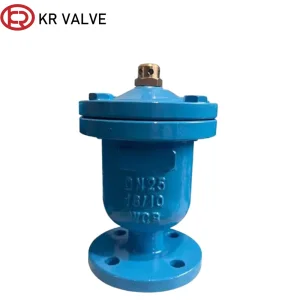
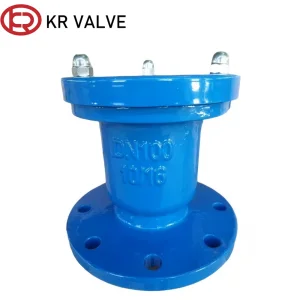
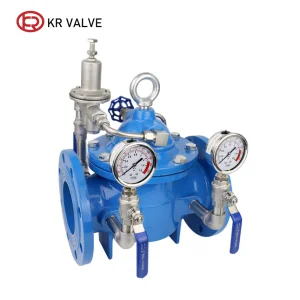
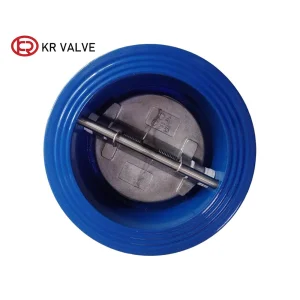
Browse our extended product lines, including automatic air release valves, cast steel gate valves, pressure control valves, and dual disc check valves.