
Featured Industrial Cast Steel & Alloy Gate Valves
Explore our high-performance OEM valve portfolio engineered for high-pressure isolation, severe thermal cycling, and corrosive fluid processing environments.
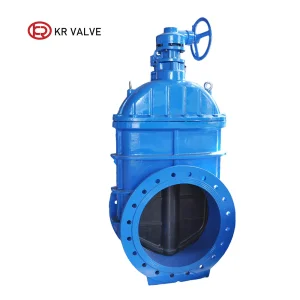
OEM Big Size EPDM Resilient Seat Gate Valve AWWA Standard - China Suppliers & Factory for DN40-DN600 Sizes
Explore Technical Specs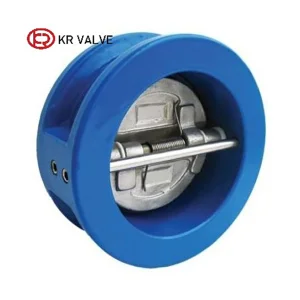
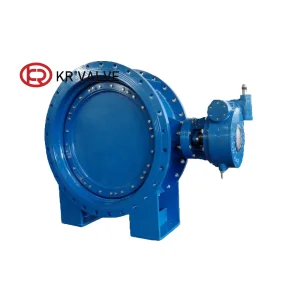
Custom China Suppliers Factory Double Eccentric Butterfly Valve PN16 Soft Sealing D342X DN200-DN3000
Explore Technical Specs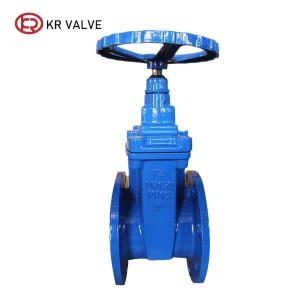
OEM China DIN F4 Standard Gate Valve Suppliers - Resilient Seated Handwheel Operation Factory Manufacturer
Explore Technical Specs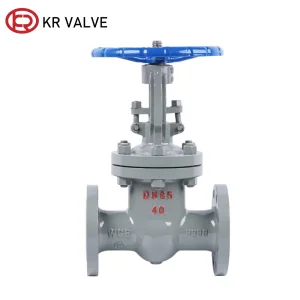
Wholesale High-Temperature WCB Metal Seated Gate Valve ANSI 150LB from China Suppliers & Factory - DN50-DN1000
Explore Technical Specs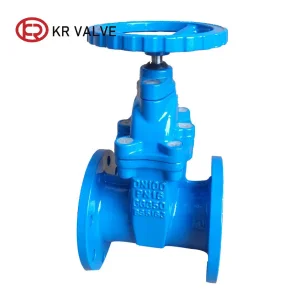
Wholesale BS5163 Gate Valve Soft Seal With Brass Stem Nut Supplier, Manufacturers
Explore Technical Specs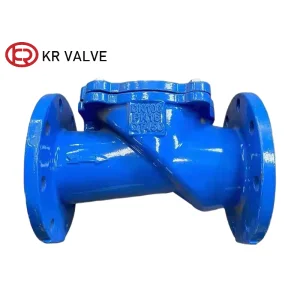
Wholesale EPDM Rubber Flap Flange Check Valve Ductile Iron Supplier, Manufacturers
Explore Technical Specs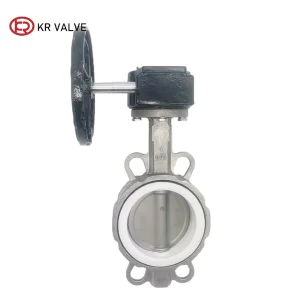
OEM Stainless steel body PTFE seat wafer butterfly valve Supplier, Suppliers
Explore Technical SpecsGlobal Macro Trends & Industry Dynamics in Cast Steel Gate Valves
Analyzing the paradigm shift in heavy industrial fluid isolation: Decarbonization, severe service endurance, digital twin diagnostic alignment, and low-emission compliance.
The global industrial valve market is undergoing a seismic structural evolution driven by energy transition initiatives, downstream petrochemical expansions in the Middle East and Asia-Pacific, and stringent fugitive emission regulations in North America and Europe. Within this framework, Cast Steel Gate Valves serve as the primary defensive architecture for high-pressure, high-temperature linear fluid control. Modern procurement demands have migrated beyond rudimentary dimensional compliance toward multi-faceted material integrity, lifecycle Total Cost of Ownership (TCO), and automated operational readiness.
Fugitive Emissions Mandates
Global environmental regulatory bodies (such as EPA Method 21 and European TA-Luft guidelines) require cast steel gate valves to comply with ISO 15848-1 Class AH/BH testing protocols. Valve factories must utilize engineered live-loaded stem seal systems and die-formed flexible graphite rings to prevent VOC leakage.
Severe Service & Metallurgy
Downstream refining and supercritical thermal power generating units operate at elevated temperatures reaching 600°C and fluid pressures exceeding ANSI Class 2500. Standard carbon steel cast bodies (WCB) are increasingly augmented by chrome-moly alloys (WC6, WC9, C12A) and low-temperature nickel-alloy steels (LCC/LCB).
Supply Chain Rationalization
Global Engineering Procurement Construction (EPC) buyers are consolidating suppliers to original equipment manufacturers (OEMs) capable of delivering fully verified foundry-to-assembly quality traceability. Digital MTRs (Material Test Reports according to EN 10204 3.1/3.2) are now non-negotiable procurement prerequisites.
Metallurgical Selection Matrix & Structural Mechanics
Understanding ASME B16.34 wall thickness requirements, API 600 heavy-duty criteria, and material behavior under severe mechanical and thermal stress.
Cast steel gate valves perform critical on/off isolation where minimal fluid resistance and full-bore flow passages are essential. The structural integrity of the valve relies on precise casting technology, sand-mold consolidation, heat treatment regimes (normalization and tempering), and rigorous non-destructive testing (NDT).
Engineering Information Gain: While standard resilient-seated gate valves dominate low-pressure municipal water applications, heavy industrial process lines require metal-to-metal seating featuring cobalt-base alloy hardfacing (Stellite No. 6) overlaid onto forged wedges and seat rings via Automated Plasma Transferred Arc (PTA) welding to guarantee zero galling at extreme differential pressures.
Technical Comparison: ASTM Steel Casting Grades
| Material Grade | Nominal Composition | Temperature Range | Primary Industrial Applications | Key Mechanical Characteristics |
|---|---|---|---|---|
| ASTM A216 WCB | Plain Carbon Steel (C-Mn) | -29°C to 425°C (-20°F to 800°F) | Refinery process water, crude oil transport, non-corrosive steam | High tensile strength, cost-effective, excellent machinability and weldability. |
| ASTM A217 WC6 | 1.25Cr - 0.5Mo Alloy Steel | -29°C to 593°C (-20°F to 1100°F) | High-temperature boiler feed water, steam generation, hydrocracker units | Superior creep resistance, high thermal yield strength under sustained heat. |
| ASTM A217 WC9 | 2.25Cr - 1Mo Alloy Steel | -29°C to 593°C (-20°F to 1100°F) | Superheated steam lines, coking units, catalytic reforming systems | Enhanced resistance to hydrogen attack and high-temperature oxidation. |
| ASTM A352 LCC | Low-Temperature Carbon Steel (Ni-Cr-Moly) | -46°C to 343°C (-50°F to 650°F) | Cryogenic LNG transport, Arctic oilfield installations, LPG storage | Exceptional Charpy V-Notch impact toughness at sub-zero temperatures. |
| ASTM A351 CF8M | 18Cr-8Ni-2Mo Stainless Steel | -196°C to 815°C (-320°F to 1500°F) | Chemical processing, sour gas (NACE MR0175), offshore marine platforms | Maximum resistance to pitting, crevice corrosion, and aggressive media. |
Flexible Wedge Mechanism
Designed with a perimeter groove around the disc to provide independent seating movement on both upstream and downstream faces. This prevents "thermal binding" when valves close at high temperature and cool down while shut.
Outside Screw & Yoke (OS&Y)
Protects stem actuation threads from corrosive line fluids and abrasive slurry contact. Stem threads are externally lubricated, ensuring smooth handwheel or motor actuation torque across extended operating cycles.
Bolted Bonnet vs. Pressure Seal
Bolted bonnets (BB) use spiral-wound graphite gaskets for ASME Class 150 to 600. For high-pressure severe services (Class 900 to 2500), Pressure Seal Bonnets utilize internal line pressure to force the seal ring tighter against the bonnet wall.
Strategic OEM Procurement Framework & Quality Assurance
How global procurement directors mitigate supply chain risk, audit OEM cast steel gate valve suppliers, and ensure zero-defect project delivery.
Sourcing cast steel gate valves from OEM suppliers requires a comprehensive Quality Assurance (QA) and Quality Control (QC) framework. Industrial buyers must evaluate a supplier’s manufacturing capacity, casting foundry integration, and testing infrastructure to avoid catastrophic valve failures in the field.
Foundry Capability & Sand Casting Control
Verify whether the OEM supplier operates or directly controls silica-sand/resin-bonded sand casting foundries. Casting defects such as micro-porosity, shrinkage cavities, cold shuts, and inclusion pockets directly impair pressure containment capability. Ensure 100% compliance with ASTM A703 requirements.
Non-Destructive Testing (NDT) Rigor
High-reliability critical service valves must undergo extensive NDT protocols, including Radiographic Testing (RT) on critical casting junctions, Ultrasonic Testing (UT) for stem forgings, Magnetic Particle Testing (MT) for ferromagnetic surfaces, and Liquid Penetrant Testing (PT) on Stellite hardfaced seats.
Hydrostatic & Fugitive Emission Testing
Every single manufactured valve unit must undergo shell hydrostatic testing at 1.5 times the rated CWP (Cold Working Pressure) and high-pressure gas seat testing according to API 598 or ISO 5208 standards. Emission-critical applications require helium mass spectrometer leak detection.
Technology Roadmap & Smart Flow Solutions (2025-2035)
Integrating Industry 4.0 IoT diagnostics, computational fluid dynamics (CFD) optimization, and advanced low-emission sealing technology.
As industrial processing plants transition toward automated smart manufacturing and real-time asset performance monitoring, traditional mechanical cast steel gate valves are evolving into intelligent flow control nodes equipped with integrated sensors and predictive maintenance diagnostics.
Wireless IoT Diagnostic Integration
Next-generation gate valves feature wireless HART and ISA100.11a transmitter modules mounted on stem actuators. These sensors continuously monitor stem packing thrust, operational torque curves, line vibration, and temperature anomalies to predict packing failure prior to actual leakage.
FEA & CFD Topology Optimization
Modern OEM manufacturers utilize 3D Finite Element Analysis (FEA) to redesign body wall contours, reducing overall valve weight by 12–15% while maintaining strict ASME B16.34 structural strength standards. Computational Fluid Dynamics (CFD) minimizes turbulent eddy formation within full-bore flow channels.
Hydrogen & Carbon Capture (CCUS) Readiness
With the expansion of hydrogen transportation networks and carbon capture infrastructure, cast steel gate valves are being upgraded with specialized low-permeability polymer stem packings, zero-porosity alloy castings, and materials certified immune to hydrogen embrittlement.
Global Standards Alignment & Technical Harmonization
Navigating international valve design standards, pressure classes, and regional regulatory compliance certificates.
| Standard Body | Design & Manufacturing Standard | Pressure & Temperature Ratings | Testing & Inspection Standards |
|---|---|---|---|
| American (API / ASME) | API 600 (Heavy Duty), API 6D (Pipeline), ASME B16.34 | Class 150, 300, 600, 900, 1500, 2500 | API 598, API 6FA / API 607 (Fire Safe) |
| European (EN / DIN) | EN 1984, DIN 3352, EN 12516 | PN 10, PN 16, PN 25, PN 40, PN 63, PN 100 | EN 12266-1, ISO 5208, PED 2014/68/EU |
| British (BS) | BS 1414, BS 5163 (Resilient Seated) | PN 10, PN 16, Class 125/150 | BS 6755, ISO 5208 |
Compliance Note for EPC Buyers: When specifying valves for sour hydrocarbon service, ensure the OEM manufacturer complies with NACE MR0175 / ISO 15156. This restricts maximum hardness levels for carbon steel castings to 22 HRC to eliminate sulfide stress cracking (SSC) risks in H2S-containing environments.
Frequently Asked Questions (FAQ) - OEM Cast Steel Gate Valves
Expert engineering answers to technical queries encountered during procurement, system design, and valve maintenance.
Complete Pipeline Flow Control Solutions
Explore our extended range of industrial butterfly, check, ball, and automatic water control valves manufactured under ISO 9001 quality systems.
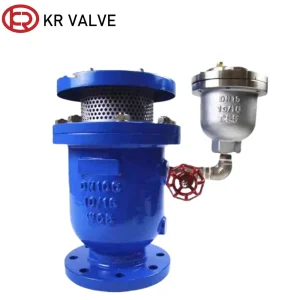
Wholesale China CARX High Speed Release Compound Exhaust Valve - Reliable Suppliers and Factory for Flange Type Solutions
Explore Technical Specs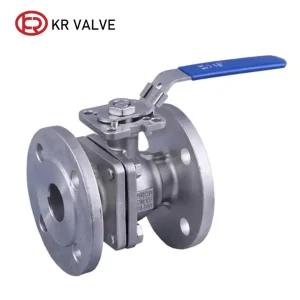
Custom 2pcs type SS316 CF8M ball valve handle operation Supplier, Manufacturer
Explore Technical Specs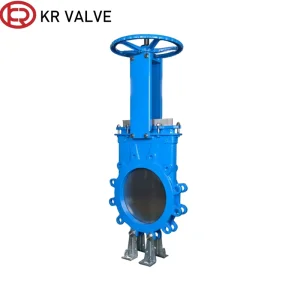
Wholesale WCB knife gate valve lug type manual operation Manufacturer, Factory
Explore Technical Specs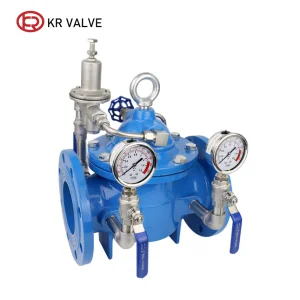
Custom 200X pressure relief valve piloted check type Suppliers, Manufacturer
Explore Technical Specs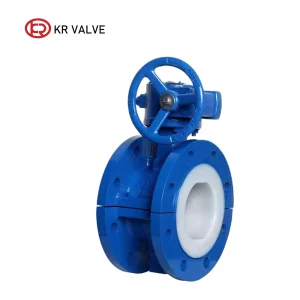
Wholesale China Suppliers Factory WCB Split Body Full PTFE Lined Concentric Butterfly Valve - D341F Series DN40-DN2000
Explore Technical Specs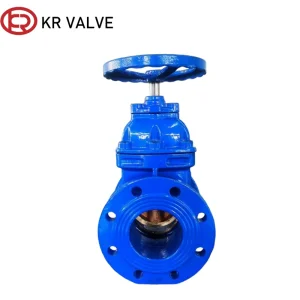
Custom China GGG40 Bronze Seat Hard Seal Flange Gate Valve - Suppliers & Factory for High-Quality Ductile Iron Valves
Explore Technical Specs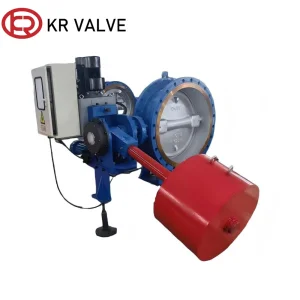
Wholesale Hydraulic cylinder control butterfly valve quick closing adjusting type Supplier, Suppliers
Explore Technical Specs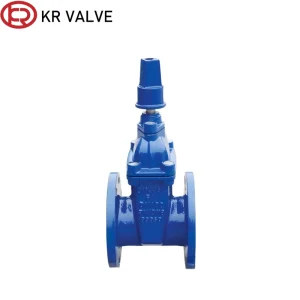
Wholesale Underground gate valve ductile iron body and EPDM Seat Suppliers, Manufacturers
Explore Technical Specs