Premium Valve Assemblies & Flow Control Solutions
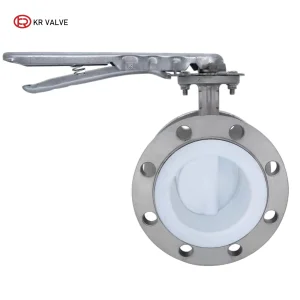
EPDM Elastomer Engineering in Resilient Seated Butterfly Valves
In modern fluid handling and pipeline isolation systems, the rubber seat represents the single most critical failure point in resilient seated butterfly valves. As a world-class OEM EPDM Butterfly Valve Seat Supplier & Factory, we combine cutting-edge synthetic polymer formulation, thermal vulcanization chemistry, and mechanical bonding techniques to engineered exactness.
Technical Insight: Ethylene-Propylene-Diene Monomer (EPDM) is a terpolymer characterized by a saturated polymer backbone that grants exceptional chemical resistance against ozone, oxidative degradation, hot water, steam, and polar solvents. Our factory formulates bespoke EPDM compounds specifically optimized for bi-directional bubble-tight shutoff (API 598 zero-leakage standards).
Peroxide Curing System
Unlike standard sulfur-cured elastomers, our heavy-duty industrial EPDM seats leverage peroxide cross-linking agents. This molecular structure yields superior thermal stability up to +150°C (+302°F), ultra-low permanent compression set, and enhanced resistance to chlorinated washdowns in potable water lines.
Shore A Durometer Optimization
We precisely tune elastomer hardness between 65 Shore A and 75 Shore A depending on valve size (DN40 to DN2400) and media working pressure (PN10, PN16, PN25, Class 150). This balances low seat seating/unseating torque with maximum tear strength and wear endurance.
Backing Matrix Options
We manufacture both replaceable loose sleeve liners and rigid bonded seat structures (Phenolic Backed, Aluminum Backed, or Hard Rubber Vulcanized Backing). Rigid-backed designs prevent seat collapse under high flow velocity and vacuum conditions up to 0.1 Torr.
Global Commercial Status & Elastomeric Material Selection
The global market for resilient seated wafer, lug, and flanged butterfly valves is experiencing unprecedented growth driven by municipal water infrastructure modernization, mega-scale HVAC installations, and seawater desalination development. Choosing the correct elastomer is paramount to preventing premature line shutdowns.
| Elastomer Type | Temp. Range (°C) | Primary Media Compatibility | Ozone & UV Resistance | Compression Set Resistance | Certifications |
|---|---|---|---|---|---|
| OEM Peroxide EPDM | -35°C to +150°C | Water, Steam, Glycol, Mild Acids/Alkalis, Air | Exceptional | Very High | WRAS, NSF/ANSI 61, KTW, FDA 21 CFR |
| Buna-N (NBR) | -20°C to +90°C | Petroleum Oils, Fuel, Hydraulic Fluids, Water | Moderate | High | FDA, UL listed grades |
| Viton (FKM) | -15°C to +200°C | Aromatic Hydrocarbons, Concentrated Acids | Exceptional | Moderate | Industrial Spec |
| PTFE Lined Rubber | -40°C to +180°C | Aggressive Chemicals, High-Purity Fluids | Exceptional | Low (Creep Prone) | FDA 177.1550 |
Strict Compliance with International Standards
Every batch of raw elastomer processed in our OEM facility undergoes rigorous compound testing against global standards including ISO 5211 (mounting interfaces), EN 593 / API 609 (face-to-face dimensions and design standards), and BS EN 12266-1 (pressure testing protocols). Our drinking-water formulations comply with stringent European and American hygienic certifications.
Dynamic Torque Reduction Technology
High break-away torque increases actuator wear and energy usage. Our advanced mold design incorporates micro-ribbing geometry along the seat sealing face, reducing valve seating torque by up to 22% while guaranteeing bi-directional zero-leakage shut-off under full differential pressure.
China Manufacturing Efficiency & Supply Chain Dominance
Partnering directly with a premier Chinese OEM valve seat manufacturer delivers undeniable competitive advantages in lead times, custom mold tooling speed, raw material traceability, and economies of scale.
Rapid OEM Tooling & Prototyping
Leveraging state-of-the-art 5-axis CNC machining centers, our factory manufactures custom injection molds for proprietary butterfly valve body dimensions within 7 to 14 working days, drastically compressing your time-to-market.
In-House Rheometer & QC Testing
Our quality control laboratory conducts 100% batch verification including moving die rheology testing, tensile strength testing (ASTM D412), tear resistance (ASTM D624), and accelerated heat-aging analysis before rubber compounding approval.
Cost-per-Cycle (TCO) Optimization
By controlling the entire process from virgin polymer synthesis blending to automated compression vulcanization, we guarantee a minimum life expectancy of 50,000+ full mechanical cycles, lowering Total Cost of Ownership (TCO) for global EPC contractors.
Localized Industry Application Scenarios
Our OEM EPDM seats are deployed across a vast spectrum of industrial environments worldwide, engineered to resist thermal degradation, chemical attack, and mechanical wear under severe fluid dynamics.
Municipal Water & Potable Networks
Formulated with non-toxic, anti-microbial NSF-61 certified EPDM compounds that resist chloramine oxidation and bio-film build-up in city distribution mains, filtration plants, and pumping stations.
Commercial HVAC & District Cooling
Supports continuous chilled water loop circulation and low-pressure steam heating lines up to 130°C. Resists ethylene glycol and propylene glycol anti-freeze additives without swelling or softening.
Seawater Desalination & Marine
Paired with Duplex Stainless Steel (2205/2507) or Aluminum Bronze discs, our high-grade EPDM seats prevent galvanic corrosion and endure high-salinity brine rejection environments without degradation.
Power Generation Cooling Towers
Handles severe water hammer, turbulent flow, and high volumetric exchange rates in thermal and nuclear power cooling circuits. Exceptional tear strength prevents seat blowout under vacuum pressures.
Industrial Effluent & Wastewater
Compounded to withstand moderate chemical slurries, organic sludge, and dilute acidic or alkaline industrial washdowns in textile, paper pulp, and manufacturing plant treatment systems.
Pneumatic & Bulk Handling Lines
Specially treated surface coatings (silicone-free or dry PTFE film options) prevent particulate accumulation, making them ideal for dry cement, powdered foodstuff, and pneumatic conveyances.
Industry Development Trends & Next-Gen Innovations
As global industries demand higher efficiency, lower fugitive emissions, and intelligent flow diagnostics, elastomer manufacturing is moving towards hybrid polymers and smart sensing technologies.
1. Nanocomposite Elastomer Reinforcement
Incorporating functionalized silica nanoparticles and multi-walled carbon nanotubes into the EPDM matrix boosts tensile modulus and abrasion resistance by up to 35%, significantly prolonging life cycles in abrasive slurries.
2. Embedded Sensor Smart Seat Concepts
Next-generation OEM development involves embedding micro-thin piezoelectric strain sensors directly into the vulcanized phenolic backing, allowing real-time monitoring of seat compression, wear rate, and thermal fatigue.
3. Low-Friction Perfluoro-Coatings
Advanced plasma surface modification applies a ultra-thin fluoro-polymer skin to the EPDM sealing surface, maintaining elastomeric resilience while cutting dynamic friction co-efficiency by more than 50%.
4. Zero-Fugitive Emission Stem Sealing
Integrating primary and secondary stem sealing ridges into the top and bottom shaft passages of the EPDM liner ensures complete compliance with strict ISO 15848-1 environmental leak standards.
Global Procurement Demand & Sourcing Framework
Procurement managers and OEM valve manufacturers require reliable, repeatable batch consistency, standardized physical dimensions, and complete material certification dossiers to maintain global compliance.
Custom Branding & OEM Packaging
We provide full white-label manufacturing, offering custom color-coded EPDM compounds (Blue for Drinking Water, Black for HVAC, Red for High-Temp), customized part number embossing, and specialized export packaging.
Full Material Traceability
Every shipment is delivered with EN 10204 3.1 Material Test Reports (MTR), certifying Shore A hardness, tensile strength, elongation at break, density, and volume swell in specified fluids.
Buffer Stocking & JIT Delivery
To assist global partners with supply chain volatility, our factory maintains raw elastomer safety stock and offers vendor-managed inventory programs for high-volume standard seats (DN50 to DN300).
Frequently Asked Questions (FAQ)
Answers to key engineering and procurement queries regarding OEM EPDM butterfly valve seat selection, material longevity, and manufacturing capabilities.