Featured Industrial & OEM Valve Solutions
Executive Overview: The Evolution of OEM Exhaust Valve Engineering
In modern high-performance internal combustion engines, power generation turbines, and industrial processing systems, the exhaust valve stands as one of the most critical structural and thermodynamic components. Operating continuously under aggressive thermal cycling, severe corrosive gas exposure, and intense mechanical impact, exhaust valves must maintain precise sealing integrity over hundreds of millions of duty cycles. As global environmental regulations (such as IMO Tier III, Euro VI, and EPA Tier 4 Final) enforce stringent limits on emissions and demand elevated thermal efficiency, the structural requirements placed on OEM exhaust valve manufacturers have escalated exponentially.
Today’s original equipment manufacturers (OEMs) and Tier-1 procurement directors require comprehensive engineering solutions rather than commodity parts. Sourcing high-specification exhaust valves demands deep visibility into metallurgical integrity, advanced surface treatments, mechanical tolerance control, and supply chain auditability. This whitepaper systematically evaluates the global industrial dynamics of exhaust valve manufacturing, detailing technological advances, strategic OEM sourcing protocols, and China’s Industry 4.0 production advantages that drive superior information gain and operational security for global buyers.
Global Industry Trends & Advanced Metallurgical Innovations
The global exhaust valve landscape is undergoing a structural transition driven by fuel diversification, aggressive downsizing, thermal supercharging, and hydrogen/alternative fuel combustion. Modern OEM exhaust valve manufacturing is defined by three major technological breakthroughs:
1. Superalloy Metallurgy & Bimetallic Friction Welding
Standard martensitic steels are insufficient for extreme thermal loads. OEM factories now utilize advanced austenitic superalloys such as Inconel 751, Nimonic 80A, and 21-4N (NCF3010) stainless steel. For cost-optimized high-durability applications, bimetallic valve architecture is deployed—electron beam or friction welding a high-temperature superalloy head to a wear-resistant heat-treated martensitic steel stem (such as SUH3 or SUH11).
2. Sodium-Cooled Hollow Stem Technology
To mitigate localized thermal concentration and prevent auto-ignition or valve head burning in turbocharged engines, high-end OEM factories engineer internal hollow valve stems partially filled with metallic sodium. Liquid sodium liquefies at 97.8°C and reciprocates rapidly during valve movement, transferring heat from the valve head down to the valve guide at rates up to 5 times faster than solid stems.
3. Stellite Hard-Facing & PVD Coatings
Seat recession and hot corrosion remain primary failure modes. Leading factories apply micro-plasma powder plasma arc welding (PTA) to deposit Cobalt-based alloys (Stellite No. 6 or Stellite No. 12) onto the valve seating face. Additionally, Physical Vapor Deposition (PVD) coatings like Chromium Nitride (CrN) and Diamond-Like Carbon (DLC) are applied to stem surfaces to minimize coefficient of friction and eliminate scuffing in low-lubrication environments.
4. Smart Actuation & Variable Profile Geometry
With the rise of electro-hydraulic and pneumatic valve actuation systems (eliminating traditional mechanical camshafts), exhaust valves must feature ultra-consistent stem geometry and precise magnetic responsiveness. Precision-ground stems ensure seamless integration with electronic valve timing (EVT) control units.
Global Procurement Dynamics & Strategic Risk Mitigation
For global procurement managers, automotive OEMs, and industrial valve distributors, sourcing exhaust valves involves complex risk evaluations. A single valve fatigue failure can result in catastrophic engine failure, severe warranty liabilities, and brand reputational damage. Therefore, modern procurement protocols focus on three key strategic parameters:
1. Total Cost of Ownership (TCO) vs. Initial Unit Price
While low upfront unit pricing may seem attractive, true sourcing value lies in long-term field reliability. Advanced OEM factories utilize automated 100% eddy current defect detection, continuous ultrasonic wall thickness check, and automated optical inspection (AOI) to achieve zero-defect delivery (PPM < 10). Eliminating early component failure drastically optimizes the TCO over the operating lifespan of the system.
2. Compliance with International Quality Standards
Tier-1 procurement mandates compliance with rigorous global frameworks. Trusted valve manufacturing partners operate under certified management systems, including IATF 16949 (Automotive Quality Management), ISO 9001 (General Quality), ISO 14001 (Environmental Management), and industry-specific standardizations such as API 6D, DIN F5, BS5163, and ANSI B16.34 for industrial valve systems.
3. Rapid Prototyping & Co-Engineering Capability
Custom OEM procurement requires agile engineering collaboration. Premier factories utilize Finite Element Analysis (FEA) and Computational Fluid Dynamics (CFD) simulation tools to co-design valve head profiles, stem fillets, and seat angles alongside the client's R&D team, compressing prototype development cycles from months to days.
China Industry 4.0: Supply Chain Resilience & Manufacturing Superiority
China has evolved from a high-volume manufacturing hub into an advanced high-precision engineering ecosystem. Chinese OEM exhaust valve factories leverage Industry 4.0 automation, raw material integration, and unprecedented logistics efficiency to deliver unmatched global competitiveness.
Automated Production Lines
Modern Chinese manufacturing facilities feature fully automated continuous forging lines, robotic arm loading, CNC multi-axis grinding centers, and automatic online laser gauging systems. Human-error-free manufacturing guarantees consistency across million-unit production runs.
Upstream Metallurgical Integration
By establishing strategic clusters around specialized steel mills and advanced powder metallurgy suppliers (such as those in the Tianjin, Zhejiang, and Jiangsu industrial zones), Chinese valve factories ensure raw material traceability from melt origin to final heat treatment batch.
Supply Chain Resilience & Port Speed
China’s robust supply chain architecture ensures secure procurement even during macro-level global disruptions. Coupled with automated port infrastructure (such as Tianjin Port and Shanghai Port), export orders clear customs smoothly, guaranteeing on-time fulfillment.
Technical Specification & Material Selection Matrix
Selecting the optimal material matrix and mechanical design for an exhaust valve depends directly on operating temperatures, fuel types, and mechanical duty. The following reference matrix outlines standard OEM manufacturing configurations:
| Application Grade | Typical Material Specification | Surface Treatment / Facing | Operating Temp Range | Primary Industrial Sector |
|---|---|---|---|---|
| Standard Heavy Duty | 21-4N (NCF3010) / SUH35 | Stem Nitriding / Chrome Plating | Up to 750°C | Commercial Vehicle ICE, Generators |
| High-Thermal Marine | Nimonic 80A / Inconel 751 | Stellite No. 6 Seat Hard-facing | 750°C - 880°C | Marine Propulsion, Heavy Fuel Oil (HFO) |
| Turbine & Process Control | CF8 / CF8M Stainless Steel | PTFE / Metallic Hard Seal Coating | -50°C to 650°C | Chemical Processing, Steam Lines |
| Performance & Racing OEM | Sodium-Filled Hollow Stem Inconel | DLC (Diamond-Like Carbon) / PVD CrN | 850°C - 950°C+ | High-RPM Turbocharged Engines |
| Industrial Flow Control | Ductile Iron GGG40 / Cast Steel WCB | EPDM / Metal-to-Metal Seating | Up to 450°C | Water Treatment, Municipal & Gas Pipelines |
Localized Application Scenarios & Sector Solutions
Exhaust valves and industrial control valves operate within highly specialized localized environments. Custom manufacturing must account for chemical corrosion, mechanical vibration, media viscosity, and pressure differential parameters unique to each domain:
1. Marine Propulsion & Auxiliary Gensets
Operating on Heavy Fuel Oil (HFO) or Liquefied Natural Gas (LNG), marine engines generate aggressive vanadium/sulfur ash deposit risks. OEM marine exhaust valves feature thick-cladded Stellite 6 seating faces to resist hot corrosion and blowout under continuous high-load maritime transport.
2. Municipal Water Supply & Drainage Pipelines
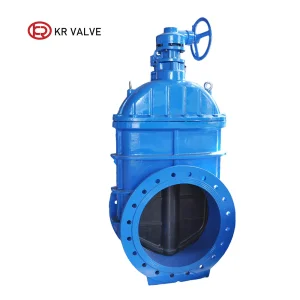
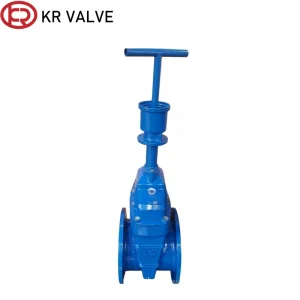
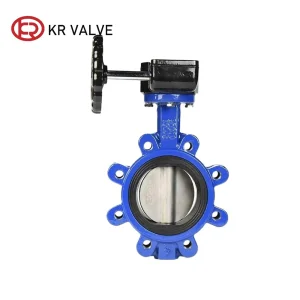
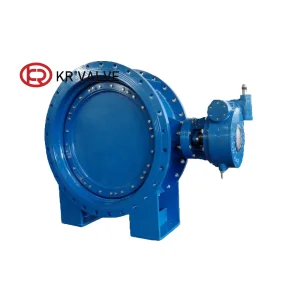
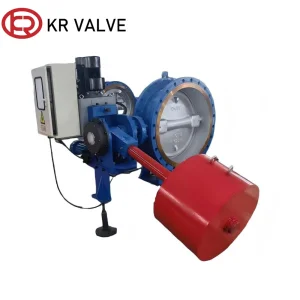
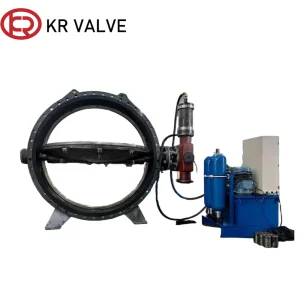
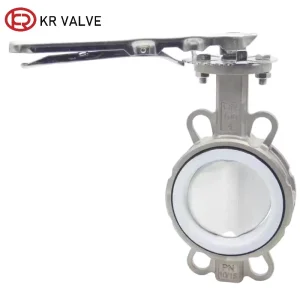
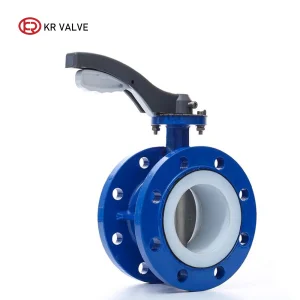
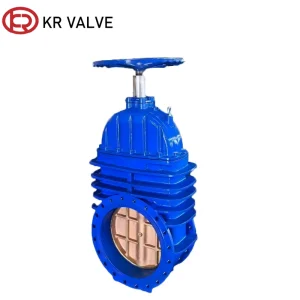
Large-scale flow control requires butterfly, gate, and check valve architectures built with ductile iron GGG40 bodies, EPDM resilient seals, or double eccentric hydraulic cylinder actuators to prevent water hammer and guarantee zero leakage across municipal networks.
3. Petrochemical & Process Gas Pipelines
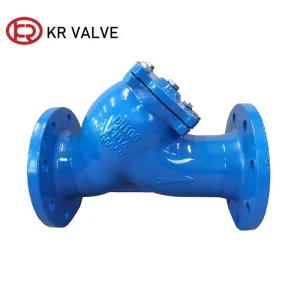
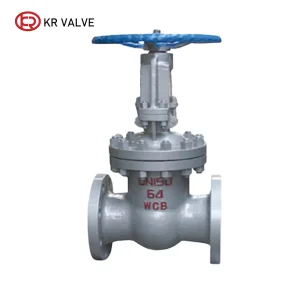
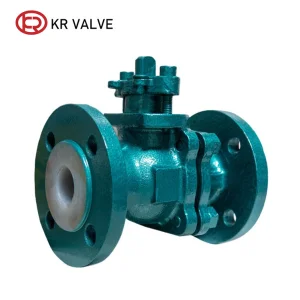
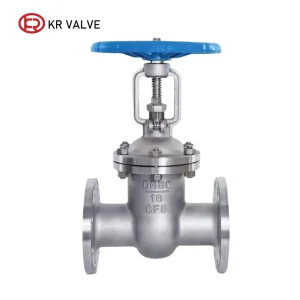
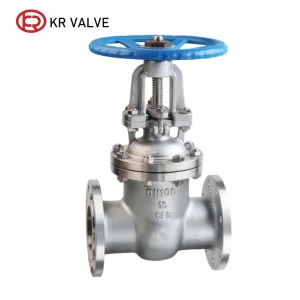
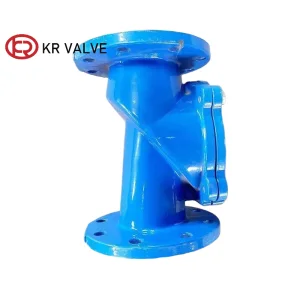
Handling hazardous, flammable, or highly acidic fluids demands stainless steel CF8/CF8M gate valves, PTFE-lined ball valves, and heavy-duty Y strainers to capture particulate debris and prevent downstream valve seat erosion.
Frequently Asked Questions (FAQ) for Global Procurement
Addressing core technical and logistical questions faced by engineering procurement managers when auditing OEM exhaust valve suppliers: