Featured OEM Industrial Valve Series
Explore our primary industrial flow isolation, throttling, and rapid venting valves engineered for municipal, chemical, and heavy-duty industrial applications worldwide.
Comprehensive Engineering Guide: OEM Fast Exhaust Valves
In modern fluid dynamics and pneumatic engineering, the Fast Exhaust Valve (frequently referred to as a Quick Exhaust Valve or QEV) is a critical component designed to dramatically increase system operating speed, prevent backpressure build-up, and mitigate liquid transient pressure surges (water hammer). Positioned directly at the exhaust port of a double-acting cylinder, actuator, or hydraulic pipeline section, the fast exhaust valve bypasses the long return line routing through standard directional control valves by venting media immediately to the ambient atmosphere.
Fundamental Flow Physics & Operating Mechanism
The mechanical working principle of an OEM fast exhaust valve relies on a dynamic elastomeric diaphragm, flexible poppet, or floating metallic piston responsive to differential pressure changes ($\Delta P$). The valve structure consists of three fundamental ports: the Inlet Port (P) connected to the directional control valve, the Actuator Port (A) attached directly to the cylinder or process vessel, and the Exhaust Port (R) open to atmosphere or silence mufflers.
- Pressurization Phase (P to A): When compressed air or fluid flows from the control valve into Port P, the internal diaphragm shifts instantly under pressure, sealing the Exhaust Port R while simultaneously unseating the flow path directly to Port A. Fluid fills the actuator chamber to execute the working stroke.
- Rapid Venting Phase (A to R): As soon as the directional control valve shifts to exhaust, the pressure at Port P drops below the stored pressure at Port A. The resulting pressure differential forces the internal membrane or poppet backward, sealing Port P and providing an unhindered, high-flow coefficient ($C_v$) pathway directly from Port A out through Port R to atmosphere.
By discharging high-volume exhaust media locally, air resistance inside return piping is virtually eliminated. This local pressure dump prevents backpressure build-up, reducing mechanical stress on cylinder seals, reducing motor duty cycles, and shortening cylinder retract times by 30% to over 60% depending on pipeline length and fluid viscosity.
Technical Performance & Material Selection Matrix
Selecting the precise valve metallurgy and seating polymer is critical for maximizing operational lifespan, chemical compatibility, and pressure envelope compliance.
| Valve Category | Body Material Options | Internal Seal / Diaphragm | Working Pressure | Temperature Range | Primary Industrial Purpose |
|---|---|---|---|---|---|
| Pneumatic Fast Exhaust Valves | Anodized Aluminum / Forged Brass / SS316 | NBR, Polyurethane, Viton (FKM) | 0.5 - 10 bar (PN10) | -20°C to +180°C | High-speed cylinder stroke acceleration & packaging automation. |
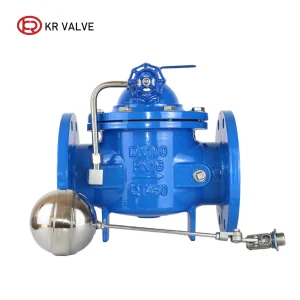
| Hydraulic Quick Air Release Valves | Ductile Iron (GGG40/50), WCB Cast Steel | EPDM, Stainless Steel Float Ball | 10 - 64 bar (PN10-PN64) | -10°C to +90°C | Municipal water main air venting & water hammer prevention. |
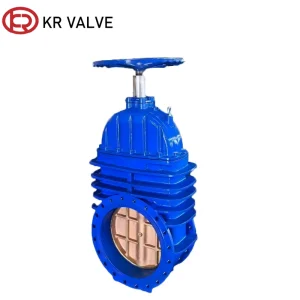
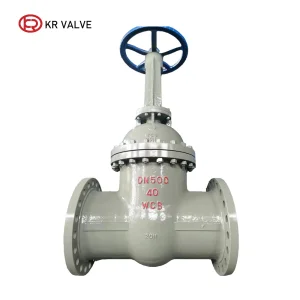
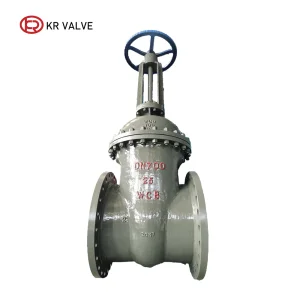
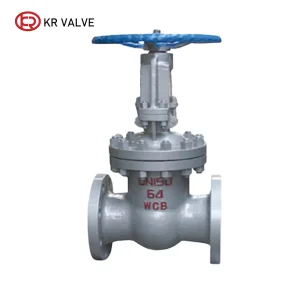
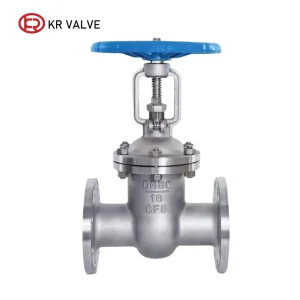
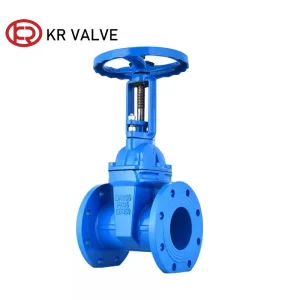
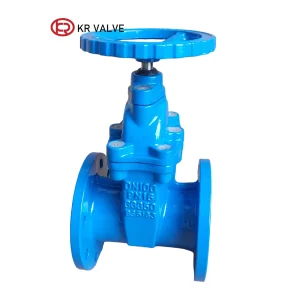
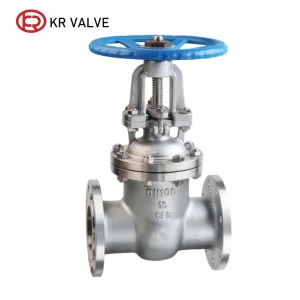
| Metal-Seated Gate Valves | WCB, Cast Iron GG25, Bronze / SS Seat | Bronze, SS304 / Hard Facing | PN16 - PN64 / DN50-DN1000 | -29°C to +425°C | Heavy-duty fluid isolation, thermal steam lines, high pressure. |
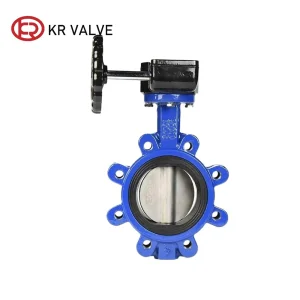
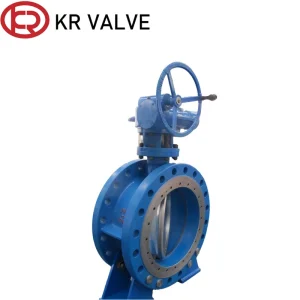
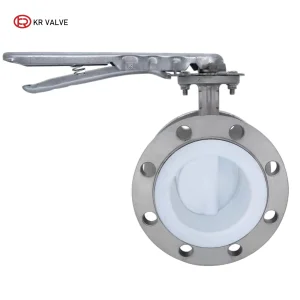
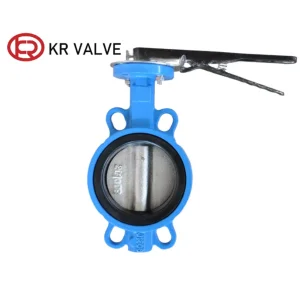
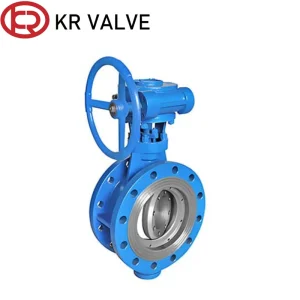
| Resilient Seated Butterfly Valves | Ductile Iron, WCB, Stainless CF8/CF8M | EPDM, NBR, PTFE Lined | PN6 / PN10 / PN16 | -40°C to +200°C | Compact HVAC, municipal distribution, slurry & chemical handling. |
| Hydraulic Diaphragm Control Valves | Ductile Iron GGG40, WCB Steel | Reinforced Nylon Diaphragm + EPDM | PN16 - PN25 | 0°C to +80°C | Automated pressure reduction (200X), level control (100X). |
China OEM Manufacturing Synergies (Tianjin Valve Hub)
Advanced CNC Precision & Machining
Tianjin manufacturing hubs utilize high-precision multi-axis CNC machining centers, horizontal boring machines, and automated micro-honing rigs. Valve cavities and dynamic diaphragm seats are finished to ultra-tight tolerances (Ra < 0.4 µm), eliminating frictional resistance and guaranteeing rapid microsecond valve response times.
End-to-End Metallurgical Mastery
From investment lost-wax casting of CF8M stainless steel to resin-sand casting of heavy ductile iron (GGG40/50) and WCB carbon steel, vertically integrated foundries ensure strict alloy purity. Spectral Positive Material Identification (PMI) testing guarantees adherence to ASTM, DIN, and BS international material codes.
100% Quality Assurance & Testing
Quality control protocols mandate 100% shell hydrostatic testing and pneumatic bubble seat testing on every single unit prior to dispatch. Shell tests are conducted at 1.5x nominal pressure rating, ensuring total pressure boundary security under severe hydraulic line spikes and thermal cycling.
Industrial Infrastructure & Macro Flow Solutions
Municipal Water Infrastructure & Water Hammer Protection
In municipal water transmission networks, long-distance pipelines are susceptible to severe column separation and transient shockwaves caused by sudden pump trips. High-capacity fast exhaust and combination air valves installed at high elevation points vent thousands of cubic meters of trapped air during pipeline charging, and rapidly collapse air pockets to prevent destructive hydraulic pressure spikes.
Automated Packaging & Pneumatic Robotics
Modern high-speed manufacturing lines depend on rapid pneumatic actuation. By integrating micro fast exhaust valves directly onto heavy cylinder caps, exhaust backpressure is instantly dumped. This allows robotics, stamping presses, and sorting sorters to run at maximum velocity while consuming less compressed air and generating minimal heat build-up.
Complete Pipeline & Control Valve Sourcing Options
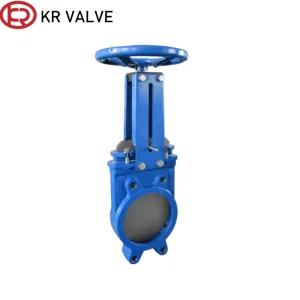
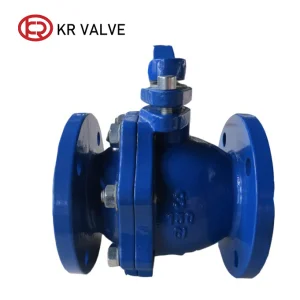
Select complementary high-pressure gate, knife gate, butterfly, ball, and hydraulic control valves manufactured to precise ANSI, DIN, BS, and JIS standards.
Frequently Asked Questions (FAQ) for OEM Sourcing
In-depth technical answers curated by senior flow control engineers to streamline procurement, specification matching, and system troubleshooting.