
Featured OEM Industrial Valve Catalog
Precision-engineered isolation valves manufactured to international ANSI, DIN, BS, and MSS standards for severe fluid control.
-
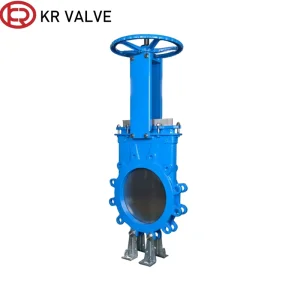 OEM China WCB Knife Gate Valve, Lug Type Manual Operation - Reliable Suppliers and Factory! Suppliers, ManufacturersView Product Details →
 -
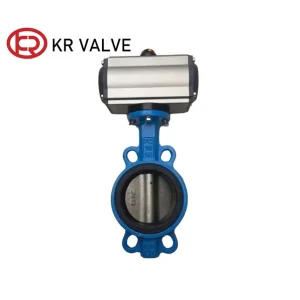 Wholesale Pneumatic wafer butterfly valve single acting spring type Manufacturers, FactoryView Product Details →
 -
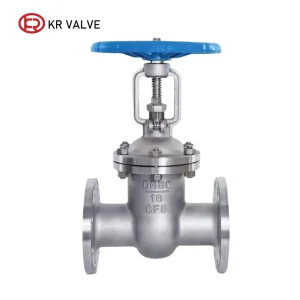 OEM Stainless Steel SS Flange Gate Valve Rising Stem Type - China Suppliers & Factory Direct OEM/ODM Services Manufacturers, FactoryView Product Details →
 -
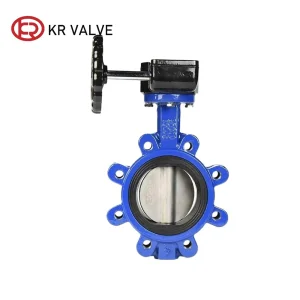 Custom China Suppliers Factory Lug Butterfly Valve with EPDM Seal - Concentric Resilient Seated, Sizes DN40-DN600 Supplier, ManufacturerView Product Details →
 -
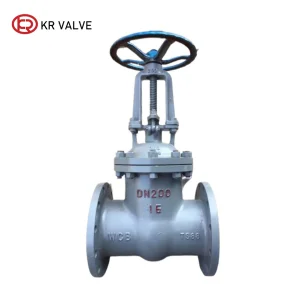 OEM Rising stem gate valve WCB/WCC material Supplier, FactoryView Product Details →
 -
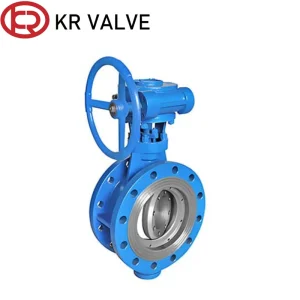 Custom Triple eccentric flanged butterfly valve hard seal WCB material Manufacturers, FactoryView Product Details →
 -
OEM China Suppliers Factory Concentric Resilient Lug Butterfly Valve with EPDM Seal - DN40-DN600, PN6/PN10/PN16 Supplier, ManufacturerView Product Details →
-
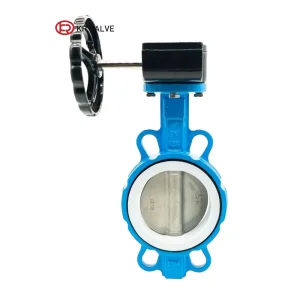 Wholesale PTFE Seat Butterfly Valve Suppliers in China - D71X Series, Concentric Resilient Seated, Corrosion-Resistant Factory Supplier, SuppliersView Product Details →
Technical Architecture: Knife Edge Gate Valve Mechanics
Understanding the Fluid-Dynamic Shearing Principles, Blade Metallurgy, and Differential Pressure Sealing Capabilities.
High Gain Information Note: Mechanics of Heavy Slurry Shearing
A Knife Edge Gate Valve (KEGV) is specifically engineered for viscous slurries, abrasive fluids, dry powders, and solid-laden media where traditional wedge gate valves fail due to particulate entrapment in seat cavities. Unlike standard gate valves, the KEGV features a bevelled, knife-like stainless steel blade that physically shears through suspended fibrous materials, wood pulp, tailings, and dense mineral slurries before establishing a tight bubble-tight seal against the valve seat.
| Design Architecture | Sealing Type | Pressure Rating | Slurry Density Handling | Primary Industrial Use Case |
|---|---|---|---|---|
| Wafer KEGV | Unidirectional / Metal or Soft | 10 bar / 150 PSI | Up to 15% Solids | Paper stock processing, Municipal sewage line isolation |
| Lugged KEGV | Bidirectional / Elastomer Sleeved | 16 bar / 230 PSI | Up to 45% Solids | Mining tailings disposal, Dead-end service pipelines |
| Through-Conduit Slurry | Dual Elastomer Sleeves | 25 bar / 360 PSI | Up to 70% Dense Solids | Hydrocyclone feed, Heavy mineral sands, Ash handling |
| Bonneted KEGV | Fugitive Emissions Control Seal | ANSI Class 150/300 | Toxic Slurries / Gas Mix | Petrochemical catalysts, Hazardous chemical recovery |
Macro-Industry Solutions & Application Scenarios
Engineered flow isolation for extreme environments, heavy abrasive wear, and severe chemical corrosion across global heavy industries.
Pulp & Paper Manufacturing
Processing recycled paper stock, black liquor, and virgin wood pulp requires valves capable of cutting through fiber mats without clogging bottom cavities.
- Optimized Blade Edge: 30-degree bevel sheared knife blade eliminates fiber packing.
- Self-Cleaning Pocket: Flush-bottom body design prevents media accumulation.
- Material Specs: SS316L body with PTFE impregnated packing gland.
Mining, Minerals & Tailings
Handling copper, gold, iron ore slurry, and mineral sands demands extreme abrasion resistance and zero downstream sleeve washouts.
- Heavy Duty Sleeves: Replaceable natural rubber or polyurethane sleeves compress to form a continuous seal.
- Knife Coatings: Stellite alloy hard-facing or HVOF tungsten carbide coating.
- Zero Cavity: Full port line prevents internal erosive wear.
Municipal & Industrial Wastewater
Effective management of raw sewage, digested sludge, grit chambers, and storm overflow channels in municipal treatment facilities.
- Corrosion Barrier: Epoxy powder coating (FBE) applied internally and externally.
- Actuator Readiness: Direct mounting pad for ISO 5211 pneumatic & electric actuators.
- Low Maintenance: Self-adjusting chevron packing system.
Power Generation & Ash Handling
Dry fly ash, bottom ash sluice systems, and flue gas desulfurization (FGD) plants require robust temperature and pressure ratings.
- High-Temp Ratings: Special ceramic seats capable of operating up to 450°C.
- Dust-Tight Hood: Enclosed superstructure to keep airborne ash out of guide stems.
- WCB & Chromium Iron Body Options.
Chemical & Petrochemical Processing
Corrosive crystalline suspensions, polymer slurry, and acidic fluids demanding superior alloy metallurgy.
- Duplex Alloys: Duplex 2205, Super Duplex 2507, and Hastelloy C276 knife gates.
- Fugitive Emission Guards: Live-loaded packing systems compliant with ISO 15848-1.
- Full Certification: EN 10204 3.1 material traceabilities available.
Global Enterprise Procurement & OEM Engineering Specifications
Providing EPC contractors, plant operators, and valve distributors with custom manufacturing parameters tailored to exact project blueprints.
Custom Metallurgical Selection
We cast and machine a broad array of standard and exotic alloys to withstand chemical attack and erosive wear:
- Cast Iron & Ductile Iron: GG25, GGG40, GGG50 for standard municipal water applications.
- Carbon Steels: WCB, WCC, LCC for industrial high-strength body shells.
- Austenitic Stainless Steels: CF8 (SS304), CF8M (SS316), CF3M (SS316L).
- Specialty Alloys: 254 SMO, Alloy 20, Hastelloy C276, Titanium Gr. 2.
Seating & Seal Ring Configurations
Matching seat chemistry to working fluid temperature and media abrasiveness:
- Resilient Seats: EPDM (120°C), NBR (90°C), Viton/FKM (200°C), PTFE (200°C).
- Metal-to-Metal Seats: Integral stainless steel body seats or renewable SS316 ring seats for high friction/temperature.
- Reinforced Elastomer Slee Sleeves: Heavy-duty natural rubber sleeves with internal metal support rings.
Actuation & Control Automation
Flexible control configurations engineered for seamless plant PLC integration:
- Manual Control: Handwheel with non-rising stem, Bevel Gearbox for high torque, Chainwheel for elevated pipelines.
- Pneumatic Actuation: Double-acting or spring-return pneumatic cylinders with limit switches, solenoid valves, and electro-pneumatic positioners.
- Electric Actuation: Intelligent multi-turn/linear electric actuators (Rotork, SIPOS, AUMA compatible).
- Hydraulic Systems: High-pressure hydraulic cylinders for rapid fail-safe operation.
China Factory 4.0: Supply Chain Resilience & Efficiency
Leveraging state-of-the-art automated manufacturing, in-house metallurgical testing, and agile global logistics.
Precision Machining & Automated Foundry
Our OEM manufacturing lines utilize CNC horizontal machining centers, automatic shell molding, and robotic laser cladding for knife gate blades. This ensures strict dimensional tolerances (±0.02mm) across high-volume production batches.
Rigorously Tested QA Protocols
100% of manufactured valves undergo hydrostatic body testing and seat leakage testing in accordance with MSS SP-81 and API 598 standards before export packaging. Spectrometric Positive Material Identification (PMI) is performed on all alloy heats.
Rapid Lead Times & Raw Material Buffers
By maintaining strategic stockpiles of raw castings (WCB, SS304, SS316) and standard pneumatic cylinders, our factory reduces average custom OEM lead times by 35% compared to Western manufacturers, offering fast-track dispatch for critical plant overhauls.
Technical Roadmap & Next-Generation Innovations
Pioneering Smart Valve Intelligence, Advanced Ceramic Composites, and Zero-Emission Sealing Technologies.
1. IoT Smart Diagnostics & Predictive Maintenance
Integrating wireless vibration sensors, stem travel positioners, and packing gland pressure transducers directly into the valve bonnet. Real-time telemetry feeds into plant SCADA systems, warning operators of seal wear or slurry packing prior to catastrophic line failure.
2. Nano-Structured Ceramic Sleeves
Developing structural ceramic liners (Zirconia and Silicon Carbide) for gate blade guides and ports. These liners increase service life by over 400% in highly abrasive lithium mining tailings and coal washery circuits.
3. ISO 15848-1 Ultra-Low Emission Packing
Next-generation live-loaded Belleville spring packing glands combined with expanded graphite and pure PTFE Chevron rings to meet ultra-strict international TA-Luft and ISO 15848-1 fugitive emission compliance for chemical refineries.
Localization Support & Global Compliance Assurance
End-to-End International Certification, Technical Documentation, and Dedicated Engineering Backing.
International Valve Design Standards
Our OEM engineering teams strictly conform to design and flange dimension requirements across major industrial markets:
- Design Standards: MSS SP-81, ASME B16.34, EN 1171, DIN 3352.
- Flange Connections: ASME B16.5 (Class 150/300), EN 1092-1 (PN6/10/16/25), AS 2129 (Table D/E), JIS B2220.
- Face-to-Face Specs: MSS SP-81, EN 558 Series 20, DIN 3202.
Global Quality Certifications
Every shipment is backed by comprehensive export documentation and international quality accreditations:
- ISO 9001:2015 Quality Management Systems.
- CE-PED Directive 2014/68/EU for pressure equipment safety.
- EAC Certification for Eurasian Customs Union compliance.
- EN 10204 Type 3.1 Material Traceability & Pressure Test Certificates.
Comprehensive OEM Support & Logistics
Custom private-label packaging, customized tag plates, regional warehousing partnerships, and direct engineering consultations ensure smooth project handovers across North America, Europe, the Middle East, and Southeast Asia.
Complementary OEM Pipeline & Valve Solutions
Explore our complete range of high-performance industrial ball valves, check valves, butterfly valves, and pipeline strainers.
-
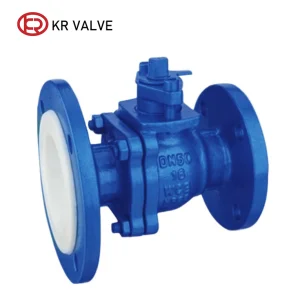 Wholesale PTFE Lined WCB Ball Valve - Flange Type, DN50-DN300, Corrosion Resistant - China Suppliers & Factory Supplier, FactoryView Product Details →
 -
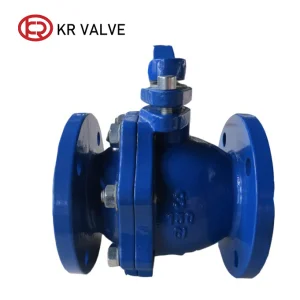 Custom Ductile Iron Flange Ball Valve with PTFE Seat - China Suppliers & Factory, PN16/PN25, Sizes DN50-DN300 Supplier, ManufacturerView Product Details →
 -
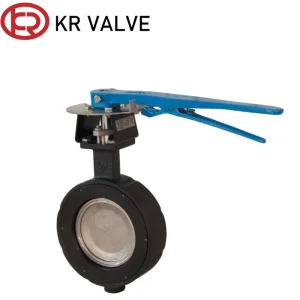 Custom Triple Offset Wafer High Performance Butterfly Valve Suppliers, ManufacturerView Product Details →
 -
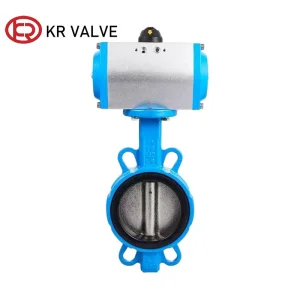 Wholesale Pneumatic Wafer Butterfly Valve Suppliers in China - Factory Direct Double Acting Design Available Manufacturer, FactoriesView Product Details →
 -
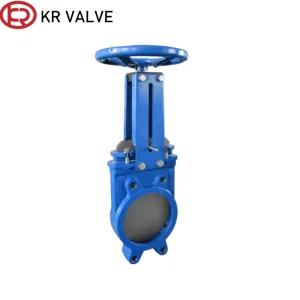 Custom Ductile Iron Wafer Knife Gate Valve PN16 - China Suppliers & Factory for Sewage, Slurry, and Powder Pipelines Manufacturers, FactoryView Product Details →
 -
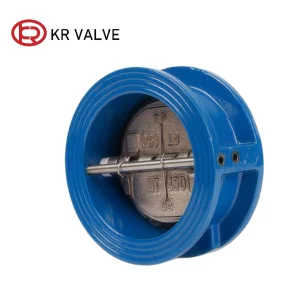 OEM China Dual Plate Wafer Lug Check Valve 4 Inch - Suppliers & Factory for High-Quality Flow Control Solutions Suppliers, ManufacturersView Product Details →
 -
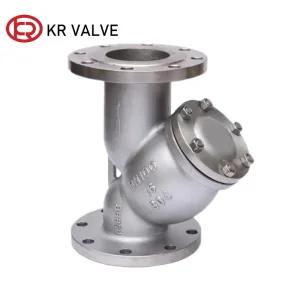 OEM Y Type Strainer SS304 Material 150LB Flanged Basket Filter - China Suppliers & Factory Direct Sales Manufacturers, FactoriesView Product Details →
 -
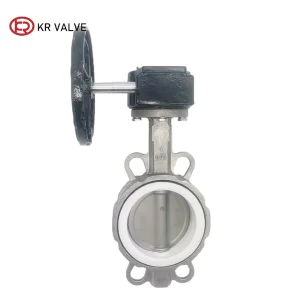 Wholesale China Stainless Steel Body PTFE Seat Wafer Butterfly Valve Suppliers - D71X Series Factory Direct Supplier, FactoriesView Product Details →
Frequently Asked Questions (Technical & Procurement FAQ)
In-Depth Answers to Critical Questions Asked by Valve Procurement Officers, EPC Project Managers, and Plant Engineers.
What is the allowable leakage rate for Knife Edge Gate Valves under MSS SP-81 standard?
Under the standard MSS SP-81 specification for metal-seated knife gate valves, the maximum allowable seat leakage rate during hydrostatic testing is 40 mL per minute per inch of nominal pipe size at a differential testing pressure of 40 PSI (2.8 bar). However, when OEM resilient seats (such as EPDM, Viton, or PTFE) or dual elastomeric slurry sleeves are specified, our factory guarantees Zero Leakage (Bubble-Tight shut-off conforming to API 598 rate A standards).
When should I select a Unidirectional vs. a Bidirectional Knife Edge Gate Valve?
Unidirectional knife gate valves are engineered for fluid pipelines where process flow and differential pressure always push the gate blade against the seat in one direction. They are lighter and more economical for standard paper pulp stock or gravity drainage lines. Bidirectional knife gate valves are mandatory in applications where backpressure, reverse flow, or dead-end isolation can occur (e.g., pump isolation, mining tailings discharge, or dual-tank manifold systems). Bidirectional models feature dual seats or heavy elastomer sleeves that lock in pressure from either direction.
How does blade hard-facing extend valve lifespan in highly abrasive slurry applications?
In slurry lines carrying iron ore tailings, copper concentrates, or fly ash, standard stainless steel blades (such as SS304 or SS316) quickly experience erosive groove wear and galling along the sealing edge. Applying hard-facing overlays—such as Stellite 6, High-Velocity Oxygen Fuel (HVOF) Tungsten Carbide coatings, or plasma nitriding—increases surface hardness up to 60-68 HRC. This extreme hardness prevents particulate scratching, maintains the razor-sharp bevel geometry, and extends valve operational lifespan by 3x to 5x in severe service environments.
What custom OEM services and branding options are provided by your factories?
As a specialized China OEM valve factory, we offer comprehensive private-label manufacturing: direct body casting logo embossing, custom nameplate riveting, customer-specified RAL epoxy coating colors, non-standard face-to-face machining, non-standard flange drilling (ANSI 150/300, PN10/16/25, Table E), special actuation bracket fabrication, and wooden crate export packaging with custom shipping marks.
What is the typical production lead time for custom OEM Knife Edge Gate Valve orders?
For standard catalog sizes (DN50 to DN300 in WCB or SS304/SS316 bodies), our factory maintains semi-finished casting inventories, enabling dispatch within 10 to 15 business days. For specialized OEM orders requiring custom alloy casting (Duplex 2205, Hastelloy), high-pressure pneumatic actuation packages, or large bore sizes above DN600, typical production lead times range between 25 and 35 calendar days, supported by expedited sea or air freight consolidation.
How do bonneted knife gate valves differ from standard bonnetless designs?
Standard knife gate valves have an open superstructure (bonnetless), exposing the top of the blade and packing gland to the surrounding atmosphere. While this minimizes weight and cost, minor media weeping can occur when opening against high solids. Bonneted knife gate valves completely enclose the gate blade inside a pressure-tight bonnet chamber. This design is mandatory when handling hazardous chemicals, foul-smelling sewage sludge, toxic slurries, or volatile fluids where fugitive emissions to the environment are strictly prohibited.