
Featured Industrial OEM Valve Catalogue
Precision-engineered flow isolation, non-return check valves, fluoropolymer lined ball valves, and automated control assemblies designed for high-pressure municipal and industrial fluid networks.
1. Global Industrial Valve Manufacturing Landscape: Macro Dynamics & OEM Engineering Realities
The global industrial valve manufacturing sector stands as a crucial linchpin of modern industrial infrastructure, providing the critical control hardware required to regulate, isolate, divert, and manage fluid flows across municipal water networks, petrochemical processing plants, energy generation facilities, and specialized manufacturing plants. As engineering projects scale in complexity, operating pressures elevate, and chemical media become increasingly aggressive, the global market has shifted decisively toward specialized OEM Valve Manufacturers capable of delivering precision-engineered, compliant, and highly durable valve solutions tailored to rigorous international standards such as DIN, BS, ANSI, ISO, and API.
Modern fluid control dynamics require an intimate understanding of physical fluid mechanics, thermodynamic stress factors, tribological wear, and chemical degradation mechanisms. An qualified OEM valve manufacturer operates at the nexus of metallurgical science, precision CNC machining, elastomer and fluoropolymer chemistry, and advanced non-destructive testing (NDT). Contracting EPC (Engineering, Procurement, and Construction) companies and global valve distributors no longer merely source standard off-the-shelf items; they require strategic contract manufacturing partners capable of offering substantial Information Gain—translating intricate project specifications into fully certified, hydrostatically validated flow control hardware.
Advanced Casting & Metallurgy
Utilizing high-purity GGG40/GGG50 ductile iron, WCB cast steel, CF8/CF8M stainless steels, and exotic Hastelloy alloys with strict spectral composition verification.
Fluoropolymer Lining Mastery
Direct virgin PTFE/PFA melt-molding techniques ensuring complete isolation of metallic bodies from concentrated acids, alkalis, and ultra-pure fluids.
Hydrostatic Testing Compliance
100% individual testing under API 598 and EN 12266-1 standards for shell structural integrity, seat tightness, and low-pressure air sealing.
In the contemporary B2B supply chain ecosystem, China's valve manufacturing sector—centered around high-tech industrial hubs like Tianjin and Zhejiang—has evolved from low-cost mass production to high-precision engineering excellence. World-class foundries feature automated resin-sand molding lines, spectrographic melt analyzers, and multi-axis CNC machining centers. This technological leap allows custom OEM valve manufacturers to execute complex custom valve dimensions, custom flange drillings (ANSI Class 150/300, PN10/PN16/PN25), specialized trim configurations, and project-specific protective coatings such as fusion-bonded epoxy (FBE) applied to WRAS and NSF/ANSI 61 hygienic standards.
2. Industry Macro Trends & Technical Roadmap (2026–2035)
The global fluid infrastructure landscape is undergoing a monumental paradigm shift driven by digital transformation, stringent environmental regulations, decarbonization mandates, and the rising cost of industrial downtime. Leading OEM valve manufacturers are continuously innovating across four core technological vectors:
A. Smart Valves & IIoT Predictive Maintenance Integration
Traditional passive mechanical valves are rapidly evolving into intelligent edge nodes. Industrial IoT (IIoT) sensors integrated directly into valve yokes and bonnets monitor real-time stem displacement, packing gland pressure, vibration harmonics, acoustic cavitation emissions, and operating temperature profiles. By transmitting telemetry data over HART, Modbus, or WirelessHART protocols to central SCADA systems, predictive maintenance algorithms can accurately forecast packing wear, elastomer fatigue, or seat scale buildup before catastrophic line failure occurs.
B. Fugitive Emission Reduction & Environmental Stewardship (ISO 15848-1)
With global climate mandates clamping down on volatile organic compound (VOC) emissions and greenhouse gas leakage, OEM stem seal engineering has achieved unprecedented precision. Live-loaded packing systems utilizing Belleville spring washers, die-formed flexible graphite rings, and dual O-ring barrier seals now routinely meet ISO 15848-1 Class AH fugitive emission standards, maintaining helium leakage rates below 10-5 mg·m-1·s-1 under thousands of thermal cycling operations.
C. Advanced Fluoropolymer & Elastomeric Sealing Compounds
Chemical processing plants and desalination facilities demand extreme resistance to aggressive reagents such as concentrated sulfuric acid, wet chlorine, and high-salinity brine. OEM manufacturers have developed proprietary virgin and glass-filled PTFE, PFA, EPDM, FKM (Viton), and NBR vulcanization formulas. Modern full-lined valves leverage transfer-molded PFA liners locked into body dove-tail grooves to eliminate vacuum collapse under high-temperature negative pressure conditions.
D. CFD-Driven Computational Fluid Dynamics & Cavitation Management
Using 3D Computational Fluid Dynamics (CFD) simulation software, valve designers analyze interior flow paths, velocity contours, and differential pressure gradients. By optimizing internal body geometry, disk profiles, and diaphragm seat contours, modern OEM valves achieve higher flow coefficient values ($K_v$ / $C_v$) while dramatically suppressing turbulence, acoustic noise, and destructive cavitation erosion inside pipeline throttles.
3. Localized Application Scenarios & Macro Industrial Solutions
Flow control hardware must perform flawlessly under vastly divergent environmental and mechanical conditions. Below is a detailed engineering analysis of localized operational scenarios served by targeted OEM valve configurations.
Municipal Water Distribution & Transmission Mains
Primary Challenges: High volume flow, subterranean burial, soil corrosion, water hammer surge, tight shutoff compliance over decades.
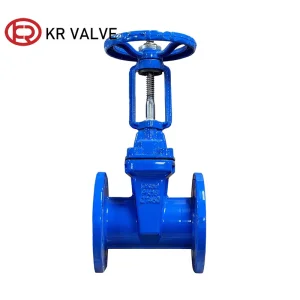
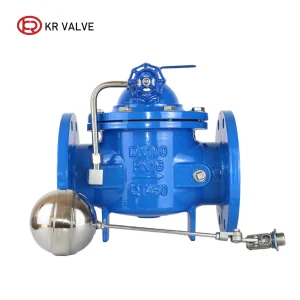
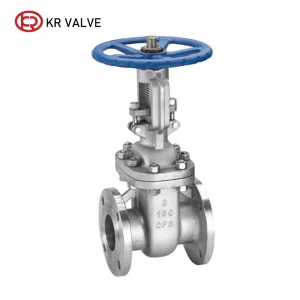
OEM Solution Architecture: BS5163 / DIN F5 Resilient Seated Gate Valves (GGG40 Ductile Iron body, fully vulcanized EPDM wedge, non-rising stem) coupled with 100X Diaphragm Remote Float Valves and 200X Pressure Reducing Valves. Internal and external minimum 250 µm fusion-bonded epoxy (FBE) coating guarantees zero corrosion under potable water guidelines (WRAS/NSF certified).
Chemical Processing & Corrosive Fluid Containment
Primary Challenges: Highly toxic, aggressive reagents (HCl, H2SO4, NaOH), high temperature fluid degradation, strict fugitive emissions requirements.
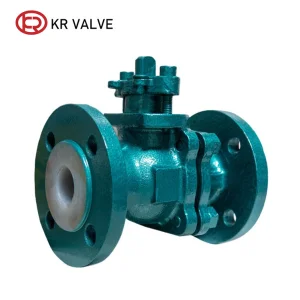
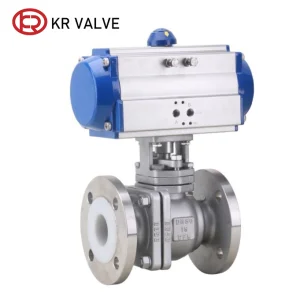
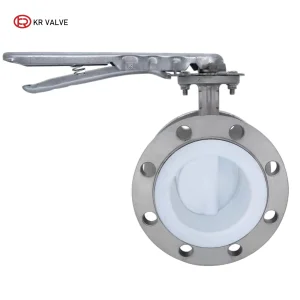
OEM Solution Architecture: Full PTFE/PFA Lined Ball Valves (Q941F46) and PTFE Lined Flanged Butterfly Valves featuring CF8/WCB armor bodies with virgin PFA transfer-molded liners. The fluoropolymer completely isolates the fluid path, preventing metallic corrosion and guaranteeing bubble-tight zero leakage during aggressive chemical processing cycles.
Wastewater Treatment & Sewerage Slurry Pumping
Primary Challenges: High solid content, fibrous materials, abrasive grit, frequent pump cycling, destructive backflow reverse flow shocks.
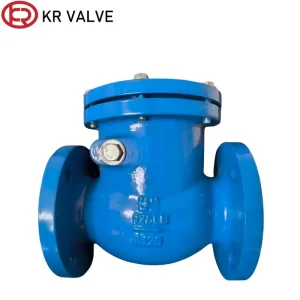
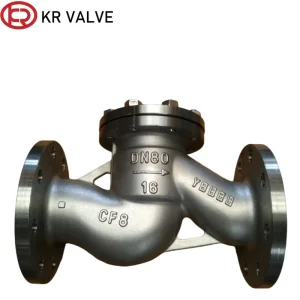
OEM Solution Architecture: GGG40 Brass/EPDM Seat Swing Check Valves, Ball Type Non-Return Check Valves, and Wafer Knife Gate Valves (PN16 rated). The full-port unobstructed flow path allows suspended solids to pass without clogging, while elastomeric seating surfaces maintain positive sealing even in the presence of particulate entrainment.
Commercial HVAC Hydronic Balancing & High-Rise Water Control
Primary Challenges: Space constraints, noise suppression, differential pressure fluctuations across multi-story zones, rapid response actuation.
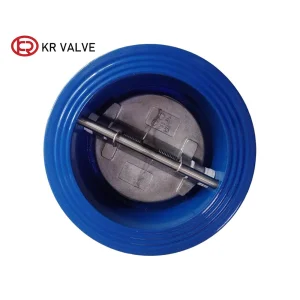
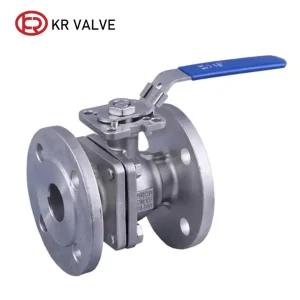
OEM Solution Architecture: Compact Wafer Dual Disc Check Valves (BS5153 Standard), Hydraulic Cylinder Quick-Closing Butterfly Valves, and SS316 2PCS Flanged Ball Valves. Wafer designs save up to 70% space and weight compared to conventional flanged swing check valves while spring-loaded dual discs eliminate water hammer slam noise.
4. Technical Valve Selection & Engineering Comparison Matrix
Selecting the optimal valve configuration requires balancing pressure ratings, seating material compatibility, fluid dynamics, and installation space. Below is an authoritative technical selection matrix compiled by senior fluid mechanics engineers.
| Valve Architecture Type | Body Metallurgy Options | Seating & Lining Options | Pressure Class Spectrum | Primary Operating Advantage | Ideal Application Duty |
|---|---|---|---|---|---|
| Resilient Seat Gate Valve | Ductile Iron GGG40 / GGG50 | EPDM / NBR Encapsulated Wedge | PN10 / PN16 / PN25 / Class 150 | Full Bore Zero Drag | Potable Water, Fire Protection, Municipal Mains |
| Wafer Dual Disc Check Valve | Cast Iron CI / Ductile Iron DI | EPDM / NBR / Brass / SS304 Seats | BS5153 / PN10 / PN16 | Anti-Slam Spring Closing | Pump Discharge Lines, HVAC Cooling Towers |
| Full PTFE Lined Ball Valve | WCB Cast Steel / Stainless CF8 | Melt Transfer Molded Virgin PFA/PTFE | PN10 / PN16 / ANSI Class 150 | 100% Chemical Immunity | Concentrated Acid/Base Pipelines, Fine Chemicals |
| 100X/200X Hydraulic Control Valve | Ductile Iron GGG40 Body | Reinforced NBR Diaphragm + Stainless Pilot | PN16 / PN25 | Self-Powered Regulation | Water Storage Level & District Pressure Regulation |
| Wafer Knife Gate Valve | Ductile Iron / Stainless Steel CF8M | EPDM Soft Seat / Metal-to-Metal Seat | PN10 / PN16 | Shearing Solid Media | Slurry, Paper Pulp, Sewage Treatment Systems |
| Double Eccentric Butterfly Valve | Ductile Iron GGG40 / WCB Steel | SS304 Welded Overlay + EPDM Ring | PN10 / PN16 / PN25 / PN40 | Low Torque & Extended Life | Large Diameter Water Trunk Lines, Hydro Power |
Specialized Heavy-Duty & Pneumatic OEM Valves
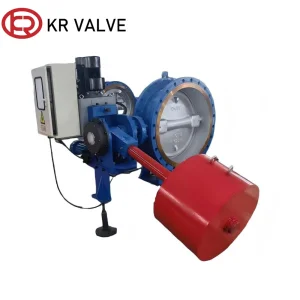
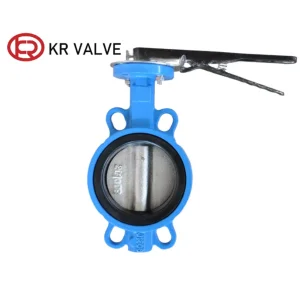
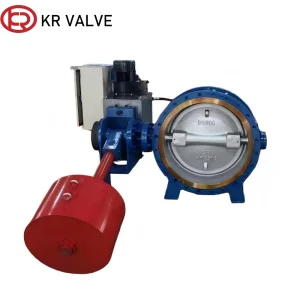
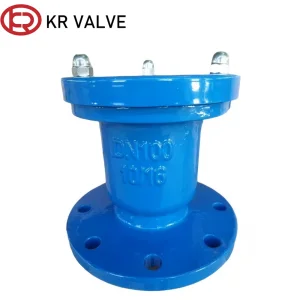
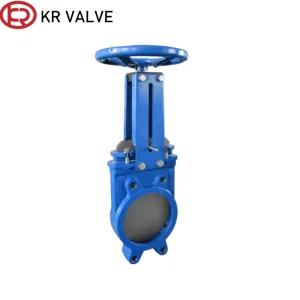
Explore high-performance pneumatic actuated assemblies, air exhaust safety relief valves, knife gate slurry valves, and double eccentric hydraulic control units engineered for demanding severe-service environments.
5. Quality Assurance Engineering: API 598 Testing & Metallurgical Validation
In accordance with Google's E-E-A-T (Experience, Expertise, Authoritativeness, and Trustworthiness) guidelines, an OEM valve manufacturer must demonstrate uncompromising technical integrity. Valve failure in high-pressure or corrosive systems poses catastrophic risks to life, property, and environmental safety. Therefore, a world-class manufacturing facility implements multi-stage Quality Assurance (QA) protocols from raw melt to final export packaging.
Hydrostatic Shell Testing (1.5x PN)
Every valve body is subjected to a hydrostatic pressure test equal to 150% of its rated nominal pressure (e.g., 24 bar test for PN16 rating) to verify wall thickness, casting homogeneity, and shell structural integrity without structural deformation.
Seat Sealing Integrity (1.1x PN & Air Test)
High-pressure hydrostatic seat tightness tests (110% of PN rating) and low-pressure pneumatic air tests (6 bar) verify zero leakage (Rate A under EN 12266-1) across resilient soft seats and metal-to-metal seating surfaces.
Non-Destructive Casting Analysis (NDT)
Critical pressure-containing castings undergo Radiographic Testing (RT), Ultrasonic Testing (UT), and Magnetic Particle Inspection (MPI) to detect internal micro-porosity, inclusions, or wall-thickness variations prior to CNC machining.
Furthermore, material traceability is guaranteed via Mill Test Certificates (MTC EN 10204 3.1) accompanying every batch shipment. Optical Emission Spectrometry (OES) verifies exact elemental concentrations of Nickel, Chromium, Molybdenum, and Carbon in stainless alloys, ensuring that CF8M (SS316) castings deliver genuine corrosion resistance in chloride-rich marine environments.
6. Technical FAQ & Engineering Procurement Guide
In-depth responses to critical engineering questions commonly raised by pipeline design consultants, procurement directors, and plant maintenance managers.