
Industrial Grade Flanged Valves & Pipeline Components
Direct factory supply featuring precision-engineered double flanged butterfly valves, PTFE lined concentric units, gate valves, and check assemblies engineered to ANSI, DIN, BS, and EN standards.
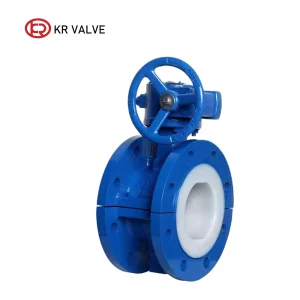
Wholesale China Suppliers Factory WCB Split Body Full PTFE Lined Concentric Butterfly Valve - D341F Series DN40-DN2000 Supplier, Factory
View Specs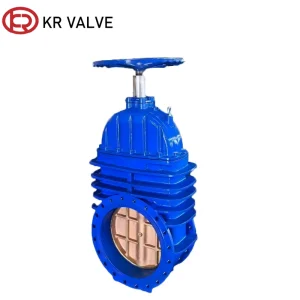
OEM Cast Iron Bronze Metal Hard Seal Gate Valve - China Suppliers & Factory for DN50-DN1000 Sizes Factories, Factory
View Specs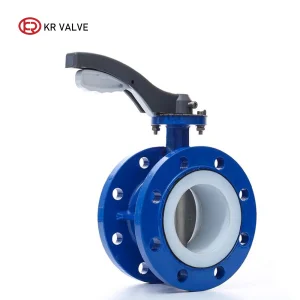
Custom Double flange butterfly valve PTFE seal Supplier, Factories
View Specs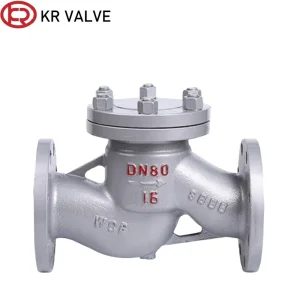
Wholesale WCB one way valve lift type 3 4 shut off valve Manufacturers, Manufacturer
View Specs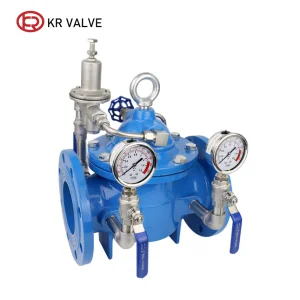
Custom China 200X Pressure Relief Valve Piloted Check Type - Suppliers & Factory for DN50-DN300 Sizes Supplier, Factories
View Specs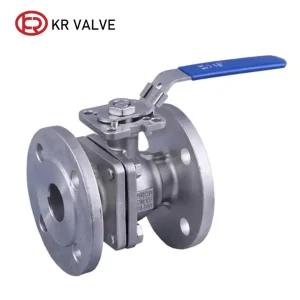
OEM China Suppliers SS316 CF8M Flange Type Ball Valve - 2PCS Handle Operation, Pressure Rating PN16/PN25 Factory Manufacturer, Factories
View Specs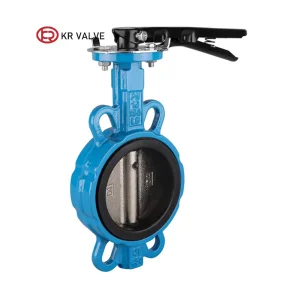
OEM China Suppliers Factory Wafer Butterfly Valve DN100 - Concentric Resilient Seated, PN6/PN10/PN16, OEM&ODM Suppliers, Manufacturers
View Specs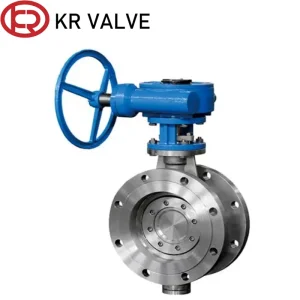
Wholesale Triple Eccentric Metal Seat Butterfly Valve - China Suppliers and Factory for High-Pressure Applications Suppliers, Factories
View SpecsEngineering Architecture of Double Flange Butterfly Valves
In modern fluid handling and industrial process control, the double flange butterfly valve represents one of the most mechanically robust and versatile flow control mechanisms available to pipeline engineers. Unlike wafer or lug style valves that depend heavily on adjacent piping flanges for structural compression and alignment, double flanged butterfly valves feature integral, dedicated flanges at both ends of the body. This structural layout conforms strictly to international face-to-face standards such as API 609 (Table 2), EN 593, ISO 5752 Series 13/14, and AWWA C504.
From a biomechanical and metallurgical perspective, double flange butterfly valves provide superior resistance against pipe deflection, thermal expansion stresses, and bending moments induced by soil shifting in buried municipal mains or hydrodynamic turbulence in high-velocity pump stations. When sourcing from direct-factory manufacturing ecosystems in China, engineering buyers obtain unprecedented precision via automated CNC machining, advanced resin sand molding, and rigorous QA verification processes.
Core Engineering Insight: Double flange butterfly valves eliminate the risk of flange gasket blowouts common in high-tonnage wafer clamping systems. By providing individual bolt circles on each side, these valves allow for isolated downstream line dismantling under full upstream working pressure—making them indispensable for critical isolation points in water distribution networks, power generation cooling circuits, and industrial chemical processing plants.
Kinematics & Sealing Configurations: Concentric, Double Offset, and Triple Offset
To optimize flow dynamics and torque requirements for diverse industrial media, double flange butterfly valves manufactured in Chinese OEM factories are categorized into three distinct mechanical kinematic designs:
- Concentric (Zero Offset) Design: The stem axis aligns precisely with the center of the disc and body bore. Typically paired with resilient elastomeric seats (EPDM, NBR, Viton) or full PTFE/RPTFE linings. This configuration delivers bi-directional bubble-tight shutoff (ISO 5208 Rate A) for raw water, treated wastewater, and corrosive chemical solutions.
- Double Offset (High Performance) Design: The shaft is displaced both behind the seat centerline and to one side of the pipe centerline. This dual eccentricity causes the disc to unseat smoothly during opening, drastically reducing friction between the seat and disc edge. It prolongs seat service life and minimizes operating torque in HVAC, district heating, and clean industrial process lines.
- Triple Eccentric (Metal-to-Metal Hard Seal) Design: Incorporates a third offset—an inclined conical seating axis. This geometry eliminates rubbing action entirely throughout the 90-degree rotation, contacting the seat only at the final point of closure. Utilizing stainless steel laminated seals with graphite or solid Stellite-hardfaced seating rings, triple offset flanged butterfly valves perform flawlessly in high-pressure (Class 150/300/600), high-temperature steam, crude oil, and cryogenic LNG applications.
Why Source Double Flange Valves from China Factories?
Exploring the structural advantages, raw material metallurgy, modern casting technologies, and supply chain efficiencies that position Chinese valve manufacturers as preferred partners for global EPC firms.
Advanced Metallurgical Integrity
Leading Chinese foundries utilize electric induction melting combined with spectrographic chemical analysis to verify grain structure. Materials range from Ductile Iron GGG40/GGG50 (EN-GJS-400-15/500-7) to Cast Carbon Steel (WCB), Stainless Steels (CF8, CF8M, CF3M), and Super Duplex Stainless Steels (2205, 2507) ensuring zero blowholes or porosity.
Precision CNC Machining & Vulcanization
Double flange body machining is executed on multi-axis CNC horizontal machining centers, guaranteeing exact face-to-face dimensions, flange parallelism, and concentric shaft bore tolerances. In-house rubber vulcanization technology guarantees permanent seat bonding with tear strength exceeding international AWWA benchmarks.
100% Pressure & NDT Testing Protocols
Every wholesale valve undergoes rigorous hydrostatic shell testing at 1.5x design pressure and high-pressure seat leakage testing per API 598 or ISO 5208. Non-Destructive Testing (NDT)—including Radiographic (RT), Ultrasonic (UT), Magnetic Particle (MT), and Dye Penetrant (PT)—is fully supported with EN 10204 3.1 material test certificates.
Scalable OEM/ODM Customization
From custom extended stems for underground burial to special protective coatings (Fusion Bonded Epoxy - FBE min 250 microns, RAL 5005/5015), custom drilling patterns (ANSI Class 150/300, EN1092-1 PN10/PN16/PN25, JIS 10K/16K), and specialized actuation packages, Chinese factories deliver tailored solutions for major international brands.
Complete Industrial Ecosystem & Port Access
Concentrated industrial hubs in Tianjin, Wenzhou, and Jiangsu provide seamless access to raw materials, precision component forging, gear operator factories, and electric/pneumatic actuator suppliers. Proximity to international sea ports ensures rapid container consolidation and shortened export lead times.
Total Cost of Ownership (TCO) Efficiency
By combining high-volume automated manufacturing with rigorous internal quality control systems, Chinese suppliers offer world-class valve solutions at competitive wholesale pricing, delivering an exceptional balance of low capital expenditure (CAPEX) and minimal operational maintenance (OPEX).
Macro-Industry Solutions & Localized Use Cases
Engineered for extreme reliability across critical civil infrastructure, heavy energy processing, municipal utilities, and marine engineering systems globally.
1. Municipal Potable Water & Wastewater Treatment
Double flange resilient seated butterfly valves (EPDM seat, stainless disc) serve as main transmission line valves and pump isolation barriers. WRAS, DVGW, and NSF-61 compliant coatings prevent drinking water contamination while resisting tuberculation and tuberculosis-induced flow resistance.
2. Desalination Plants & Seawater Handling
Seawater reverse osmosis (SWRO) systems demand severe corrosion resistance. Double flange valves featuring Nickel Aluminum Bronze (NAB - C95800) bodies, Super Duplex 2507 discs, or full PTFE/rubber vulcanized linings withstand aggressive chloride ion pitting and high velocity erosion.
3. Chemical & Petrochemical Processing
Split-body full PTFE/PFA lined double flanged concentric butterfly valves (D341F series) provide complete medium isolation from metallic valve bodies. They effectively handle strong acids (sulfuric, hydrochloric, hydrofluoric), alkalis, and aggressive organic solvents without leakage.
4. Power Generation & Thermal Utility Circuits
In steam power plants, combined cycle gas turbine (CCGT) stations, and district cooling grids, double eccentric and triple eccentric flanged valves handle main condenser cooling water circulation, turbine isolation, and high-pressure steam extraction lines.
5. Marine & Offshore Shipbuilding (BWMS)
Integrated into Ballast Water Management Systems (BWMS) and shipboard piping networks, double flanged butterfly valves certified by classification societies (ABS, DNV, BV, LR) fit tight machinery spaces while offering robust sea-chest isolation performance.
6. Oil & Gas Midstream Pipelines
Triple eccentric metal-seated flanged valves featuring API 607 / ISO 10497 Fire-Safe certification operate reliably in tank farms, crude oil metering stations, and fuel terminal distribution headers requiring zero-leakage shutoff.
Engineering Selection & Dimensional Comparison
Match application parameters against structural design types, sealing materials, and international valve manufacturing standards.
| Feature / Parameter | Concentric Flanged (Resilient/PTFE) | Double Offset High-Performance | Triple Offset Metal-Seated |
|---|---|---|---|
| Nominal Size Range | DN40 – DN3000 (1.5" – 120") | DN50 – DN1400 (2" – 56") | DN80 – DN2000 (3" – 80") |
| Pressure Rating | PN6, PN10, PN16, ANSI Class 125/150 | PN10, PN16, PN25, ANSI Class 150/300 | PN10 – PN100, ANSI Class 150/300/600 |
| Temperature Limits | -20°C to +180°C (depending on seat material) | -40°C to +260°C | -196°C (Cryogenic) up to +600°C |
| Sealing Material | EPDM, NBR, Viton, Virgin/RPTFE | RPTFE, Stainless Steel 316, Inconel | Laminated SS316/Graphite, Solid Stellite |
| Leakage Rate Standard | ISO 5208 Rate A (Bubble Tight) | ISO 5208 Rate A / ANSI FCI 70-2 Class VI | ISO 5208 Rate A / API 598 (Zero Leakage) |
| Face-to-Face Compliance | ISO 5752 Series 13/14, EN 558 Series 13/14 | API 609 Table 2, ISO 5752 Series 14 | API 609 Table 2, EN 558 Series 13/14/15 |
| Primary Applications | Water supply, sewage, chemical lines | HVAC, hot water, light hydrocarbon | High-pressure steam, oil & gas, refinery |
Enterprise Vendor Qualification & Compliance Framework
Key quality assurance factors for B2B purchasing directors, EPC procurement specialists, and global importers conducting supplier audits in China.
When procuring wholesale double flange butterfly valves in large quantities, establishing a robust quality assurance and supplier audit protocol is paramount. Overseas procurement engineers should evaluate Chinese manufacturing factories against four core benchmarks:
1. Management Systems & Product Certifications
Ensure the manufacturing facility holds audited ISO 9001:2015 Quality Management Systems, ISO 14001 Environmental Management, and ISO 45001 Occupational Health certifications. For pressurized pipeline projects in Europe or North America, products must comply with the Pressure Equipment Directive (PED 2014/68/EU CE Marking), API Spec 6D / API 609 monogram licenses, and drinking water approvals such as WRAS (UK), DVGW (Germany), or ACS (France).
2. Raw Material Traceability (EN 10204 3.1)
A reputable factory must provide certified EN 10204 3.1 Material Test Reports (MTRs) for all pressure-retaining castings (body, bonnet, disc) and critical drive components (stems, keys). Positive Material Identification (PMI) testing via X-ray fluorescence (XRF) analyzers should be mandated prior to machining to prevent alloy grade mix-ups.
3. Actuation Mounting Standardization (ISO 5211)
To support automation, modern double flanged butterfly valves should feature an integral ISO 5211 top flange with a standardized square or keyway stem connection. This allows direct, bracket-less mounting of pneumatic actuators, electric motor operators (EMO), hydraulic positioners, or manual worm gear units without requiring field alignment modifications.
4. Packaging, Surface Protection & Logistics
Export-ready valves require internal blast cleaning to SA 2.5 standard followed by electrostatic application of epoxy resin coatings. End flanges must be fitted with heavy-duty plastic protective covers. Finished valves should be packed in heat-treated, ISPM-15 compliant wooden cases reinforced with internal bracing to prevent damage during long-distance ocean transit.
Frequently Asked Questions (FAQ)
In-depth answers to critical technical, operational, and procurement queries regarding double flange butterfly valves.
What is the key difference between Double Flange, Wafer, and Lug style butterfly valves?
Which face-to-face dimensions apply to Double Flange Butterfly Valves?
When should I specify a PTFE lined double flange butterfly valve versus an EPDM resilient seated valve?
What testing procedures ensure zero leakage in high-pressure triple offset double flange valves?
Can Chinese valve factories supply direct flange drilling according to multiple global standards?
How is actuator sizing (torque calculation) determined for double flange butterfly valves?
Extended Flow Control & Piping Solutions
Explore our full OEM/ODM product portfolio including resilient seated gate valves, triple eccentric high pressure butterfly valves, non-return check valves, and ball valve assemblies.
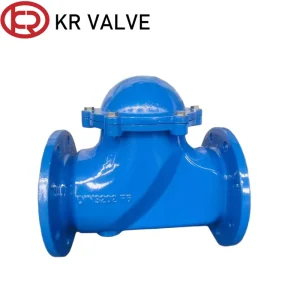
OEM Ball type one way valve with soft seal ball PN16 Factories, Factory
View Specs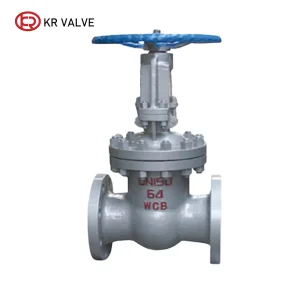
OEM WCB Hard Seat Gate Valve PN64 - Metal to Metal, China Suppliers, Factory Direct, DN50-DN1000 Manufacturers, Factory
View Specs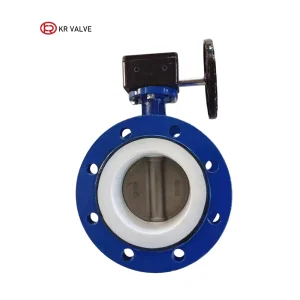
Custom RPTFE seal concentric flange butterfly valve gear box operation Factories, Factory
View Specs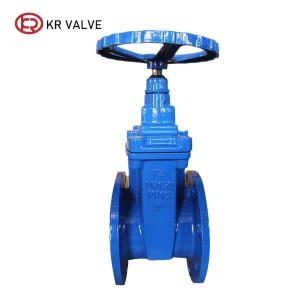
OEM China DIN F4 Standard Gate Valve Suppliers - Resilient Seated Handwheel Operation Factory Manufacturer, Factories
View Specs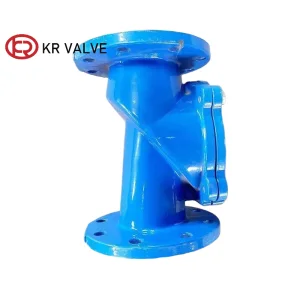
Custom China Suppliers Factory Flange Rubber Disc Soft Seal Swing Check Valve H44X-10/16 for DN40-DN300 Sizes Manufacturers, Manufacturer
View Specs
OEM Renewable metal seat butterfly valve triple eccentric structure Supplier, Factories
View Specs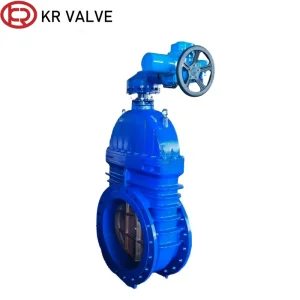
OEM Electric operation brass metal seat GGG40 gate valve Suppliers, Factory
View Specs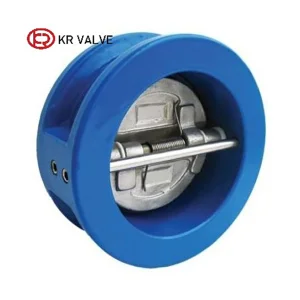
OEM One Way Valve Ductile/ Cast Iron Body CF8 Disc Factories, Factory
View SpecsRequest a Direct Factory Quotation & Technical CAD Package
Partner directly with China's leading double flange butterfly valve manufacturer. Get full technical drawings, 3D CAD models, EN 10204 3.1 material certificates, and wholesale factory pricing for your upcoming pipeline projects.