High-Performance Air Release & Flow Control Valves
Explore our factory-direct wholesale offerings engineered to international DIN, BS, and AWWA standards.
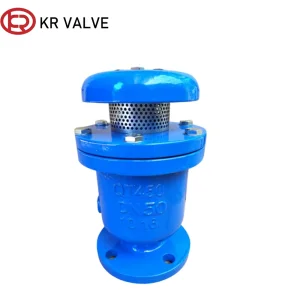
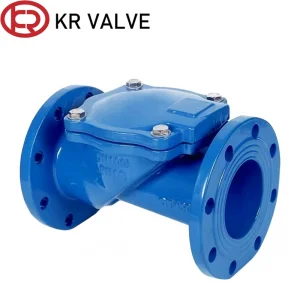
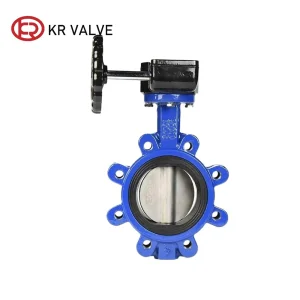
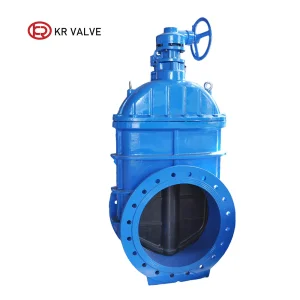
Executive Whitepaper: Physics & Mechanics of Double Acting Air Valves
Entrained air within pressurized liquid pipelines poses one of the most destructive operational threats to municipal water mains, agricultural irrigation grids, and industrial process piping.
Energy Consumption & Flow Restriction
Air pockets collect at high elevation points along pipelines, effectively reducing the active cross-sectional hydraulic area. This constriction causes severe head loss, forces pumps to operate against higher dynamic head, and drastically elevates energy costs.
Surge & Transient Water Hammer
Rapid movement of unvented air pockets leads to sudden velocity changes. Compression and rapid expansion of trapped air generate destructive pressure surges (water hammer), risking catastrophic pipe bursts and joint blowouts.
Sub-Atmospheric Vacuum Collapse
During rapid line draining, pump power failures, or main breaks, fluid column separation occurs. Without immediate, large-volume air admission, sub-atmospheric vacuum conditions cause thin-walled pipes to collapse inwards.
The Dual-Orifice Advantage: Kinetic Venting vs. Automatic Air Release
A true Double Acting Air Valve (frequently designated as a kinetic or combination air release valve) incorporates two independent orifice mechanisms within a single body assembly. The Large Orifice (Kinetic Function) handles massive air volume displacement during initial pipeline charging and rapid vacuum breaking during emergency drainage. The Small Orifice (Automatic Function) continuously releases tiny pockets of dissolved air that naturally outgas from pressurized water under normal working conditions.
Global Market Dynamics & Purchasing Requirements
Analyzing global demand trajectories, compliance specifications, and regional adoption for double acting air valves.
Global Infrastructure Drivers
Rapid urbanization in Latin America and Southeast Asia, combined with aging water grid rehabilitation in North America and Europe, has accelerated global demand for industrial-grade double acting air valves. Municipal engineering firms are prioritizing energy-efficient hydraulic systems to minimize pump operational expenditures (OPEX).
Furthermore, climate-induced drought challenges have spurred unprecedented investments in seawater desalination plants, long-distance water transfer conduits, and smart agricultural micro-irrigation networks, where air management valves are critical single-points-of-failure control elements.
Global Buyer Technical Criteria
International B2B buyers—including EPC contractors, municipal procurement officers, and valve distributors—demand rigorous verification before placing wholesale factory orders:
- Standard Compliance: Strict adherence to AWWA C512, EN 1074-4, and ISO 5208 performance guidelines.
- Material Traceability: 3.1 Material Test Certificates (EN 10204) for Ductile Iron (GGG40/50), Stainless Steel internal floats, and WRAS/NSF61 approved EPDM seals.
- Anti-Surge Mechanisms: Integrated non-slam spring components to prevent water hammer during fast air venting.
- Surface Coating Integrity: Electrostatic non-toxic Fusion Bonded Epoxy (FBE) coating with minimum 250μm thickness for corrosion prevention.
China Factory Efficiency & Supply Chain Dominance
Why Tier-1 Chinese valve manufacturers provide unprecedented value, precision engineering, and global logistics efficiency.
Integrated Foundry & CNC Hubs
Concentrated in industrial epicenters like Tianjin, Chinese valve manufacturing ecosystems leverage vertically integrated supply chains. From raw resin sand casting foundries to multi-axis CNC machining centers, every component is manufactured within tight geographic radii, drastically reducing production lead times.
Advanced Automation & Testing
Modern Chinese valve factories employ robotic shell molding, automatic FBE powder coating lines, and computerized hydro-test rigs. 100% of manufactured double acting air valves undergo strict shell strength tests (1.5x PN) and seat tightness tests (1.1x PN) to guarantee zero leakage.
Economies of Scale & Custom OEM
By leveraging high-volume production lines and optimized raw material sourcing, Chinese factories deliver premium grade valves at highly competitive wholesale price points. Flexible OEM capabilities allow global buyers to request custom flange drilling (ANSI, DIN, BS), customized paint colors, and private-label branding.
Localized Application Scenarios & Technical Specifications Matrix
Selecting the optimal air valve configuration based on media characteristics, pressure levels, and environmental conditions.
| Application Scenario | Primary Valve Function | Recommended Body Material | Float & Internal Trim Specs | Working Pressure Class |
|---|---|---|---|---|
| Municipal Potable Water Mains | Prevent pipe collapse, air intake/exhaust | Ductile Iron (GGG50 / ASTM A536) | SS304 Float + EPDM Soft Seat | PN10 / PN16 / ANSI 150 |
| Agricultural Drip & Sprinkler Grids | Prevent siphonage, vacuum breaking | Reinforced Composite Nylon / DI | Polypropylene / SS304 Float | PN6 / PN10 |
| Seawater Desalination Plants | Corrosion resistance, degassing | Duplex SS (2205) / Super Duplex | SS316L / Titanium Trim | PN16 / PN25 / ANSI 300 |
| Industrial Raw Sewage & Wastewater | Solid waste clearance, gaseous release | Ductile Iron with Slanted Bottom | 316 Stainless Steel Liquid Barrier | PN10 / PN16 |
| High-Rise Building HVAC Systems | Continuous air removal from chilled water | Cast Iron (GG25) / Brass / CF8 | SS304 Float + NBR Rubber Seal | PN16 / PN25 |
Next-Generation Innovations in Air Valve Engineering
How digital telemetry, anti-slam mechanisms, and novel material science are transforming fluid network safety.
Integrated Anti-Slam / Anti-Surge Technology
Traditional kinetic air release valves can slam shut violently when rising water suddenly forces the float upward against the seat, triggering localized pressure spikes. Modern high-tier manufacturers integrate an auxiliary spring-loaded anti-slam disc inside the valve chamber. This disc restricts high-velocity air exhaust just prior to water reaching the orifice, decelerating the water column smoothly and mitigating transient water hammer by up to 90%.
IoT Smart Telemetry & Condition Monitoring
With the rise of Smart Water Cities, air valves are evolving from passive mechanical units into active IoT edge nodes. Integrated acoustic sensors, differential pressure transducers, and wireless transmitter modules (LoRaWAN / NB-IoT) allow engineers to monitor internal air discharge rates, detect localized air pocket accumulations, and receive instant alerts regarding seat leakage or valve tampering in real time.
Frequently Asked Technical Questions (FAQ)
Comprehensive answers from our Senior Valve Engineers regarding selection, installation, and maintenance.
A Single Acting Air Valve performs only one primary function—either venting small amounts of continuous air under pressure (Automatic Air Vent) or releasing large volumes of air during initial pipe filling. In contrast, a Double Acting Air Valve features dual orifices to handle both large-capacity air intake/exhaust during filling/draining operations AND continuous automatic micro-air release while the system operates under pressure.
Air valve sizing is dictated by two critical hydraulic parameters: the maximum pipeline filling rate (for air exhaust) and the maximum gravity draining rate or pipe rupture discharge velocity (for vacuum intake). As a rule of thumb, the nominal diameter (DN) of the air valve orifice is typically 1/8th to 1/10th of the main pipe diameter. Precise sizing requires evaluating sonic velocity limits across the orifice to prevent choked flow conditions.
Air valves must be installed at key critical locations: 1) High peaks and apex points along line profiles; 2) Increased downward slopes or decreased upward slopes; 3) Long horizontal pipeline stretches (every 500m - 1000m); 4) Immediately downstream of pump discharge check valves; and 5) Adjacent to sectionalizing isolation gate or butterfly valves.
Routine maintenance should be conducted annually. Isolate the valve using an under-mounted isolating ball/gate valve, depressurize the chamber, and remove the top cover. Flush internal debris, silt, and mineral scale from the float guide and chamber bottom. Inspect the EPDM/NBR rubber seat for abrasion or permanent deformation, and verify that the stainless steel float moves freely without friction.
Fusion Bonded Epoxy coating provides a non-porous, corrosion-impermeable barrier against aggressive soil chemicals, humidity, and atmospheric oxygen. Additionally, certified non-toxic FBE coatings prevent heavy metal leaching into potable water supplies, meeting global drinking water safety requirements (WRAS, NSF/ANSI 61, DVGW).
Related Industrial Flow Control Solutions
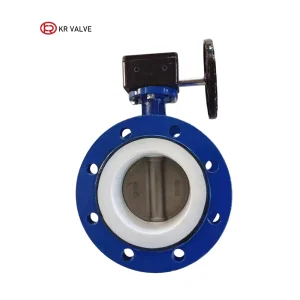
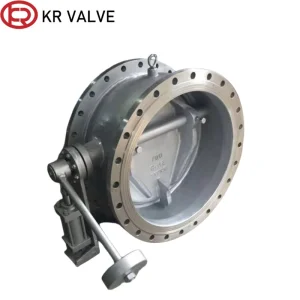
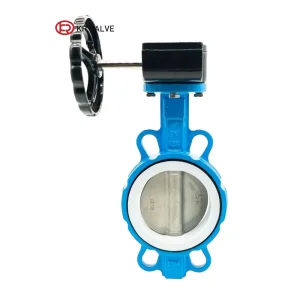
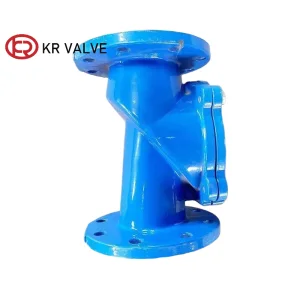
Discover our complementary line of butterfly, gate, check, and specialty strainers for wholesale procurement.