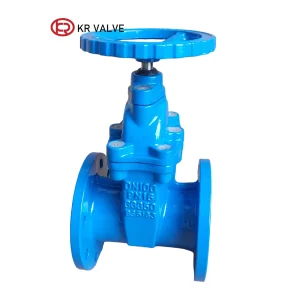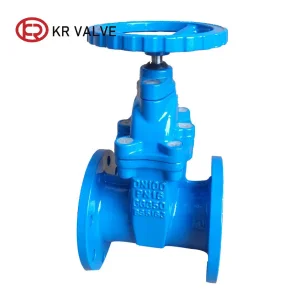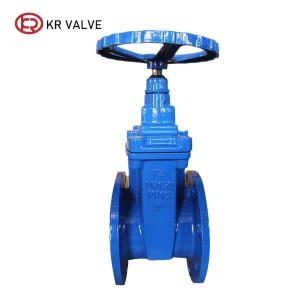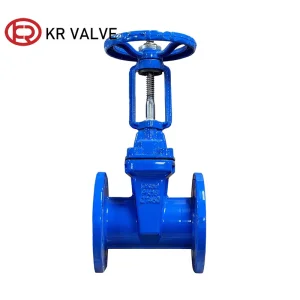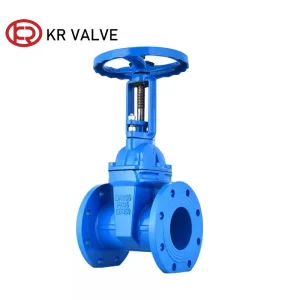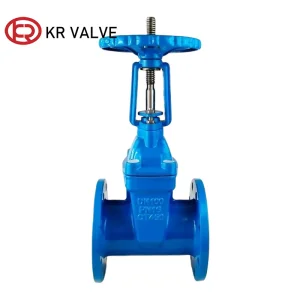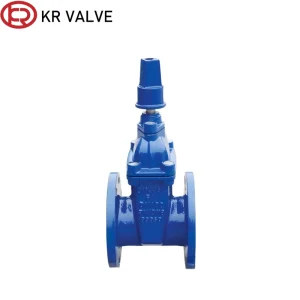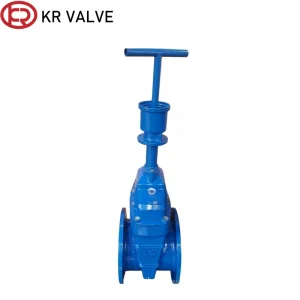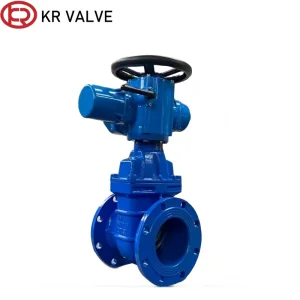
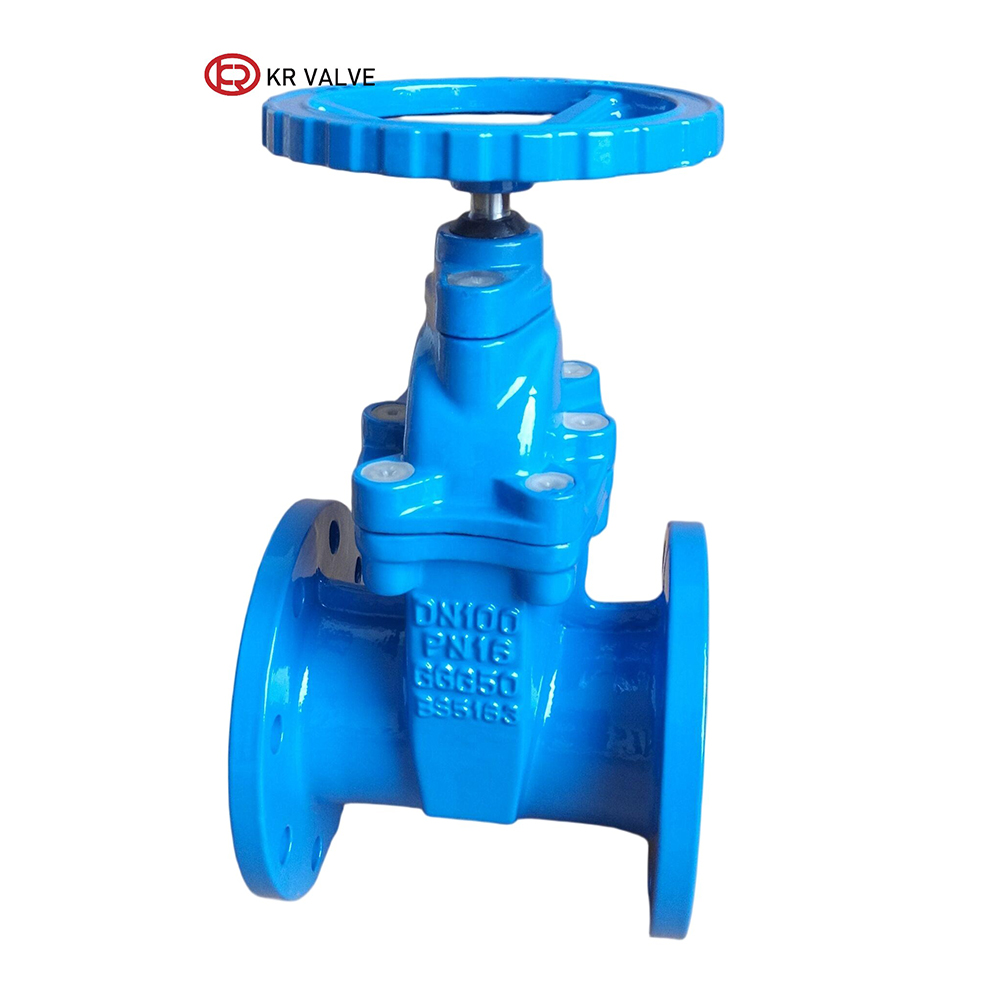
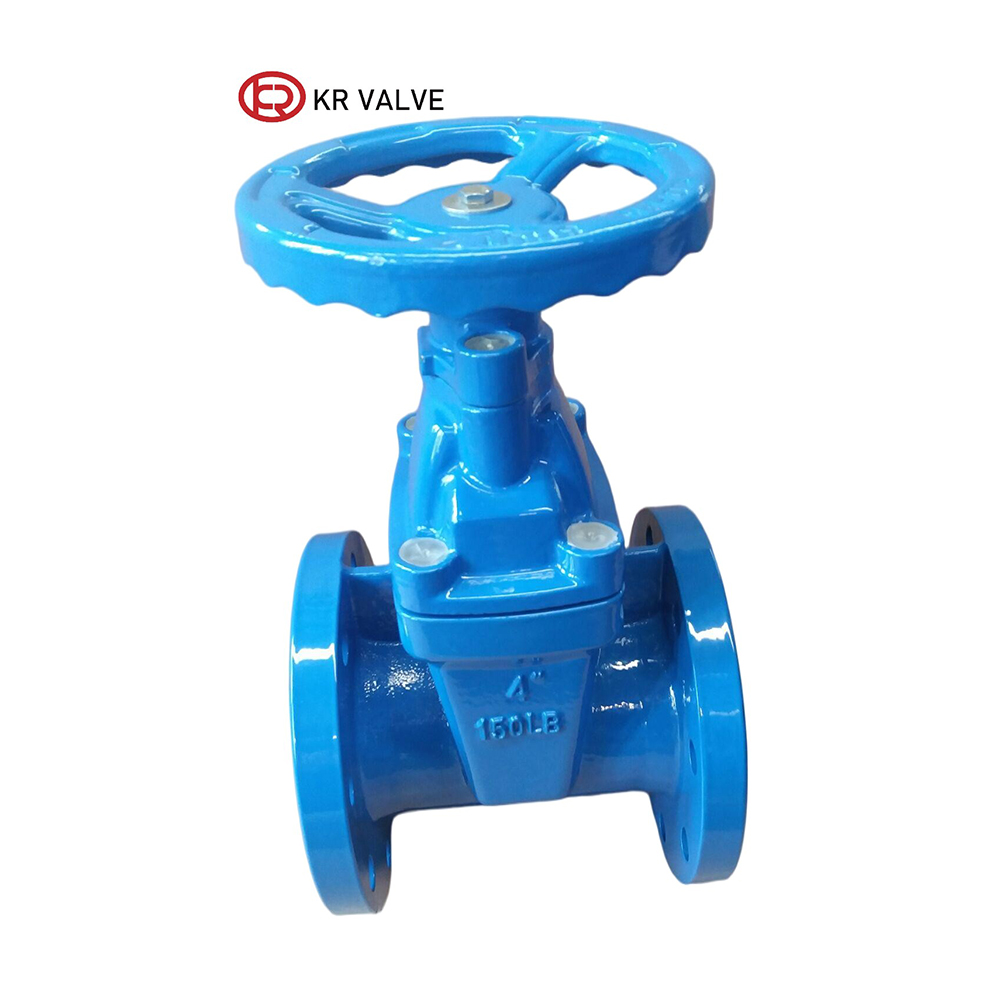
Custom Resilient Seat Gate Valve BS5163 Standard 4 Inch Suppliers, Factories
Product Description
Product Specifications
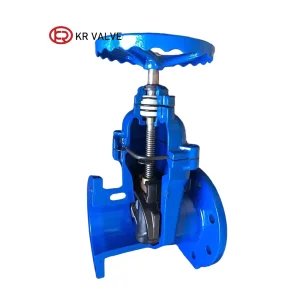
| Valve Type: | Resilient seat gate valve | Structure: | Non-rising type |
| Standard: | BS5163 | Workmanship: | Investment casting |
| Sealing direction: | Bidirectional | Sealing grade: | Zero leakage |
| Temperature: | -20°C < T < 120°C | Operation: | Handwheel |
Characteristics
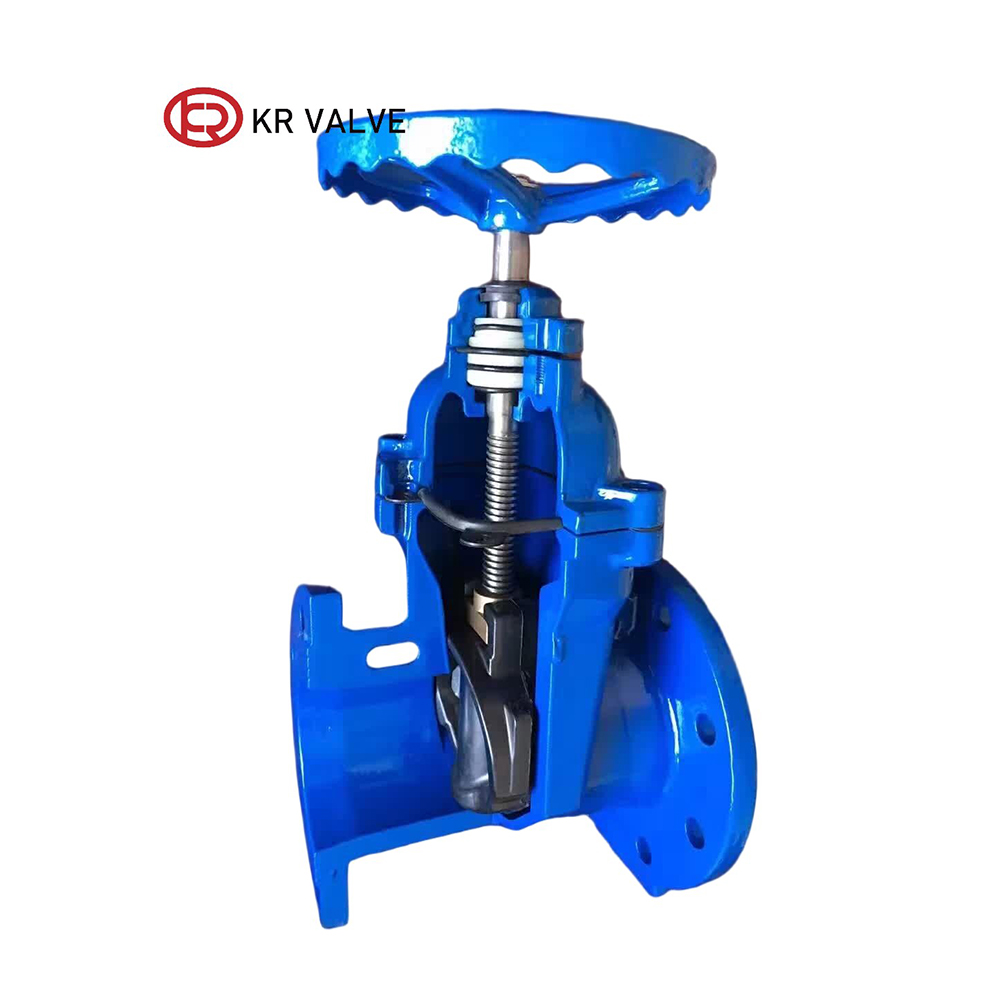
The resilient seat gate plate usually adopts the overall encapsulation process, and the sealing surface of the rubber material can compensate for small errors in the sealing surface through elastic deformation, achieving zero leakage. At the same time, the valve stem seal adopts an "O" - shaped sealing ring, usually with three layers, which can effectively prevent medium leakage.
Advantages
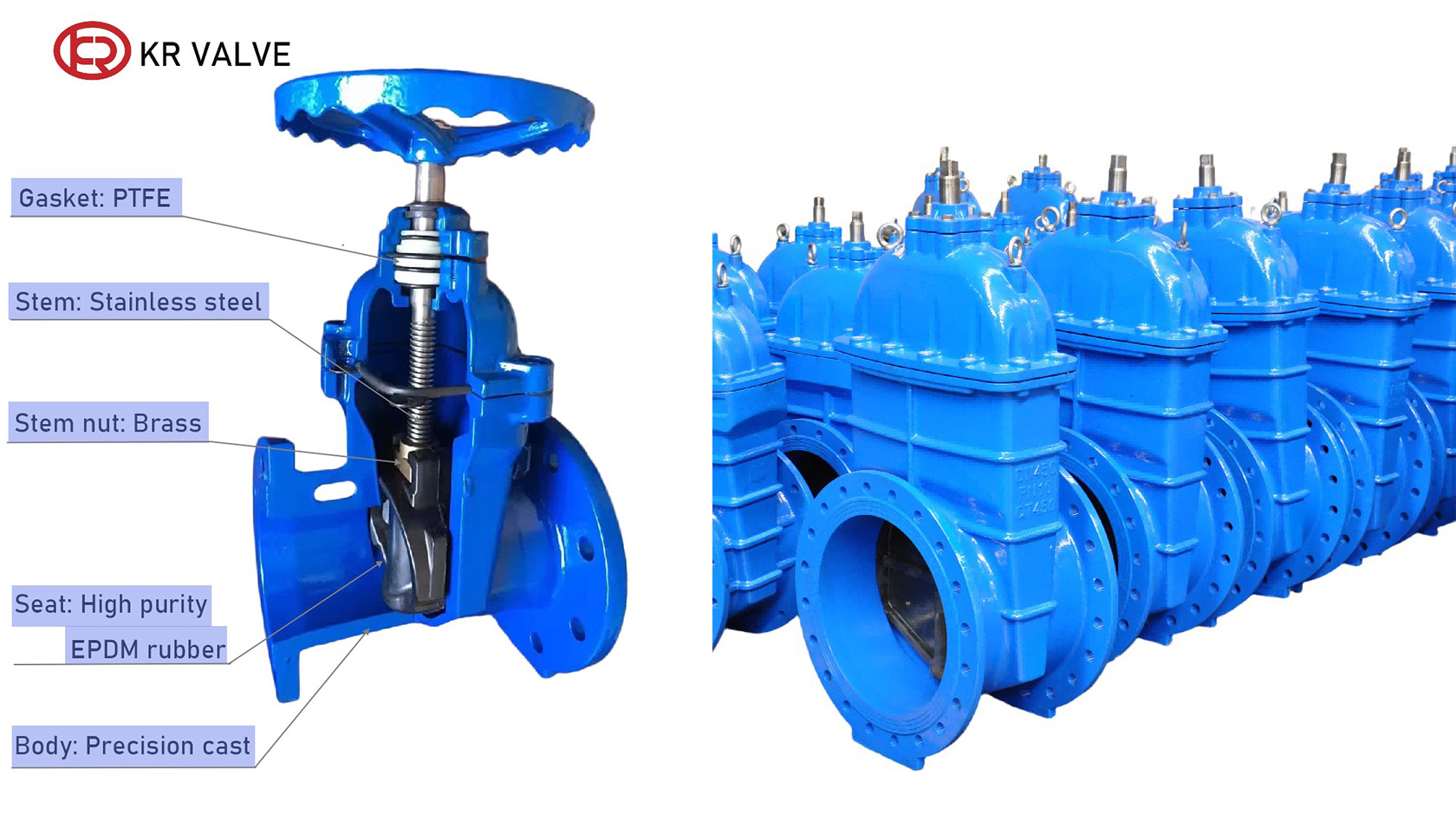
The inner and outer surfaces of the valve body and valve cover are generally treated with epoxy resin powder electrostatic spraying, and the gate is covered with rubber to prevent rusting of the valve body and corrosion of the medium. The connecting bolts are also mostly made of hexagonal bolts with top sealing, further enhancing the anti-corrosion ability.
The overall valve cover is designed with a concealed stem, and the valve stem nut and gate are two body structures. The valve stem moves inside the valve body, occupying small space and suitable for installation sites with limited space.
The "O" - shaped sealing ring design between the valve stem and the valve cover reduces frictional resistance during opening and closing, making valve operation more agile and flexible. The sealing ring can be replaced without stopping the flow of medium in the pipeline.
The epoxy resin meets hygiene standards, and the gate is covered with rubber that meets hygiene inspection. The valve stem, valve stem nut, and other parts are made of stainless steel or bronze materials that are not corroded by water and can be used in drinking water systems.
Material Specifications
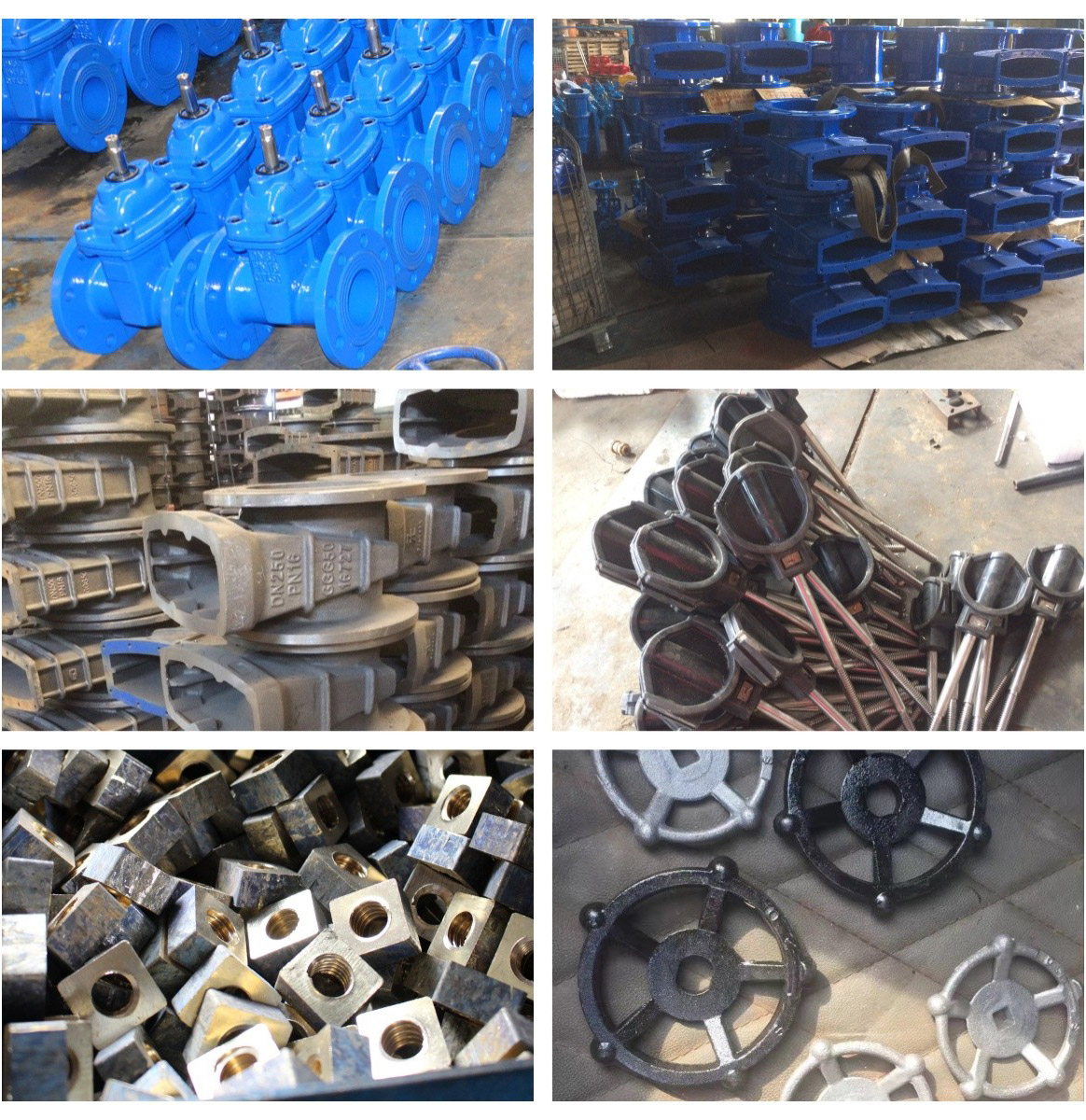
| Body | Plate | Stem | Stem Nut | Seat | |
|---|---|---|---|---|---|
| Material Name | Electroplated Nodular Cast Iron | Material Name | Material Name | Material Name | Operating Temp (℃) |
| HT200/HT250 Cast iron |
Ductile Iron | 20CR13 | Brass | EPDM Rubber | -20 ~ 120 (short-term up to 150) |
| GGG40/GGG50 Ductile iron |
Ductile Iron | SS304 | SS304 | NBR Rubber | -30 ~ 100 |
| WCB Carbon steel |
WCB | SS304/SS316 | SS304/SS316 | FKM/VITON Rubber | -20 ~ 200 |
| CF8/SS304 Stainless Steel |
CF8 | - | - | PTFE Rubber | -200 ~ 260 |
| CF8M Stainless Steel |
CF8M | - | - | Brass | -30 ~ 350 |
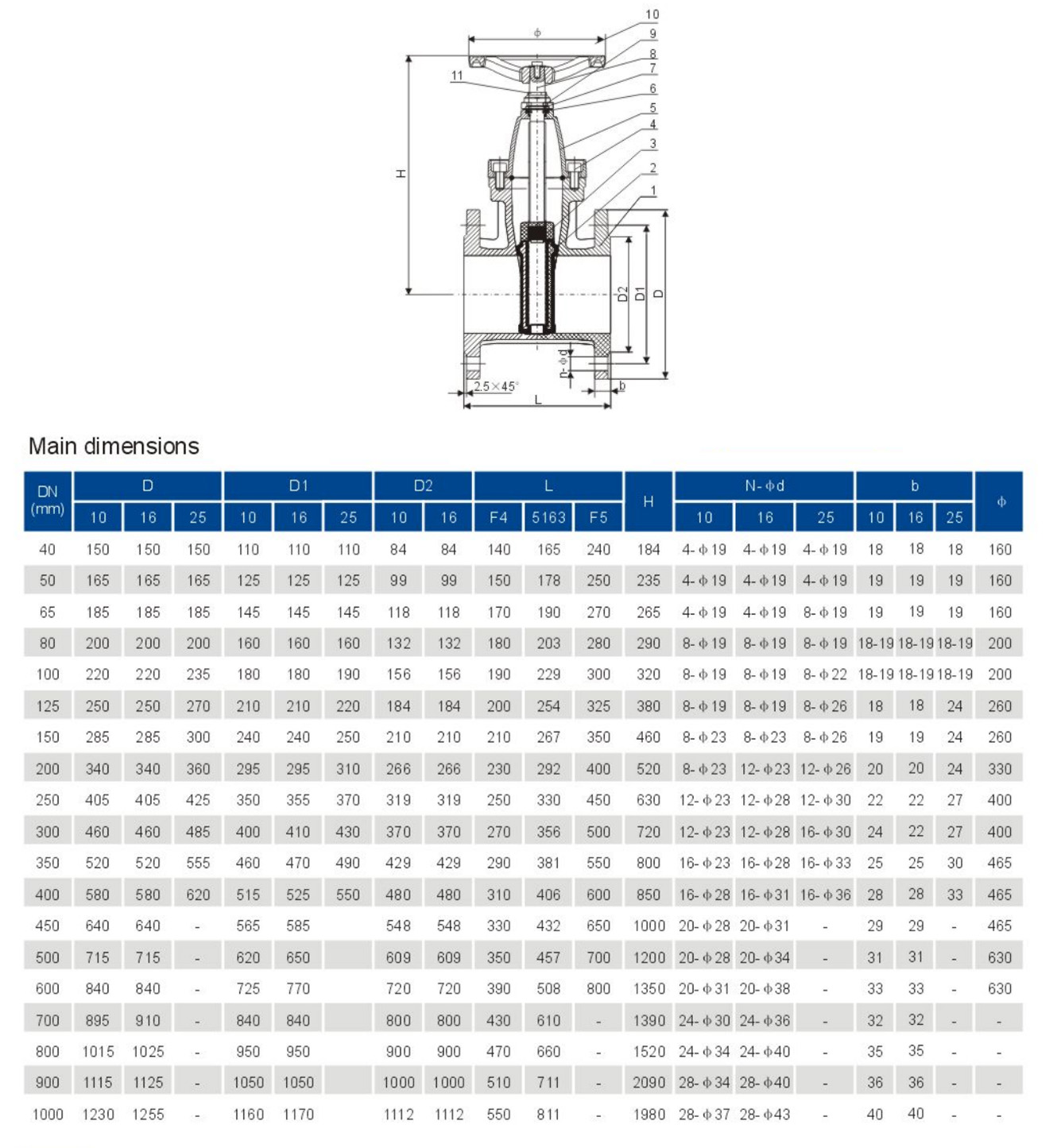
Dimensions
Packaging
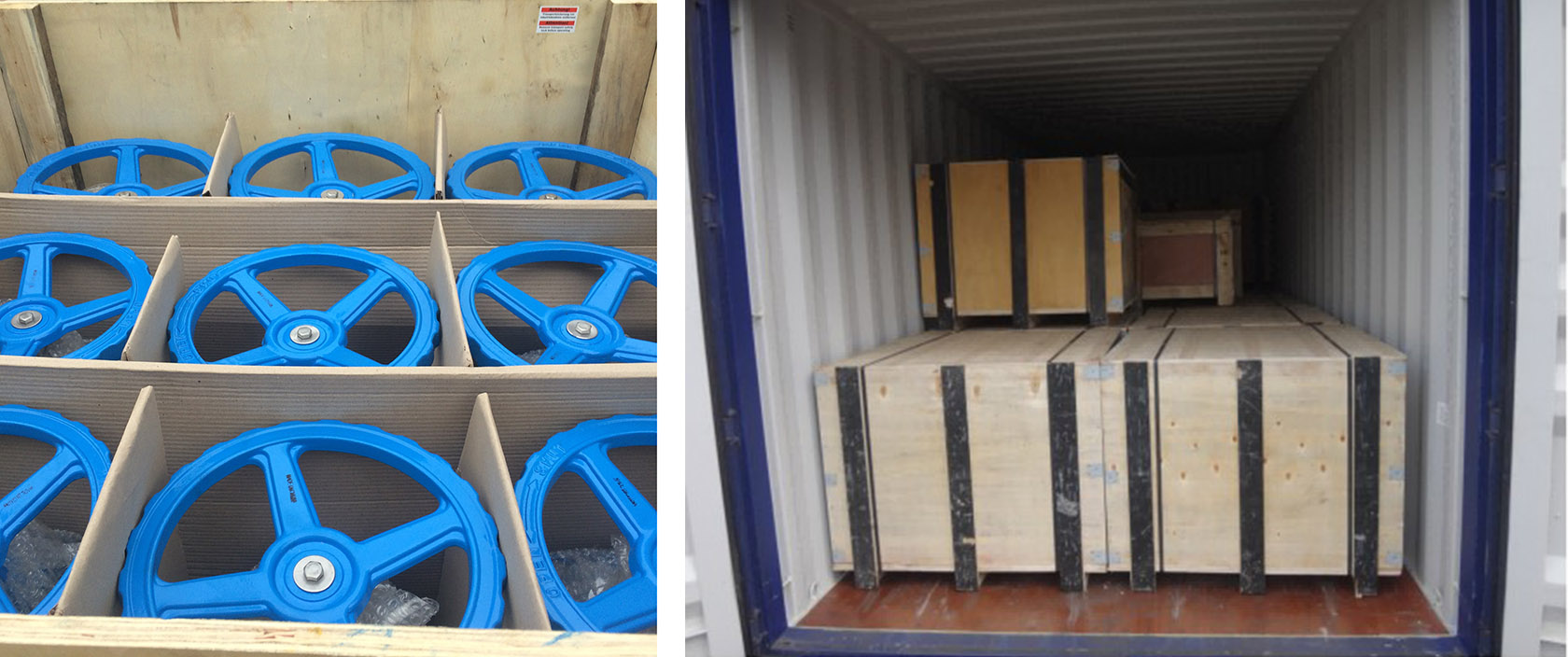
Standard export wooden case packaging
Application Scenarios
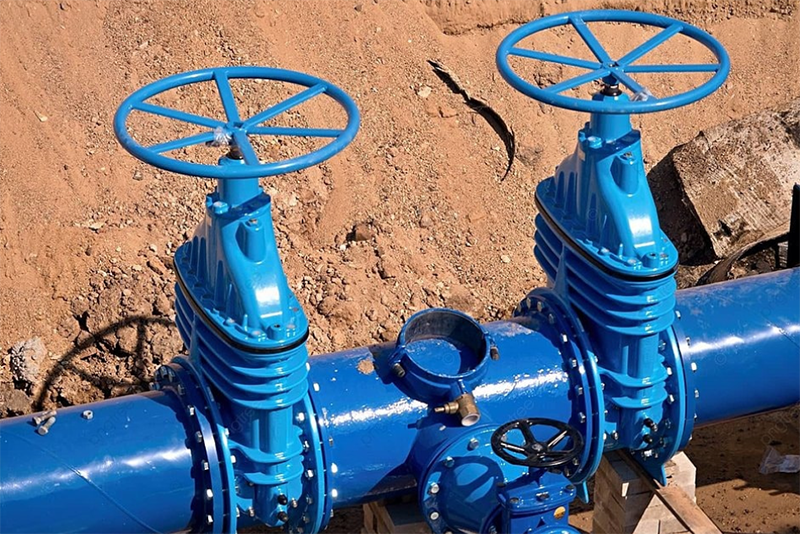
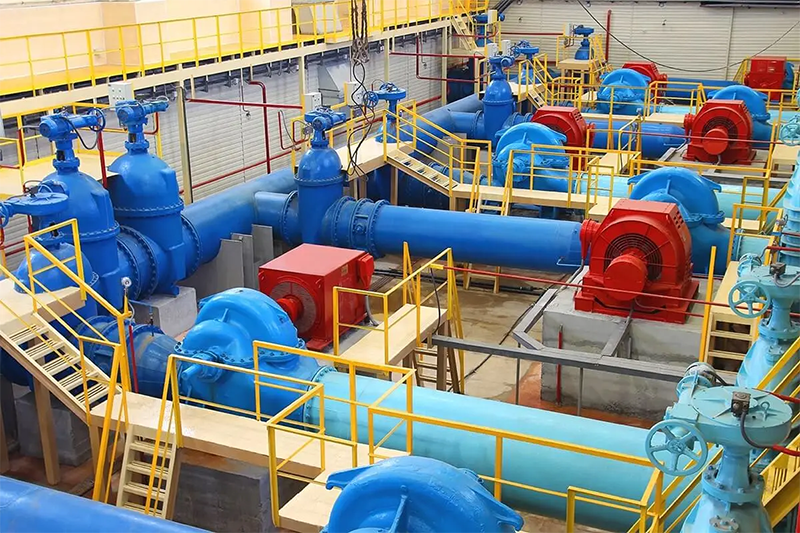
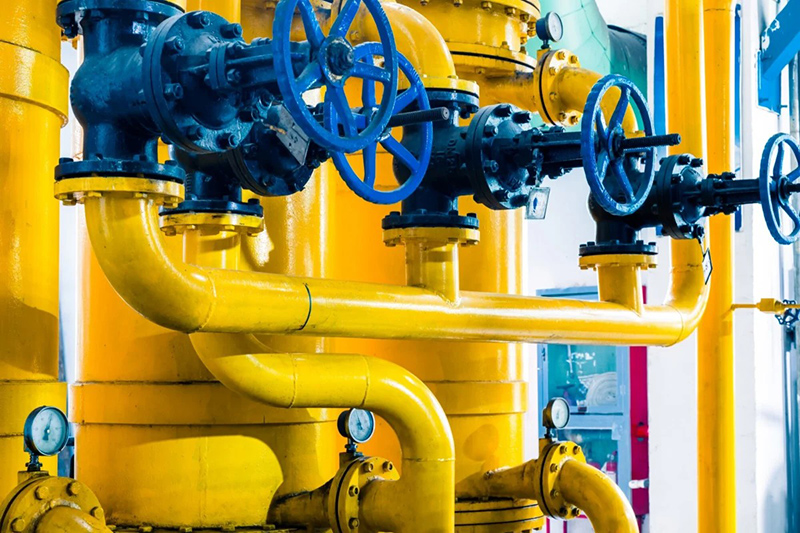
The resilient seat gate valve, with its core advantages of zero leakage sealing, corrosion resistance, and easy operation, is widely used in various fluid transportation systems that require precise flow interception, high medium cleanliness requirements, or complex working conditions and environments.