Featured Hydraulic & Industrial Valves
Engineering Fundamentals of Hydraulic Pressure Check Valves
In high-pressure hydraulic circuits, maintaining unidirectional fluid movement while preventing catastrophic reverse flow is an operational imperative. Hydraulic Pressure Check Valves (also classified as non-return or hydraulic lock valves) serve as the vital line of defense across mobile machinery, industrial power units, aerospace fluid systems, and heavy municipal water transport lines. These valves automatically permit fluid flow in one direction while instantaneously blocking flow in the opposite direction under varying system pressures.
From a mechanical perspective, hydraulic check valves function via dynamic pressure differentials acting on an internal closing element—typically a precision-ground steel ball, guided poppet, or dual disc assembly. When the upstream pressure exceeds the spring pre-load plus downstream pressure, the valve unseats (cracks open). Conversely, when downstream pressure dominates or fluid velocity approaches zero, the spring and reverse pressure drive the closure member back onto its seat, achieving zero leakage.
Core Internal Architectures & Design Classifications
OEM buyers and system integrators must select the appropriate structural architecture based on pressure rating, flow velocity, dynamic response time, and fluid viscosity:
- Direct-Acting Poppet Check Valves: Engineered with hardened steel poppets and guided seats. The poppet design delivers superior sealing integrity and minimal pressure drop due to optimized internal flow geometry, making it ideal for primary pump discharge lines.
- Pilot-Operated Check Valves (POCV): These valves feature an auxiliary pilot piston that allows hydraulic pressure to manually unseat the check mechanism, enabling controlled reverse flow. POCVs are extensively used in hydraulic cylinder locking circuits to prevent load drift during structural operations.
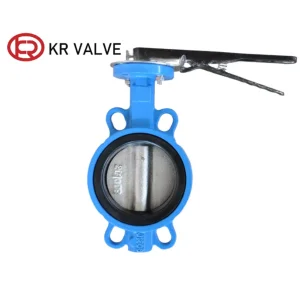
- Dual Disc Wafer Check Valves: Designed for high-volume, medium-to-high pressure liquid transport systems. Featuring twin spring-loaded plates, this architecture reduces fluid inertia, mitigates water hammer, and minimizes face-to-face dimensions between piping flanges.
- Cartridge Check Valves (Screw-in & Slip-in): Compact, manifold-mounted solutions optimized for modern integrated hydraulic blocks. They eliminate external piping, minimize leakage pathways, and streamline OEM assembly in high-density machinery.
Standard Technical Specifications & Operating Envelope
Leading wholesale hydraulic valve manufacturers manufacture products according to standardized metrics. Below is an engineering overview of performance parameters offered across our OEM facilities:
| Design Parameter | Standard Industrial Spec | Heavy Duty / High-Pressure Spec | Compliance Standards |
|---|---|---|---|
| Nominal Diameter (DN) | DN15 to DN300 (1/2" to 12") | DN350 to DN1200 (14" to 48") | ISO 5752, ASME B16.10, DIN 3202 |
| Pressure Rating | PN16, PN25, PN40 (16-40 Bar) | PN64, PN100, Class 600 - 2500 (Up to 420 Bar) | ASME B16.34, API 594, DIN 2501 |
| Cracking Pressure Ranges | 0.2 Bar, 0.5 Bar, 1.5 Bar | 3.0 Bar, 5.0 Bar, 8.0 Bar (Customizable) | Factory Spring Calibrated |
| Body Materials | Ductile Iron GGG40/GGG50, Cast Steel WCB | Forged Steel A105, Stainless Steel CF8/CF8M, Duplex SS | ASTM A216, ASTM A351, EN 1563 |
| Sealing Systems | NBR, EPDM, FKM (Viton), PTFE | Metal-to-Metal (Stellite Surfacing, SS316 Hardened) | ISO 5208 Leakage Rate A / Rate B |
| Fluid Compatibility | Mineral Oils, Water-Glycol, Clean Water | Synthetic Esters, Skydrol, Crude Oil, Aggressive Chemicals | NACE MR0175 / ISO 15156 |
China Factory Supply Chain Advantage & Manufacturing Ecosystem
Fully Integrated Industrial Clusters
China's valve hubs—most notably Tianjin, Wenzhou, and Jiangsu—offer unmatched supply chain integration. From raw sand casting and lost-wax precision investment casting to multi-axis CNC machining, heat treatment, and automated powder coating, the entire manufacturing value chain exists within a 50-kilometer radius. This concentration slashes production lead times and logistical overhead.
Advanced CNC Machining & QC Rigor
Modern Chinese valve factories have transformed from labor-intensive shops into smart factories. Utilizing multi-spindle CNC machining centers, automated coordinate measuring machines (CMM), and optical laser scanners, valve bodies and poppets are produced to tolerances within micrometers. Every valve undergoes hydrostatic seat and shell testing according to ISO 5208 standards before export.
Cost Efficiency Without Quality Compromise
By leveraging economies of scale, optimized raw material procurement, and high-efficiency manufacturing processes, Chinese suppliers offer wholesale hydraulic pressure check valves at 30% to 50% lower total cost of ownership (TCO) than Western counterparts—without compromising material grade or operational lifespan.
Global Procurement Demands, Regulatory Compliance & Local Support
Procuring industrial valves for international projects requires absolute compliance with local regulations, site environment standards, and engineering codes. Global procurement directors demand full traceability, standardized certification packages, and reliable localized engineering support to prevent site downtime and warranty liability.
Essential Certification Frameworks for International B2B Buyers
To enter demanding global markets, top-tier Chinese valve manufacturers maintain comprehensive certification portfolios:
- ISO 9001:2015 Quality Management Systems: Ensures repeatable manufacturing protocols, strict non-conformance management, and full batch traceability from ingot to final package.
- CE / PED (Pressure Equipment Directive 2014/68/EU): Mandatory for fluid valves operating in the European Economic Area under design pressure thresholds. Covers Category I, II, III, and IV module assessments.
- API 594 & API 6D Standards: Specifies face-to-face dimensions, wall thickness, pressure-temperature ratings, and inspection criteria for check valves used in oil, gas, and petrochemical pipelines.
- ATEX Directive 2014/34/EU: Required for valves operating in explosive dust or gas environments (e.g., refineries, chemical processing, offshore platforms).
- EN 10204 3.1 / 3.2 Material Test Reports (MTR): Complete chemical analysis and mechanical testing reports verified by independent accredited laboratories.
Localized Technical Support & OEM Customization Services
Top wholesale manufacturers provide end-to-end customization and localized support capabilities to streamline integration into client systems:
1. Tailored Pilot Ratios & Cracking Pressures: Custom spring calculations and pilot piston sizing matched to specific actuator systems, preventing pressure surges and chatter in high-frequency hydraulic circuits.
2. Special Elastomers & Surface Coatings: Sourcing specialized compounds (FKM, HNBR, Kalrez) and surface treatments (ENP Nickel Plating, Epoxy Coating to RAL 5015/5017, Stellite Hardfacing) for aggressive chemical or marine environments.
3. Private Labeling & Project Packaging: Turnkey OEM services including direct laser marking of buyer logos, custom nameplate tagging, heat-treated ISPM 15 compliant wooden crating, and consolidated shipping containers.
Heavy-Duty Application Scenarios & Field Performance
Heavy Hydraulic Presses & Injection Molding
In high-tonnage hydraulic forging presses and plastic injection molding machines, pilot-operated check valves hold high pressure in main cylinder cavities during decompression cycles. Precision poppet seating prevents pressure loss, maintaining clamp force up to 350 Bar while resisting intense pressure spikes.
Offshore Oil & Gas Drilling Rigs
Marine environments demand extreme corrosion resistance and zero-leakage security. Stainless steel CF8M/316 and Duplex 2205 non-return check valves are deployed in blowout preventers (BOP), hydraulic power units (HPU), and subsea manifold systems, built to withstand sour gas (H2S) exposure and saltwater corrosion.
Municipal Water Treatment & Pumping Stations
Large-diameter dual-disc swing check valves and micro-resistance slow-closing check valves protect municipal clean water and wastewater distribution networks. By dampening reverse fluid flow velocities during pump shutdown, these valves prevent backflow damage and eliminate destructive water hammer spikes in high-volume mains.
Emerging Industry Trends & Next-Generation Valve Technologies
The industrial valve sector is undergoing rapid transformation, driven by automation, sustainability mandates, and the Industry 4.0 digitisation of fluid power systems. Wholesale hydraulic pressure check valve manufacturers are investing in research and development to align with these trends:
1. IoT-Enabled "Smart" Check Valve Integration
Modern check valves are increasingly equipped with embedded non-intrusive position sensors, pressure transducers, and acoustic vibration sensors. By transmitting real-time operational data via IO-Link or wireless mesh networks to centralized SCADA systems, engineers can monitor seat wear, detect internal bypass leakage early, and transition from scheduled maintenance to predictive maintenance.
2. Eco-Friendly & Fire-Resistant Hydraulic Fluids
Environmental regulations (such as EU REACH and EPA guidelines) are forcing a transition from traditional petroleum-based oils to biodegradable synthetic esters and bio-hydraulics. Valve manufacturers are re-engineering internal elastomer seals and body coatings to maintain sealing integrity when exposed to aggressive bio-oils, water-glycol fluids, and high-operating temperatures up to 200°C.
3. Additive Manufacturing & Flow Optimization
Computational Fluid Dynamics (CFD) combined with metal 3D printing (Direct Metal Laser Sintering) allows engineers to redesign internal valve cavities. Curved internal flow paths and optimized poppet profiles reduce turbulence and fluid shear, yielding up to 15% lower pressure drop ($\Delta P$) across the valve body—translating into significant energy savings for high-duty hydraulic power units.
Frequently Asked Questions (Engineering Q&A)
How do I determine the correct cracking pressure for a hydraulic check valve?
What is the operational difference between a direct check valve and a pilot-operated check valve?
Why is soft sealing preferred over metal-to-metal sealing in certain check valves?
How do Chinese valve factories ensure material authenticity for overseas projects?
What causes valve chatter in hydraulic check valves and how can it be mitigated?
Additional Industrial Valve Solutions