
High-Performance Hydraulic Isolation & Flow Control Systems
Explore our heavy-duty hydraulic shut-off valves, precision strainers, and actuated control valves engineered for municipal, energy, and process piping systems.
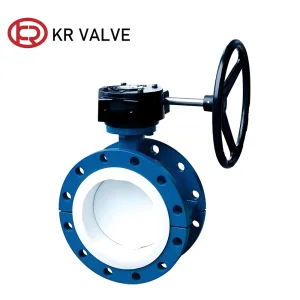
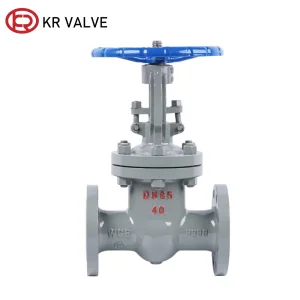
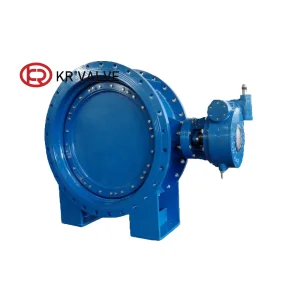
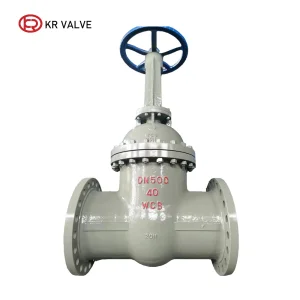
Hydraulic Shut Off Valves: Fluid Mechanics & Engineering Dynamics
In high-pressure liquid and gas conveyance networks, the hydraulic shut off valve functions as the primary safety-critical element. Designed to isolate flow, prevent destructive water hammer, dissipate kinetic energy, and regulate system pressure, these valves must perform flawlessly under cyclic stress, thermal shocks, and aggressive media. Selecting the appropriate wholesale hydraulic shut off valve supplier is not merely a commercial sourcing decision; it is a critical engineering safeguard for industrial plant continuity.
Modern hydraulic control systems rely on Pascal's Principle of fluid pressure transmission, operating across pressure classes ranging from PN16 up to PN400 (ANSI 150LB to 2500LB). Whether actuated by direct pilot hydraulics, pneumatic springs, electric motor gearboxes, or counterweight lever mechanisms, the internal flow dynamics demand zero seat leakage (ISO 5208 Rate A) and minimal hydraulic resistance (optimized Cv/Kv discharge coefficients).
1. Sealing Physics & Hard vs. Soft Seat Architecture
A primary consideration in hydraulic valve engineering is seat topology. Soft-seated hydraulic shut-off valves utilize elastomeric (EPDM, NBR, Viton) or fluoropolymer (PTFE, RTFE) liners to achieve bubble-tight shut-off under low-to-medium pressure drops. However, in extreme industrial applications featuring elevated temperatures or particulate-laden slurries, hard metal-to-metal seated valves—employing Stellite surfacing, hard chrome plating, or bronze trim—are essential. Hard metal seats withstand high-velocity cavity erosion and prevent galling during rapid closure sequences.
2. Cavitation Mitigation & Transient Surge Suppression
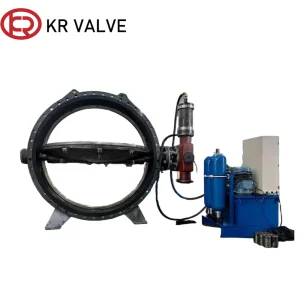
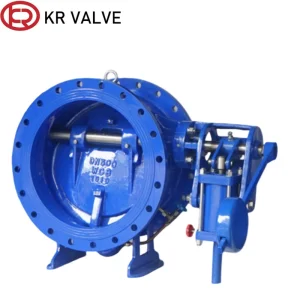
When a hydraulic valve closes rapidly against a high-velocity fluid column, the abrupt momentum change generates transient pressure surges, commonly known as hydraulic hammer. Left unmitigated, these pressure spikes can rupture pipeline walls, destroy pump impellers, and strip flange gaskets. Advanced hydraulic cylinder butterfly valves and slow-closing check valves utilize dual-speed closing profiles: an initial fast stroke to shut off 80% of the volumetric flow, followed by a hydraulic damper-regulated slow stroke to dissipate the remaining kinetic energy safely.
| Valve Type | Sealing Mechanism | Standard Pressure Range | Primary Fluid Medium | Key Engineering Advantage |
|---|---|---|---|---|
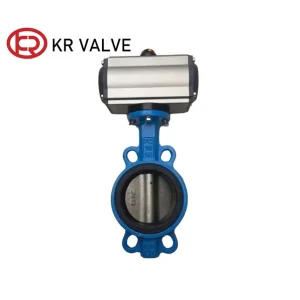
| Hydraulic Cylinder Butterfly | Double/Triple Eccentric Metal or EPDM | PN10 - PN64 (DN200 - DN3000) | Raw Water, Cooling Water, Hydroelectric | Integrated counterweight & hydraulic trip shut-off |
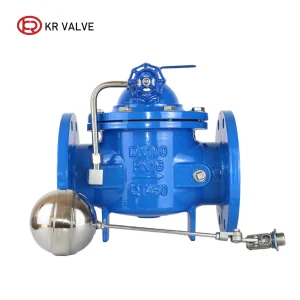
| 100X / 200X Diaphragm Control | Flexible Reinforced Nylon Diaphragm | PN10 - PN25 (DN50 - DN800) | Potable Water, Fire Networks | Self-operated pilot hydraulic control without electric power |
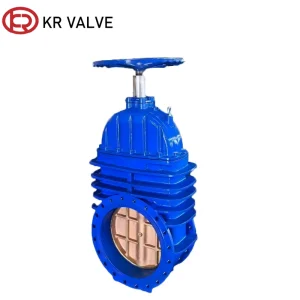
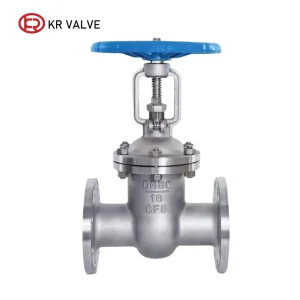
| Hard Seal Gate Valve | WCB Steel / Stainless Steel Metal Seat | ANSI 150LB - 900LB (DN50 - DN1000) | Steam, Thermal Oil, Petrochemical Slurry | Bi-directional full-bore isolation with high temp tolerance |
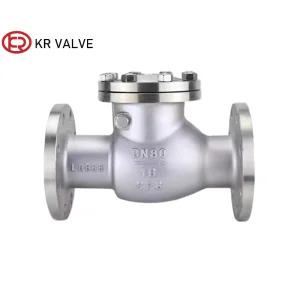
| Slow-Closing Check Valve | Inclined Disc with Hydraulic Cushioning | PN16 - PN100 (DN100 - DN1400) | Pump Discharge Mains, Slurry Piping | Eliminates water hammer through controlled return stroke |
Global Commercial & Industrial Market Landscape
Macroeconomic drivers, infrastructure investments, and regional demands shaping wholesale hydraulic valve procurement.
Asia-Pacific Infrastructure Surge
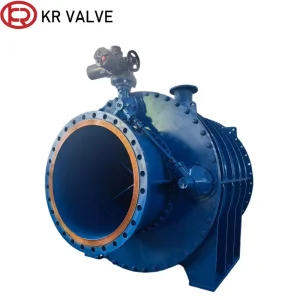
Rapid urbanization across Southeast Asia, India, and China is accelerating mega-scale municipal water transfer projects, desalination facilities, and hydroelectric power plants. These initiatives require high-bore (DN1000+) hydraulic butterfly valves and energy-dissipating conical valves capable of handling extreme mass flow rates.
North American Energy & Process Retrofits
Strict EPA emissions limits and aging pipeline infrastructure in North America drive the demand for API 6D compliant metal-seated gate valves and PTFE-lined corrosion-resistant isolation valves. Direct OEM/ODM manufacturing relationships allow North American distributors to secure high-margin, fully certified valve inventory.
EMEA Industrial Decarbonization
European and Middle Eastern buyers prioritize low-fugitive-emission packing (ISO 15848-1) and automated hydraulic actuators for green hydrogen pipelines, district heating grid upgrades, and offshore oil field water injection networks, requiring rigorous metallurgical traceability.
Localized High-Stress Application Scenarios
Field-proven valve deployments across demanding municipal, industrial, and heavy engineering environments.
1. Hydroelectric Penstocks & Reservoir Outlets
In high-head hydroelectric dam projects across South America and Central Asia, hydraulic cylinder butterfly valves (DN1200 to DN3000) serve as emergency turbine inlet isolation units. Operating under static heads exceeding 150 meters, these valves utilize heavy counterweights held open by hydraulic oil pressure. If line integrity breaks or turbine overspeed occurs, the hydraulic pressure drops, releasing the counterweight to slam-shut the valve within seconds to protect turbine assets.
2. Municipal Water District Surge Management
Urban water supply networks in high-density metropolitan areas utilize 200X Pressure Reducing Valves and 100X Diaphragm Remote Float Valves. Installed in booster pump stations and elevated storage tanks, these hydraulic control valves dynamically convert fluctuating upstream pressure (e.g., 1.6 MPa) down to a stable downstream delivery pressure (0.4 MPa), preventing pipe bursts during off-peak demand hours.
3. Petrochemical Refining & Chemical Processing
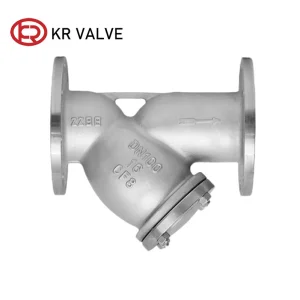
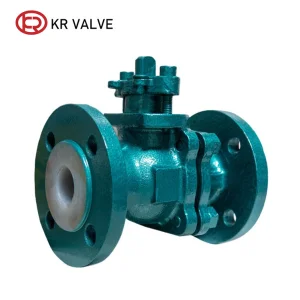
Full PTFE-lined ball valves and CF8 stainless steel Y-strainers are installed in chemical processing plants handling aggressive mineral acids, aromatic solvents, and caustic washes. The split-body design lined with virgin PFA/PTFE guarantees zero fluid contamination and prevents metal corrosion, maintaining long-term tight shut-off even in toxic chemical transmission loops.
4. Mining Tailings & Heavy Slurry Conveyance
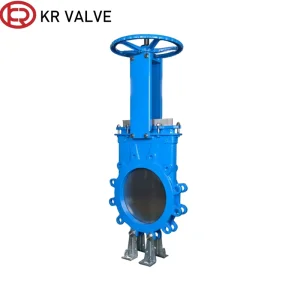
Mining operations require abrasive-resistant flow isolation. Manual and pneumatic WCB knife gate valves with bevelled stainless steel knife edges effortlessly cut through thick copper tailings, iron ore slurry, and coal wash suspension. Their bi-directional seat design prevents media buildup in the valve chest, avoiding stem jamming.
China Supply Chain Resilience & Tianjin Industrial Advantage
How localized manufacturing ecosystems, integrated foundries, and advanced quality testing yield unmatched cost efficiencies and lead times.
Integrated Foundry to CNC Machining
Tianjin is China's premier industrial valve manufacturing hub. Our integrated supply chain seamlessly links sand casting, investment casting, precision CNC machining, and automated epoxy powder coating lines within a tight geographic radius. This minimizes raw material transport lag and enables high-volume output at competitive wholesale pricing.
Rigorous Quality Control & NDT Inspection
Every valve undergoes strict quality verification before dispatch. Raw materials are analyzed via optical emission spectrometers for exact alloy composition. Castings undergo ultrasonic and magnetic particle non-destructive testing (NDT), followed by 100% shell hydrostatic and seat air leakage testing in compliance with API 598 and EN 12266-1 standards.
Agile OEM Customization & Turnaround
Whether you require custom face-to-face dimensions (DIN, BS, ANSI), non-standard flange drilling, high-temperature seat materials, or specialized actuation packages (hydraulic, pneumatic, electric), our in-house engineering team converts CAD/FEA models into finished, tested products with ultra-fast lead times.
Technology Roadmap & Future Outlook of Hydraulic Control
The convergence of Industrial IoT, smart diagnostic sensors, and advanced material science in flow control engineering.
Smart IoT Hydraulic Valves & Predictive Diagnostics
Next-generation hydraulic shut off valves are evolving into intelligent cyber-physical nodes. Integrated wireless pressure transducers, acoustic cavitation detectors, and stem stroke sensors feed continuous operational data into SCADA and cloud-based Digital Twin models. Plant operators can monitor real-time seat degradation, detect internal bypass leakage early, and schedule predictive maintenance before catastrophic line failures occur.
Advanced Surface Coatings & Zero-Emissions Stem Seals
As global environmental regulations tighten, fluid isolation hardware must comply with strict fugitive emission standards (TA-Luft / ISO 15848-1). Future technology roadmaps focus on nano-composite DLC (Diamond-Like Carbon) stem coatings, self-repairing elastomeric seals, and live-loaded spring packing sets that ensure zero environmental escape across hundreds of thousands of operational cycles.
International Compliance & Technical Support Safeguards
Ensuring seamless integration into global engineering specifications with full international certification coverage.
Standards & Norms Alignment
Our valve series strictly adhere to major global manufacturing standards: DIN F4/F5, BS5163, BS5153, ANSI/ASME B16.34, API 6D, API 609, and ISO 5752. Flange connections can be customized to EN 1092-2 PN10/PN16/PN25/PN40, ANSI B16.5 150LB/300LB, or JIS 10K/20K.
Quality & Environmental Certifications
All production facilities operate under ISO 9001 Quality Management Systems, ISO 14001 Environmental Management, and ISO 45001 Occupational Health standards. Products supplied to the European Economic Area carry full CE-PED (Pressure Equipment Directive 2014/68/EU) marking.
Comprehensive Project Documentation
For international EPC contractors, we supply complete technical dossiers including EN 10204 3.1 Material Test Reports (MTRs), Hydrostatic Test Certificates, NDT Inspection Logs, Painting Thickness Reports, and full installation and operation manuals (IOMs).
Specialized Hydraulic Control Valves & Pipeline Accessories
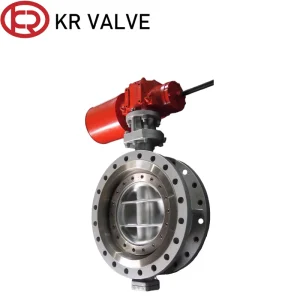
Discover our complete selection of check valves, conical energy-dissipating valves, knife gate valves, and hydraulic control solutions.
Frequently Asked Questions by Valve Engineers & Procurement Buyers
Comprehensive engineering insights and commercial purchasing guidelines for hydraulic shut off valve selection.
What is the primary technical difference between a standard gate valve and a hydraulic shut off valve?
A standard gate valve is designed primarily for infrequent manual isolation of static fluid lines. In contrast, a specialized hydraulic shut off valve (such as a hydraulic cylinder double-eccentric butterfly valve or a diaphragm-piloted 100X/200X valve) is engineered to handle dynamic liquid pressure transients, high-velocity closure, and rapid automated response. Hydraulic shut off valves frequently integrate counterweights, oil dashpot dampers, or pilot circuits to actively mitigate water hammer and control flow velocities during fast closure sequences.
How do hydraulic cylinder butterfly valves prevent water hammer in long pipelines?
Hydraulic cylinder butterfly valves utilize a two-stage closing mechanism controlled by an adjustable hydraulic damper. When an emergency trip or power loss signal is received, the valve drops its heavy counterweight quickly for the first 70-80% of its stroke to rapidly arrest bulk flow. The remaining 20-30% of the stroke is slowed down by a hydraulic oil cushioning cylinder. This dual-rate closing action prevents the sudden velocity drop that causes catastrophic pressure spikes and acoustic shocks in long water transmission mains.
Why choose metal-seated gate valves over soft-seated valves for high-pressure hydraulic lines?
Soft elastomeric or PTFE seats provide excellent zero-leakage sealing at lower temperatures and pressures (up to 120°C). However, in high-pressure applications (PN40 and above), elevated temperatures, or media containing micro-abrasives (such as raw river water or mine tailings), soft seats can deform, extrude, or tear. Hard metal-seated gate valves—utilizing bronze, stainless steel, or Stellite seat rings—offer superior resistance to cavitation erosion, fluid shear, and high temperatures, ensuring reliable bi-directional shut-off over decades of continuous operation.
What international standards do your wholesale hydraulic shut off valves comply with?
Our complete range of industrial valves complies with global standards including DIN 3352 / DIN F4 / DIN F5 for gate valves, BS5163 and BS5153 for waterworks gate and check valves, ANSI/ASME B16.34 for flanged steel valves, and API 6D / API 609 for pipeline and butterfly valves. Pressure testing is performed 100% in compliance with API 598 and ISO 5208 Rate A criteria.
What options are available for OEM customization and private labeling?
We offer end-to-end OEM/ODM manufacturing services for international distributors and engineering contractors. Customization options include specialized body casting materials (Ductile Iron GGG40/50, WCB steel, CF8/CF8M stainless steel, Duplex stainless steel), custom epoxy coating colors (RAL 5005, RAL 5015, RAL 3000), branded cast-on or riveted stainless steel nameplates, non-standard face-to-face dimensions, and integrated actuator packages (electric, pneumatic, or electro-hydraulic).
How does your factory ensure casting quality and material traceability?
Every casting batch produced in our Tianjin foundry facilities undergoes chemical analysis using optical emission spectroscopy to verify element ratios (Carbon, Chromium, Nickel, Molybdenum, Silicon). Mechanical testing includes tensile strength, yield strength, and Charpy impact testing. We provide EN 10204 3.1 Material Test Reports (MTRs) with full heat number traceability for all pressure-containing valve bodies and bonnet castings.