Precision Flow Control Valves & Actuators
Explore our premium factory-direct valve line engineered for municipal, chemical, and industrial fluid pipelines.
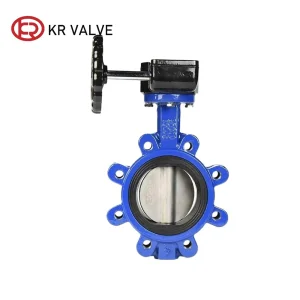
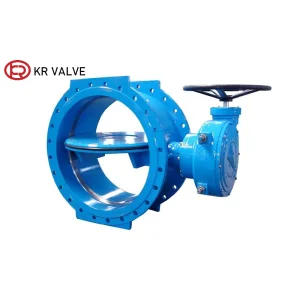
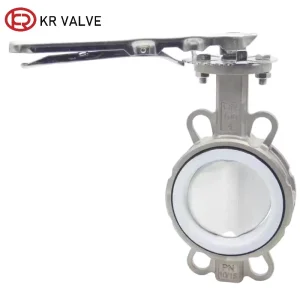
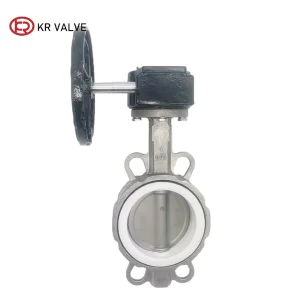
OEM Concentric Resilient Lug Butterfly Valve with EPDM Seal (DN40-DN600, PN6-PN16)
View Product Details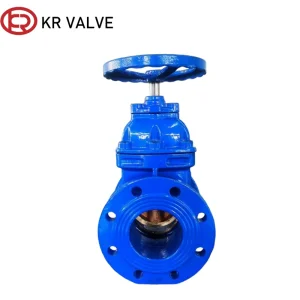
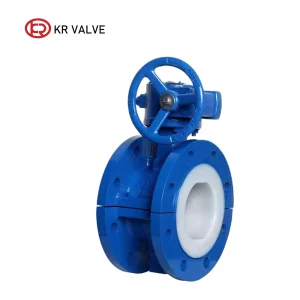
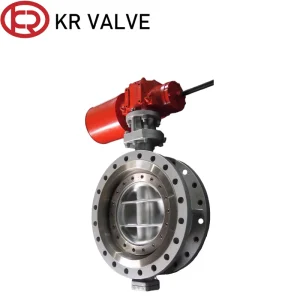
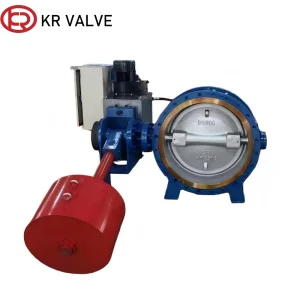
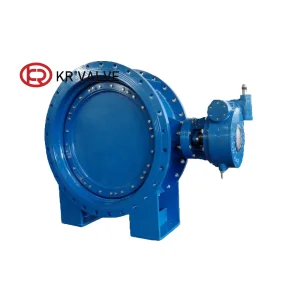
Wholesale Single Acting Pneumatic Triple Eccentric Butterfly Valve Hard Seal 150LB
View Product Details
Global Commercial & Industrial Reality of Pneumatic Valves
An expert macro-analysis of global fluid automation trends, factory sourcing shifts, and supply chain demands.
The global demand for Pneumatic Wafer Butterfly Valves has undergone a structural transformation. Driven by the aggressive modernization of municipal water processing, chemical refining, pharmaceutical manufacturing, and HVAC infrastructure, automated quarter-turn control valves have shifted from optional process upgrades to critical baseline assets. In modern industrial facilities, the key objective is no longer merely stopping fluid flow; it is achieving real-time, low-latency actuation, absolute sealing integrity, and multi-year maintenance-free operating cycles under extreme pneumatic pressure differentials.
Pneumatic wafer butterfly valves have emerged as the standard configuration for bulk fluid modulation due to their extremely high flow coefficient ($C_v$), ultra-compact face-to-face footprint (conforming to EN 558-1 Series 20 and API 609 standards), and significantly lighter weight compared to traditional gate or globe valves. Procurement directors and EPC engineering teams sourcing from wholesale suppliers and specialized manufacturing hubs (such as Tianjin, China) face stringent performance thresholds. Modern procurement mandates verifiable materials engineering (EN 10204 3.1 MTRs), zero-leakage elastomeric/fluoropolymer seats, and seamless integration with electro-pneumatic positioners (HART, Profibus, Modbus protocols).
Technical Anatomy: Materials, Sealing Dynamics & Pneumatic Actuation
Deep-dive breakdown of valve body metallurgy, polymer science, torque optimization, and pneumatic rack-and-pinion vs. scotch-yoke mechanics.
Valve Body Metallurgy & Cast Integrity
Selecting the structural alloy determines operational lifespan, structural rigidity, and resistance to line-stress deformations.
- Ductile Iron (GGG40 / QT450-10): Exceptional tensile strength ($400\text{ MPa}$) and impact resistance for municipal water and low-pressure HVAC applications.
- Carbon Steel (WCB / A216): Engineered for high-temperature steam, oil, and gas transmission environments requiring high mechanical durability.
- Stainless Steel (CF8 / CF8M / SS316): Superior chemical resistance against acidic solutions, chlorides, and aggressive industrial fluids.
Seat Polymers & Sealing Interfaces
Polymer engineering dictates fluid compatibility, thermal limits, and dynamic friction torque coefficients.
- Resilient EPDM Seats: Temperature threshold $-20^\circ\text{C}$ to $+120^\circ\text{C}$. Excellent resistance to water, steam, ozone, and alkalis. NSF/ANSI 61 certified for potable water.
- Full PTFE / PFA Lining: Chemically inert lining covering body interior and stem shaft. Temperature threshold $-30^\circ\text{C}$ to $+180^\circ\text{C}$. Immune to concentrated acids and solvents.
- Triple Offset Metal Seats (Stellite Surfacing): Designed for zero-leakage bi-directional shutoff under cryogenic or extreme thermal conditions up to $+450^\circ\text{C}$.
Pneumatic Actuator Kinematics
Actuator selection bridges pneumatic supply signals to micro-precise 90-degree mechanical valve shaft rotation.
- Double-Acting (DA) Rack & Pinion: Utilizes air pressure on both opening and closing strokes, delivering constant output torque and optimal economic efficiency.
- Spring Return (SR / Single-Acting): Features internal high-tensile spring cartridges for automatic fail-safe positioning (Fail-Open or Fail-Closed) upon loss of air supply.
- NAMUR & ISO 5211 Standard Interface: Direct mounting eliminates external bracket flex, ensuring rigid shaft alignment and seamless integration of solenoid valves, limit switches, and positioners.
Engineering Parameter Matrix: Wafer Valve Configurations
| Valve Type | Nominal Size Range | Pressure Ratings | Seat Material Options | Actuation Torque Range | Primary Industrial Medium |
|---|---|---|---|---|---|
| Concentric Wafer Butterfly Valve | DN40 - DN1200 (1.5" - 48") | PN6 / PN10 / PN16 / Class 150 | EPDM, NBR, Viton (FKM), Neoprene | 9 N·m to 2,400 N·m | Potable Water, HVAC, Raw Sewage, Irrigation |
| Full PTFE Lined Wafer Valve | DN50 - DN600 (2" - 24") | PN10 / PN16 / Class 150 | PTFE, PFA, FEP (Virgin or Conductive) | 18 N·m to 3,100 N·m | Sulfuric Acid, Bleach, Chlor-Alkali, Solvents |
| Double Eccentric Wafer Valve | DN100 - DN2000 (4" - 80") | PN16 / PN25 / PN40 / Class 300 | SS304/SS316 Surfacing, PTFE, RPTFE | 45 N·m to 8,500 N·m | High-Pressure Water Mains, Thermal Fluids, Power Plants |
| Triple Offset Metal Seated Wafer | DN80 - DN1400 (3" - 56") | Class 150 / 300 / 600 (PN16-PN100) | Stellite Hardfacing / SS316 + Graphite Laminated | 120 N·m to 18,000 N·m | High-Temperature Steam, Refining, Hydrocarbons, Cryogenics |
Industrial Deployment: Global & Localized Engineering Scenarios
Specific field implementations of wholesale pneumatic wafer butterfly valves across critical infrastructure sectors.
1. Desalination & Reverse Osmosis (RO) Plants
Operational Environment: Extreme saline corrosion, high chloride concentrations, continuous high-velocity flow in Middle Eastern and Mediterranean coastal facilities.
Solution Architecture: Super Duplex Stainless Steel (2507) or SS316 disc paired with high-grade EPDM or Vulcanized rubber seats. Double-acting pneumatic actuators equipped with emergency electro-pneumatic positioners ensure rapid anti-surge modulation during high-pressure pump engagement.
2. Chemical Refining & Chlor-Alkali Processing
Operational Environment: Highly volatile, corrosive media including concentrated HCl, chlorine gas, and sodium hydroxide in North American and European industrial parks.
Solution Architecture: Split-body ductile iron or cast steel bodies with heavy-wall (minimum $3\text{ mm}$) split-body full PTFE or PFA linings. Spring-return fail-closed pneumatic actuators ensure immediate pipeline isolation during power loss, fully compliant with ISO 15848-1 fugitive emission standards.
3. HVAC, District Cooling & Commercial Building Automation
Operational Environment: Large-scale chilled water distribution, cooling tower isolation, and thermal energy management systems across Asian megacities.
Solution Architecture: Ductile iron concentric wafer butterfly valves with aluminum-bronze or stainless steel discs and EPDM soft seats. Lightweight pneumatic actuation connected to central Building Management Systems (BMS) via 4-20mA positioner feedback controls variable flow with high energy efficiency.
Direct Sourcing Protocol: QA/QC Verification & Factory Auditing
A procedural guide for engineering consultants, procurement officers, and EPC contracts sourcing wholesale pneumatic valves directly from manufacturing plants.
1. Total Cost of Ownership (TCO) Sourcing Model
Selecting wholesale valve vendors purely on initial unit price often leads to hidden project expenditure. Unplanned downtime caused by premature seat extrusion, shaft binding, or pneumatic actuator seal failure can result in catastrophic process interruption. Procurement directors must analyze TCO through three core vectors: CapEx Efficiency, Operational Reliability (OpEx), and Maintenance Interoperability.
2. Essential Factory Quality Assurance Checks
Before issuing bulk purchase orders (POs) to valve factories, buyers must verify adherence to strict global manufacturing protocols:
Pressure Testing (API 598 / EN 12266-1)
Every single manufactured valve must undergo 100% hydrostatic shell testing (1.5x nominal pressure) and pneumatic seat leakage testing (1.1x nominal pressure) prior to dispatch. Zero-bubble leakage rate A performance is non-negotiable for soft-seated models.
Spectrometric Material Verification (PMI)
Verifying chemical composition of valve castings via Positive Material Identification (PMI) optical emission spectrometry guarantees that SS316, SS304, or Ductile Iron alloys match exact ASTM/EN metallurgical specifications without scrap metal contamination.
Actuator Cycle Life Testing
Pneumatic rack-and-pinion actuators must be factory tested to endure minimum 500,000 to 1,000,000 continuous open-close cycles under full rated operating pressure without seal blowouts or mechanical binding.
Technology Roadmap: Next-Generation Pneumatic Valve Automation
Emerging developments transforming industrial fluid control over the next decade.
1. IIoT Smart Electro-Pneumatic Positioners
Traditional pneumatic actuators operated on open-loop pneumatic signals. Next-generation smart positioners incorporate onboard microprocessors, digital pressure sensors, and wireless Bluetooth/IO-Link communications. They perform real-time partial stroke testing (PST), continuously monitoring valve friction trends and predicting seat degradation months before failure.
2. Zero-Fugitive Emission & Green Hydrogen Sealing
As global environmental regulations enforce zero-tolerance greenhouse gas leaks and chemical VOC releases, advanced valve factories are redesigning stem seal geometry. Live-loaded V-ring packing sets made from expanded flexible graphite and modified PTFE ensure total fugitive emission containment certified to ISO 15848-1 Class AH.
3. Advanced Composite & Lightweight Alloys
To reduce structural load on suspended industrial piping, manufacturing research is focusing on high-strength composite bodies and forged aluminum alloy actuators. These lightweight materials deliver high corrosion resistance while reducing overall valve assembly weight by up to 40%.
Frequently Asked Questions by Technical Buyers & B2B Sourcing Managers
Comprehensive expert answers regarding pneumatic wafer butterfly valve selection, installation, and factory customization.
What is the key technical difference between Wafer and Lug style pneumatic butterfly valves?
A Wafer butterfly valve is designed to be sandwiched between two pipe flanges using long stud bolts that span the entire body width. It is lighter, more compact, and more economical, making it ideal for continuous pipeline runs. A Lug butterfly valve features threaded metal lugs around its perimeter matching pipe flange bolt patterns. This allows single-side flange connection, enabling isolation of downstream piping while keeping upstream line pressure intact (dead-end service).
How do I calculate the required pneumatic actuator torque for a wafer butterfly valve?
Required pneumatic actuator torque is determined by combining the valve's baseline seating/unseating torque with line pressure differential, dynamic fluid friction, and media characteristics. The formula is generally expressed as:
$$\text{Total Torque} = \text{Base Breakaway Torque} \times \text{Media Safety Factor (1.2 to 1.5)} \times \text{Pressure Differential Factor}$$
For slurry, dry powder, or high-viscosity fluids, a higher safety multiplier (1.4 - 1.6) must be applied to ensure the pneumatic actuator operates reliably under worst-case line sticking conditions.
Should I select a Double-Acting or Spring-Return pneumatic actuator for my factory project?
Select a Double-Acting (DA) actuator if air supply failure does not require an automated emergency shutoff and you prefer a smaller actuator size at lower cost. Select a Spring-Return (SR / Single-Acting) actuator when your safety protocol requires an automatic fail-safe action (Fail-Closed or Fail-Open) to protect personnel and equipment during loss of electrical power or compressed air pressure.
What flange mounting standards do wholesale Chinese butterfly valve suppliers support?
Leading Chinese OEM/ODM factories manufacture universal multi-standard wafer bodies compatible with EN 1092-2 (PN6/PN10/PN16), ANSI B16.5 (Class 150), and JIS B2220 (10K/16K) flange dimensions. This multi-drilling design allows seamless global installation without requiring custom flange re-machining.
Why is ISO 5211 direct mounting critical for pneumatic butterfly valves?
The ISO 5211 standard defines standardized top-flange dimensions and square/double-D drive shaft connections. Direct mounting allows pneumatic actuators to bolt directly onto the valve body without external brackets or couplings. This eliminates mechanical hysteresis, prevents shaft misalignment, reduces wear on stem seals, and ensures precise positioning.
What is the typical lead time and shipping protocol for bulk wholesale valve orders?
Standard valve sizes (DN40-DN300) in cast ductile iron or stainless steel usually maintain a 15-to-25 day production lead time for bulk container orders. Fully customized PTFE-lined or triple eccentric hard-seal valves require 30 to 45 days. Products are packaged in seaworthy fumigated plywood crates with protective end caps, fully compliant with international ocean and air freight regulations.
Explore Additional Industrial Valve Solutions
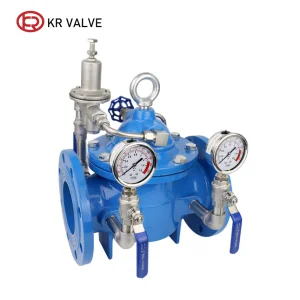
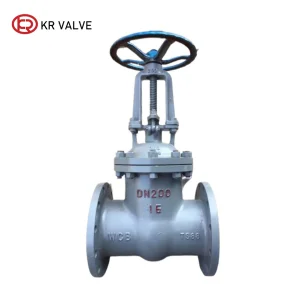
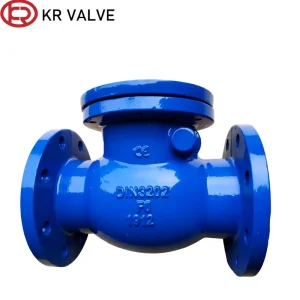
Browse our extended catalog of hydraulic control valves, gate valves, and specialty non-return check valves.