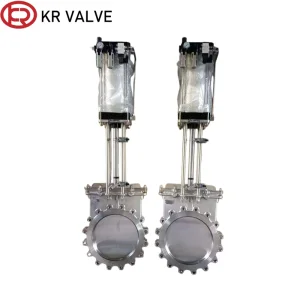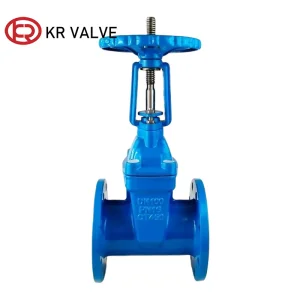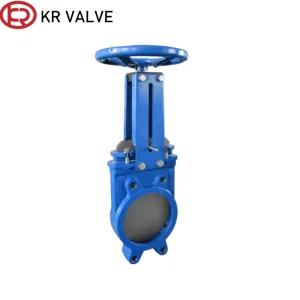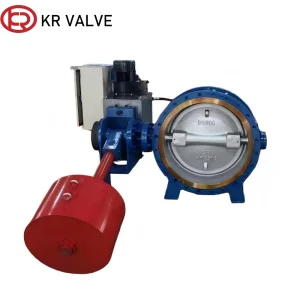
Featured Wholesale Air & Pressure Release Valves
Explore our engineered portfolio of precision-manufactured release valves, corrosion-resistant ball valves, resilient gate assemblies, and high-velocity safety mechanisms built for global pipelines.
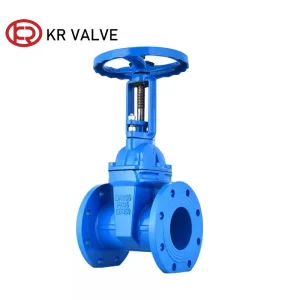
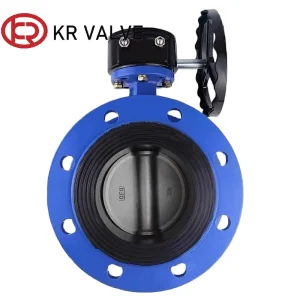
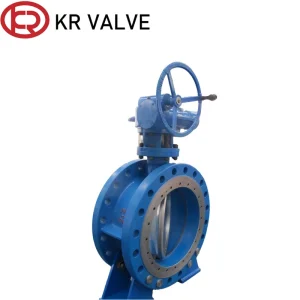
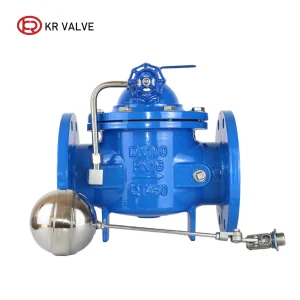
The Mechanics of Modern Flow Safety: Air & Pressure Release Valve Dynamics
In complex municipal, chemical, and energy piping networks, the presence of entrained air pockets and unmitigated transient pressure surges represents one of the most critical structural hazards facing hydraulic engineers today. Entrained air in liquid systems drastically reduces flow capacity, causes violent fluid-hammer phenomena, induces severe cavitation wear, and can accelerate internal pipe corrosion by orders of magnitude.
Choosing the correct release valve supplier and manufacturer is not merely a matter of component sourcing—it is a strategic decision that directly affects plant runtime, systemic energy efficiency, operational safety, and overall lifecycle expenditure. Modern release valves, encompassing air release valves, vacuum relief valves, combination air valves, and pilot-operated pressure relief valves, function as automated hydraulic safeguards.
Kinematic Air Release
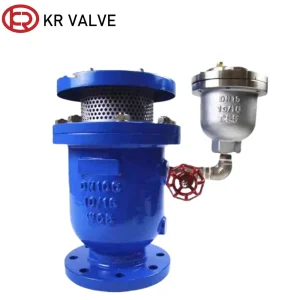
Automatic expulsion of accumulated air during pressurized line operation. Micro-orifices open continuously under line pressure up to PN40 to discharge gas pockets without fluid leakage.
Vacuum Vacuum Break
Rapid intake of large air volumes during pipeline draining, pump shutdown, or line breaks to prevent devastating sub-atmospheric pipe collapse and column separation.
Surge & Relief Control
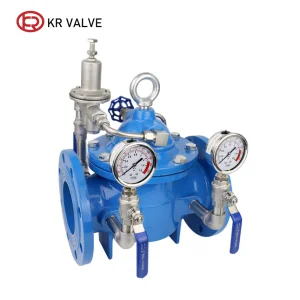
Pilot-operated systems (like the 200X series) automatically sense upstream over-pressure, modulating main diaphragms to bleed off pressure spikes before pipe bursting occurs.
Strategic Value & Technical Capabilities of Chinese Valve Factories
Over the past two decades, China—and specifically specialized manufacturing clusters such as Tianjin, Zhejiang, and Jiangsu—has evolved into the world’s undisputed epicenter for heavy-duty industrial valve production. China's valve OEM ecosystem combines advanced foundry metallurgy, state-of-the-art multi-axis CNC machining, and comprehensive digital quality testing to deliver world-class release valve solutions at unbeatable total-cost-of-ownership (TCO) ratios.
Foundry Metallurgy & Casting
Modern Chinese factories utilize resin-sand casting, lost-foam molding, and investment casting for stainless steels (SS304/SS316/CF8M) and ductile iron (GGG40/GGG50/WCB). This ensures precise wall thicknesses, zero internal porosity, and superior pressure retention under intense thermal cycling.
Precision CNC & Sealing Tech
Machining tolerances down to ±0.005mm guarantee tight alignment between valve discs, stems, and guides. High-grade elastomeric seats (EPDM, NBR, Viton) and fluoropolymer linings (PTFE, PFA) provide bubble-tight sealing to EN 12266-1 standards.
Global Compliance & Standards
Export-ready Chinese manufacturers comply with DIN (DIN F5, DIN F4), BS (BS5163, BS5153), ANSI/ASME (B16.10, B16.34), and ISO certifications (ISO 9001, ISO 14001, CE PED, WRAS, API 6D), allowing seamless integration into international EPC projects.
Industry Trends: Smart Release Valves & Anti-Cavitation Engineering
The release valve sector is undergoing a massive technological shift driven by digitalization, stringent environmental mandates, and the rising demand for maintenance-free infrastructure. Buyers looking to purchase release valves at wholesale are increasingly looking for smart, long-lifespan components equipped with advanced telemetry and anti-wear features.
| Emerging Trend | Technical Breakthrough | Operational Impact | Target Application |
|---|---|---|---|
| IoT Telemetry & Sensing | Integration of wireless pressure transducers and position sensors on pilot valves (e.g., 200X & 100X series). | Real-time surge monitoring, predictive maintenance alerts, remote automated level control. | Smart Water Grids, Remote Municipal Pipelines |
| Anti-Cavitation Trims | Multi-stage slotted cages and specialized internal geometry in compound release valves. | Dissipates high hydraulic energy, eliminates vibration, prevents valve body erosion. | High-Head Dams, Power Generation Plants |
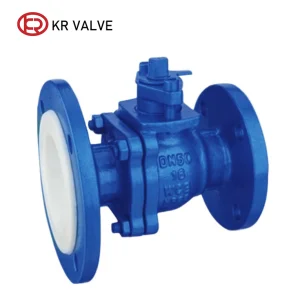
| Advanced Polymer Linings | Thick, seamless PTFE/PFA lining fused to WCB/Ductile Iron bodies (e.g., PTFE Lined Ball Valves). | 100% chemical inertness against concentrated acids, alkalis, and hyper-saline media. | Chemical Processing, Marine Desalination |
| High-Speed Air Discharging | Dual-chamber compound air release valves (CARX series) with aerodynamically designed float balls. | Prevents premature float closure during high-velocity air venting (up to sonic speed). | Long-Distance Water Transmission Mains |
Macro Industry Solutions & Engineering Application Scenarios
How specialized release valves, check valves, and isolation valves come together to secure complex flow loops across globally critical industries.
Municipal Waterworks & Sewage Systems
System Demands: High flow rates, continuous continuous air accumulation, heavy sediment loading.
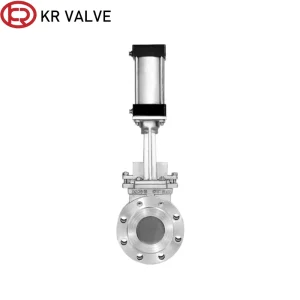
Recommended Configuration: Combine CARX High-Speed Release Valves at line high points with Ductile Iron Wafer Knife Gate Valves and DIN F5 Resilient Seated Gate Valves. This ensures continuous venting while providing zero-leak isolation for routine maintenance.
Chemical Processing & Corrosive Refining
System Demands: Extreme chemical aggressiveness, toxic fluids, strict volatile emissions rules.
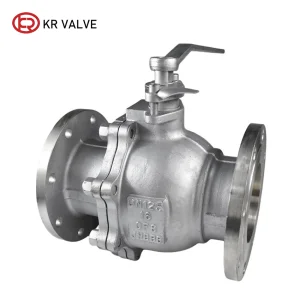
Recommended Configuration: Deploy PTFE Lined WCB Ball Valves and SS304/SS316 Stainless Steel Knife Gate Valves. Flange connections with full PTFE encapsulation insulate metal bodies from aggressive acids, chlorinated brine, and slurry solutions.
High-Rise HVAC & Hydro-Pneumatic Networks
System Demands: Constant downstream pressure control, float-actuated tank filling, space constraints.
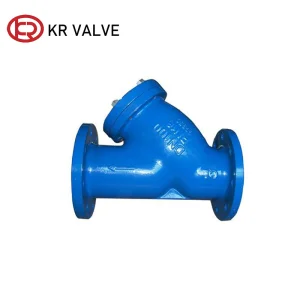
Recommended Configuration: Utilize 200X Pressure Relief Valves paired with 100X Hydraulic Control Diaphragm Remote Float Valves and GGG40 Y-Type Strainers. The Y-strainer protects delicate pilot channels from pipe scale, while the 100X/200X valves manage exact tank filling heights and mitigate transient water hammer.
Global Procurement Framework: Material Specification & Audit Checklist
When global EPC contractors, regional distributors, and project managers procure wholesale release valves from Chinese manufacturers, adhering to a strict technical audit checklist is paramount. Below is an engineering specification matrix for evaluating factory capability and component compliance.
| Evaluation Parameter | Standard Specification Requirements | Verification & Testing Protocol |
|---|---|---|
| Material Traceability | Ductile Iron GGG40/50, WCB Cast Steel, SS304/SS316, Bronze/Brass Trims | 3.1 Material Test Report (MTR), Spectrographic Chemical Analysis |
| Pressure Class Rating | PN10, PN16, PN25, PN40, ANSI Class 150/300 | 100% Hydrostatic Shell Test (1.5x PN) & Seat Leak Test (1.1x PN) to EN12266-1 |
| Coating & Surface Finishing | Fusion Bonded Epoxy (FBE) Coating, minimum 250 µm thickness | Holiday Detector Spark Test, Cross-Hatch Adhesion Test, WRAS Potable Water Approval |
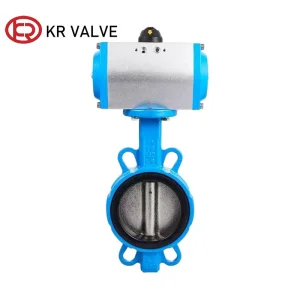
| Actuation & Control | Manual Lever, Gearbox, Pneumatic Double-Acting, Hydraulic Pilot, Electric Actuator | Torque Testing, Air Consumption Test, Cycle Endurance Testing (>10,000 cycles) |
Frequently Asked Questions (Q&A) for Engineers & Buyers
In-depth technical answers addressing sizing, installation, maintenance, and factory customization for release valves and associated flow control equipment.
Additional System Valves & Pipeline Accessories
Complete your pipeline engineering package with our factory-direct strainers, pneumatic knife gate valves, compound release units, and double-eccentric control valves.