
Primary Flow Control & Isolation Valve Assemblies
Explore precision-engineered industrial valves direct from audited manufacturing facilities. Optimized for critical fluid isolation, high temperature, and harsh chemical environments.
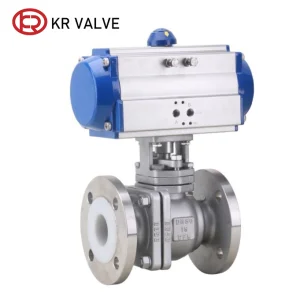
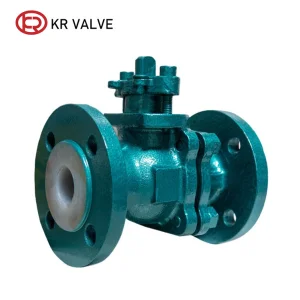
Stainless Steel PTFE Lined Ball Valve Pneumatic Single Acting Actuator DN50-DN300
View Product Specifications
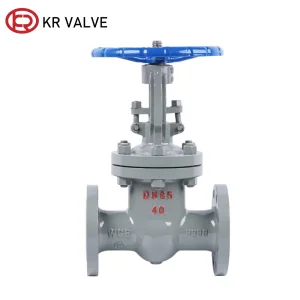
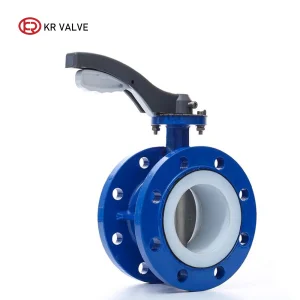
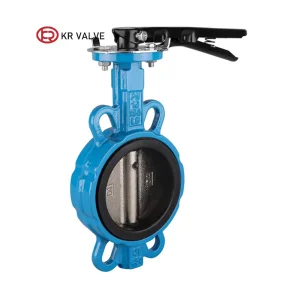
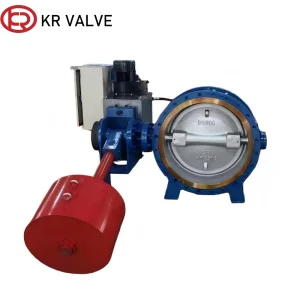
Global Commercial Landscape for Stainless Steel Gate Valves
Analyzing macroeconomic demand, corrosion-resistant alloy adoption, and key industrial growth vectors shaping industrial valve procurement worldwide.
Global Macroeconomic Shift
The global demand for industrial stainless steel gate valves is experiencing a structural surge driven by aggressive investments in clean energy infrastructure, chemical process automation, desalination plants, and pharmaceutical production. Industrial operators are increasingly phasing out traditional carbon steel valves in aggressive media environments to minimize maintenance-induced downtime and eliminate catastrophic line failure risks.
Key procurement regions including North America, Western Europe, the Middle East, and Southeast Asia are standardizing specifications on ASTM A351 grades such as CF8 (304), CF8M (316), and CF3M (316L). Stainless steel’s innate passive chromium-oxide layer provides superior localized pitting resistance in chloride-rich environments.
Critical Application Expansion
Unlike quarter-turn valves that introduce minor pressure drops or turbulent shear stresses, full-bore stainless steel gate valves provide an unobstructed fluid pathway. This makes them indispensable in ultra-pure water (UPW) systems within semiconductor fabs, high-pressure LNG regasification facilities, and slurry transport in hydrometallurgical lithium processing plants.
Factory specifiers now demand stringent compliance with environmental fugitive emission directives such as ISO 15848-1 and API 622, elevating the engineering required from modern valve foundries.
Metallurgical Engineering & Design Principles
Detailed comparative matrix and design insights for engineering leads, EPC project managers, and quality assurance personnel.
Wedge Architecture Dynamics
Solid Wedge: Simple, robust single-piece casting ideal for low-pressure, low-vibration lines. However, it is susceptible to thermal binding when exposed to extreme thermal cycling.
Flexible Wedge: Engineered with a cut around the perimeter, allowing the seating faces to independently flex. This prevents jamming due to thermal expansion and pipeline strain, making it the industry standard for high-temperature steam and processing lines.
Split Wedge / Double Disc: Offers automatic self-adjustment to both seats, ensuring bubble-tight sealing under varying differential pressures and low actuation torque.
Stem Sealing & Stem Types
Rising Stem (OS&Y - Outside Screw and Yoke): Essential for industrial process lines where visual position indication is required. Threaded components reside outside the fluid medium, preventing chemical attack and thread corrosion.
Non-Rising Stem (NRS): Ideal for space-constrained underground pipelines or compact marine engine rooms. Position measurement relies on external mechanical indicators or electronic sensors.
Fugitive Emission Packing: Incorporates die-formed flexible graphite rings bounded by braided carbon anti-extrusion rings to pass API 622 testing under 100 ppm VOC thresholds.
| Material Standard | Equivalent Wrought Grade | Chemical Composition Key Feature | Primary Industrial Application | Pitting Resistance (PREN) |
|---|---|---|---|---|
| ASTM A351 CF8 | AISI 304 Stainless | 18% Cr, 8% Ni (Standard Austenitic) | Potable water, food processing, light organic acids | ~18 - 20 |
| ASTM A351 CF8M | AISI 316 Stainless | 18% Cr, 10% Ni, 2.0-3.0% Mo | Chemical processing, marine environments, mild chlorides | ~23 - 25 |
| ASTM A351 CF3M | AISI 316L Stainless | Low Carbon (C ≤ 0.03%), 2-3% Mo | Welded systems, high-purity pharmaceutical water, nitric acid | ~23 - 25 (High Intergranular Anti-Corrosion) |
| ASTM A890 4A / 5A | Duplex 2205 / Super Duplex | 22-25% Cr, 5-7% Ni, 3-4% Mo, Nitrogen added | Offshore oil & gas, seawater reverse osmosis (SWRO), phosphoric acid | ≥ 34 - 42 (Ultra-High Strength & Anti-Pitting) |
China Manufacturing Efficiency & Strategic Ecosystem
Why Tier-1 Chinese Stainless Steel Gate Valve Factories lead global production volume, lead-time reliability, and cost-to-quality performance ratios.
Advanced Investment Casting (Lost-Wax Process)
Leading Chinese gate valve manufacturers have upgraded from traditional silica-sol sand casting to automated silica-sol investment casting lines. This technology delivers near-net-shape valve bodies with exceptional surface finishes (Ra 3.2 to 6.3 μm), dimensional tolerances conforming to ISO 8062 CT4-CT6, and zero structural porosity. This eliminates casting defects before CNC machining, significantly improving pressure integrity.
Integrated Vertical Supply Chains
Concentrated industrial clusters in regions such as Tianjin, Wenzhou, and Jiangsu provide Chinese factories with an unparalleled competitive edge. From raw alloy melting, pattern making, precision CNC machining, and automated seat stellite hardfacing to hydrostatic shell testing, every node is localized within a tight geographic radius. This structural synergy reduces component lead times by 35% to 50% compared to Western counterparts.
Rigorous Quality Assurance Standards
Modern Chinese exporters operate certified ISO 9001 quality systems backed by international accreditations such as CE-PED 2014/68/EU, API 600 Monogram, and TS Certification. 100% of finished valves undergo rigorous pressure testing per API 598 standard (Shell test at 1.5x PN rating; High-pressure closure test at 1.1x PN rating) prior to export packaging.
Localized Application Scenarios & Engineering Implementations
How specialized stainless steel gate valve designs solve real-world process challenges across challenging industrial environments.
Chemical & Petrochemical Processing
Operating Environment: Handling concentrated nitric acid, organic solvents, aromatic hydrocarbons, and corrosive chemical mixtures under varying temperature profiles.
Valve Solution: CF8M or CF3M solid/flexible wedge gate valves equipped with pure graphite or virgin PTFE stem packings. Flange end connections designed strictly to ANSI B16.5 Class 150/300. The low carbon footprint of CF3M eliminates intergranular chromium carbide precipitation during field welding operations, preserving full corrosion resistance at pipe joints.
Seawater Desalination & Marine Offshore
Operating Environment: SWRO high-pressure pump discharge headers, brine rejection channels, and offshore platform cooling lines exposed to high chloride levels and marine biofouling.
Valve Solution: Duplex Stainless Steel (2205 / ASTM A890 4A) or Super Duplex (2507 / 5A) gate valves engineered with Stellite 6 overlay seating surfaces. High PREN ratings (>35) mitigate severe crevice corrosion under stagnant conditions, extending valve service life up to three times longer than standard 316L valves.
Cryogenic LNG Fluid Management
Operating Environment: Liquefied Natural Gas (LNG) transport networks, storage tanks, and regasification terminals operating at sub-zero cryogenic temperatures down to -196°C.
Valve Solution: Extended bonnet cryogenic stainless steel gate valves (ASTM A351 CF8M). The extended stem length creates a gas column that insulates the stem packing gland from extreme cold, preserving packing elasticity and preventing catastrophic stem leakage.
Global Procurement Audit & Risk Mitigation Framework
A step-by-step verification methodology for international EPC buyers, technical procurement teams, and industrial importers evaluating factory credentials.
1. Raw Material Material Verification (PMI Testing)
Ensure that the factory conducts Positive Material Identification (PMI) using X-ray Fluorescence (XRF) analyzers on 100% of heat casts. Require EN 10204 3.1 Material Test Reports (MTR) detailing chemical analysis (Chromium, Nickel, Molybdenum percentages) and mechanical tensile/yield testing before casting acceptance.
2. NDT & Pressure Test Inspection Audit
For high-pressure ratings (Class 300 / Class 600 / PN40+), verify factory non-destructive testing capabilities, including Radiographic Testing (RT) for critical casting sections, Liquid Penetrant Testing (PT) for seating faces, and Ultrasonic Testing (UT) for stem forgings. Shell and seat hydro-testing must strictly follow API 598 durations.
3. Total Cost of Ownership (TCO) Calculation
Look beyond initial FOB factory unit pricing. Factor in expected valve service life, replacement gland packing availability, freight consolidation, duty rates, and factory warranty commitments. Partnering with verified OEMs offering 18-to-24 month warranty coverage reduces project life-cycle risk.
Emerging Trends in Industrial Gate Valve Manufacturing
How Industry 4.0 digitisation, IoT smart sensing, and low-carbon metallurgical refining are reshaping the wholesale valve supply chain.
Smart Gate Valves & IoT Actuation Integration
Industrial gate valves are evolving from passive mechanical isolation barriers to intelligent process nodes. High-tier wholesale factories are integrating smart electric and electro-hydraulic actuators with built-in position sensors, vibration monitors, and torque-curve diagnostics. These smart valve assemblies transmit real-time operational data via HART, Modbus, or wireless IIoT protocols, enabling predictive maintenance before stem sticking or seat wear causes unplanned downtime.
Additive Manufacturing & Custom Prototyping
Direct Energy Deposition (DED) and Selective Laser Melting (SLM) are transforming how custom valve trim components, non-standard wedge profiles, and special alloy seats are produced. Leading Chinese factories leverage 3D metal printing to produce rapid prototypes and specialized internal components within days, eliminating months of traditional pattern-making delays for low-volume engineering modifications.
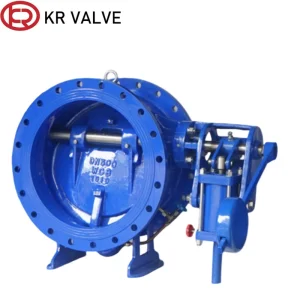
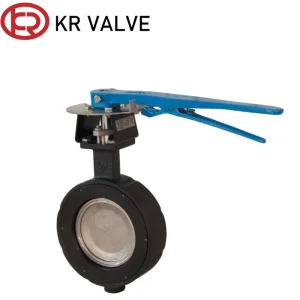
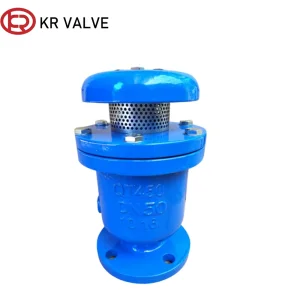
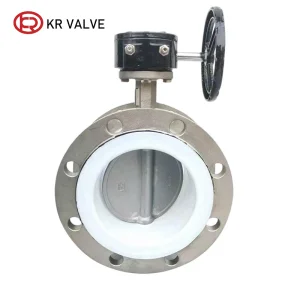
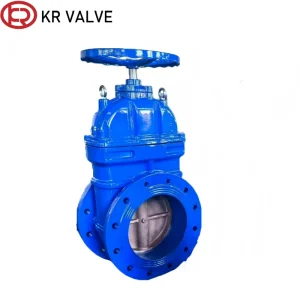
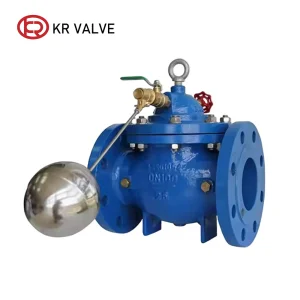
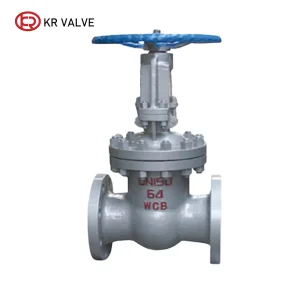
Specialized Valve Assemblies, Check & Hydraulic Control Series
Complete your plant piping requirements with fully certified non-return, slurry handling, high-temperature, and automated flow control valve units.
Frequently Asked Sourcing & Engineering Questions (FAQ)
Clear, semantic answers addressing technical procurement criteria, design standards, and factory quality assurance practices.
CF8 is the cast equivalent of 304 stainless steel, containing 18% Chromium and 8% Nickel, suitable for general water and light industrial service. CF8M is the cast equivalent of 316 stainless steel, adding 2.0-3.0% Molybdenum to enhance resistance against chloride pitting and chemical corrosion. CF3M is the low-carbon version of CF8M (Carbon ≤ 0.03%), which prevents intergranular carbide precipitation during welding, preserving full corrosion resistance in welded piping systems.
API 600 governs heavy-duty steel gate valves with robust wall thicknesses, designed for heavy industrial, refinery, and power generation applications where maximum mechanical durability is required. API 603 applies specifically to corrosion-resistant cast gate valves (typically stainless steel or nickel alloys) with lighter wall thicknesses defined by ASME B16.34, providing a cost-effective, high-corrosion-resistant solution for chemical process plants.
Solid wedges can become mechanically jammed (thermally bound) between valve seats when high-temperature fluids cause the wedge and body to expand at different rates upon cooling. A flexible wedge features a circumferential groove machined into the disc, allowing the seating faces to flex independently under temperature variations and pipeline stress, ensuring reliable opening torque without compromising seal integrity.
For European Union markets, valves must comply with the Pressure Equipment Directive (PED 2014/68/EU) and carry CE marking, along with EN 10204 3.1 material traceability. For US and global petrochemical projects, factories should hold ISO 9001 certification, API Monogram licenses (API 600 / API 6D), and compliance with API 598 pressure testing standards, API 622 fugitive emission packing approval, and NACE MR0175 for sour gas service.
Direct factory sourcing in China provides access to vertically integrated production ecosystems, advanced silica-sol investment casting automated foundries, highly competitive unit costs, and extensive OEM/ODM customization capabilities. Leading Chinese manufacturers deliver short lead times and strict compliance with ANSI, DIN, BS, and JIS standards under internationally audited quality management systems.
Every gate valve undergoes testing according to API 598 or ISO 5208 standards. This includes a hydrostatic shell test performed at 1.5 times the nominal pressure (PN / Class rating) to verify body casting integrity, followed by high-pressure fluid and low-pressure gas seat closure tests performed at 1.1 times nominal pressure to ensure zero leakage across both seating faces.