Featured Industrial & Commercial Valve Solutions
Precision-engineered check valves, gate valves, and strainers certified to ANSI, DIN, and BS standards. Built for continuous chemical exposure and high-pressure hydraulic loops.
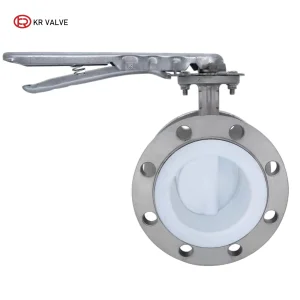
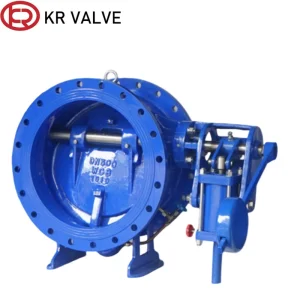
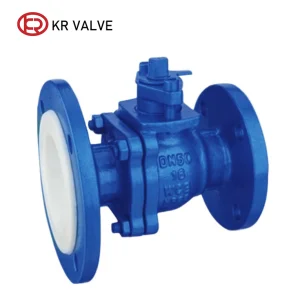
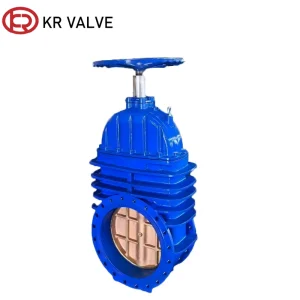
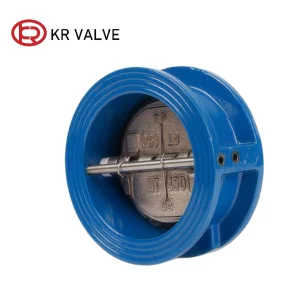
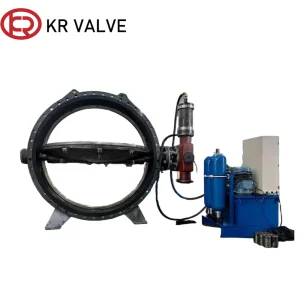
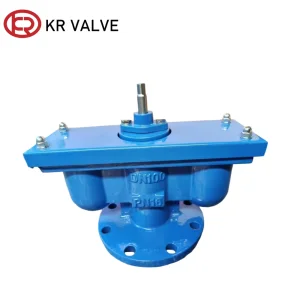
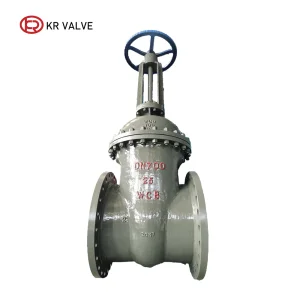
Industry Trends: The Technical Evolution of Swimming Pool Check Valves
The global commercial and residential aquatic industry is undergoing a paradigm shift toward energy-efficient, low-maintenance, and digitally integrated flow control architecture. In modern aquatic facility design, the humble swimming pool check valve is no longer treated as a simple passive backflow preventer; it is a critical dynamic component engineered to preserve pump priming, safeguard filtration infrastructure against destructive water hammer hydraulic transients, and withstand harsh chemical dosing environments.
Historically, pool installations relied heavily on basic gravity-assisted swing check valves made from standard grade PVC. However, high-velocity variable speed pumps (VSPs) and automated filtration loops have exposed the structural limits of legacy designs—most notably chatter-induced elastomeric degradation, high cracking pressure head loss ($\Delta P$), and chemical embrittlement caused by continuous exposure to high-concentration hypochlorous acid, ozone oxidation, and saline chlorination.
Advanced Polymer Fluoropolymers
Transition from standard UPVC to unplasticized CPVC, PVDF, and PTFE-lined bodies capable of withstanding chemical degradation up to 60°C (140°F) and extreme chlorine concentrations without stress cracking.
Ultra-Low Cracking Pressure ($\Delta P$)
Hydrodynamically optimized disc profiles and calibrated Hastelloy-C / SS316 springs yield cracking pressures under 0.5 PSI (0.034 bar), minimizing Net Positive Suction Head required ($NPSHr$) for circulation pumps.
Anti-Water Hammer Dynamics
Spring-assisted non-slam closure mechanisms eliminate shock waves ($P_{\Delta} = \rho c \Delta v$), protecting delicate quartz glass UV sterilizers, salt chlorination cells, and heat exchangers from instantaneous surge pressures.
Hydrodynamic Engineering: Check Valve Architecture Matrix
Selecting the optimal valve geometry requires a rigorous evaluation of flow coefficients ($C_v$), velocity profiles, spatial footprint, and fluid density. B2B procurement managers and mechanical engineers must balance capital expenditure against lifecycle operating costs. Below is a comparative engineering matrix detailing the primary check valve configurations utilized across commercial pool infrastructure.
| Valve Type | Primary Body Material | Seat & Seal Compound | Flow Coefficient ($C_v$) | Anti-Water Hammer | Ideal Application Scenario |
|---|---|---|---|---|---|
| Spring-Loaded Flap Check | CPVC / UPVC / Clear Acrylic | EPDM / FKM (Viton) | Moderate ($C_v = 45-85$) | High (Non-Slam Spring) | Saltwater Chlorinators & Solar Heating Loops |
| Dual Plate Wafer Check | Ductile Iron / CF8 (SS304) / WCB | PTFE / Resilient EPDM | Very High ($C_v = 110-320$) | Excellent (Torsion Spring) | Commercial Resort Pumps & High-GPM Main Lines |
| Ball Type Non-Return Valve | Ductile Iron / Polypropylene | NBR / Vulcanized EPDM Ball | High ($C_v = 90-210$) | Medium (Gravity & Flow) | Pool Backwash Filtration & Wastewater Lines |
| Inclined Disc Slow Closing | WCB Cast Steel / SS316 | Bronze to Metal / Hardened SS | Maximum ($C_v = 250-850$) | Maximum (Hydraulic Buffer) | Municipal Water Parks & High-Rise Rooftop Surge Tanks |
Material Compatibility: Elastomers in Chlorinated Environments
The lifetime of a pool check valve is dictated by the chemical resilience of its seal interface. Continuous exposure to active free chlorine ($HOCl$ and $OCl^-$), cyanuric acid stabilizers, and combined chloramines causes polymer degradation, hard-set compression, and eventual seal blowouts:
- EPDM (Ethylene Propylene Diene Monomer): Exceptional resistance to water, ozone, and moderate chlorine concentrations (up to 5 ppm). Excellent compression set recovery, making it the standard seal for municipal and residential fresh water pools.
- FKM / Viton (Fluorocarbon Elastomer): Required for high-salinity pools, salt chlorinator discharge lines, and commercial systems utilizing ozone oxidation or chlorine dioxide dosing where chlorine levels fluctuate up to 20+ ppm.
- PTFE (Polytetrafluoroethylene): Chemically inert across the entire 0-14 pH spectrum. Essential for full-body lining in heavy-duty industrial butterfly and ball check valves subjected to aggressive chemical backwash reagents.
China Industry 4.0: Modern Manufacturing Precision & OEM Supply Chain Agility
As a global hub for valve engineering, China's valve manufacturing landscape has evolved from labor-intensive foundry operations into highly automated, digital-twin-enabled Smart Factories. Top-tier Chinese valve manufacturers integrate multi-axis CNC machining centers, automated robotic injection molding, and computerized coordinate measuring machines (CMM) to deliver zero-defect quality at unmatched scale.
100% Hydrostatic & Air Shell Testing
Every check valve undergoes rigorous pressure testing conforming to ISO 5208 and API 598 standards. Shell testing is executed at 1.5x nominal rating (e.g., 24 bar for PN16) and seat tightness testing at 1.1x nominal pressure to ensure zero seat leakage.
End-to-End Material Traceability
Spectrometric alloy verification (XRF Analysis) for stainless steel (CF8/CF8M) and ductile iron (GGG40/GGG50) castings, combined with melt flow index testing for virgin polymers, guarantees full compliance with project specifications.
OEM/ODM Private Labeling & Customization
Complete engineering support for private labeling, customized face-to-face dimensions (DIN F5, ANSI B16.10, BS5163), special flange drilling (PN10/16, Class 150), and bespoke spring tension adjustments.
Localized Application Scenarios: Engineering Field Integration
Practical application demands that check valves be selected not just by pipe diameter, but according to specific hydraulic dynamic scenarios within the broader filtration loop:
Saltwater Chlorination Isolation
Scenario: Electrolytic salt chlorine generators produce concentrated chlorine gas when pump flow stops. Back-siphonage into heat exchangers or heaters causes copper tube pinhole corrosion.
Solution: Install a spring-loaded CPVC/Viton check valve immediately downstream of the heater and upstream of the chlorinator cell.
Solar Collector Rooftop Loops
Scenario: Solar heating panels mounted on facility roofs create substantial static head pressure (up to 3-4 bar). When pumps shut off, gravity drain-down can collapse pipe fittings via negative pressure vacuum.
Solution: Pair a high-seal spring check valve with an automatic double-port air evacuation valve at the system's apex.
Commercial Surge Tank Backflow
Scenario: In infinity pools and municipal splash pads, circulation pumps draw from below-grade surge tanks. Loss of prime causes massive pump cavitation and system downtime.
Solution: Deploy heavy-duty Dual Plate Wafer or Ball Check Valves on pump suction lines to preserve 100% prime retention.
Frequently Asked Questions: B2B Engineering & Procurement
Expert answers to technical procurement questions regarding valve selection, flow calculation, compliance standards, and factory direct sourcing.
Complete Flow Control & Valve Portfolio
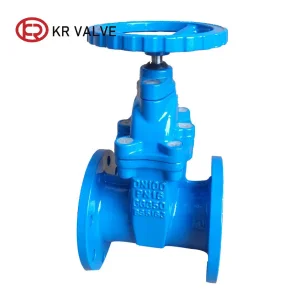
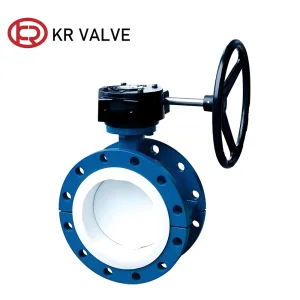
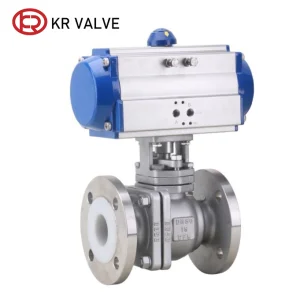
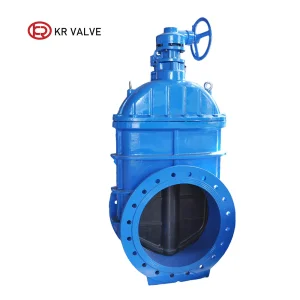
Explore our factory-direct industrial catalog, including pneumatic ball valves, soft-seated gate valves, and high-durability PTFE lined butterfly valves.