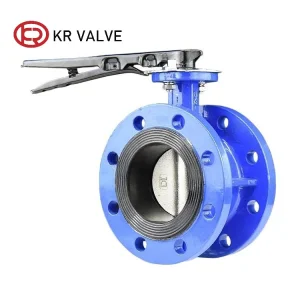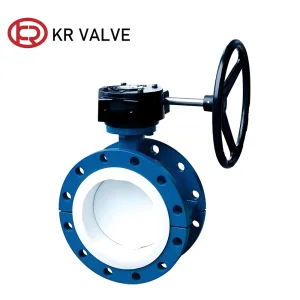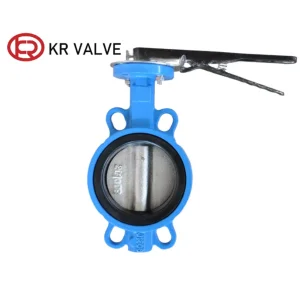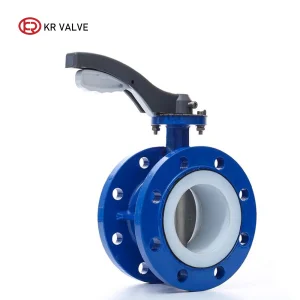
Featured Industrial Flow Control & Valve Solutions
Explore our premium engineered valves certified to international standards (ANSI, BS, DIN, ISO). Manufactured for critical pressure containment and leak-free reliability.
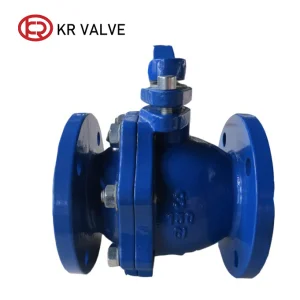
Custom Threaded Ball Valves: Engineering & Procurement Architecture
Defining High-Performance Threaded Ball Valve Systems
In modern industrial fluid transport and isolation networks, the selection of customized threaded ball valves represents a critical decision point for piping engineers, EPC contractors, and OEM equipment fabricators. Threaded ball valves—utilizing NPT (National Pipe Taper), BSPP (British Standard Pipe Parallel), or BSPT (British Standard Pipe Taper) connection profiles—serve as fundamental quarter-turn flow control devices designed to provide bubble-tight shut-off, low pressure drops, and high mechanical reliability across compact footprint installations.
Unlike flanged or welded connections, threaded valves allow for rapid installation, streamlined space utilization, and easy disassembly within skid-mounted systems, chemical processing loops, hydraulic power units (HPUs), and high-pressure gas distribution networks. Customization in body geometry, metallurgical compositions, seating polymers, and stem packing arrangements allows global OEMs to solve complex corrosion, temperature, and fugitive emission challenges.
Global Industrial Dynamics & Standardization Trends
The worldwide industrial valve market is experiencing a profound transition toward specialized, application-driven engineering. Demand is surging for custom threaded ball valves rated from 1000 WOG (Water, Oil, Gas) up to 6000 PSI high-pressure duties. Driven by tight emission limits (such as ISO 15848-1 and API 641 fugitive emission standards) and demanding hydraulic environments, manufacturers are required to deliver zero-leakage performance under extreme thermal cycling.
Engineers must carefully navigate international thread standardization. Misalignment between male and female thread profiles can compromise system pressure containment. Understanding the mechanical differences between tapered sealing threads and parallel threads with bonded elastomeric washers is critical when sourcing valves internationally.
| Thread Standard | Profile Geometry | Sealing Mechanism | Primary Regional Usage | Typical Pressure Ratings |
|---|---|---|---|---|
| NPT (ANSI/ASME B1.20.1) | Tapered 1:16, 60° thread angle | Metal-to-metal flank interference + sealant tape/compound | North America, Saudi Arabia, Global Skids | Up to 6,000 PSI (Class 2500) |
| BSPP (ISO 228-1) | Parallel/Straight, 55° thread angle | Bonded seal washer, O-ring, or captive sealing face | Europe, Asia-Pacific, UK | 1,000 WOG to PN40 / PN63 |
| BSPT (ISO 7-1 / EN 10226-1) | Tapered 1:16, 55° thread angle | Thread flank engagement with PTFE paste/tape | Europe, Commonwealth Nations, Japan | Standard to medium pressure (PN16-PN100) |
| SAE Straight Thread (ORB) | Straight UN/UNF thread | FKM/NBR O-ring sealing in counterbore cavity | Global Mobile & Industrial Hydraulics | 3,000 PSI to 5,000 PSI |
Metallurgical Selection, Polymer Physics & Sealing Integrity
Body Alloys & Metallurgical Integrity
Custom threaded ball valves must withstand structural line stresses, thermal shock, and aggressive fluids. Sourcing high-grade castings or forged billets is essential:
- CF8M / SS316: Superior molybdenum-enhanced corrosion resistance for marine, chemical, and offshore duties.
- CF8 / SS304: Standard industrial grade for municipal water, HVAC hydronic lines, and inert gases.
- WCB (Cast Carbon Steel): High tensile strength material ideal for high-pressure hydraulic oils and non-corrosive hydrocarbons.
- Duplex 2205 / Super Duplex 2507: High yield strength combined with resistance to chloride pitting and stress corrosion cracking.
Advanced Polymer Sealing Technology
The heart of a ball valve's sealing performance lies in its seat compound science. Matching polymer chemistry to process media prevents seat deformation and leakage:
- Virgin PTFE: Excellent chemical inertness; suitable for clean utilities up to 180°C.
- RPTFE (15% Glass Filled): Enhanced wear resistance and higher pressure-temperature envelope (up to 220°C).
- Carbon-Filled PTFE: Low friction coefficient with anti-static characteristics; ideal for steam and thermal fluids.
- PEEK / Devlon: Ultra-hard polymers engineered for high-pressure 3000-6000 PSI service and abrasive slurries.
Precision Thread Milling & Tolerances
Thread quality directly governs joint structural integrity and leak prevention. Advanced CNC threading centers maintain tight pitch tolerances:
- Zero-Galling Thread Flanks: Controlled surface roughness ($Ra \le 1.6\mu m$) to prevent galling during field installation.
- Gaging Verification: 100% thread inspection using hardened L1 and L2 ring/plug gages to verify effective thread length.
- Blow-Out Proof Stem Engineering: Internally inserted stem architecture ensuring safety against accidental stem ejection under pressure.
Torque Dynamics & Cavity Pressure Relief Engineering
A major technical consideration in custom ball valve design is operating torque optimization. High operating torque places strain on automated electric or pneumatic actuators. Manufacturers utilize spherical grinding techniques ($Ra \le 0.4\mu m$) and micro-polished floating balls to minimize Breakaway Torque while maintaining uniform seat contact stress.
Furthermore, in liquid services prone to thermal expansion (such as liquid chlorine, ammonia, or cryogenic fluids), trapped liquid within the valve body cavity can evaporate and cause dangerous over-pressurization. Custom engineered ball valves incorporate cavity pressure relief mechanisms—such as pressure-equalizing holes drilled into the upstream side of the ball—to automatically vent excess cavity pressure back into the pipeline, preventing seat extrusion and body deformation.
Bespoke OEM/ODM Valve Configuration Architecture
1. Structural Body Configurations
Different industrial layouts demand specific structural body designs to balance cost, weight, structural stiffness, and maintenance access:
- 1-Piece Reduced Port (Compact): Unibody construction eliminating external body leak paths. Ideal for tight space instrumentation skids where maximum flow velocity is not critical.
- 2-Piece Full Port (Standard Industrial): Split-body design providing full bore fluid flow equal to pipe internal diameter, minimizing head loss and turbulence.
- 3-Piece Swing-Out Design (Maintenance Friendly): Allows easy inline servicing, seat replacement, and cleaning without removing thread end-caps from the piping network. Essential for hygienic and chemical processing installations.
2. Actuation, Handles & Interface Options
Customization extends beyond basic manual operation to support modern automated process control:
- ISO 5211 Direct Mounting Pad: Integrated high-platform mounting pad allowing direct coupling of pneumatic or electric actuators without external brackets or couplings.
- Lockable Lever Handles & Oval Handles: Heavy-duty stainless steel handles with spring-loaded locking latches to prevent unauthorized operation or vibration-induced movement.
- Extended Stem Extensions: Extended stem designs (50mm to 200mm) engineered to clear thick thermal insulation jackets on hot steam or cryogenic pipelines.
Specialized Hybrid Thread & Connection Customization
Global equipment manufacturers often face challenges when interfacing metric component skids with imperial piping networks. Custom valve manufacturers solve this through hybrid thread end machining. Options include Male NPT x Female BSPP, NPT x Hose Barb integrations, or integral compression fitting ends machined directly into the valve body. This eliminates intermediate adapter fittings, reducing overall joint count, potential leak paths, and assembly labor.
China Valve Manufacturing Hubs: Vertical Integration & Scalability
Industrial Aggregation: Tianjin & Zhejiang Valve Hubs
China's valve manufacturing industry—centered around key industrial clusters such as Tianjin and Zhejiang Province—offers unprecedented supply chain integration. These regions house end-to-end ecosystems comprising precision investment casting foundries, multi-axis CNC machining centers, automated polymer molding plants, and advanced NDT (Non-Destructive Testing) testing laboratories within a tight geographic radius.
This industrial density enables valve suppliers to source high-grade raw materials (including certified SS316, WCB, and specialized alloys) with minimal lead times. By leveraging lost-wax investment casting, factories achieve near-net-shape valve bodies with exceptional dimensional accuracy, reduced raw material waste, and flawless visual surface finish.
Quality Control, Automation & Scale Efficiency
Modern Chinese valve factories combine high production capacity with strict international quality systems. Advanced automated CNC thread lathes execute high-precision thread cutting with real-time tool wear monitoring, guaranteeing identical thread geometry across multi-thousand-unit production runs.
Vertical integration allows manufacturers to maintain complete control over every step of production—from spectrographic raw material analysis to final 100% hydrostatic testing (API 598). Buyers benefit from rapid prototyping cycles (custom samples within 7-14 days), low unit costs, and scalable mass production capability capable of fulfilling global infrastructure project requirements.
Localized Engineering Application Scenarios
1. High-Pressure Hydraulic Control Skids
Environment: Mobile construction equipment, hydraulic power units (HPUs), and automated clamping systems operating at 3000 to 6000 PSI.
Solution: Forged carbon steel (A105) or high-tensile 316SS 2-piece body ball valves with NPT or SAE straight threads. Outfitted with hard PEEK or Devlon seats to withstand pressure surges and oil contamination.
2. Chemical Dosing & Corrosive Fluid Transfer
Environment: Chemical processing lines, fertilizer blending units, and chlorination skids conveying aggressive acids or alkalis.
Solution: Full CF8M / SS316 or Hastelloy C276 3-piece swing-out threaded valves equipped with Virgin PTFE or TFM 1600 seals. Features high chemical resistance and easy inline maintenance capability.
3. HVAC, Steam & Commercial Hydronics
Environment: District heating networks, cooling towers, and low-pressure saturated steam lines up to 150 PSI.
Solution: Stainless steel or ductile iron 2-piece threaded ball valves utilizing Carbon-Filled PTFE seats and high-temperature stem packing. Provides reliable shut-off under continuous thermal cycling.
4. Oil & Gas Sampling & Fuel Distribution Lines
Environment: Natural gas metering stations, burner fuel feed lines, and refinery oil sampling loops demanding fire-safe compliance.
Solution: API 607 certified fire-safe threaded ball valves featuring secondary metal-to-metal seating, anti-static stem grounding devices, and leak-tight NPT threads certified to API 6D.
5. Food, Beverage & Clean Utility Piping
Environment: Purified water (PW), CIP (Clean-in-Place) cleaning loops, and food ingredient transfer skids.
Solution: Electropolished SS316L 3-piece ball valves with FDA-compliant PTFE seats, cavity-filled body inserts preventing media stagnation, and hygienic BSPP thread ends.
Technological Roadmap & Industry Trends
Smart IoT Valve Integration
The push toward Industry 4.0 is driving the development of smart threaded ball valves equipped with low-power wireless micro-sensors. Embedded within the valve bonnet, these sensors monitor real-time stem torque variations, pressure drops, internal fluid temperature, and thermal cycles—enabling predictive maintenance before seal failure occurs.
Hydrogen Economy Readiness
As green hydrogen production expands globally, custom valve manufacturers are advancing cryogenic and ultra-high-pressure gaseous hydrogen thread tightness. Hydrogen molecules easily escape through micro-imperfections. Future thread designs combine tapered NPT threads with specialized elastomeric primary seals to satisfy ISO 15848-1 Class AH fugitive emission tightness.
Advanced Surface Coatings
To completely prevent thread galling under repeat field torque cycles—especially in stainless steel and duplex alloy connections—manufacturers are implementing DLC (Diamond-Like Carbon) and ENP (Electroless Nickel Plating) on thread flanks and ball surfaces. These surface treatments significantly lower friction and extend operational lifespan.
Regulatory Standards, Quality Protocols & Support
Rigorous Factory Acceptance Testing (FAT)
Top-tier Chinese valve manufacturers operate strictly in compliance with international Quality Management Systems certified to ISO 9001:2015. Every production lot undergoes rigorous inspection protocols prior to export packaging:
- Material Verification: Positive Material Identification (PMI) using handheld XRF spectrometers to guarantee exact metallurgical composition (SS316, WCB, Duplex).
- Hydrostatic Shell Testing: Executed at 1.5 times the nominal cold working pressure rating (e.g., testing a 1000 WOG valve at 1500 PSI) according to API 598 or EN 12266-1.
- Pneumatic Seat Leakage Test: Air pressure testing at 80-100 PSI under water to verify zero-bubble seat tightness (ISO 5208 Rate A).
- Material Traceability: Mill Test Certificates (MTC) issued strictly to EN 10204 3.1 standard.
International Certification Matrix
To ensure frictionless global deployment, custom threaded ball valves are engineered to comply with major regional safety and regulatory frameworks:
- CE-PED (Pressure Equipment Directive 2014/68/EU): Mandatory certification for valves exported to the European Economic Area operating above 0.5 bar.
- API 607 / ISO 10497: Fire Test for Soft-Seated Quarter-Turn Valves, ensuring secondary seal tightness during factory fires.
- ATEX Directive 2014/34/EU: Certification for equipment intended for use in potentially explosive atmospheres (chemical plants, gas skids).
- SIL 3 Safety Integrity Level: Functional safety certification for valves integrated into automated Emergency Shutdown Systems (ESD).
Frequently Asked Questions (FAQ) for Valve Buyers
Complementary Industrial Valves & Pipeline Accessories
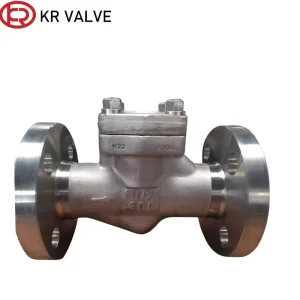
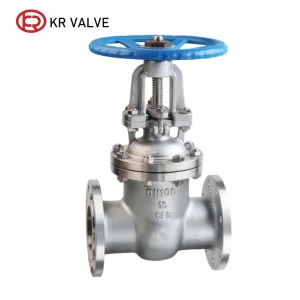
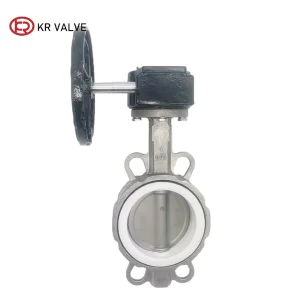
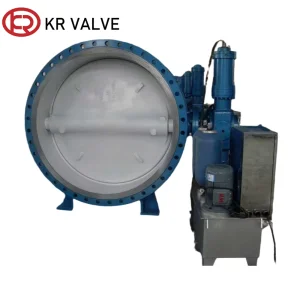
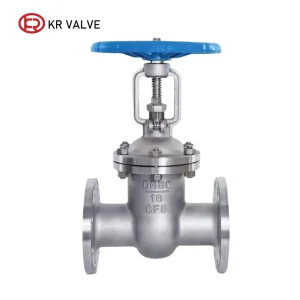
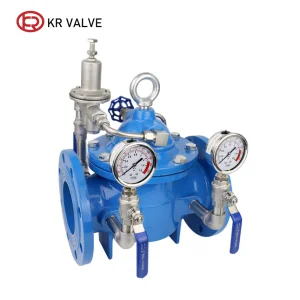
Complete your flow control system with our complementary line of butterfly, check, gate, and specialized relief valves.