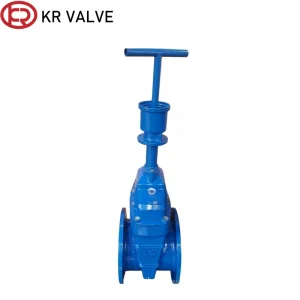
Featured Custom Valve Discs & Flow Control Products
Engineered to international standards including DIN, BS, ANSI, and ISO specifications
-
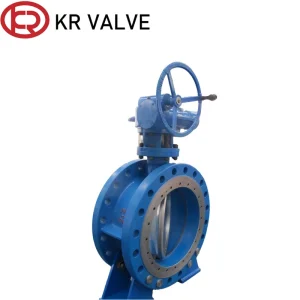
Custom Big size WCB triple offset high performance flange butterfly valve Supplier, Manufacturer
-
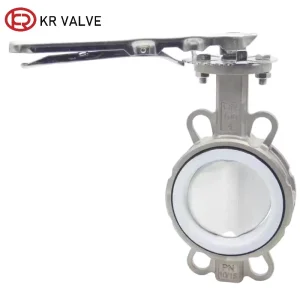
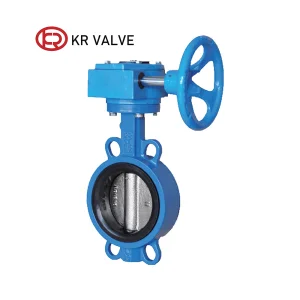
OEM Wafer butterfly valve PTFE lined seat and SS body Supplier, Suppliers
-
-
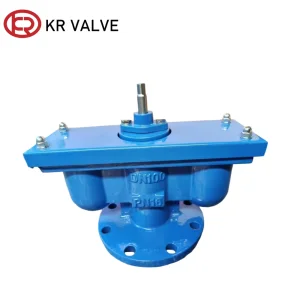
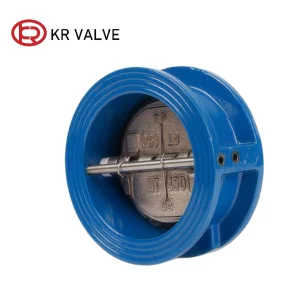
Wholesale Double port air evacuation valve automatic release air Manufacturer, Factory
-
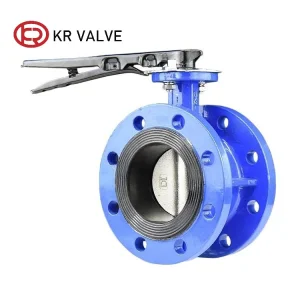
Custom Double Flange Butterfly Valve EPDM Seat Manufacturers, Manufacturer
-
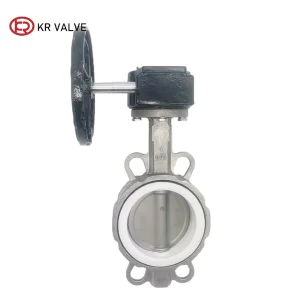
OEM Stainless steel body PTFE seat wafer butterfly valve Supplier, Suppliers
-
-
1. Executive Whitepaper: Precision Custom Butterfly Valve Disc Engineering
In modern process industries, municipal infrastructure, power generation, and offshore marine operations, the valve disc serves as the ultimate mechanical dynamic barrier against line pressure, erosive slurry, ultra-pure water, or aggressive chemicals. As an industry-leading Custom Butterfly Valve Disc Manufacturer & Factory, our facility integrates metallurgical science, 3D Computational Fluid Dynamics (CFD), specialized casting foundries, and multi-axis CNC machining to engineer valve discs tailored for zero-leakage, prolonged wear resistance, and minimal pressure drop.
The butterfly valve disc is not merely a flat obstruction plate; it is a sophisticated fluid dynamic throttle. Its geometric outline—whether concentric, double-eccentric (high performance), or triple-eccentric (TOBV)—dictates the dynamic operating torque ($T_d$), cavitation index ($\sigma$), flow coefficient ($C_v$ or $K_v$), and sealing integrity over tens of thousands of cycles.
Core Hydraulic Equation for Custom Disc Torque Calculation
The total dynamic torque required to actuate a butterfly valve disc under hydro-dynamic load is expressed as:
T_total = T_seat + T_hydro + T_bearing = (C_s \cdot \Delta P \cdot D^3) + (C_t \cdot \rho \cdot V^2 \cdot D^3) + (\frac{1}{2} \mu \cdot \Delta P \cdot A_{disc} \cdot d_{shaft})
Customizing disc blade thickness, edge hydrofoil profiles, and offset distances directly reduces hydrodynamic torque coefficients ($C_t$), enabling plant engineers to downsize actuators by up to 25%, drastically reducing total system capital cost.
2. Global Industrial Procurement Demand & Market Intent Analysis
Global procurement metrics for flow control components indicate a decisive shift away from standardized off-the-shelf commodities toward custom-engineered OEM discs. Engineering, Procurement, and Construction (EPC) contractors and original equipment manufacturers face increasingly extreme process conditions, requiring customized metallurgical formulations and specialized elastomer/fluoropolymer vulcanization.
Desalination & Marine Industry
High-salinity, high-pressure seawater environments demand custom valve discs cast in Nickel-Aluminum Bronze (C95800/C95500), Duplex 2205, or Super Duplex 2507 to withstand severe pitting corrosion and high shear velocity erosion.
Chemical & Pharmaceutical Lines
Corrosive acids, solvents, and high-purity media necessitate full PFA or PTFE encapsulation over high-tensile ductile iron or stainless steel structural cores, preventing trace metal contamination.
District Energy & Cryogenics
Thermal cycling between -196°C (LNG applications) and +550°C (superheated steam) requires triple-offset stellite-overlaid metal discs with flexible laminated seal rings (SS316L + Graphite).
| Procurement Parameter | Standard Off-the-Shelf Discs | Custom OEM Factory Discs | Engineering Benefit |
|---|---|---|---|
| Hydraulic Profile | Generic symmetrical thickness | CFD-optimized hydrofoil contouring | +18% Flow Capacity (Cv) |
| Metallurgy Options | Standard Ductile Iron / SS304 | Hastelloy, Monel, Duplex 2507, Titanium | 10x Corrosive Lifespan |
| Sealing Interface | Uniform standard tolerance | Lapped micro-elliptical contact geometry | Zero Leakage (API 598) |
| Shaft Connection | Standard single square / keyway | Splined, double-key, or integral dual-stem | High Dynamic Torque Load |
3. Macro Industry Solutions & Custom Structural Configurations
Custom butterfly valve disc design depends on the spatial kinematic trajectory during opening and closing strokes. As a dedicated OEM/ODM manufacturer, we produce four primary technological classes of discs:
1. Concentric Resilient/PTFE Lined Discs
Utilized primarily in municipal water networks, HVAC systems, and sanitary processing. The stem axis passes directly through the center of the disc blade and valve body bore. Discs feature polished spherical seating edges to avoid rubber tearing, or complete PFA/PTFE encapsulation via precision transfer molding.
2. Double-Eccentric (High-Performance) Discs
Engineered with two offsets: Offset 1 moves the shaft center behind the seating plane; Offset 2 moves the shaft center off the pipe centerline. This geometry causes the disc to lift off the elastomeric or fluoropolymer seat within 10 degrees of rotation, virtually eliminating seat friction and extending seat life.
3. Triple-Eccentric (TOBV) Metallic Discs
Features a third offset: an inclined conical sealing axis. The disc profile is cut from an elliptical cone, enabling frictionless cam-action seating. Sealing elements consist of solid metal-to-metal (Stellite hard-facing) or laminated metal/graphite rings capable of bidirectional bi-directional tight shutoff in severe services.
4. Anti-Cavitation & Low-Noise Specialty Discs
Custom engineered with drilled flow-attenuation trim plates or dished aerodynamic vanes. These custom profiles reduce vortex shedding, lower noise levels by up to 15 dBA, and control localized pressure drops to prevent fluid cavitation damage to downstream piping.
4. Technical Roadmap, Metallurgy & Advanced Manufacturing Process
Achieving structural longevity under cyclic pressure loads requires rigorous quality control across every stage of disc production—from pattern engineering and foundry pour to finish grinding and dynamic balancing.
A. Comprehensive Metallurgical Matrix
Our factory supports a diverse spectrum of alloys tailored for chemical compatibility, tensile strength, and thermal resilience:
- Ductile Iron (GGG40 / GGG50 / ASTM A536): High tensile strength with excellent vibration damping. Used for general municipal water, HVAC, and resilient seat bodies. Often coated with fusion-bonded epoxy (FBE) or lined with vulcanized EPDM/NBR.
- Cast Carbon Steel (WCB / WCC / LCC): Preferred for industrial oil, gas, and steam utilities requiring high pressure containment and impact resistance at lower ambient temperatures.
- Austenitic Stainless Steels (CF8 / CF8M / CF3M / 304 / 316L): Standard choice for corrosive fluids, food-grade sanitary systems, and moderate chemical handling. Offers excellent passivation properties.
- Duplex & Super Duplex Steels (2205 / 2507 / UNS S32750): High pitting resistance equivalent number ($PREN > 40$). Critical for reverse osmosis desalination, marine scrubber units, and brackish water piping.
- Nickel Alloys (Hastelloy C276, Monel 400, Inconel 625): Exceptionally resistant to wet chlorine gas, hydrofluoric acid, and hot severe oxidizing environments.
- Copper Alloys (Aluminium Bronze C95800 / C95400): Premier material for offshore oil extraction platforms, seawater cooling loops, and subsea isolation valves.
B. Precision Manufacturing & Quality Assurance Roadmap
MAGMA Simulation & Casting
Pattern design validated using MAGMA thermal flow simulation software to eliminate internal porosity, shrink holes, and inclusions prior to foundry pouring.
5-Axis CNC Machining
Multi-axis CNC turning and milling centers machine the complex elliptical geometries and stem keyways with sub-micron tolerances (IT6 precision grade).
Surface Hardfacing & Coating
High-Velocity Oxygen-Fuel (HVOF) thermal spraying applies Stellite 6, Chromium Carbide, or Electroless Nickel Plating (ENP) to protect sealing surfaces against micro-abrasion.
CMM & NDT Inspection
Coordinate Measuring Machines (CMM) verify 3D elliptical profile contours, complemented by Radiographic (RT), Ultrasonic (UT), and Dye Penetrant (PT) testing.
5. Global Commercial Ecosystem & Total Cost of Ownership (TCO)
For plant operators and procurement officers, the initial purchasing cost of a valve disc represents less than 15% of its overall lifecycle impact. Component failure leads to unplanned shutdowns, costly media loss, environmental penalties, and labor-intensive inline replacements.
TCO Reduction Analysis: Custom vs. Generic Discs
By engineering custom valve discs with optimized hydrofoil cross-sections and application-specific metallurgy, plants achieve:
- 300% Increase in Operational Cycle Life: Eliminating edge erosion and seat friction wear.
- 20-25% Reduction in Actuator Sizing: Lowering hydrodynamic torque coefficients translates to smaller electric/pneumatic actuator requirements.
- Zero Unplanned Shutdowns: Elimination of elastomeric bonding failure via Chemlok chemical vulcanization technology.
Key Industrial Application Realities
- Municipal Water & Sewage Treatment: Requires large-diameter (DN1200+) ductile iron discs with non-toxic, drinking water-approved EPDM linings (WRAS/NSF 61 certified).
- Petrochemical & Sour Gas Pipelines: Demands strict compliance with NACE MR0175/ISO 15156 standards to prevent sulfide stress cracking in high $H_2S$ concentrations.
- Slurry & Mining Tailings: Utilizes high-chromium white iron or polyurethane-overlaid discs designed to resist severe particle impact.
6. Regulatory Compliance, Standards & Global Localized Support
Our OEM manufacturing facility operates under audited quality management frameworks to ensure seamless integration into international projects. Every custom disc leaves our factory backed by full material traceability and compliance certification.
International Valve Standards
Designs strictly conform to global face-to-face, flange drilling, and structural testing standards:
- API 609: Butterfly Valves: Double-Flanged, Lug- and Wafer-Type
- AWWA C504 / C519: Rubber-Seated Butterfly Valves for Waterworks
- EN 593 / ISO 5752: European Industrial Butterfly Valve Specifications
- ASME B16.34: Valves - Flanged, Threaded, and Welding End
Material & Quality Certifications
Full documentation provided with every shipment:
- EN 10204 3.1 / 3.2: Mill Test Certificates with chemical heat analysis & mechanical testing
- ISO 9001 & ISO 14001: Quality & Environmental Management Systems
- WRAS / NSF 61 / DVGW: Safe drinking water compliance approvals
- PED 2014/68/EU & CE Marking: Pressure Equipment Directive compliance for Europe
7. Deep Technical Q&A: Engineering & Procurement FAQ
Clear engineering answers to complex procurement and design queries:
A thick, un-contoured disc creates severe flow separation at high opening angles, generating low-pressure eddies behind the disc blade. If local static pressure drops below the fluid's vapor pressure ($P_v$), vapor bubbles form and collapse violently (cavitation), eroding the disc and downstream pipe wall. Custom CFD-designed hydrofoil discs maintain streamline fluid flow, increasing the localized cavitation index ($\sigma$) and raising $C_v$ by 15% to 22%.
Seawater contains high chloride concentrations (19,000+ mg/L), leading to severe pitting and crevice corrosion in standard stainless steels like 304 or 316. We recommend Nickel-Aluminum Bronze (ASTM B148 C95800) for low-to-medium pressure lines due to its biofouling resistance, or Super Duplex Stainless Steel (2507 / UNS S32750) with a PREN > 42 for high-pressure Reverse Osmosis (SWRO) energy recovery lines.
Triple offset design incorporates three distinct angular geometries. The third offset is an inclined cone-axis geometric shape machined into the sealing edge. Instead of rubbing against the body seat throughout its 90-degree stroke (like a concentric valve), the TOBV disc functions as a cam. It makes contact with the seal seat only at the final point of complete closure (0 degrees), completely eliminating sliding friction and seat wear.
For fluoropolymer- or elastomeric-encapsulated discs, lining delamination under vacuum or high shear velocity is a primary failure mode. Our factory conducts 100% Spark Spark/Spark Testing (10kV to 25kV non-destructive high voltage) to ensure micro-pinhole integrity, combined with 90-degree Peel Strength Adhesion Testing (conforming to ASTM D429 standards) using specialized vulcanizing bonding primers (Chemlok).
Forged material eliminates all possibilities of internal gas porosity, micro-shrinkage inclusions, or pinhole defects that can occur in sand or investment castings. In high-pressure combustible gas service (ANSI Class 300/600), forged steel discs provide superior mechanical grain structure alignment, higher yield strength, and higher fatigue resistance under rapid dynamic pressure pulsations.
Our turnkey OEM workflow ranges from 2 to 4 weeks depending on complexity. Initial 3D CAD modeling and MAGMA casting simulation take 3-5 days. Pattern making and prototype foundry casting require 7-10 days, followed by 5-axis CNC machining, coating/vulcanization, and CMM inspection (3-5 days). Rapid prototyping options are available for urgent refinery breakdown maintenance.
Partner with a Leading Custom Butterfly Valve Disc Factory
Whether you require custom CAD design, specialized corrosion-resistant alloys, high-temperature hard-facing, or high-volume OEM production, our engineering team is ready to deliver precision flow control components tailored to your exact specifications.
Request Technical Consultation & QuotationComplete Flow Control & Valve Portfolio
Explore our full range of manufactured gate, check, strainers, and specialized industrial valves
-
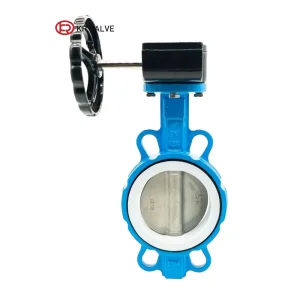
Custom Wafer bf valve PTFE seat gear box operation Suppliers, Factory
-
-
-
-
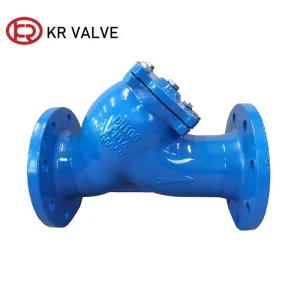
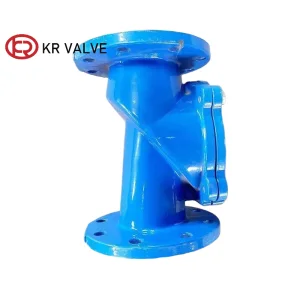
Custom Cast iron GG25 strainer type y flanged connection Suppliers, Manufacturer
-
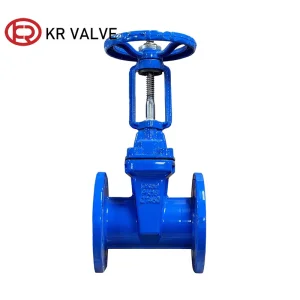
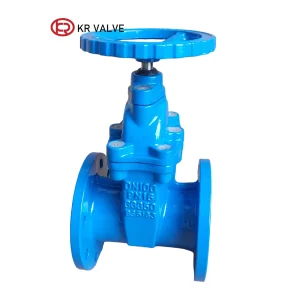
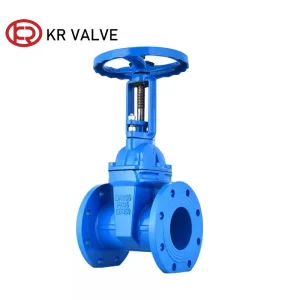
OEM Rising stem gate valve ductile iron body and EPDM Seat Suppliers, Manufacturer
-
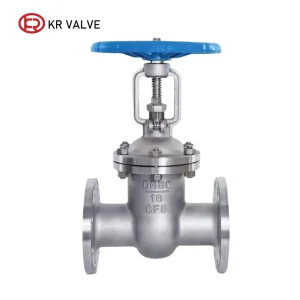
Wholesale Stainless steel SS flange gate valve rising stem type Suppliers, Manufacturers
-