
Precision Flow Control & Non-Return Assemblies
Engineered for extreme pressure resilience, zero backflow leakage, and customized OEM specifications across global industrial pipelines.
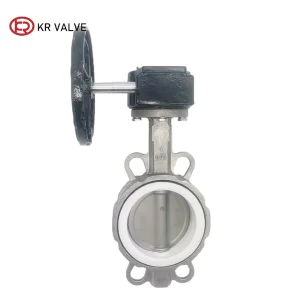
OEM Stainless Steel Body PTFE Seat Wafer Butterfly Valve
Explore Specifications →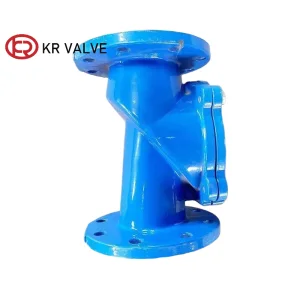
Flange Rubber Disc Soft Seal Swing Check Valve H44X (DN40-DN300)
Explore Specifications →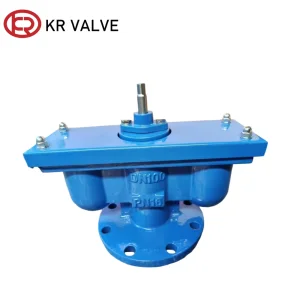
Custom Double Port Automatic Air Evacuation & Release Valve
Explore Specifications →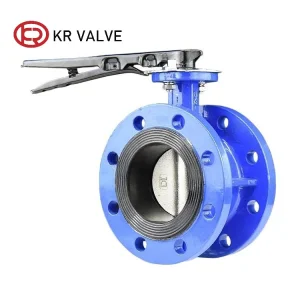
Custom Double Flange Heavy-Duty Butterfly Valve EPDM Seat
Explore Specifications →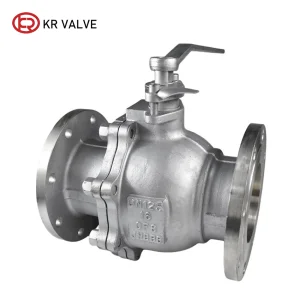
SS304 Floating Ball Valve Q41F Series (PN16/PN25/150LB/300LB)
Explore Specifications →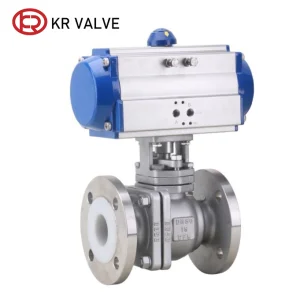
Pneumatic Single Acting Stainless Steel PTFE Lined Ball Valve
Explore Specifications →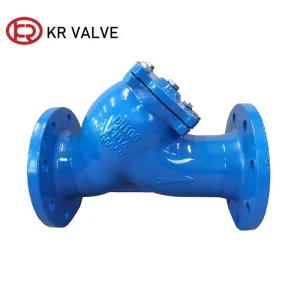
Custom GG25 Cast Iron Y-Strainer Flanged Connection System
Explore Specifications →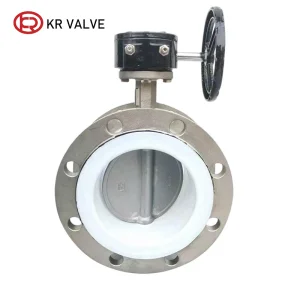
Stainless Steel Body PTFE Seat Flanged Butterfly Valve Assembly
Explore Specifications →Executive Whitepaper Overview & Global Market Trends
Deciphering the evolution of hydraulic check valves in automated industrial architectures and high-pressure fluid conveyance.
Hydraulic check valves—fundamentally designed to permit unidirectional fluid flow while instantaneously preventing backflow (reverse flow)—represent the unsung safeguard of modern fluid power engineering. Operating without external manual or electrical actuation, these automatic valves rely entirely on system fluid dynamics, mechanical spring preload, and differential cracking pressure. In contemporary industrial ecosystems, the demand for highly optimized Custom Hydraulic Check Valve Types has accelerated dramatically due to rising system operating pressures, rigorous anti-slam performance criteria, and harsher chemical environments.
As global industrial OEMs transition toward hyper-efficient hydraulic circuits, the market trajectory for non-return valves has shifted from commodity-grade standardized valves toward precision-engineered, application-specific solutions. Heavy machinery, subsea energy extraction, municipal water infrastructure, and power generation facilities require specialized internal trim designs, low cracking pressure thresholds, zero-leakage elastomeric/metallic seals, and transient water-hammer dampening mechanisms.
Modern global procurement strategies necessitate working directly with integrated manufacturing suppliers capable of delivering tailored OEM/ODM valve configurations. By integrating Computational Fluid Dynamics (CFD) with advanced metallurgy (such as GGG40 ductile iron, WCB carbon steel, SS304/316, and Duplex alloys), specialized factories eliminate destructive dynamic surge pressures and minimize pressure drops ($\Delta P$), directly reducing energy consumption across heavy-duty hydraulic power units (HPUs).
Deep Dive: Hydraulic Check Valve Types & Classifications
Categorizing non-return valves by internal mechanical geometry, installation configuration, and hydraulic performance parameters.
Direct-Acting Poppet & Ball Valves
Utilizes a guided poppet or precision spherical ball backed by a calibrated coil spring. Known for ultra-fast response, zero-leakage metal-to-metal or soft seats, and high cracking pressure versatility. Ideal for high-pressure hydraulic manifolds and compact power units.
Pilot-Operated Check Valves (PO CV)
Features an internal pilot piston that allows hydraulic pressure to override the non-return function, permitting controlled reverse flow when activated. Crucial for load-holding cylinders, safety outriggers, and hydraulic clamping systems requiring leak-tight locking.
Silent & No-Slam Check Valves
Specially engineered with internal spring-loaded dampers, micro-resistance mechanisms, or dual-disc tilting plates. Designed specifically to eliminate hydraulic shock waves, destructive water hammer, and pipeline vibration in high-flow pumping applications.
Technical Comparison Matrix: Hydraulic Check Valve Architectures
Selecting the optimal valve type requires aligning mechanical attributes with system flow velocities, pressure spectrums, and media viscosity:
| Valve Type / Category | Nominal Pressure Range | Cracking Pressure ($\Delta P$) | Sealing Performance | Response Time | Primary Industrial Application |
|---|---|---|---|---|---|
| Direct-Acting Ball Type | Up to 700 Bar (10,000 PSI) | 0.5 Bar to 5.0 Bar | Zero Leak (Soft/Hard) | < 3 ms (Instantaneous) | High-pressure hydraulic manifolds, power packs |
| Pilot-Operated (Single/Dual) | 315 Bar to 420 Bar | 1.5 Bar to 3.0 Bar | Bubble-Tight Soft Seat | Controlled Pilot Override | Hydraulic cylinder locking, outriggers, presses |
| Dual-Disc Wafer Check | PN10 to PN100 (ANSI 150-600) | 0.1 Bar to 0.3 Bar | EPDM / NBR / PTFE | Fast Spring Assisted | Water supply networks, HVAC, cooling towers |
| Micro-Resistance Slow-Closing | PN16 to PN64 | 0.2 Bar to 0.5 Bar | Rubber / Bronze Hard Seat | Controlled Hydraulic Damper | Pumping stations, municipal flood drainage |
| Screw-in Cartridge Check | Up to 420 Bar | 0.2 Bar to 10.0 Bar | Viton / PTFE O-Ring | Ultra Fast (< 2 ms) | Integrated hydraulic blocks, mobile machinery |
Metallurgical Science & Advanced Sealing Technologies
In-depth inspection of structural alloys, surface hardening treatments, and elastomeric elastomer resilience in aggressive hydraulic media.
Structural Body Metallurgy & Pressure Integrity
The operational longevity of a hydraulic check valve under dynamic pressure spiking is directly governed by body casting and forging metallurgy. Custom manufacturers utilize five core material classes depending on fluid aggressiveness and tensile stress:
- Ductile Iron (GGG40 / QT450-10): Offers exceptional mechanical dampening, high tensile strength ($400 \text{ MPa}$ minimum), and cost-effectiveness for water, glycol, and oil lines up to PN25.
- Cast Carbon Steel (WCB / A216): Essential for high-pressure industrial hydraulic power systems, withstanding thermal shocks up to 425°C and operating pressures exceeding PN64 / ANSI 600.
- Austenitic Stainless Steel (SS304 / SS316 / CF8 / CF8M): Mandatory for corrosive fluids, bio-hydraulics, offshore saltwater systems, and hygienic food-grade operations. Provides immunity to pitting and crevice corrosion.
- Duplex Stainless Steel (2205 / 2507): Utilized in subsea hydraulic control pods and chemical processing pipelines requiring extreme yield strength ($>550 \text{ MPa}$) and high PREN values.
Sealing Interfaces: Soft Seals vs. Hardfaced Metals
Achieving leak-tight shutoff while maintaining low friction and dynamic sensitivity requires careful selection of seating technology:
- EPDM (Ethylene Propylene Diene Monomer): Superior resilience against water, steam, and glycol fluids. Excellent low-temperature flexibility (-40°C to +120°C).
- PTFE & R-PTFE (Reinforced Teflon): Outstanding chemical inertness, near-zero friction coefficient, and broad thermal tolerance (-196°C to +260°C). Ideal for high-frequency cycling and harsh solvents.
- FKM / Viton: Preferred for synthetic hydraulic oils, high-aromatic hydrocarbons, and elevated operating temperatures up to 200°C.
- Stellite & Brass Hardfacing: For abrasive slurries, high-velocity oil streams, and severe service valve trims where elastomeric seals would suffer rapid erosion.
Global Procurement Needs & OEM/ODM Factory Customization
Bridging the gap between engineering specifications, factory-direct custom tooling, and global logistics execution.
Procurement teams for International Engineering, Procurement, and Construction (EPC) projects, alongside hydraulic machinery original equipment manufacturers (OEMs), face severe risks from off-the-shelf valve mismatches. Standard catalog valves frequently suffer from incompatible flange dimensions, incorrect cracking pressure preloads, or inadequate corrosion resistance coatings.
Custom Cracking Pressure Calibration
Factories can calibrate spring tensioning from ultra-sensitive 0.05 Bar (for low-head gravity systems) to high-threshold 10+ Bar cracking pressures (to prevent pump cavitation and back-siphoning).
Tailored Dimensions & Multi-Flanging
Custom OEM manufacturing allows seamless compatibility across international standards, including DIN 3202, BS 5163, ANSI B16.10, and JIS standards, eliminating site pipe modification.
High-Performance Surface Coatings
Application of heavy fusion-bonded epoxy (FBE) coatings (min. 250 microns), C5-M marine-grade polyurethane paint, or electropolishing ensures multi-decade service life in hostile surroundings.
Macro Industry Solutions & System Integration
Field-proven check valve implementations in critical municipal, industrial, and energy infrastructure.
Municipal Waterworks & Hydroelectric Dams
Large-scale water supply systems and hydroelectric power plants generate massive fluid momentum. Utilizing hydraulic control butterfly check valves and micro-resistance slow-closing swing check valves ensures that pump shut-downs do not trigger cataclysmic fluid column separation or pressure surge destructions.
Heavy Machinery & Mobile Hydraulic Power Units
Excavators, injection molding machinery, and hydraulic presses operate under rapid pressure cycles up to 420 Bar. Screw-in cartridge check valves and compact wafer dual-disc valves integrated directly into hydraulic manifolds provide compact, vibration-proof backflow protection.
Localization Support & Regulatory Compliance
Fulfilling rigorous global certification, testing standards, and local installation requirements.
To ensure frictionless cross-border procurement and compliance with local municipal and industrial regulations, top-tier Chinese suppliers and factories adhere to internationally accredited quality management and product safety frameworks:
- Quality Management Systems: ISO 9001:2015 certified production lines with full batch traceability from raw ingot casting to hydro-testing certificates.
- Pressure Equipment Directive (PED 2014/68/EU) & CE Marking: Authorizing legal installation and compliance across European Economic Area industrial projects.
- Potable Water Approvals: WRAS (UK), ACS (France), and NSF/ANSI 61 compliance for non-toxic EPDM gaskets and epoxy linings used in drinking water systems.
- Factory Acceptance Testing (FAT): 100% shell hydrostatic testing (1.5x PN) and seat leakage testing (1.1x PN) in accordance with ISO 5208 and API 598 prior to export packing.
Technological Roadmap & Next-Gen Hydraulic Innovations
Pioneering smart sensing, additive manufacturing, and eco-friendly fluid dynamics in next-generation check valves.
Smart IIoT Valve Diagnostics
Integration of embedded piezoelectric acoustic sensors and wireless micro-transmitters within the valve body to provide real-time condition monitoring, seat wear detection, and immediate water hammer alert telemetry.
Additive CFD-Optimized Flow Paths
Leveraging 3D metal printing (SLM) for internal poppet guide structures, enabling fluid flow paths that match hydrodynamic stream lines perfectly—reducing valve pressure drop ($\Delta P$) by up to 22%.
Bio-Hydraulic Compatible Materials
Development of advanced fluorosilicone and specialized PTFE compound matrices tailored specifically to withstand bio-degradable synthetic ester hydraulic oils and eco-friendly water-glycol media.
Advanced Industrial Valve Solutions
Factory-direct custom valves designed for extreme environments, chemical lines, and high-pressure isolation.
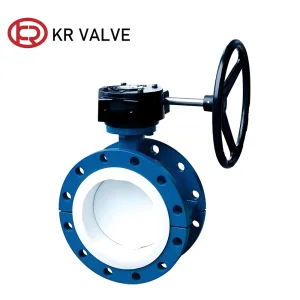
Ductile Iron Split Body Full PTFE Lined Butterfly Valve Assembly
Explore Specifications →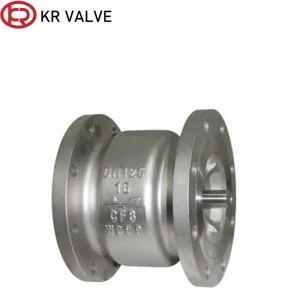
Spring Loaded Stainless Steel Silent Non-Return Check Valve
Explore Specifications →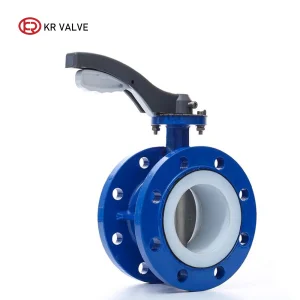
Custom Double Flange Butterfly Valve with Chemical PTFE Seal
Explore Specifications →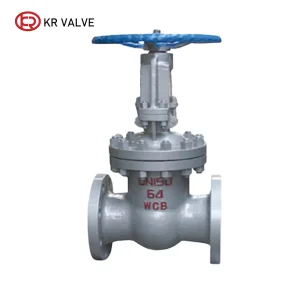
High Pressure WCB Steel Hard Seat Gate Valve (PN64 Rating)
Explore Specifications →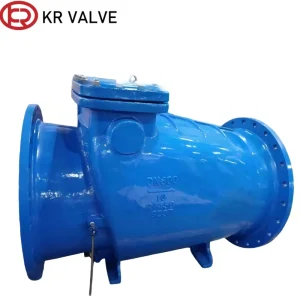
Micro Resistance Slow Closing Tilting Disc Swing Check Valve
Explore Specifications →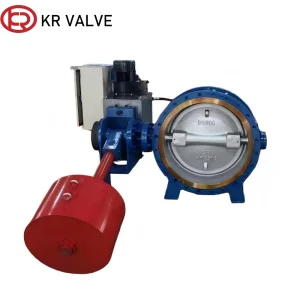
Double Eccentric Hydraulic Control Butterfly Valve (PN16 EPDM)
Explore Specifications →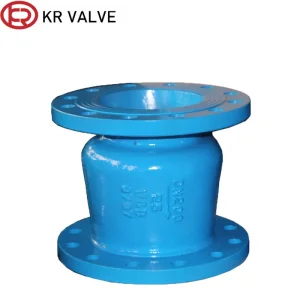
OEM Ductile Iron GGG40 Soft Seal Silent Non-Return Check Valve
Explore Specifications →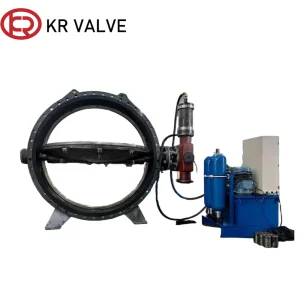
Adjustable Hydraulic Cylinder Operated Control Butterfly Valve
Explore Specifications →Frequently Asked Questions on Custom Hydraulic Check Valves
In-depth technical answers curated for engineering consultants, buyers, and plant operators.