High-Performance Hydraulic Control & Isolation Valve Catalog
Explore our primary selection of OEM/ODM hydraulic cylinder control butterfly valves, resilient gate valves, and specialized check valves engineered to DIN, BS, and ANSI international standards.
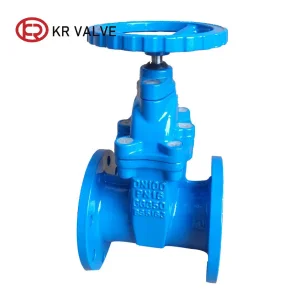
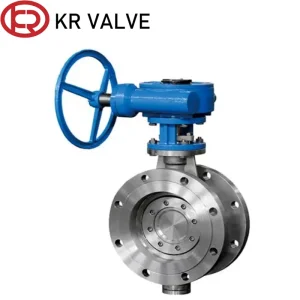
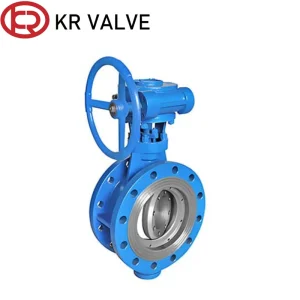
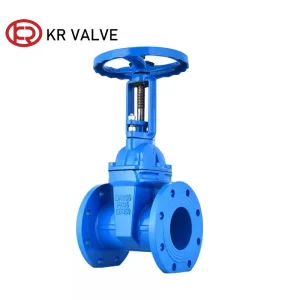
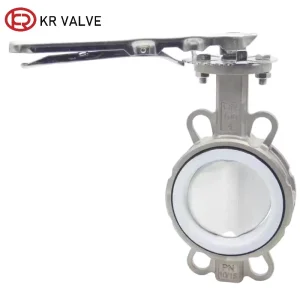
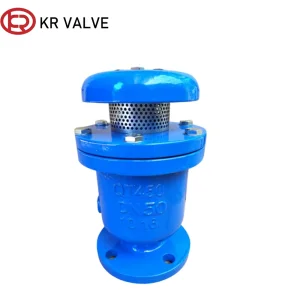
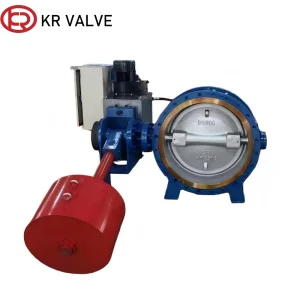
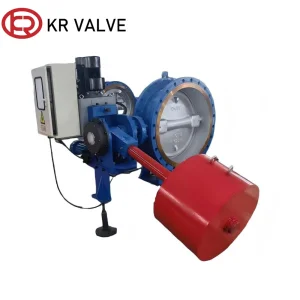
Hydraulic Control Butterfly Valve: Kinematic Architecture & Fluid Control Principles
Understanding the complex mechanics behind hydraulic actuation, counterweight emergency closing, and two-stage adjustable closing curves engineered to eliminate destructive water hammer in major pipelines.
Double & Triple Offset Seat Geometry
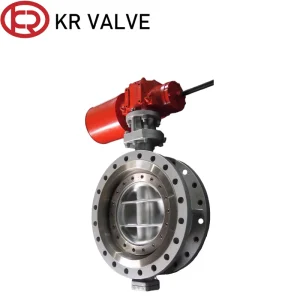
The core structural advantage of our hydraulic control butterfly valves lies in advanced offset kinematics. In a Double Eccentric (Double Offset) configuration, the shaft axis is displaced both from the sealing plane and the pipe centerline.
This dual displacement causes the disc to lift smoothly off the resilient EPDM or metal seat almost immediately upon rotation, reducing friction, seal abrasion, and operational torque requirements. For severe service, Triple Eccentric (Triple Offset) geometry adds a third inclined conical axis offset, enabling 100% friction-free engagement and bubble-tight metal-to-metal sealing up to PN40.
Two-Stage Hydraulic Closing & Surge Mitigation
Uncontrolled fast closure of large-diameter valves (DN300–DN3000) creates catastrophic hydraulic shock waves (water hammer). Our hydraulic power unit (HPU) integrates an adjustable two-stage closing control block.
- Fast Closing Phase (70%–80% stroke): Rapidly reduces backflow velocity immediately following pump trip or power blackout.
- Slow Closing Phase (Final 20%–30% stroke): Micro-throttles fluid motion via a precision hydraulic damper, smoothly arresting kinetic energy and keeping pressure spikes well within ASME/DIN safety margins.
Counterweight & Accumulator Fail-Safe Systems
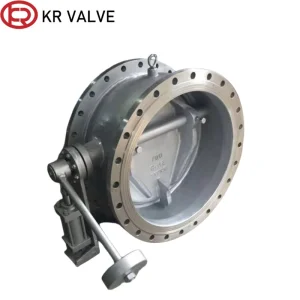
Reliability during grid failures is non-negotiable. Our valves utilize a heavy-duty mechanical counterweight combined with high-pressure nitrogen hydraulic accumulators.
Under normal operation, hydraulic pressure holds the counterweight in a raised, energized position. Upon signal disruption or blackout, a solenoid safety valve releases hydraulic pressure in a controlled sequence, allowing potential energy from the weighted arm to close the valve automatically without external electrical power.
OEM/ODM Customization & Engineering Material Specifications
Every hydraulic control valve is customized to suit system fluid characteristics, line pressures, and ambient environment. Below is our engineering parameter standard matrix:
| Component | Standard Material Options | Custom OEM Options | Applicable Standards & Testing |
|---|---|---|---|
| Valve Body | Ductile Iron GGG40 / GGG50 (EN-GJS-400-15 / 500-7), Cast Steel WCB (ASTM A216) | Stainless Steel CF8 / CF8M, Duplex SS (2205 / 2507), Monel Alloy, Nickel Aluminum Bronze | DIN 3202, BS EN 593, AWWA C504, API 609, ISO 5752 Series 14/13 |
| Disc Geometry | Ductile Iron with SS304 Surfacing Edge, WCB Cast Steel, Stainless Steel CF8/CF8M | Stellite Hardfaced Disc Edge, Streamlined Aerodynamic Hydrofoil Profile, Hastelloy C | Hydrodynamic CFD Analysis, ASME B16.34 Torque Sizing |
| Sealing System | EPDM (Potable Water), NBR (Oil/Gas), Viton (High Temp), PTFE Soft Seat | Metal-to-Metal Hard Seal (SS316L + Stellite Overlay), Laminated Stainless Steel + Graphite | ISO 5208 Rate A Zero Leakage, API 598 Pressure Testing, WRAS / NSF 61 Approved |
| Valve Shaft / Stem | Stainless Steel 420 (1.4021), SS304, SS316 High-Tensile Forged Shaft | 17-4PH (UNS S17400), Duplex Stainless Steel 2205, Monel K500 Shaft | Keyed Drive, Splined Stem, Anti-Blowout Stem Design to API 609 |
| Hydraulic Cylinder | Heavy-Duty Seamless Steel Tube with Hard Chrome Plated Piston Rod | Stainless Steel 316 Cylinder Barrel, Marine-Grade Corrosion-Proof Coating | ISO 6020/2 Hydraulic Cylinder Standards, 250 Bar Hydrostatic Test |
| Surface Protection | Fusion Bonded Epoxy (FBE) Coating 250–300 µm (RAL 5005 / RAL 5015) | Multi-Layer Polyurethane Coating, NORSOK M-501 Offshore Marine Painting System | DIN 30677, AWWA C550 Coating Thickness & Spark Test Certified |
Technology Roadmap: The Next Generation of Smart Hydraulic Control
As smart water networks and digitalized industrial processing evolve, custom hydraulic control butterfly valves are transitioning from passive mechanical units into intelligent cyber-physical flow actuators.
1. Electro-Hydraulic Smart Power Units (EHC) & IoT Integration
Traditional central hydraulic stations require lengthy high-pressure piping. Future installations leverage self-contained electro-hydraulic actuators. These integrated modules feature micro-servopumps, low-power solenoid controllers, and Modbus/PROFIBUS telemetry protocols. Real-time stem displacement, oil temperature, acoustic cavitation noise, and pressure feedback are processed on-edge and transmitted directly to central SCADA systems.
2. Predictive Maintenance via AI Vibration & Leak Telemetry
By integrating piezoelectric vibration sensors and high-accuracy pressure transducers within the hydraulic cylinder housing, predictive diagnostic algorithms continuously evaluate seat degradation, seal friction, and internal fluid bypass. Plant engineers receive automated alerts prior to seal failure, shifting maintenance from reactive downtime to scheduled predictive overhauls.
3. Eco-Friendly Green Hydraulic Fluids & Zero-Emission Systems
To eliminate environmental contamination in municipal reservoirs and pristine river ecosystems, our R&D roadmap emphasizes bio-degradable synthetic ester hydraulic oils (HEES) and water-glycol fire-resistant fluids (HFC). Internal cylinder seals are specifically formulated from fluorosilicone and HNBR compounds compatible with green hydraulic media.
4. Digital Twin CFD Co-Simulation & Transient Response Tuning
Every major hydraulic control butterfly valve project now undergoes 3D Computational Fluid Dynamics (CFD) and Finite Element Analysis (FEA) co-simulation. By building digital twins of client pipeline networks, we precisely simulate hydrodynamic torque curves during emergency shutdown, allowing engineers to pre-set hydraulic throttling valves to exact field conditions prior to factory dispatch.
Macro Industry Solutions & Heavy Infrastructure Integration
Custom hydraulic control butterfly valves act as critical safety guardians across complex water conservancy, energy production, and industrial cooling infrastructures.
Hydroelectric Power & Penstock Safety
Installed at turbine inlet penstocks, hydraulic counterweight butterfly valves serve as Penstock Isolation Valves (PIV). In case of generator overspeed or penstock rupture, the valve receives an emergency trip signal, automatically dropping the weighted arm to shut off full head pressure in seconds, protecting multi-million dollar turbines from catastrophic destruction.
Municipal Water Supply Pumping Stations
Positioned on the pump outlet header, these valves combine the functional duties of a check valve, shut-off valve, and water hammer eliminator into a single compact body. Upon pump start, the valve opens slowly; upon pump stop or power interruption, it closes in two controlled stages to absorb kinetic surge pressure.
Thermal Power Plant Cooling Loops & Desalination
Circulating water lines in power stations demand valves resistant to brackish or seawater corrosion. Utilizing Nickel Aluminum Bronze (NAB), Duplex Stainless Steel, or rubber-lined GGG40 bodies, our hydraulic control valves manage massive flow volumes with high reliability against marine biofouling and cavitation corrosion.
China Industry 4.0: Supply Chain Resilience & Manufacturing Efficiency
Leveraging advanced automated foundry operations, 5-axis CNC machining, and fully integrated supply chain management from our Tianjin manufacturing base to deliver world-class valve quality at optimal Total Cost of Ownership (TCO).
Automated V-Process & Resin Sand Casting
Our smart foundry lines utilize automated vacuum-process (V-process) and resin sand molding technology. This guarantees high dimensional accuracy (ISO 8062 CT8–CT10), flawless surface finish, zero gas porosity, and superior grain structure for ductile iron and cast steel valve bodies up to 40 tons.
5-Axis CNC Precision Machining Centers
Critical valve body sealing faces, eccentric shaft bores, and disc sealing profiles are machined on heavy-duty 5-axis horizontal CNC boring mills. Machining tolerances are maintained within ±0.01mm, ensuring perfect concentricity, low seating torque, and absolute interchangeability of replacement parts.
Vertical Integration & Cost Savings
By controlling the complete production lifecycle—from pattern making and raw metal casting to rubber seat vulcanization, hydraulic power unit assembly, and hydrostatic testing—we offer OEM clients 25%–40% cost advantages over European brands, with shortened lead times of 30–45 days.
Localization Support, Global Compliance & Field Engineering
We ensure seamless integration into international projects through strict compliance with global technical standards, regional certification frameworks, and comprehensive engineering field support.
International Certification Compliance
Our quality management system is fully certified under ISO 9001:2015, ISO 14001:2015, and ISO 45001:2018. Product lines conform strictly to:
- CE-PED (2014/68/EU): Pressure Equipment Directive for European Market entry.
- WRAS & NSF/ANSI 61: Certified non-toxic EPDM sealing for potable water networks.
- API 609 & AWWA C504: Standard design compliance for oil, gas, and North American water infrastructure.
- Fire Safe API 607: Metal-seated designs verified for high-temperature fire emergencies.
On-Site Field Support & Global Logistics
We provide full-lifecycle technical support to EPC contractors and engineering distributors worldwide:
- Factory Acceptance Testing (FAT): 100% shell hydrostatic test (1.5x PN) and seat tightness test (1.1x PN) witnessed by third parties (SGS, TUV, Bureau Veritas, DNV).
- Field Commissioning: Overseas field engineers available for HPU hydraulic calibration, PLC integration, and site commissioning.
- Seaworthy Packaging: Heavy-duty fumigated wooden crates lined with moisture-proof vacuum barrier bags conforming to ISPM 15 standards.
Global Enterprise Procurement & Risk Mitigation Guide
A step-by-step checklist for procurement managers, project engineers, and valve importers to mitigate technical, financial, and operational risks when sourcing custom hydraulic control valves.
1. Technical Specification Verification
Always double-check pipeline medium density, flow velocity, maximum working pressure ($P_{max}$), design pressure, ambient temperature, and maximum allowable head loss. Ensure hydrodynamic torque calculations match actuator cylinder output with at least a 30% safety factor.
2. Material Certification & NDT Inspection
Request EN 10204 3.1 Material Test Reports (MTR) for valve body castings, disc, and shafts. Confirm chemical composition and mechanical properties. For high-pressure cast steel valves, insist on Non-Destructive Testing (NDT) such as Radiographic Testing (RT) or Ultrasonic Testing (UT).
3. Total Cost of Ownership (TCO) Evaluation
Look beyond initial purchase price. Evaluate spare parts availability (seal kits, solenoid valves, hydraulic oil filters), ease of seat replacement without removing the valve from the line, and estimated maintenance intervals over a 30-year lifecycle.
Frequently Asked Technical Questions (FAQ)
Expert engineering responses regarding custom hydraulic control butterfly valve design, installation, actuation options, and operational maintenance.
Complementary Pipeline Valves, Strainers & Flow Controls
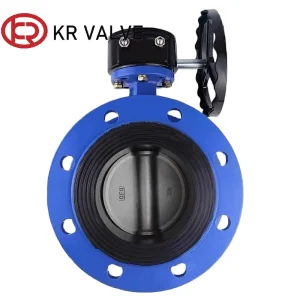
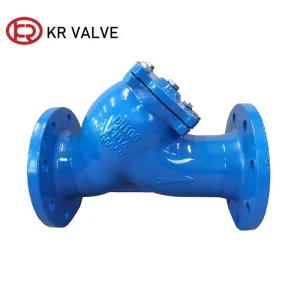
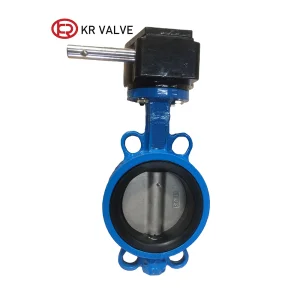
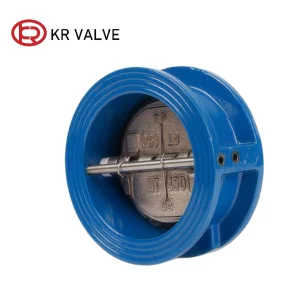
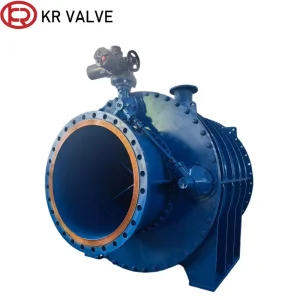
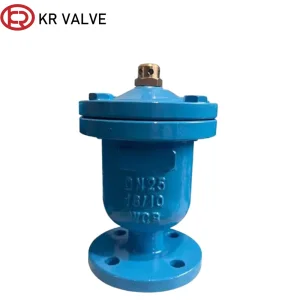
Explore additional engineered pipeline protection equipment including concentric gearbox butterfly valves, cast iron Y-strainers, micro-resistance check valves, air release valves, and energy dissipation valves.