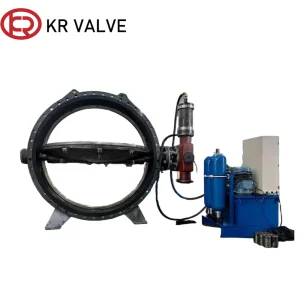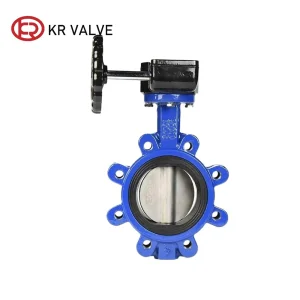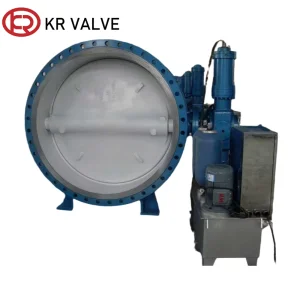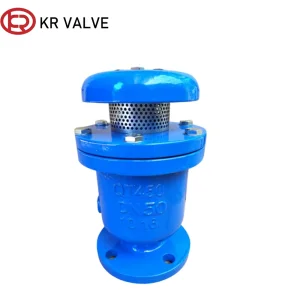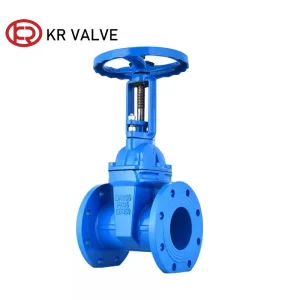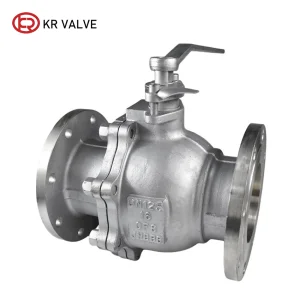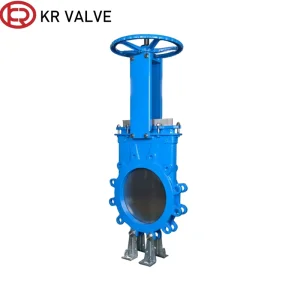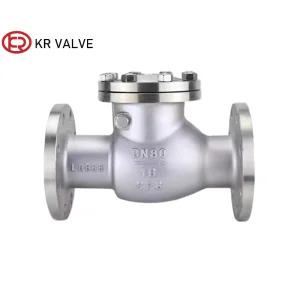
Featured Industrial Flow Control Lineup (Catalog Series 01-08)
Direct factory supply of ANSI/DIN/BS engineered valves for water treatment, chemical piping, and severe service isolation.
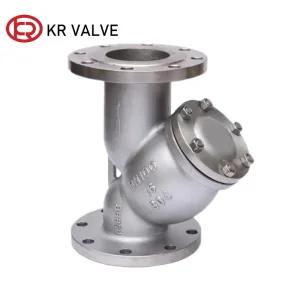
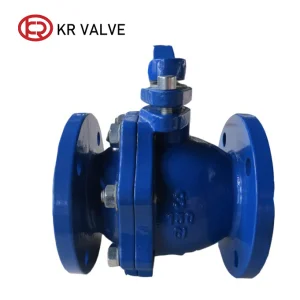
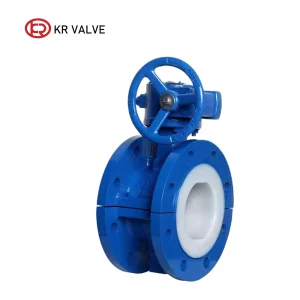
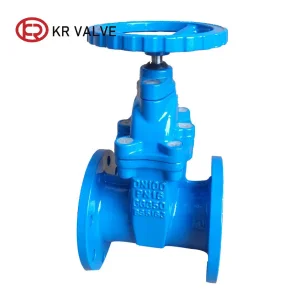
State of the Global Industrial Flow Control Sector
Analyzing modern fluid dynamics challenges, severe service media isolation, and the strategic role of custom PTFE lined wafer butterfly valves.
In modern industrial processing—spanning chemical synthesis, semiconductor ultra-pure water (UPW) loops, municipal desalination, and pharmaceutical manufacturing—the demand for zero-leakage, highly chemical-resistant flow control elements has escalated. Standard metal-seated or resilient-seated (EPDM/NBR) valves fail rapidly when subjected to concentrated acids (such as sulfuric, hydrochloric, and nitric acids), aggressive halogen compounds, and abrasive chemical slurries. This is where custom PTFE wafer butterfly valves establish a benchmark for performance, service life, and operational efficiency.
As qualified valve engineers and OEM manufacturing directors recognize, the wafer butterfly valve design offers an exceptionally compact face-to-face dimension (compliant with ISO 5752 Series 20, API 609, and EN 558 Series 20). When combined with virgin Polytetrafluoroethylene (PTFE) or modified fluoropolymer linings (such as TFM 1600 or PFA), these valves isolate the metallic body completely from the line fluid. This eliminates the necessity for costly exotic alloys like Hastelloy, Titanium, or Inconel throughout the entire valve body, dramatically reducing capital expenditure while maintaining bi-directional bubble-tight shut-off (ISO 5208 Rate A / API 598 zero leakage).
Fluoropolymer Lining Architecture & Engineering Science
Understanding the molecular properties, split-body construction, and mechanical seal integrity of PTFE wafer butterfly valves.
Fluoropolymer Lining Options: PTFE vs. PFA vs. TFM 1600
The performance of a lined valve is dictated by its polymer matrix structure. Factories specialized in custom configurations select lining materials based on chemical concentration, working temperature, and permeability risk:
- Virgin PTFE (Polytetrafluoroethylene): Offers near-universal chemical inertness (pH 0-14), excellent non-stick characteristics, and low friction coefficient. Ideal for standard chemical distribution lines up to 160°C.
- TFM 1600 (Second-Generation PTFE): Featuring a denser molecular structure, lower cold-flow deformation, reduced permeability under vacuum, and smoother surface finish. Essential for high-purity semiconductor fluids.
- Molded PFA (Perfluoroalkoxy): Melt-processible fluoropolymer offering superior mechanical toughness, flex fatigue life, and stress-crack resistance, particularly for thermal cycling applications.
Split-Body Construction & Stem Sealing Dynamics
Standard single-piece body designs cannot accommodate thick, uniform PTFE liners. Advanced custom manufacturers utilize a two-piece split-body design (WCB or Ductile Iron GGG40):
- Pre-Loaded Elastomeric Backing: Silicone or EPDM energizing cushions installed behind the PTFE seat liner provide constant spring-action loading against the disc edge, compensating for thermal expansion and wear.
- Triple Shaft Seal Integrity: Primary sealing is achieved by the interference fit between the disc hub and seat liner. Secondary O-rings and dynamic Belleville spring washers prevent atmospheric leakage along the stem.
- Streamlined Disc Geometry: Polished CF8M (SS316) or PFA-encapsulated ductile iron discs minimize pressure drop ($\Delta P$) and fluid turbulence.
Engineering Specification & Lining Comparison Matrix
| Parameter / Feature | Virgin PTFE Lined | Modified TFM 1600 Lined | Molded PFA Lined | Conductive PTFE (Anti-Static) |
|---|---|---|---|---|
| Chemical Resistance | Universal (pH 0–14) except molten alkali metals | Universal + Enhanced Permeation Resistance | Universal + Superior Hot Acid Resistance | Universal + Ex-Proof Static Dissipation |
| Permeability Rate | Standard Baseline | 50% Lower than Virgin PTFE | Ultra-Low Permeability | Standard to Low |
| Temperature Range | -20°C to +160°C | -30°C to +180°C | -30°C to +200°C | -20°C to +150°C |
| Vacuum Service Capability | Full Vacuum down to 0.1 bar abs | High Vacuum (Machined dovetail grooves) | Full Vacuum (Molded interlocking keyways) | Full Vacuum Capable |
| Dielectric Spark Testing | 15 kV High Voltage Tested | 20 kV High Voltage Tested | 20 kV High Voltage Tested | N/A (Surface Resistivity < $10^6 \Omega$) |
| Typical Applications | General Acid Lines, Water Treatment | Semiconductor UPW, Chlor-Alkali Plants | Hot Concentrated H2SO4, Fine Chemicals | ATEX / Explosive Solvents & Refineries |
Localized Application Scenarios & Regional Engineering Demands
Customizing wafer butterfly valve specifications to conform with regional industrial standards and environmental stressors.
SWRO Desalination & Brine Handling
In high-salinity Seawater Reverse Osmosis (SWRO) facilities across GCC nations (Saudi Arabia, UAE, Qatar), piping systems face severe chloride pitting and hypersaline corrosion. Custom PTFE wafer butterfly valves replace costly Super Duplex valves in high-flow low-pressure brine discharge lines, resisting mineral scaling and biofouling.
Specialty Chemical & Battery Slurry
US chemical processing corridors along the Gulf Coast demand full compliance with ASME B16.10, API 609, and ISO 15848-1 Class AH fugitive emission standards. Furthermore, the rapid expansion of lithium-ion battery gigafactories requires zero-metal-contamination PFA-lined valves for handling aggressive nickel-cobalt-manganese (NCM) slurry channels.
Pharmaceuticals & Fine Chemicals
European chemical hubs in Germany, Switzerland, and Belgium prioritize environmental compliance under REACH, PED 2014/68/EU, and FDA / 3-A sanitary cleanliness standards. Custom PTFE valves engineered with ultra-polished surfaces and mirror-finished CF8M discs prevent bacterial adherence and media cross-contamination in bio-reactors.
China Factory Supply Chain Resilience & Manufacturing Efficiency
Unpacking the competitive advantages of Tianjin valve industrial clusters, integrated foundry capabilities, and strict quality control.
Global procurement teams and EPC contractors increasingly turn to direct Chinese manufacturers for custom PTFE wafer butterfly valves not merely due to cost effectiveness, but because of unparalleled supply chain resilience, advanced CNC automation, and end-to-end quality control infrastructure.
Vertical Integration: From Resin to Finished Valve
Leading factories in Tianjin and Zhejiang operate vertically integrated manufacturing ecosystems:
- In-House Precision Foundries: Shell-mold casting of Ductile Iron (GGG40), Carbon Steel (WCB), and Stainless Steel (CF8/CF8M) guarantees sound metallurgical integrity, eliminating porosity and micro-shrinkage defects.
- Direct Isostatic PTFE Compression Molding: Utilizing premium fluoropolymer resins (Daikin, Chemours, 3M Dyneon), components are molded under ultra-high pressure and sintered under computer-controlled thermal cycles.
- 5-Axis CNC Machining: Ensures micro-inch tolerances on split-body mating faces, flange sealing serrations, and stem keyways, minimizing manual adjustment during assembly.
Comprehensive Quality Assurance Protocols
To meet international EPC audit standards, certified Chinese manufacturers enforce rigorous non-destructive testing (NDT) regimes:
- 100% Spark Testing (15-20 kV): Every PTFE/PFA lined valve body and disc undergoes high-voltage pinhole detection testing to ensure zero dielectric breakdown or micro-fissures in the lining wall.
- Hydrostatic & Pneumatic Shell/Seat Testing: Conducted in compliance with API 598 and EN 12266-1, verifying zero seat leakage at 1.1 times rated pressure and shell integrity at 1.5 times nominal pressure.
- Fugitive Emissions Verification: Helium mass spectrometer testing ensures compliance with ISO 15848-1 Class AH, preventing toxic chemical stem leakage.
Next-Generation Valve Engineering & Technology Roadmap
Emerging trends in smart fluoropolymer valves, IoT diagnostics, composite materials, and green chemical manufacturing.
Smart IoT Integrated Stem Sensing
Integration of embedded micro-sensors within the Belleville spring pack to monitor stem packing live load forces in real-time. Wireless transmitters transmit continuous wear data, predicting seat degradation and enabling predictive maintenance before catastrophic leakage occurs in hazardous chemical environments.
Graphene-Reinforced Fluoropolymers
Incorporating nano-graphene platelets into the PTFE matrix to enhance thermal conductivity by up to 300% and cut permeation rates in half. This innovation resolves the historical limitation of PTFE steam-jet degradation, extending valve life in thermal sterilization cycles.
Fully Recyclable Fluoropolymer Liners
Development of circular manufacturing protocols for reclaimed PTFE/PFA valve linings. Closed-loop recycling programs allow depleted liners from decommissioned chemical plants to be re-processed into industrial grade non-critical lining components without degradation of tensile strength.
Global Standards, Certifications & Localized Technical Support
Ensuring seamless integration into international piping specs with robust documentation and localized OEM engineering backup.
International Manufacturing & Testing Standards
Custom PTFE wafer butterfly valves engineered by leading OEM suppliers comply with global regulatory frameworks:
- Design & Face-to-Face Specs: API 609 Category A / ISO 5752 Series 20 / EN 558 Series 20 / BS 5155.
- Flange Mounting Compatibility: Universal wafer alignment holes accommodating ANSI B16.5 Class 150, EN 1092-2 PN10/PN16, and JIS 10K/16K.
- Actuator Top Flange: ISO 5211 standard mounting pads for direct coupling of pneumatic quarter-turn actuators, electric positioners, or manual worm gearboxes.
- Environmental & Safety Seals: CE-PED 2014/68/EU, SIL-3 Safety Integrity Rating, FDA 21 CFR 177.1550 compliance for sanitary application.
Localized Technical & After-Sales Engineering Support
Custom manufacturing extends beyond physical valve production to complete lifecycle support:
- 24-Hour Engineering Turnaround: Direct access to CAD modeling, 3D STEP files, and finite element analysis (FEA) flow simulation data within 24 hours of inquiry.
- Custom Trim & Material Tailoring: Custom stem extensions for cryogenic or thermal insulation jackets, anti-static grounding wires, and custom hand lever locks.
- Comprehensive Document Packages: Mill Test Reports (MTRs to EN 10204 3.1), NDE Reports, Spark Testing Certificates, and Certificate of Origin (CO) provided with every consignment.
Frequently Asked Technical & Procurement Questions
In-depth answers from our Senior Valve Design Engineers regarding customization, installation, and chemical compatibility.
Why choose a custom PTFE wafer butterfly valve over a metallic Hastelloy or Titanium valve?
Metallic valves made from exotic alloys like Hastelloy C276, Titanium, or Monel are extremely expensive and subject to volatile raw material lead times. A custom PTFE lined wafer butterfly valve utilizes a economical carbon steel (WCB) or ductile iron (GGG40) body, isolating the metal entirely with a thick, pinhole-free fluoropolymer liner (3mm–5mm thickness). This provides equivalent or superior chemical resistance across pH 0–14 at a fraction of the cost (typically 40%–70% lower CAPEX) while maintaining a lightweight, compact wafer footprint.
What is the difference between a Concentric PTFE lined butterfly valve and a Double Offset lined valve?
In a Concentric (Zero Offset) PTFE Lined Valve, the stem axis and disc center coincide with the valve bore center. Sealing relies on full interference compression between the elastomeric-backed PTFE seat and the polished disc edge. This is ideal for low to medium pressure chemical lines (up to PN16/Class 150).
In a Double Offset Lined Valve, the stem is offset from both the center of the disc and the center of the valve body. This offset allows the disc to lift off the PTFE seat instantly upon opening, minimizing friction, seat wear, and operating torque—making it preferable for high-cycle applications, large nominal diameters (>DN300), or higher differential pressures.
How does factory spark testing guarantee PTFE lining integrity?
Fluoropolymer resins are non-conductive electrical insulators. During dielectric high-voltage spark testing (typically conducted at 15 kV to 20 kV DC according to NACE SP0188 or EN 13121 standards), a scanning electrode probe is passed over 100% of the lined surface. If a microscopic pinhole, crack, or thin spot exists in the PTFE/PFA lining, the electrical charge arcing to the underlying metallic body triggers an instant alarm. This guarantees zero media leakage through the liner wall during operation.
What customization options can China valve factories provide for OEM projects?
Custom factories can tailor virtually every engineering parameter: body material (Ductile Iron, WCB, CF8, CF8M), liner resin (Virgin PTFE, TFM 1600, PFA, Conductive Anti-Static PTFE), disc core material (SS316, Hastelloy, Titanium, PFA encapsulated), stem dimensions (extended stem for thermal insulation/underground actuation), flange drilling (ANSI 150, PN10/16, JIS 10K), custom paint coatings (epoxy coating up to 300 microns for marine environments), and private label OEM branding.
Can PTFE lined wafer butterfly valves handle vacuum service?
Yes, but it requires specific engineering design. Standard loose-fitted PTFE liners can collapse under severe negative pressure or full vacuum. For full vacuum service (e.g., vacuum distillation columns or chemical evaporator systems), the factory must utilize machined dovetail locking grooves in the metal body or employ PFA melt-molding where the fluoropolymer mechanical keys directly into precision anchors in the cast housing.
What is the maximum working pressure and temperature for PTFE wafer butterfly valves?
Standard pressure ratings cover PN10, PN16, and ANSI Class 150 (up to 19 bar / 275 PSI cold working pressure). The temperature range typically spans from -30°C to +180°C depending on the backing elastomer (EPDM backing up to 120°C; High-Temp Silicone or Viton backing up to 180°C–200°C with PFA liners). Pressure-temperature derating curves must always be observed at elevated thermal levels.
How do I properly install a wafer type PTFE butterfly valve between pipe flanges?
Proper installation requires strict adherence to alignment: 1) Ensure pipe flanges are parallel, clean, and co-axial. 2) Do NOT use additional flange gaskets—the molded PTFE lining face extends over the valve flange face, serving as an integral gasket seal. 3) Insert the valve with the disc in a partially open position (10°–15°) to avoid pinching the disc edge. 4) Tighten flange bolts in a cross-star pattern using a calibrated torque wrench to prevent crushing the PTFE seal face.
What certifications should I verify when auditing a China custom valve factory?
Key quality certifications to inspect include: ISO 9001:2015 Quality Management System, CE-PED (Pressure Equipment Directive 2014/68/EU), API 609 manufacturing standard compliance, ISO 15848-1 Fugitive Emission Certification, FDA 21 CFR 177.1550 / 3-A Sanitary Certificates for raw material resin, and 3.1 Material Traceability Certificates for all pressure-retaining castings.
Complete Valve Portfolio & Heavy-Duty Pipeline Series (Catalog Series 09-16)
Explore our extended OEM manufacturing capabilities including hydraulic control, knife gate, and double eccentric valve solutions.