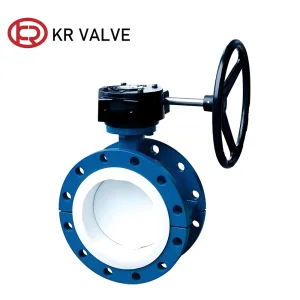
Engineered Wafer Valves & Flow Solutions
Direct from verified manufacturing facilities—built for extreme pressure, abrasive media, and tight isolation requirements.
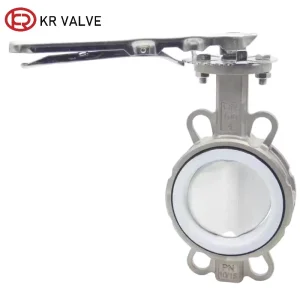
OEM Wafer butterfly valve PTFE lined seat and SS body Supplier, Suppliers
View Details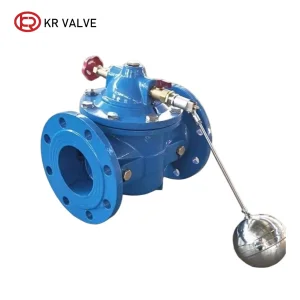
Custom China Suppliers Factory Ductile Iron Hydraulic Ball Remote Float Valve - 100X Series, DN50-DN300, PN16/PN25 Supplier, Manufacturer
View Details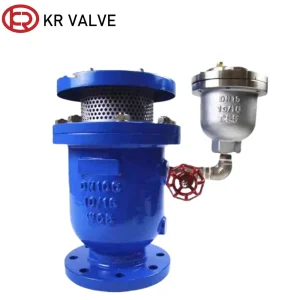
OEM CARX high speed release compound exhaust valve Manufacturer, Factories
View Details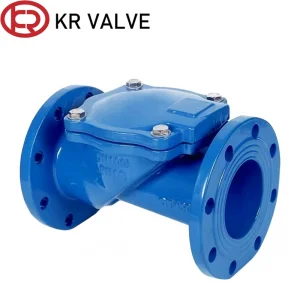
Custom Ductile iron ball type non return valve DIN standard Suppliers, Manufacturer
View Details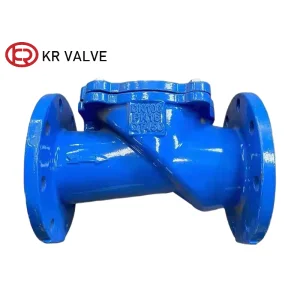
Wholesale EPDM Rubber Flap Flange Check Valve Ductile Iron Supplier, Manufacturers
View Details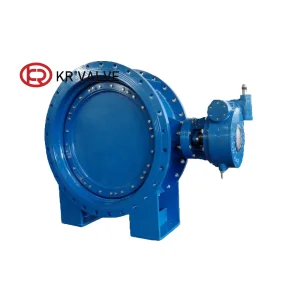
Custom China Suppliers Factory Double Eccentric Butterfly Valve PN16 Soft Sealing D342X DN200-DN3000 Manufacturers, Factories
View Details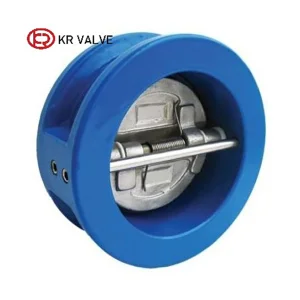
Wholesale China Suppliers Factory One Way Valve, Ductile/Cast Iron Body CF8 Disc, Wafer Type, DN40-DN700, PN6/PN25 Suppliers, Manufacturers
View Details
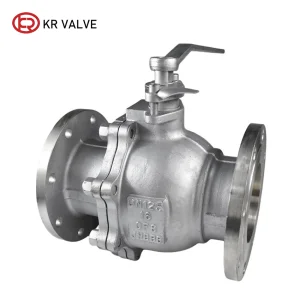
Custom China SS304 Floating Ball Valve Suppliers - Flange Type, Q41F Series, Pressure Rating PN16/PN25/150LB/300LB, Factory Direct Manufacturers, Factories
View DetailsMacro-Industrial Flow Control Dynamics & Wafer Butterfly Engineering
An authoritative analysis of quarterly fluid management advancements, aerodynamic disc designs, and resilient elastomeric seat vulcanization.
In contemporary fluid transport infrastructure, the Wafer-Style Butterfly Valve represents the apex of space-efficient, lightweight, and cost-effective isolation technology. Designed to be sandwiched between pipe flanges using through-bolt installations, wafer valves eliminate the massive structural weight associated with traditional flanged gate or globe valves. As modern processing plants push the boundaries of operational pressure, aggressive media transport, and rapid automation cycles, specialized manufacturers must innovate continuously across metallurgy, polymer chemistry, and Computational Fluid Dynamics (CFD).
1.1 Structural Mechanics & Boundary Layer Optimization
The primary advantage of custom wafer butterfly valves lies in their face-to-face compactness governed by ISO 5752, API 609, and EN 593 standards. However, placing a valve disc directly within the flow path introduces aerodynamic drag and pressure drops ($C_v$ dynamic losses). Leading custom manufacturers utilize 3D CFD modeling to contour the disc profile—reducing flow resistance by up to 18% compared to flat-disc legacy designs. This structural refinement minimizes cavitation, protects down-stream instrumentation, and lowers energy consumption in continuous pumping networks.
1.2 Elastomeric & Fluoropolymer Lining Breakthroughs
The sealing integrity of a resilient-seated wafer valve depends on the bonding mechanism between the metallic body and the elastomeric liner. Advanced factories employ injection molding and hot-vulcanization processes where EPDM, NBR, Viton (FKM), or PTFE/PFA polymers are fused directly onto a rigid phenolic or metallic backing ring. This prevents seat stretch, reduces operating torque requirements, and eliminates lateral seat blowouts under high velocity (exceeding 4.5 m/s for liquids and 120 m/s for gases).
Engineering Architecture & Customization Matrix
Tailored material selections matching international fluid control standards for oil, gas, municipal water, and chemical handling.
Metallurgical Options
Bodies cast from Ductile Iron GGG40/GGG50, Cast Steel WCB, Stainless Steel CF8/CF8M, and Super Duplex 2205. Disc options feature polished CF8M, Al-Bronze C95400 for seawater, and Halar/Nylon-coated ductile iron.
Advanced Sealing Polymer Matrix
Food-grade EPDM (NSF/WRAS certified), high-temperature NBR (-20°C to +110°C), virgin and conductive PTFE for aggressive solvents, and metal-to-metal stellite facing for high-pressure superheated steam.
Actuation & Interface Precision
Direct-mount ISO 5211 top flange for effortless automation. Custom setups for manual notch levers, worm gearboxes, double-acting pneumatic actuators, and smart modulating electric positioners.
| Feature Standard | Concentric Wafer Design | Double Eccentric (High Performance) | Triple Eccentric (Metal-Seated) |
|---|---|---|---|
| Pressure Rating | PN6 - PN16 / Class 150 | PN10 - PN40 / Class 150-300 | PN16 - PN100 / Class 150-600 |
| Tightness Class | ISO 5208 Rate A (Zero Leakage) | ISO 5208 Rate A / API 598 | ANSI/FCI 70-2 Class VI / ISO Rate A |
| Operating Temperature | -20°C to +150°C (Polymer Bound) | -40°C to +260°C (PTFE / R-PTFE) | -196°C (Cryogenic) to +600°C |
| Primary Application | HVAC, Water Works, General Industrial | Chemical Processing, Desalination, Steam | Refineries, Power Generation, Gas Lines |
Global Commercial Realities & Localization Standards
Ensuring frictionless procurement, international certification compliance, and supply chain reliability for EPC projects worldwide.
Navigating cross-border industrial valves procurement requires strict adherence to regional engineering codes and environmental mandates. A custom wafer butterfly valve factory must possess not only metalworking capacity but also a robust quality assurance architecture verified by third-party inspection agencies (SGS, TUV, Bureau Veritas).
Regional Regulatory Frameworks
European Union: Compliance with PED 2014/68/EU, CE Marking, and EN 1092-1 flange specs.
North America: API 609 dimensional standards, ANSI B16.5 flange mating, and MSS-SP-67 specifications.
Middle East & Asia: SASO, WRAS drinking water approvals, and ISO 9001:2015 continuous quality system validation.
Supply Chain Resilience & OEM Customization
From custom stem extension lengths for buried underground services to special anti-static grounding devices and low-friction PFA linings, modern manufacturers deliver end-to-end OEM branding, tailored tag numbering, export-grade plywood packaging, and full EN 10204 3.1 material test certificates (MTC).
Targeted Industry Applications & Case Scenarios
Real-world integration analysis across heavy industrial sectors, utility grids, and hazardous environments.
Municipal Water & District Heating
Concentric wafer valves with vulcanized EPDM seats ensure bi-directional bubble-tight shut-off. Used extensively in municipal filtration plants, booster stations, and chilled water HVAC distribution loops.
Desalination & Marine Piping
Exposure to hyper-saline brine requires superior pitting resistance. Custom wafer valves with Nickel-Aluminum Bronze (C95400) or Duplex 2205 discs paired with heavy-duty EPDM liners prevent galvanic corrosion and bio-fouling.
Chemical Processing & Refining
Full PTFE/PFA-lined split-body wafer butterfly valves completely isolate corrosive media (sulfuric acid, chlorine, solvents) from the metallic valve body, extending service life by over 300% in hazardous fluid lines.
Technology Roadmap: The Next Generation of Flow Control
Investigating smart diagnostics, fugitive emissions abatement, and ultra-durable nanocomposite coatings.
As industrial processing shifts toward Industry 4.0 automation and net-zero environmental targets, custom wafer butterfly valve manufacturing is undergoing a profound technological transformation. The future of flow control centers on three primary vector shifts:
1. Smart Sensor Integration & IoT Diagnostics
Tomorrow's wafer valves will no longer be passive mechanical components. Embedded piezoelectric pressure sensors, micro-vibration transducers, and wireless diagnostic chips inside the valve stem allow real-time monitoring of seat wear, packing gland leakage, and hydrodynamic torque fluctuations. This predictive capability prevents unexpected pipeline shutdowns and transitions facilities to condition-based maintenance models.
2. Fugitive Emission Abatement (ISO 15848-1 Standard)
Environmental standards regarding volatile organic compound (VOC) emissions are tightening globally. Next-generation wafer butterfly valve stem seals utilize live-loaded PTFE chevron packing and dynamic graphite rings engineered to meet ISO 15848-1 Class BH fugitive emission specifications, effectively achieving near-zero environmental leakage.
3. Nanocomposite Coatings & Additive Manufacturing
Laser cladding and plasma-sprayed ceramic nanocomposite coatings are replacing traditional nickel plating on valve discs. These diamond-like carbon (DLC) surfaces offer unyielding abrasion resistance against slurries and sand-laden media while maintaining exceptionally low coefficients of friction to minimize actuator sizing requirement.
Frequently Asked Questions & Technical Insights
Direct answers from senior valve design engineers addressing critical specification, installation, and procurement queries.
Explore Full Industrial Valve Showcase
High-grade gate, check, floating ball, and specialized control valves manufactured to stringent global tolerances.
Wholesale Ductile Iron Hydraulic Ball Remote Float Valve - Flange Type 100X Series from China Suppliers and Factory Manufacturers, Factories
View Details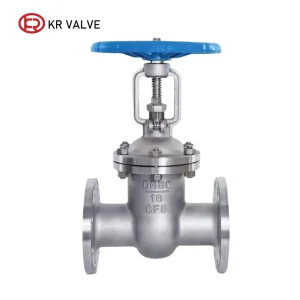
Wholesale Stainless steel SS flange gate valve rising stem type Suppliers, Manufacturers
View Details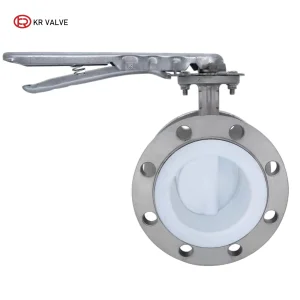
Custom Full PTFE lined flange butterfly valve CF8 body Supplier, Factories
View Details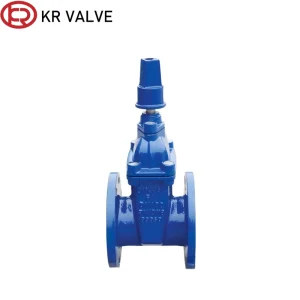
Wholesale Underground gate valve ductile iron body and EPDM Seat Suppliers, Manufacturers
View Details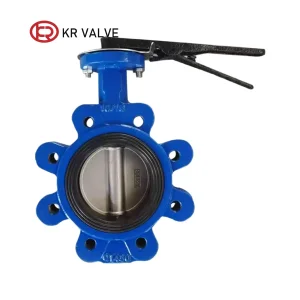
OEM Soft Seal Lug Butterfly Valve GGG40 Handle Operation Supplier, Manufacturers
View Details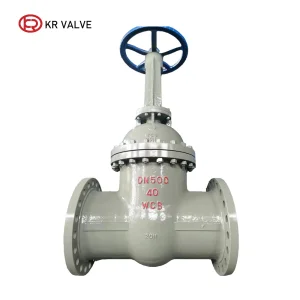
Custom China Suppliers Factory PN64 DN500 Big Size Gate Sluice Valve Metal to Metal Seated Z41H-64C Suppliers, Factories
View Details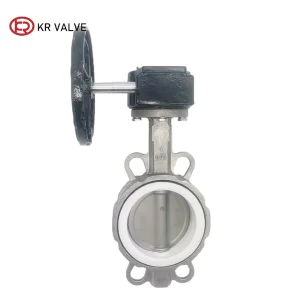
OEM Stainless steel body PTFE seat wafer butterfly valve Supplier, Suppliers
View Details