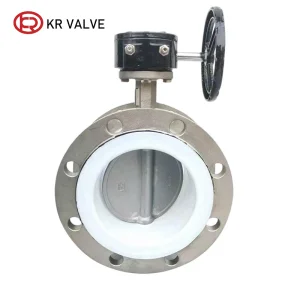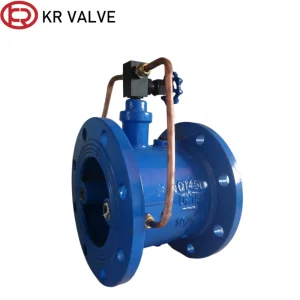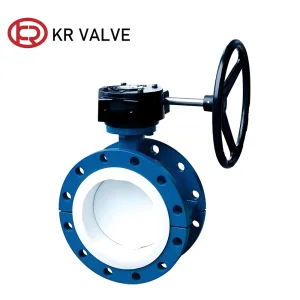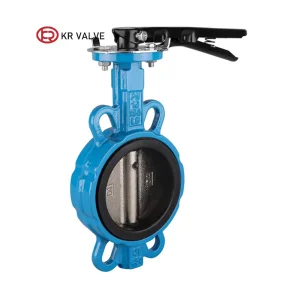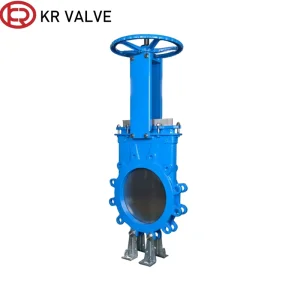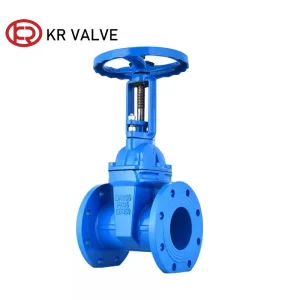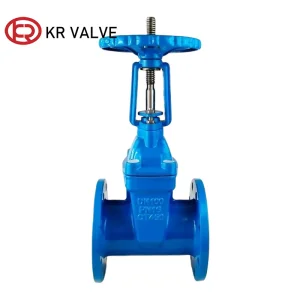
Featured Industrial Valve Portfolio (Part I)
Explore precision-engineered OEM ball valves, resilient seated butterfly valves, and non-return valves produced to ISO, API, DIN, and ANSI standards.
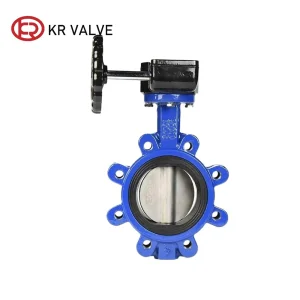
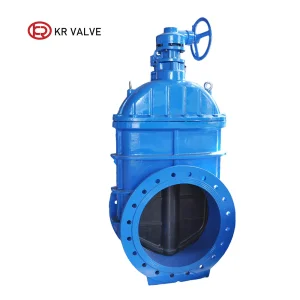
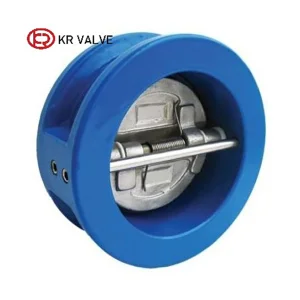
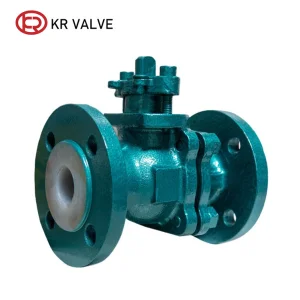
1. Technical Architecture & Fundamental Fluid Dynamics: Ball Valves vs. Butterfly Valves
In modern industrial process engineering, the selection of quarter-turn isolation valves represents a critical design decision directly impacting system hydraulics, thermal stability, fugitive emission control, and total cost of ownership (TCO). Both Ball Valves and Butterfly Valves operate on a 90-degree rotational principle, yet their internal structural kinematics, fluid resistance profiles, and sealing mechanisms differ significantly under high-pressure, abrasive, or corrosive pipeline environments.
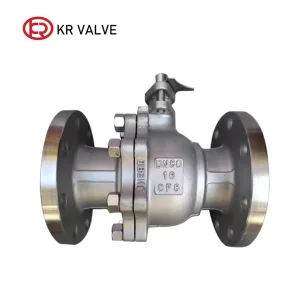
Ball valves utilize a spherical closure element containing a precision-machined bore through its central axis. When aligned with pipeline flow, the valve achieves near-zero fluid resistance, presenting a flow coefficient ($C_v$) equivalent to a straight pipe section of identical length. This geometry renders floating and trunnion-mounted ball valves ideal for high-pressure differential applications (ANSI Class 150 to Class 2500), pigging operations in midstream oil and gas pipelines, and severe slurries. Conversely, butterfly valves feature a disc mounted on a rotating shaft positioned within the flow stream. While this disc creates a nominal permanent head loss, modern double-offset (high-performance) and triple-offset (metal-to-metal) designs have minimized turbulence while dramatically reducing total weight and envelope dimensions for large-diameter municipal water distribution (DN40 to DN2000) and HVAC networks.
Zero-Leakage Sealing Metallurgy
Utilizing high-grade PTFE, RPTFE, EPDM, and metal-to-metal Stellite hard-facing trims to achieve API 598 zero-bubble tight shutoff across severe pressure gradients.
Fugitive Emission Stem Packing
Engineered live-loaded graphite stem packing compliant with ISO 15848-1 Class AH, mitigating volatile organic compound (VOC) leaks in petrochem networks.
Low Operating Torque Actuation
Precision ISO 5211 top flange mounting pattern paired with mirror-polished discs/balls to minimize breaktorques, reducing electric and pneumatic actuator sizing.
2. Manufacturing Supremacy: China OEM Factory Ecosystem & Metallurgy Precision
The global dominance of Chinese OEM valve manufacturers—specifically centralized in advanced manufacturing hubs like Tianjin, Wenzhou, and Ningbo—is underpinned by complete supply-chain integration, state-of-the-art foundry technologies, and rigorous international quality control standards. China's industrial valve sector has evolved from high-volume standardized manufacturing into a high-precision, customized engineering powerhouse supplying critical projects for Shell, Aramco, Sabic, and municipal water authorities worldwide.
Modern Chinese valve facilities deploy computer-aided engineering (CAE) fluid dynamics modeling alongside 3D solid casting simulation software to eliminate micro-porosity during shell molding. Vacuum investment casting processes for CF8 (SS304), CF8M (SS316), and Duplex Stainless Steel (2205/2507) yield dimensional tolerances compliant with ISO 8062 CT6. Furthermore, computer numerical control (CNC) 5-axis machining centers ensure sphericity tolerances of ball cores within $\pm 0.01\text{ mm}$, guaranteeing uniform contact pressure against resilient PTFE seats and reducing seal deformation over extended operating cycles.
Quality assurance protocols in leading OEM facilities integrate Spectro-analysis for chemical heat composition verification, Positive Material Identification (PMI) prior to machining, Ultra-sonic (UT) and Radiographic (RT) testing for pressure-containing castings, and hydrostatic shell/seat testing per API 598, EN 12266-1, and ISO 5208 standards.
3. Global Market Dynamics & Technological Trends in Industrial Flow Control
The global industrial valve market is undergoing a rapid transition driven by stringent environmental regulations, industrial digitalization, and the expansion of green hydrogen, LNG marine transport, and seawater desalination infrastructure. Sourcing partners and EPC contractors are prioritizing key technological vectors when evaluating OEM Ball Valve and Butterfly Valve manufacturers:
| Technology Trend | Engineering Focus | Industry Application | OEM Technical Solution |
|---|---|---|---|
| Smart Actuation Integration | Modbus/HART digital feedback, predictive torque analysis | Automated Refineries, Water Treatment | ISO 5211 direct-mount pads with integrated smart positioner brackets. |
| Zero Fugitive Emissions | ISO 15848-1, TA-Luft compliance for chemical safety | Petrochemicals, Toxic Gas Transport | Live-loaded V-ring PTFE/Graphite stem packing with Belleville washers. |
| Cryogenic & High Temp | Extended bonnets, metal-to-metal Stellite 6 trims | LNG Terminals, Concentrated Solar Power | Austenitic SS bodies tested down to -196°C or heat-treated for +600°C. |
| Anti-Cavitation Design | Trim geometry optimization, high pressure differential drop | Hydro Power, Desalination High-Pressure Lines | Multi-stage perforated disc and ball trims to dissipate fluid kinetic energy. |
| Corrosion Resistance | Full PTFE/PFA lining, Hastelloy/Super Duplex metallurgy | Acid Plants, Marine Scrubbers, Mining Slurry | Split-body ductile iron lined with 3mm virgin PFA/PTFE melt-bonded polymer. |
As sustainability imperatives reshape global supply chains, factories are deploying eco-friendly lead-free bronze alloys, NSF/ANSI 61 certified non-toxic EPDM elastomers for potable water systems, and weight-optimized slimline wafer structures that reduce transportation carbon footprints.
4. Sector-Specific Localized Applications & Engineering Deployments
Industrial flow control demands highly tailored valve configurations depending on the physical properties of the medium, ambient operating conditions, and regional regulatory frameworks. Leading OEM suppliers customize material selections and body styles to solve complex flow control challenges across diverse field applications:
Municipal Water & Wastewater Treatment
Deployment of concentric rubber-lined wafer/lug butterfly valves (DN50-DN1200) with WRAS/NSF-certified EPDM liners. Low head loss, resilient sealing against suspended solids, and epoxy-coated ductile iron (GGG40) bodies prevent internal bio-fouling and external atmospheric corrosion.
Chemical & Petrochemical Processing
Full-port stainless steel (CF8M/SS316) ball valves with fire-safe API 607 design and virgin PTFE/RTFE seats. Designed for aggressive acids, aromatic hydrocarbons, and high-frequency thermal cycling while maintaining bubble-tight shutoff.
HVAC, District Energy & Refrigeration
High-performance double-offset butterfly valves engineered for chilled water, low-pressure steam, and condenser isolation. Feature compact face-to-face dimensions (ISO 5752) and light construction, reducing structural pipe support loading in commercial skyscrapers.
5. Macro Industrial Flow Control Solutions: System Optimization & Safety
Beyond individual valve manufacturing, OEM suppliers partner with plant managers to design integrated flow-control architectures that optimize system efficiency and prevent catastrophic hydraulic phenomena. Key system-level solutions include:
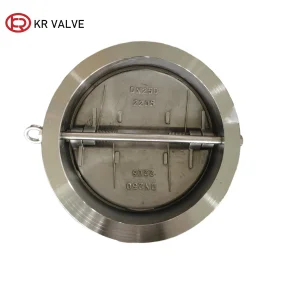
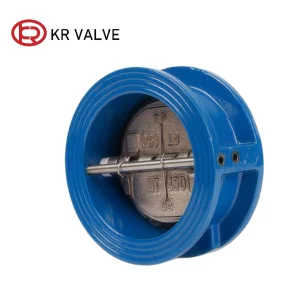
1. Water Hammer & Pressure Surge Suppression: Sudden valve closure in liquid distribution systems generates shock waves (water hammer) that can rupture piping or destroy pump casings. OEM factories engineer slow-closing butterfly check valves equipped with hydraulic dashpots, as well as dual-plate wafer check valves with spring-assisted rapid closure that seating occurs prior to flow reversal, eliminating transient pressure spikes.
2. Cavitation Mitigation & Energy Dissipation: In throttling applications with high differential pressures ($\Delta P$), localized pressure drops below the fluid's vapor pressure spark micro-explosions of vapor bubbles, causing severe metal erosion on disc edges and downstream piping. Advanced OEM solutions incorporate anti-cavitation trim geometries, contoured valve discs, and tungsten carbide coatings to safely control pressure drops.
3. Automated Batching & Emergency Shutdown (ESD): Modern chemical processes demand fail-safe automation. OEM factories supply completely integrated valve packages featuring pneumatic rack-and-pinion actuators, solenoid valves, limit switch boxes, and electro-pneumatic positioners pre-calibrated and bench-tested prior to dispatch.
6. Strategic B2B Sourcing Guide: Evaluating OEM Suppliers & Factories
Procurement directors and engineering teams must rigorously audit potential OEM partners to ensure component reliability, compliance with global engineering standards, and long-term warranty support. Use this technical checklist when auditing China valve factories:
| Audit Parameter | Standard / Certification Target | Procurement Verification Action |
|---|---|---|
| Quality System | ISO 9001:2015, ISO 14001, OHSAS 18001 | Verify registrar accreditation and on-site audit trail records. |
| Design Compliance | API 6D, API 609, ASME B16.34, EN 593 | Review 3D CAD models, finite element analysis (FEA), and type test reports. |
| Pressure Testing | API 598, ISO 5208, EN 12266-1 | Demand 100% factory hydrostatic test logs for shell and seat tightness. |
| Traceability | EN 10204 3.1 / 3.2 Material Test Reports | Cross-check heat numbers stamped on valve body with raw mill test certificates. |
| Fire Safety & VOC | API 607, API 6FA, ISO 15848-1 | Ensure third-party lab (TÜV, SGS, Lloyd's) fire test validation certificates. |
7. Deep Technical Questions & Detailed Engineering Answers (FAQ)
Expert clarifications regarding valve selection, seat chemistry, torque calculation, standard compliance, and installation best practices for international buyers.
What is the key difference between Wafer type and Lug type butterfly valves in dead-end service?
Wafer butterfly valves are clamped between two pipe flanges using through-bolts that pass across the entire body. Consequently, removing downstream piping causes the wafer valve to lose structural retention, making it unsuitable for dead-end isolation. Conversely, Lug butterfly valves feature threaded bolt inserts cast directly into the valve body. This enables the valve to be securely bolted to a single flange, allowing downstream piping to be disconnected or serviced while maintaining full pipeline line pressure upstream.
How does PTFE lining compare to EPDM liners in chemical resistance and temperature thresholds?
EPDM (Ethylene Propylene Diene Monomer) is a resilient synthetic rubber ideal for water, steam, dilute acids, and HVAC media, offering excellent elastic recovery between -20°C and +120°C. However, EPDM degrades rapidly in contact with hydrocarbons, oils, and strong organic solvents. PTFE (Polytetrafluoroethylene) provides nearly universal chemical inertness against concentrated acids, alkalis, and solvents across a wider temperature range (-40°C to +200°C). In OEM valve construction, PTFE-lined valves utilize a split-body or bonded design to handle harsh corrosive media where elastomers would fail.
What parameters determine whether a Floating Ball Valve or Trunnion Mounted Ball Valve is required?
In a Floating Ball Valve, the ball is suspended between two elastic seats. Line pressure pushes the ball against the downstream seat to create a seal. As pipe size and pressure increase, the force exerted on the downstream seat increases dramatically, creating excessively high operating torque and potential seat deformation. Floating ball valves are typically limited to smaller sizes ($\le$ DN100) or lower pressure classes ($\le$ Class 300). In a Trunnion Mounted Ball Valve, the ball is anchored at the top and bottom by mechanical trunnion shafts. Line pressure pushes floating seat assemblies against the stationary ball. This dramatically reduces operating torque, extends seat life, and makes trunnion valves essential for large diameters (DN150 to DN1400) and high-pressure duties (up to Class 2500).
Why is ISO 5211 direct mounting pad standardization important for B2B procurement?
ISO 5211 defines standardized flange dimensions, drive square/keyway shaft dimensions, and bolt circle diameters for mounting pneumatic, electric, or hydraulic actuators to quarter-turn valves. Sourcing valves with integral ISO 5211 top flanges ensures seamless interchangeability with third-party actuators worldwide without costly custom mounting brackets, alignment errors, or stem binding.
How do OEM factories perform API 598 zero-leakage hydrostatic testing?
Under API 598 standards, every finished valve undergoes high-pressure hydrostatic shell testing at 1.5 times the cold working pressure (CWP) to verify casting integrity, followed by low-pressure air seat testing (60-100 psi) and high-pressure liquid seat testing at 1.1 times CWP. For soft-seated resilient butterfly and ball valves, zero visible bubbles or liquid drops must pass the seat seal during the specified hold duration (ranging from 15 to 120 seconds depending on valve size).
What custom OEM branding and engineering modifications can Chinese factories provide?
Leading OEM suppliers offer extensive custom manufacturing options including private-label body casting/embossing, custom RAL epoxy powder coating colors, extended bonnet design for insulation or cryogenic service, specialized trim alloys (Monel, Inconel, Hastelloy, Titanium), anti-static devices, lock-out/tag-out (LOTO) lever handles, gear operators, and custom flange drillings (ANSI B16.5, DIN EN 1092-2, JIS B2220, BS10).
Featured Industrial Valve Portfolio (Part II)
Discover high-performance knife gate valves, split-body full PTFE butterfly valves, and resilient sealing gate valves tailored for critical industrial projects.