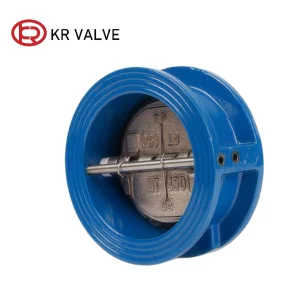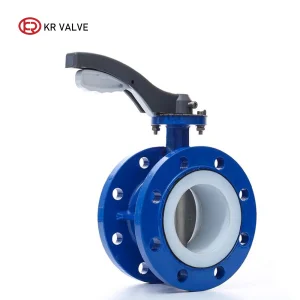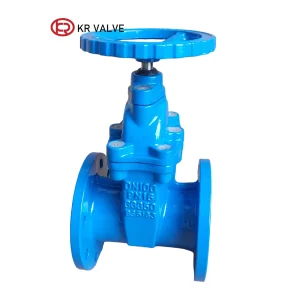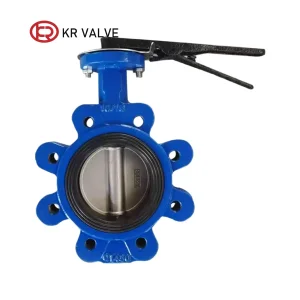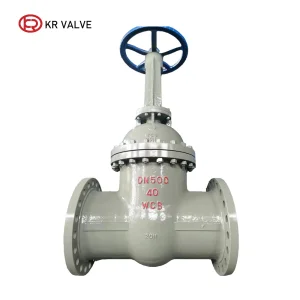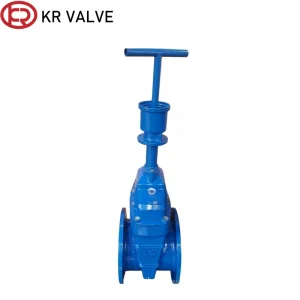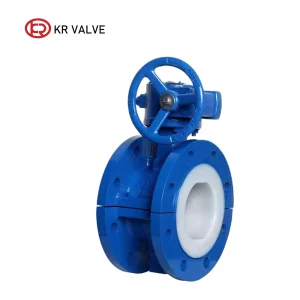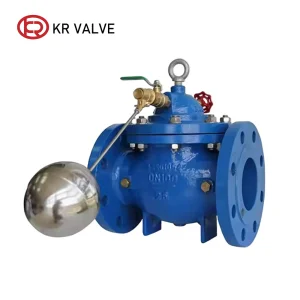
Featured Automated & Industrial Valves
Explore our core OEM valve lines engineered for seamless motorization, extreme environmental durability, and strict compliance with global standards.
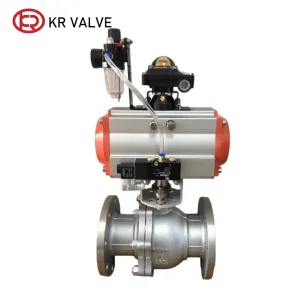
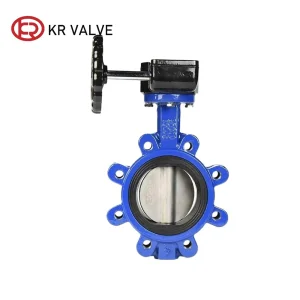
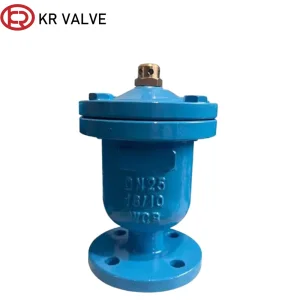
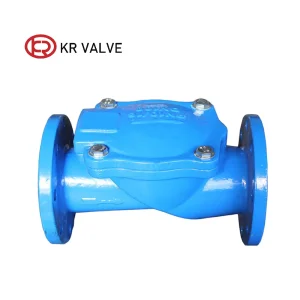
Macro Industry Solutions: The Evolution of Motorized Flow Control
As global industrial processing plants transition toward automated smart factories and decentralized water networks, the demand for high-reliability OEM motorized butterfly valves has escalated. Quarter-turn automated valves represent the critical intersection between physical fluid dynamics and digital SCADA control loops.
Global Commercial Dynamics & Manufacturing Standards
Selecting an OEM butterfly valve manufacturer is no longer merely a unit-cost transaction. EPC (Engineering, Procurement, and Construction) contractors and plant directors evaluate total cost of ownership (TCO), metallurgy integrity, supply chain resilience, and global certification inter-compatibility.
Quarter-Turn Actuation Efficiency Dynamics
Traditional multi-turn gate or globe valves require lengthy operating stems and high motor torque output, consuming significant electrical power. In contrast, motorized butterfly valves utilize a quarter-turn (90-degree) rotation. By pairing high-precision disc geometry with low-friction elastomer or metal seats, required breakaway torque is reduced by up to 60%. This enables smaller, ultra-efficient electric actuators with lower thermal output and smaller footprint requirements.
OEM Customization & Material Metallurgy
Industrial environments present vastly different chemical and physical challenges. A single standard valve configuration cannot withstand seawater desalination, concentrated sulfuric acid transfer, and superheated steam simultaneously. Modern OEM manufacturing requires specialized material selections: Ductile Iron GGG40/50 for general municipal lines, WCB Cast Steel for hydrocarbon processing, CF8M Stainless Steel for corrosive media, and Hastelloy or Duplex Steel for offshore marine applications.
Butterfly Valve Offset Architecture & Seating Mechanics
Understanding the structural distinction between Concentric, Double Offset, and Triple Offset motorized butterfly valves is essential for proper pipeline specification and preventing premature seat failure.
| Architecture Type | Seating Design | Pressure Class | Temperature Range | Primary Industrial Application |
|---|---|---|---|---|
| Concentric Resilient Seated | Rubber Lined (EPDM / NBR / Viton) | PN6 - PN16 / ANSI 150 | -20°C to +130°C | HVAC Water Loops, Municipal Water Distribution, General Irrigation |
| Double Offset (High Performance) | PTFE / R-PTFE Soft Seat or SS304 | PN16 - PN40 / ANSI 150-300 | -40°C to +230°C | Chemical Processing, Power Plant Cooling Towers, Purified Gases |
| Triple Offset (TOV) | Metal-to-Metal (SS316 + Stellite) | PN10 - PN100 / ANSI 150-600 | -196°C to +600°C | Steam Systems, Oil & Gas Pipelines, Cryogenic LNG Terminals |
Motorized Actuation Torque Engineering Formulas
Calculating the correct electric actuator safety margin requires evaluating dynamic fluid torque, friction seating torque, and hydrostatic unbalance:
Where:
• T_breakaway = Initial seat compression release friction torque
• T_dynamic = Dynamic fluid drag torque (Varying with flow velocity & disc angle)
• T_bearing = Stem journal sleeve friction under line pressure
OEM customization ensures that the electric motor gearbox output matches the application torque profile across 0°, 45°, and 90° opening angles, preventing motor stalling or stem deformation.
Localized Engineering Application Scenarios
Real-world deployment insights demonstrating how custom motorized butterfly valves solve tough operating challenges across various industrial sectors.
Solution Profile: OEM Lug type butterfly valves with Nickel Aluminum Bronze (NAB) discs, Vulcanized EPDM body liners, and IP68 waterproof electric actuators. The motorized package integrates Modbus RTU communication for centralized PLC control in high-capacity Reverse Osmosis (RO) plants.
Solution Profile: Compact wafer ductile iron butterfly valves coupled with 4-20mA proportional modulating electric actuators. Features anti-condensation internal heater modules and thermal insulation-ready body necks, maintaining precise building temperature regulation while saving operational energy.
Solution Profile: Triple Offset Wafer Stainless Steel (CF8M) valves rated to ANSI 300, certified fire-safe to API 607. Powered by ATEX Exd IICT4 explosion-proof motorized actuators with manual handwheel override for emergency field isolation.
Solution Profile: Fully PTFE or NBR lined split-body concentric butterfly valves. The non-stick resilient liner protects the body casting from aggressive chemicals and particle abrasion, while high-torque intelligent electric actuators clear settled debris without jamming.
Global Compliance Assurance & Quality Infrastructure
Our OEM factory process is grounded in internationally recognized quality standards. Every motorized valve assembly undergoes rigorous verification protocols before export dispatch.
ISO 5211 Standard
Universal top-flange interface pattern allowing direct mounting of pneumatic or electric actuators without external brackets.
ISO 5208 Rate A
100% pressure testing guarantees zero visible leakage during bi-directional hydrostatic seat testing.
ATEX & SIL 3
Certified explosion-proof motor housings and safety integrity level compliance for critical hazardous installations.
WRAS & NSF-61
Certified non-toxic EPDM seat materials safe for municipal drinking water networks worldwide.
Quality Inspection Methodology (Pre-Shipment Protocol)
- Spectrometric Material Verification: Positive Material Identification (PMI) testing on all raw castings (Ductile Iron, WCB, CF8M) to verify chemical composition.
- Dimensional & Tolerance Calibration: CNC machining centers guarantee disc seating concentricity and face-to-face dimensions within DIN 3202 / EN 593 standards.
- Electrical Torque Profiling: Motorized actuators are load-tested dynamically across the full 90° travel stroke to confirm current draw (Amperage) and torque output limits.
- Hydrostatic & Pneumatic Testing: Shell testing at 1.5x nominal pressure and seat isolation testing at 1.1x nominal pressure per API 598.
Technology Roadmap: The Next Generation of Valve Automation
As industrial artificial intelligence and IoT sensing mature, OEM motorized butterfly valve manufacturing is shifting toward self-diagnostic smart valve modules.
AI Predictive Telemetry
Embedded micro-sensors monitor stem vibration, gear wear, and coil temperature anomalies. Algorithms predict rubber seal degradation months before leakage occurs, enabling scheduled maintenance during planned plant turnarounds.
Digital Twin Compatibility
OEM valve models supply standardized AAS (Asset Administration Shell) data profiles. Plant engineers can run virtual flow simulations to optimize valve throttling parameters and prevent cavitation damage.
Ultra-Low-Power Actuation
Next-generation brushless DC motors integrated with solar power harvesting allow off-grid automated valve operations across remote municipal water main lines and overland pipelines.
Frequently Asked Questions & Decision Engineering
Expert guidance for procurement managers and system engineers evaluating OEM motorized butterfly valve solutions.
What is the difference between On/Off and Modulating motorized butterfly valves?
How do I choose between Wafer, Lug, and Flanged butterfly body types?
• Lug Type: Features threaded bolt holes around the outer rim. Allows dead-end service and downstream pipe disconnection while maintaining system pressure upstream.
• Double Flanged Type: Has built-in flanges matching standard pipe flanges. Recommended for large diameters (DN300+) and heavy underground water mains due to superior mechanical rigidity.
Why is ISO 5211 compliance important for OEM valve procurement?
What IP rating should be specified for electric actuators in industrial environments?
How does OEM custom sizing help prevent valve cavitation?
Complementary Industrial Valves & OEM Components
Browse our additional high-reliability check valves, gate valves, and specialty butterfly valves designed for total process line integration.