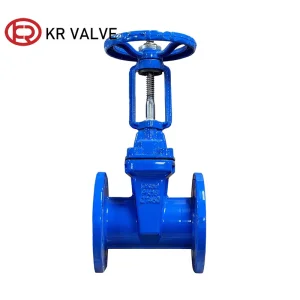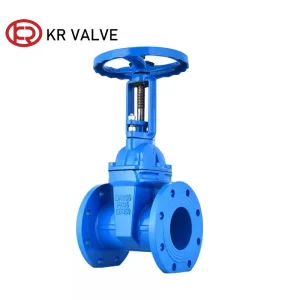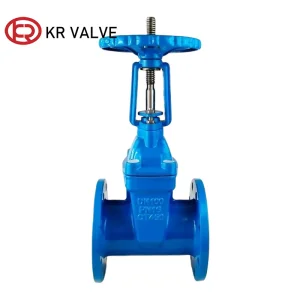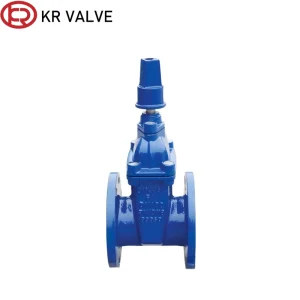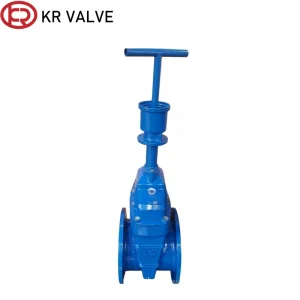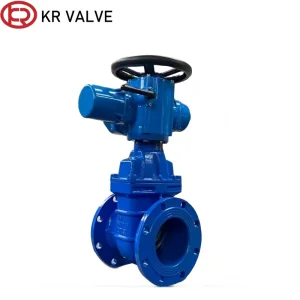
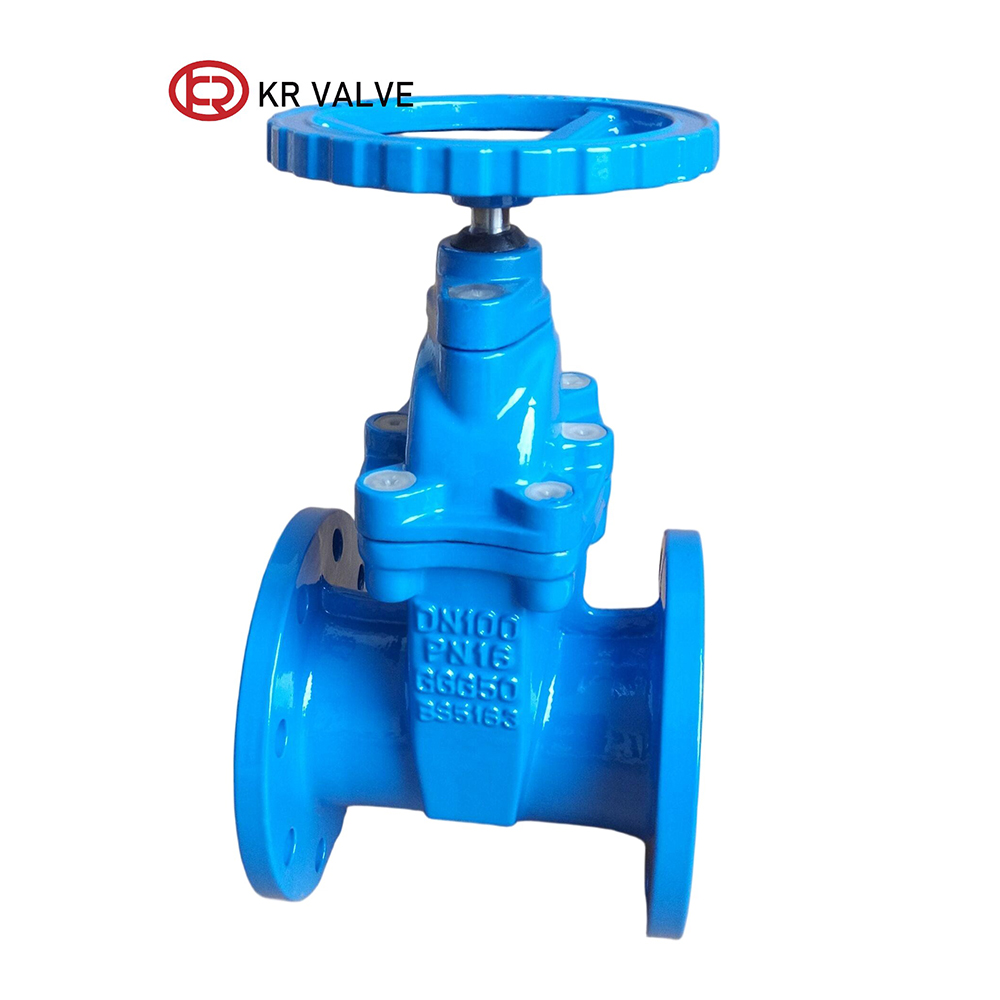
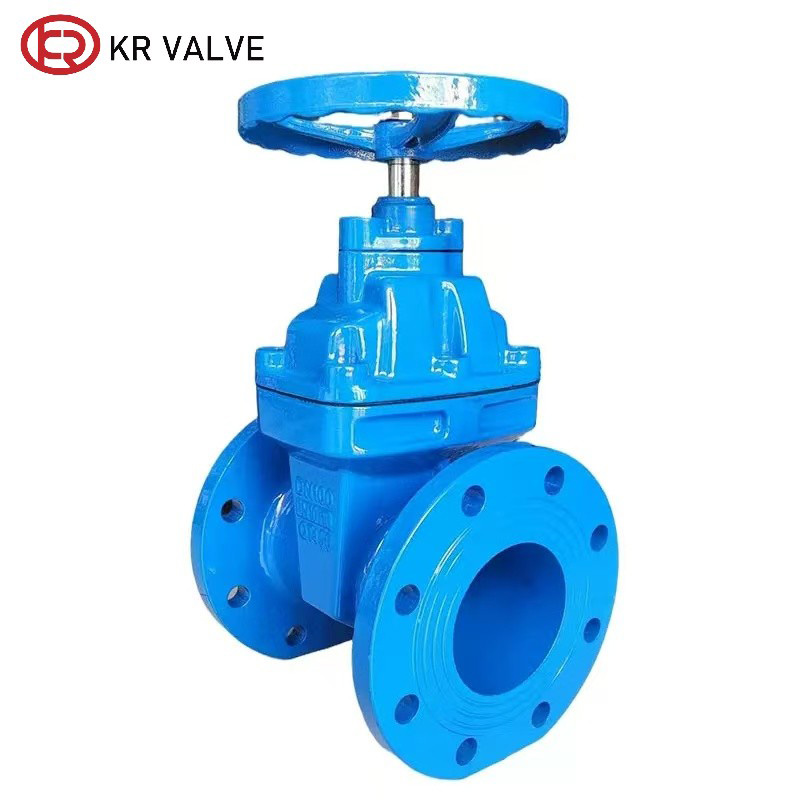
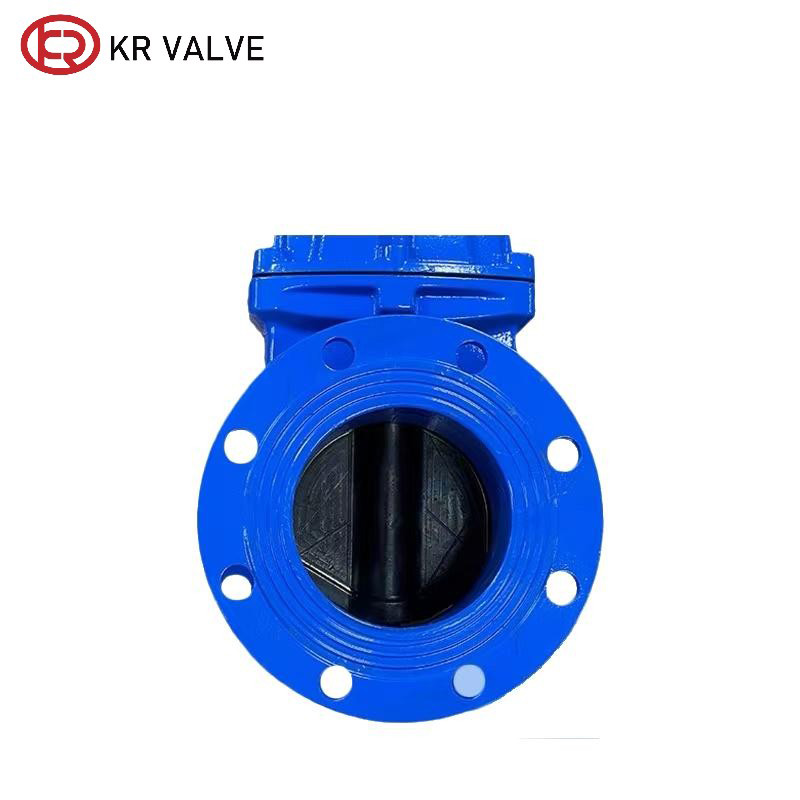
OEM Non Rising Stem EPDM Soft Seal Gate Valve DIN F5 Standard Supplier, Factories
Product Description
Technical Specifications
| Valve Type | Resilient seat gate valve | Structure | Non-rising type |
|---|---|---|---|
| Standard | DIN F5 | Workmanship | Investment casting |
| Sealing Direction | Bidirectional | Sealing Grade | Zero leakage |
| Temperature | -20°C < T < 120°C | Operation | Handwheel |
Characteristics
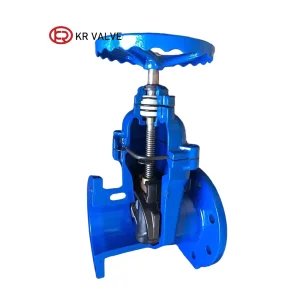
The gate valve’s key operating component is the gate plate, which executes a linear reciprocating motion perpendicular to the direction of fluid flow. A defining operational characteristic of this valve type is that it is engineered exclusively for full-open and full-close functions, this design ensures unobstructed flow passage when fully open, and reliable shut-off performance when fully closed.
The valve achieves its exceptional sealing performance through an integral rubber-coated gate plate.
Advantages
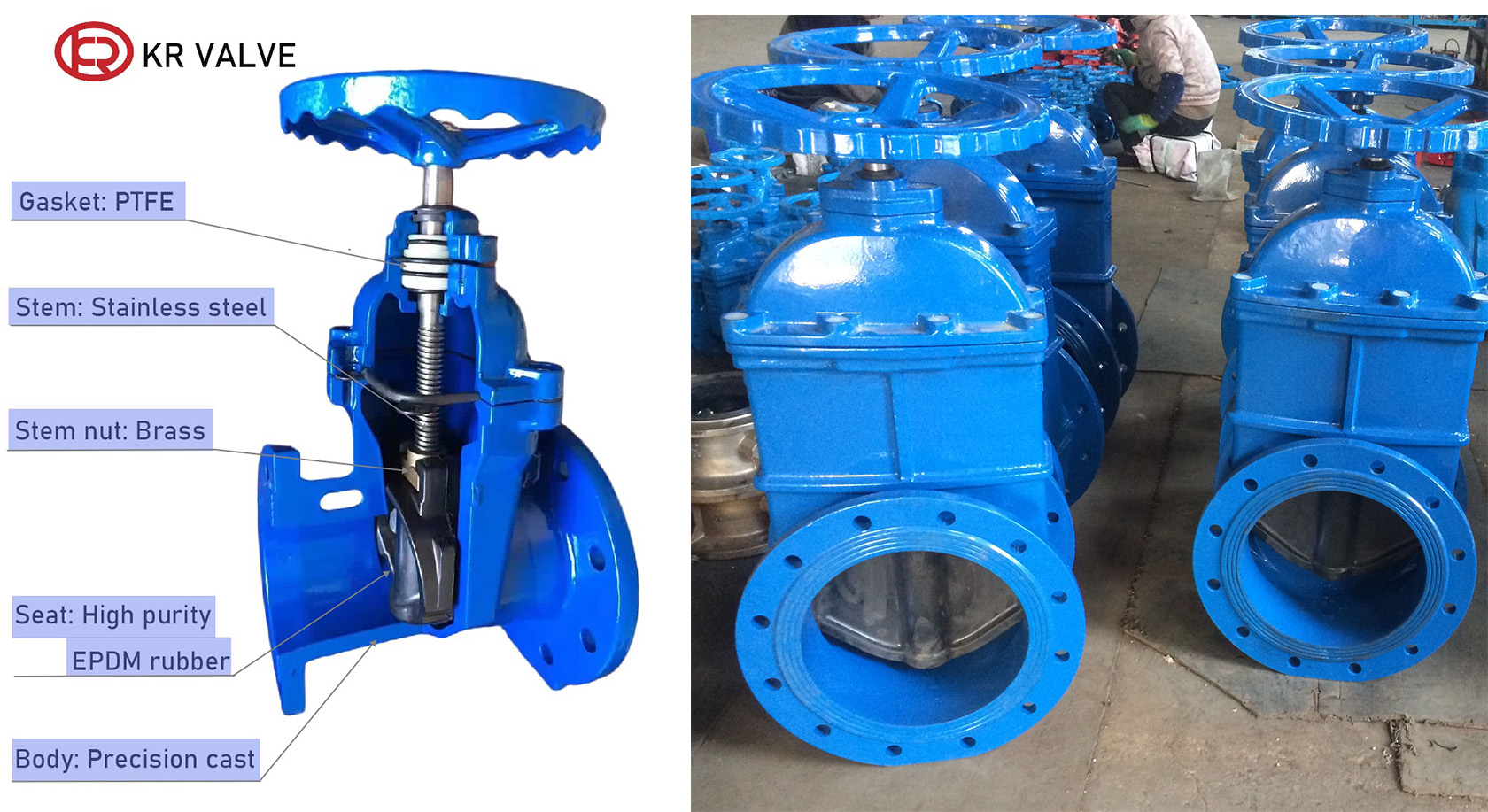
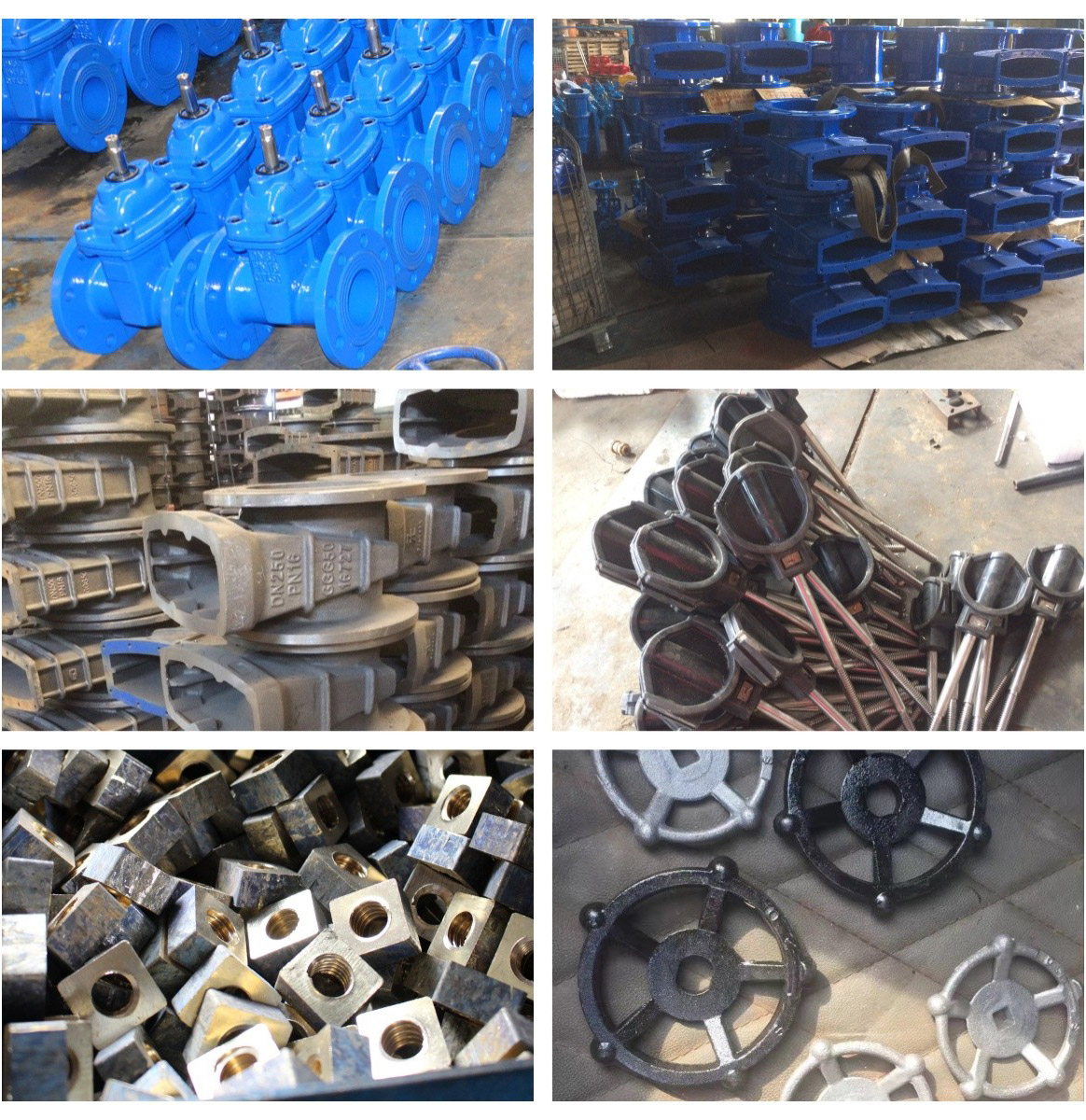
The adhesive strength between the valve plate rubber and the cast iron skeleton is high, and the coating thickness is higher than the national standard. Advanced injection molding technology is used, and the surface of the gate plate is smooth and defect free, with uniform rubber thickness and good elasticity. At the same time, the valve body, valve cover, and valve plate frame are precision cast with ductile iron, which has good density, can withstand high pressure, and is not easily broken, extending the service life of the valve.
The bottom adopts a flat bottom design, similar to the pipeline, which is not easy to cause debris accumulation and allows the liquid to flow smoothly, especially suitable for fluid media containing impurities.
The valve body is made of ductile iron casting, which reduces the weight by 20% -30% compared to traditional gate valves, making it easy to install and maintain.
Packing
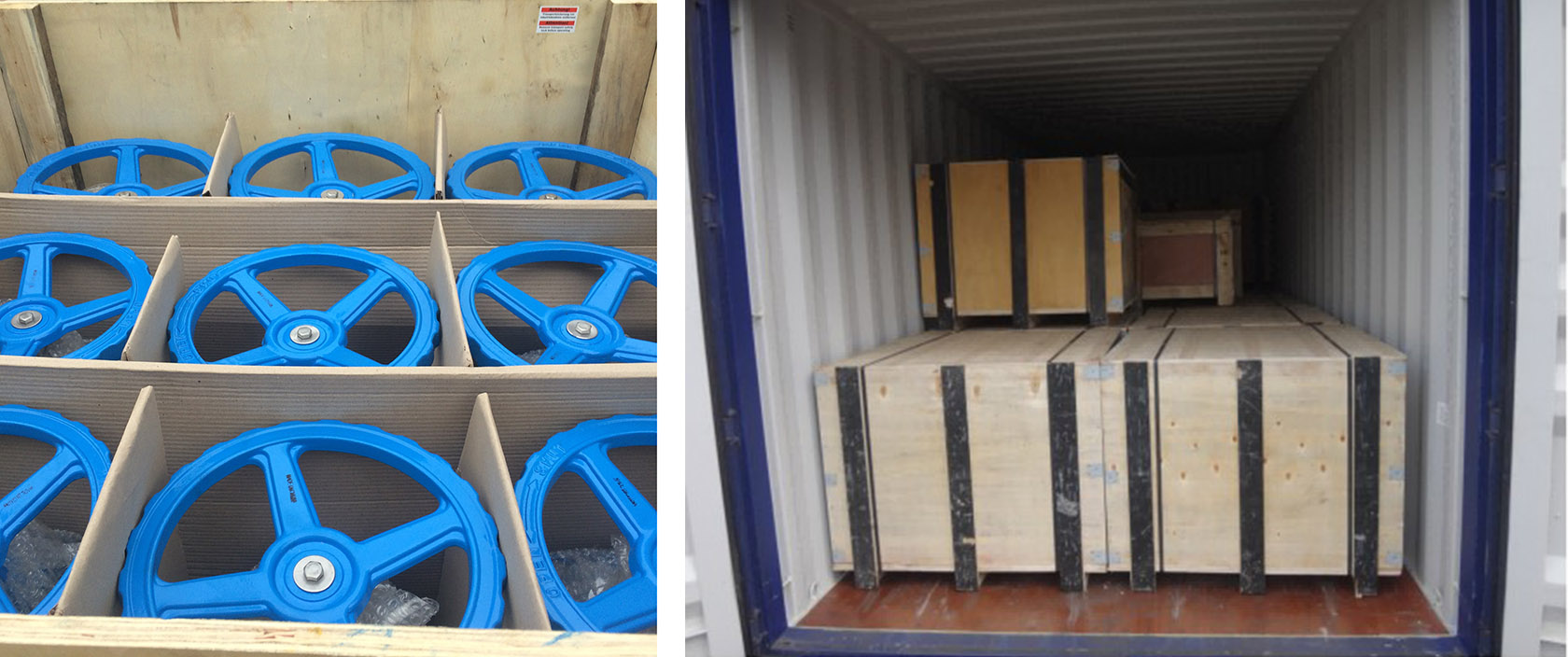
Standard export wooden case packaging
Application Scenarios
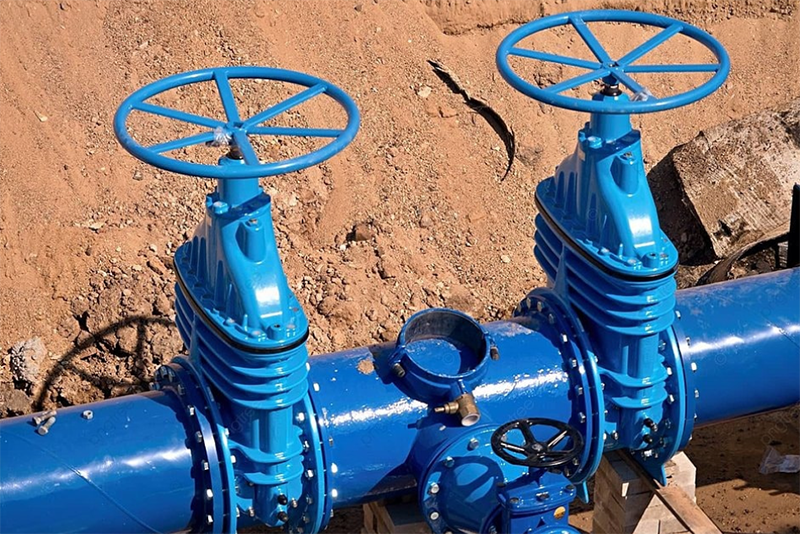
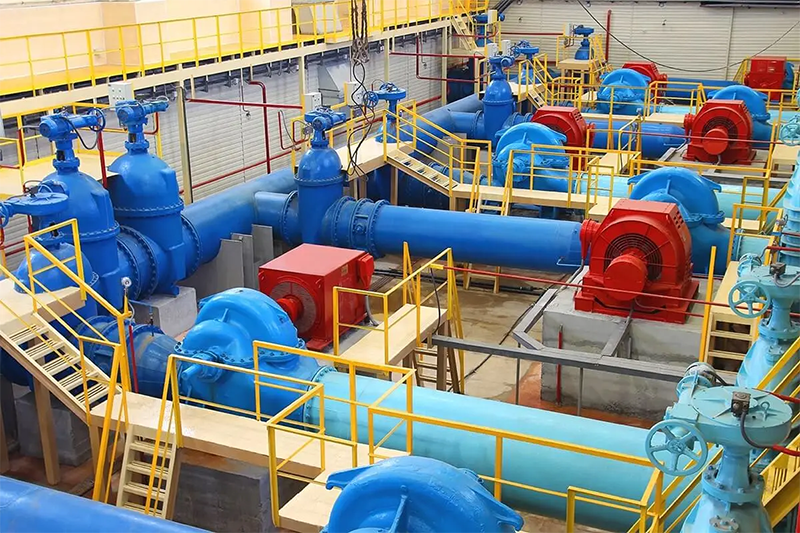
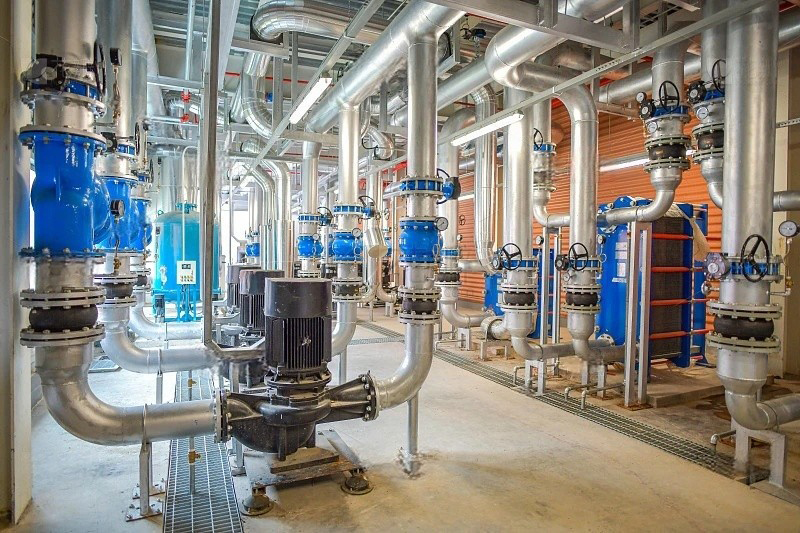
The resilient-seated gate valve is a widely utilized shut-off and isolation device across fluid handling pipelines in municipal, industrial, and building services sectors.
Material Specifications
| Body | Plate | Stem | Stem Nut | Seat | Operating Temp (°C) |
|---|---|---|---|---|---|
| HT200/HT250 Cast Iron | Ductile Iron | 20CR13 | Brass | EPDM Rubber | -20 ~ 120 (short-term up to 150) |
| GGG40/GGG50 Ductile Iron | Ductile Iron | SS304 | SS304 | NBR Rubber | -30 ~ 100 |
| WCB Carbon Steel | WCB | SS304/SS316 | SS304/SS316 | FKM/VITON Rubber | -20 ~ 200 |
| CF8/SS304 Stainless Steel | CF8 | SS304/SS316 | SS304/SS316 | PTFE Rubber | -200 ~ 260 |
| CF8M Stainless Steel | CF8M | SS304/SS316 | SS304/SS316 | Brass | -30 ~ 350 |
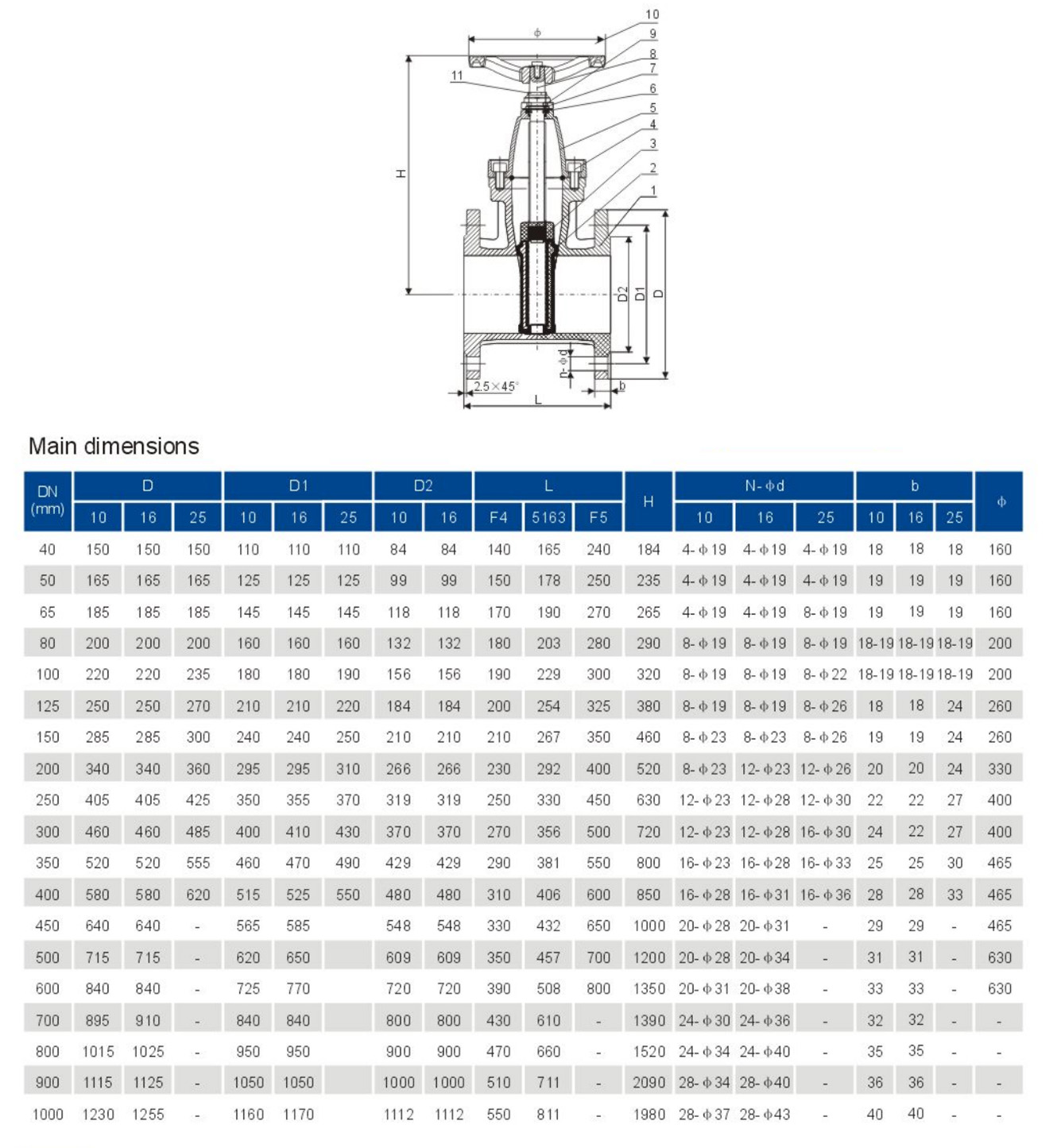
Dimensions
Frequently Asked Questions
A resilient seat gate valve features an elastomeric rubber-encapsulated gate wedge that provides tight shut-off, zero leakage, and excellent corrosion resistance, making it ideal for potable water and fluid containment systems.
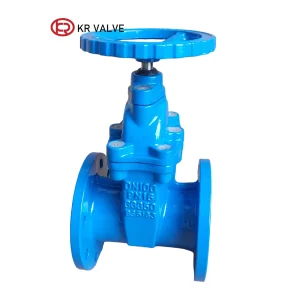
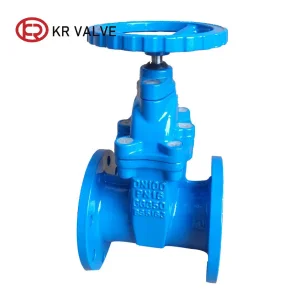
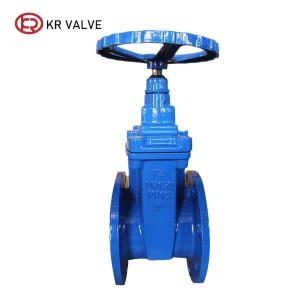
This valve complies strictly with the DIN F5 standard, featuring a non-rising stem structure, precision investment casting, and bidirectional zero-leakage sealing performance.
Standard operating temperature ranges between -20°C and 120°C. With specialized material choices (such as Viton or PTFE), temperature tolerance can be extended up to 350°C.
The flat-bottom design eliminates the traditional bottom recess where sediment and debris usually accumulate, allowing media containing minor impurities to flow smoothly without causing blockages.
The non-rising stem operates within a fixed vertical footprint, making it ideal for compact spaces, underground pipelines, and indoor installations where overhead headroom is limited.