
OEM Ductile Iron Gate Valve Manufacturer & Factories
Engineered for Water Distribution, Industrial Flow Systems, and Global Infrastructure Projects to DIN, BS, and ANSI Standards.
High-Precision Valves & Pipeline Equipment: Part I
Verified flow infrastructure systems built with metallurgical rigor and factory-direct quality control.
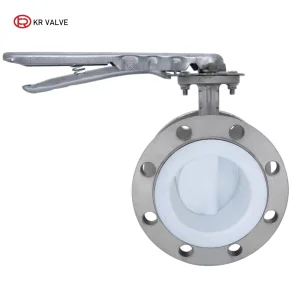
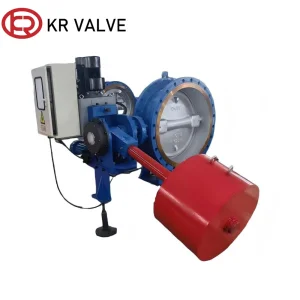
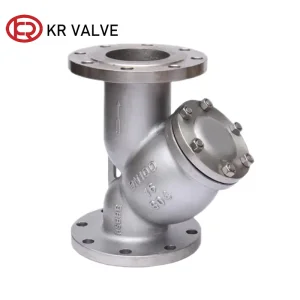
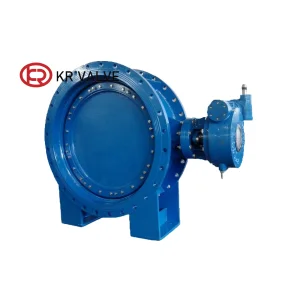
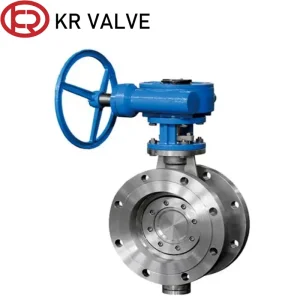
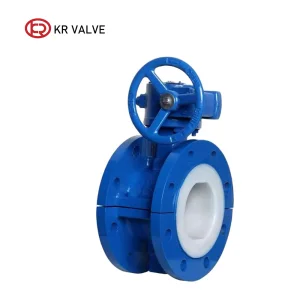
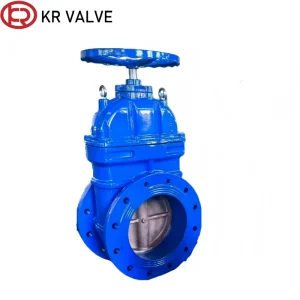
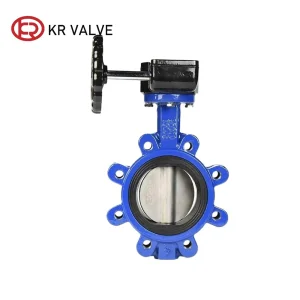
Engineering Superiority of Chinese Ductile Iron Gate Valve Hubs
Advanced metallurgy, automated sand reclamation molding lines, and integrated machining facilities offer tier-1 EPC contractors uncompromised reliability and scalable production capacity.
Metallurgical Chemistry Control
Utilizing high-purity GGG50 and GGG40 ductile iron with nodular graphite microstructures exceeding 85% nodularity (Grade 2 or above according to ISO 1083). This guarantees yield strengths greater than 300 MPa, delivering dynamic shock absorption, cold-weather ductility, and tensile resistance that minimizes valve burst risks in buried utility networks.
High-Precision CNC Machining
All body seat rings, non-rising stem threads, and wedge guides are processed in single-clamping horizontal CNC machining centers. This eliminates human assembly tolerance drift, ensuring uniform 360-degree seal compression, zero stem binding, and torque values up to 40% lower than standard industry thresholds during open-close cycling.
Electrostatic Fusion Bonded Epoxy (FBE)
Valves receive automatic shot blasting to Sa 2.5 profile standards followed by fluid-bed or thermal electrostatic FBE coating. With thicknesses systematically maintained over 250 microns (WRAS / NSF/ANSI 61 compliant), the coating leaves no pinholes or thin-spots, ensuring resistance to cathodic disbandment, chemical aggression, and aggressive soil conditions.
Emerging Technical Trends in Industrial Ductile Iron Gate Valves
The valve manufacturing landscape is moving from manual fluid cutoffs to smart, monitored infrastructure designed to minimize life-cycle costs and prevent unrecorded water loss.
IoT-Enabled Smart Flow Nodes
Modern ductile iron gate valve bonnets increasingly integrate low-power NB-IoT/LoRaWAN sensors. These modules register stem position, seat vibration, pipeline acoustic anomalies, and water temperature, transmitting diagnostics straight to SCADA platforms to detect cavitation and early pipe fractures before cataclysmic blowouts occur.
Optimized Wedge Vulcanization
Eliminating delamination issues, state-of-the-art OEM facilities have moved away from conventional glue bonding to high-temperature vulcanization using synthetic EPDM or NBR rubber compound elastomers. This guarantees a continuous, cohesive mechanical molecular bond capable of handling million-cycle compressive loads without tearing, peeling, or cracking.
Net-Zero Cavity Straight-Through Bores
Traditional gate valves featured deep bottom recesses that collected silt, sand, and scale deposits, preventing tight wedge closure. Modern designs feature flat-bottom, uninterrupted cylindrical conduits with zero sediment reservoirs, eliminating fluid turbulence, flow constriction, and seat wear.
Engineering Standards & Dimensional Specifications Reference
Comprehensive manufacturing baseline for municipal procurement engineers, project managers, and quality assurance inspectors.
| Feature Parameter | DIN F4 / DIN F5 Standards | BS 5163 / EN 1074-1 & 2 | AWWA C509 / C515 |
|---|---|---|---|
| Nominal Diameter (DN) | DN40 – DN1200 | DN50 – DN1000 | 2" to 48" NPS |
| Nominal Pressure | PN10, PN16, PN25 | PN10, PN16, PN25 | Class 150, Class 250, 200–300 PSI |
| Body & Bonnet Casting | EN-GJS-400-15EN-GJS-500-7 | Ductile Iron BS 2789 | ASTM A536 65-45-12 |
| Wedge Core Material | Ductile Iron core encapsulated in EPDM/NBR | Ductile Iron with WRAS certified rubber | Encapsulated Ductile Iron with NSF 61 rubber |
| Stem Metallurgy | SS416 / SS420 / SS304 / SS316 | Stainless Steel BS970 431S29 / 316 | AISI 304 / 316 / Bronze ASTM B763 |
| Shell / Seat Test Pressure | 1.5 x PN / 1.1 x PN | 1.5 x PN / 1.1 x PN | 2.0 x Rated Working Pressure / Zero Leakage |
| Corrosion Barrier Coating | Resin Powder FBE > 250 µm RAL 5005 / 5015 | WRAS Approved Epoxy Powder Coating | AWWA C550 Compliant Thermo-Set Coating |
System Solutions: Real-World Use Cases
From underground urban water grids to heavy mining slurries and desalination brine, ductile iron gate valves deliver proven mechanical integrity under varying operating stresses.
Municipal Potable Water Mains
For high-volume urban distributions, non-rising stem (NRS) resilient seat gate valves fit directly into subterranean inspection chambers or buried line systems with extension spindles. Certified non-toxic EPDM guarantees zero bacterial retention and clean potable water distribution compliant with WRAS and NSF certifications.
Wastewater & Sludge Dewatering
Untreated domestic raw sewage carries abrasive grits, textiles, and organic stringy solids. Flat-seat ductile iron gate valves eliminate wedge jamming. Combined with brass or bronze seat options, they deliver long-lasting protection against hydrogen sulfide (H2S) biological degradation.
Agricultural Irrigation & Dams
In high-pressure river diversion intake projects and farm distribution canals, our ductile iron units withstand heavy silt abrasion, diurnal ambient thermal shifts, and repeated throttling cycles when tied to electric and hydraulic actuator packs.
Global Enterprise Sourcing Criteria for Ductile Iron Gate Valves
Evaluating OEM manufacturing partners requires rigorous audits of testing procedures, material traceability, and export logistics capacity.
EN 10204 3.1 Certified Metallurgy
International procurement frameworks demand mill test certificates (MTC) verifying ductile nodularity ratings, impact resistance Charpy tests, and full chemical assays (Carbon, Silicon, Manganese, Magnesium, Phosphorus, and Sulfur) from every pouring ladle before machining begins.
100% Dual-Directional Pressure Validation
Factory audits require verification of computerized hydrostatic testing benches. Every gate valve must complete bidirectional low-pressure pneumatic air seating checks (6 bar) and high-pressure shell hydrostatic testing (1.5x PN) with zero allowable pressure drop over specified dwell periods.
Fumigated Sea Freight Packaging
Valves are fitted with flange end protectors, wrapped in desiccant-loaded vapor barriers, and packed in reinforced plywood crates (ISPM 15 certified). This prevents marine transport impact damage, surface moisture exposure, and salt spray intrusion during lengthy ocean transits.
High-Precision Valves & Pipeline Equipment: Part II
Complete project valve packages manufactured to DIN, BS, and ANSI standards with full OEM customization.
-
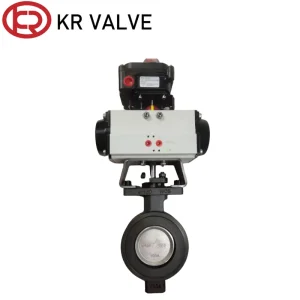
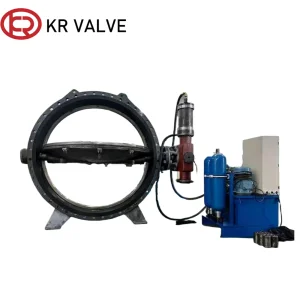
OEM Pneumatic Triple offset high performance Butterfly Valve With Positioner Manufacturer, Factory
-
-
-
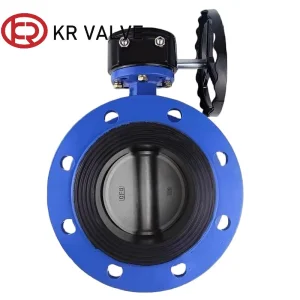
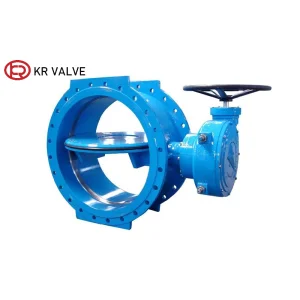
Custom Flange Butterfly Valve Concentric Type Gear Box Operation Supplier, Factories
-
-
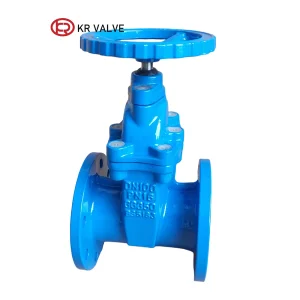
OEM Non Rising Stem EPDM Soft Seal Gate Valve DIN F5 Standard Supplier, Factories
-
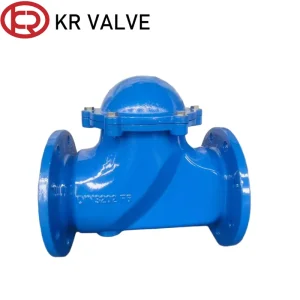
OEM Ball type one way valve with soft seal ball PN16 Factories, Factory
-
Frequently Asked Engineering & Sourcing Questions
Detailed technical answers addressing design tolerances, metallurgy, coating longevity, and testing compliance.